Improve reading comprehension Reading Worksheets for Ages 3-4
7 filtered results
-
From - To
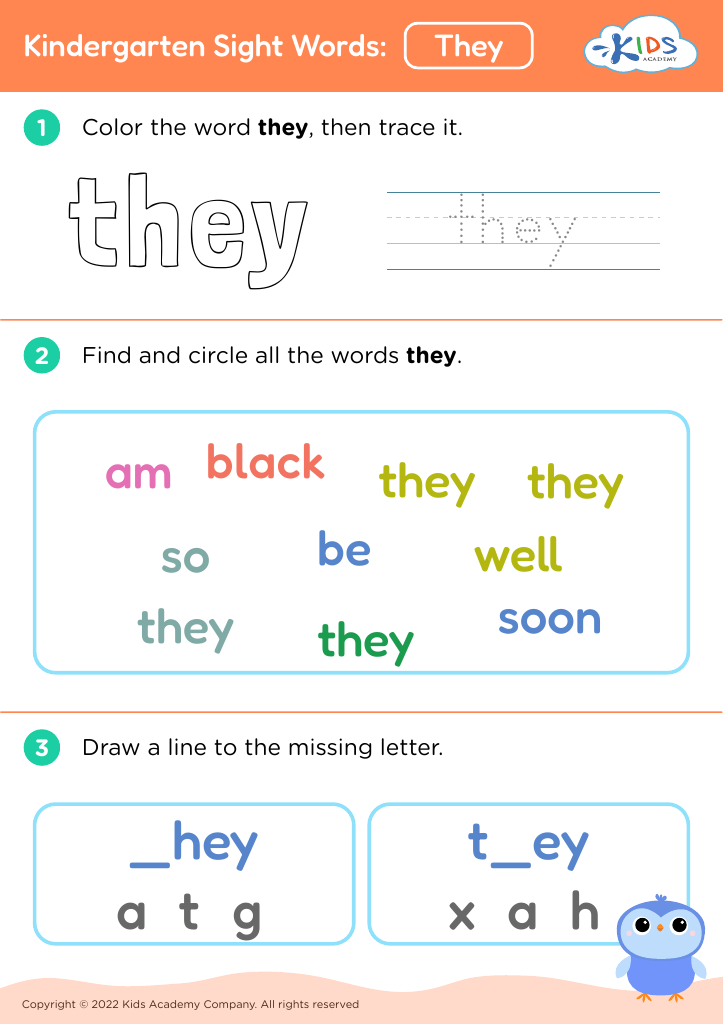
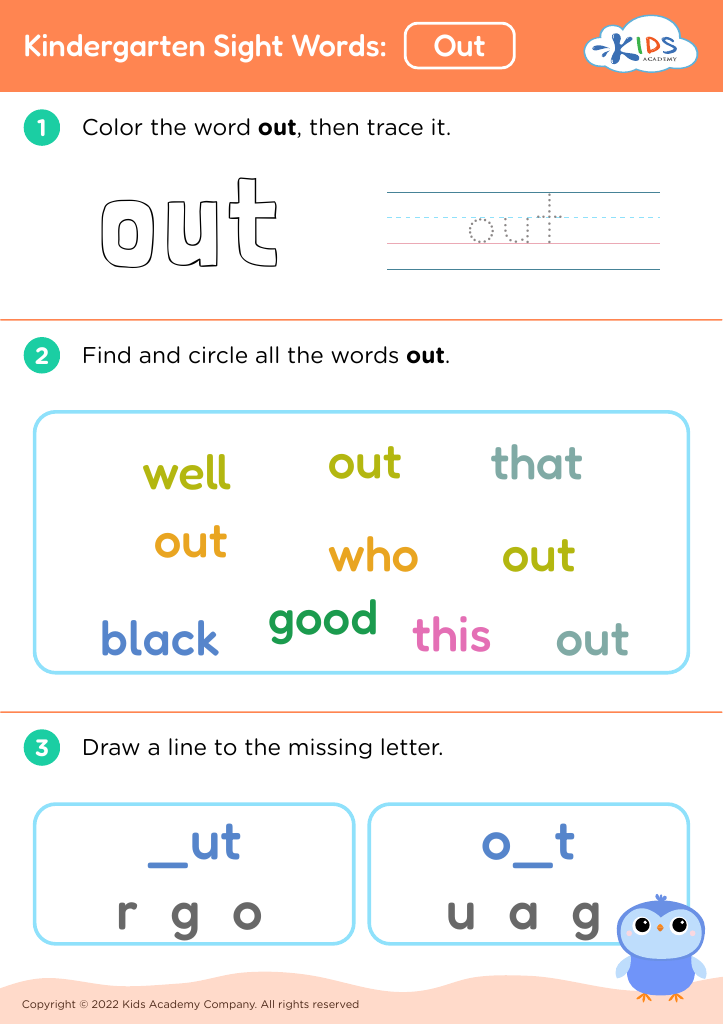
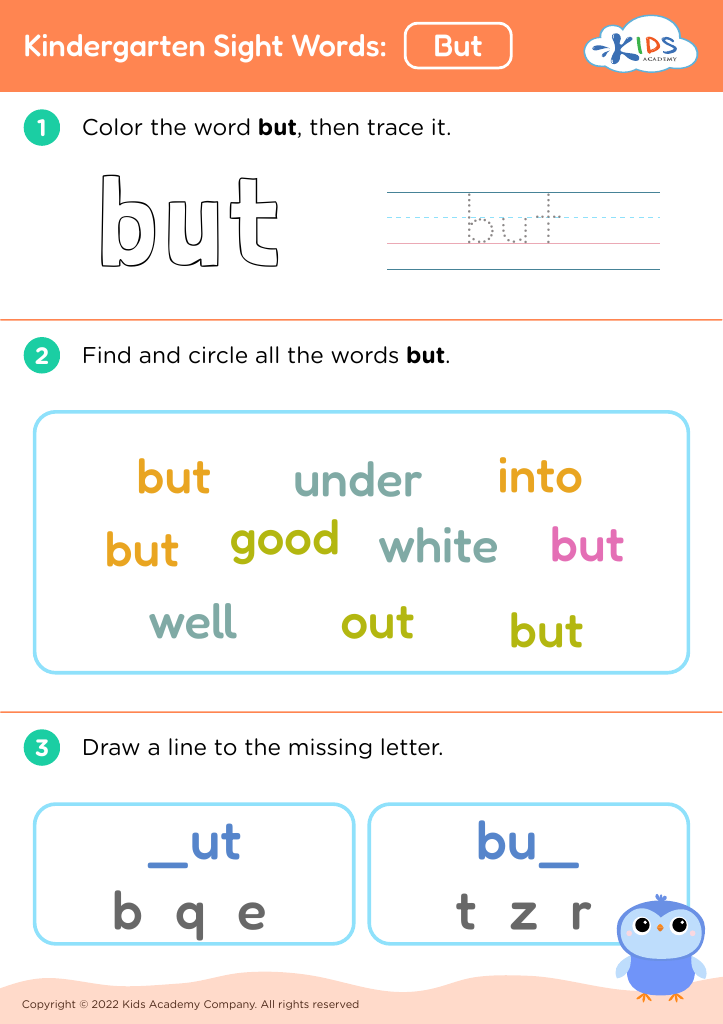
Boost your child's reading skills with our Improve Reading Comprehension Worksheets for Ages 3-4! Designed to enhance early literacy, these fun and engaging activities focus on foundational comprehension skills. Through colorful imagery and simple stories, young readers learn to identify main ideas, sequence events, and answer questions about the text. Perfect for parents and educators, our worksheets promote critical thinking and a love for reading. With interactive and thoughtfully crafted exercises, kids can build confidence and joy in their reading journey. Explore our collection at Kids Academy to support your child's educational development, one worksheet at a time.
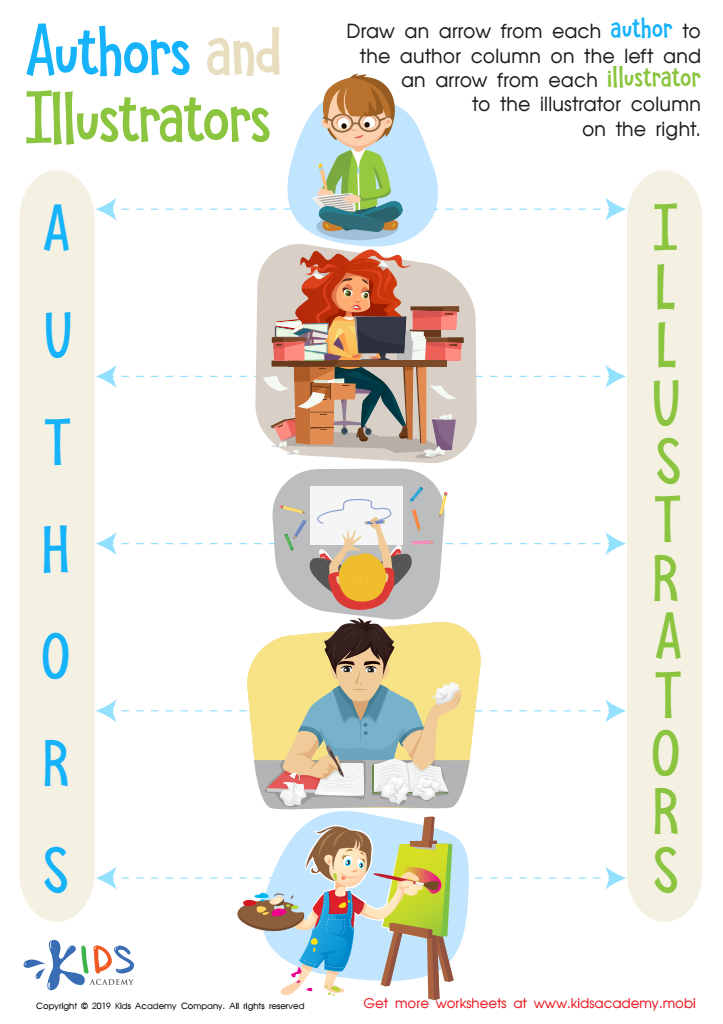
Authors and Illustrators Worksheet
 Assign to My Students
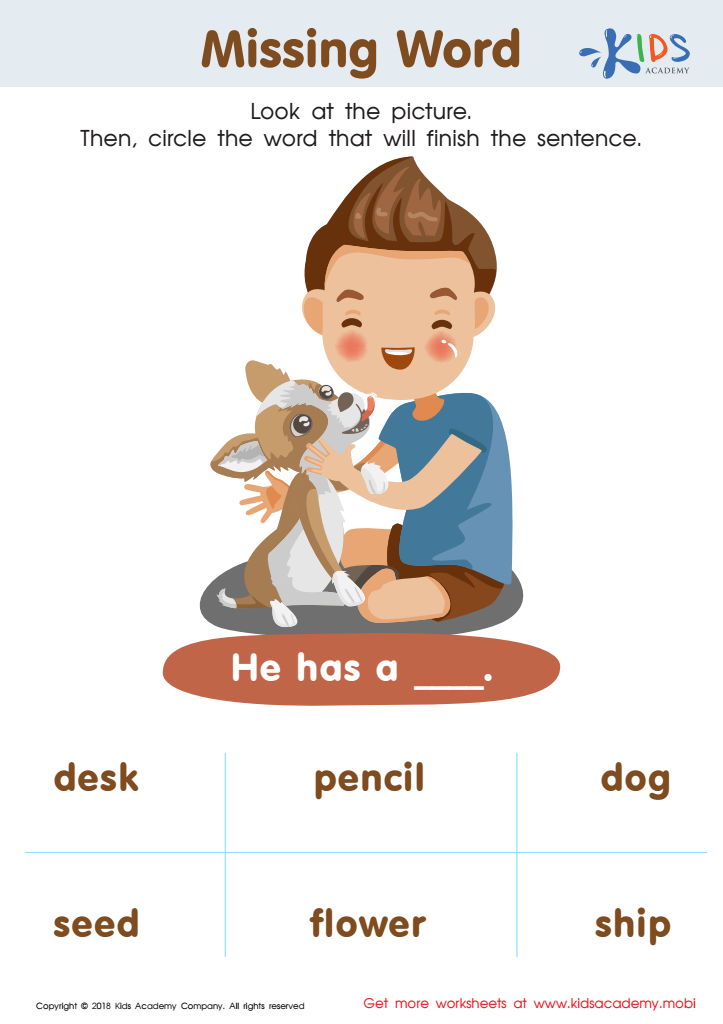
Missing Word Worksheet
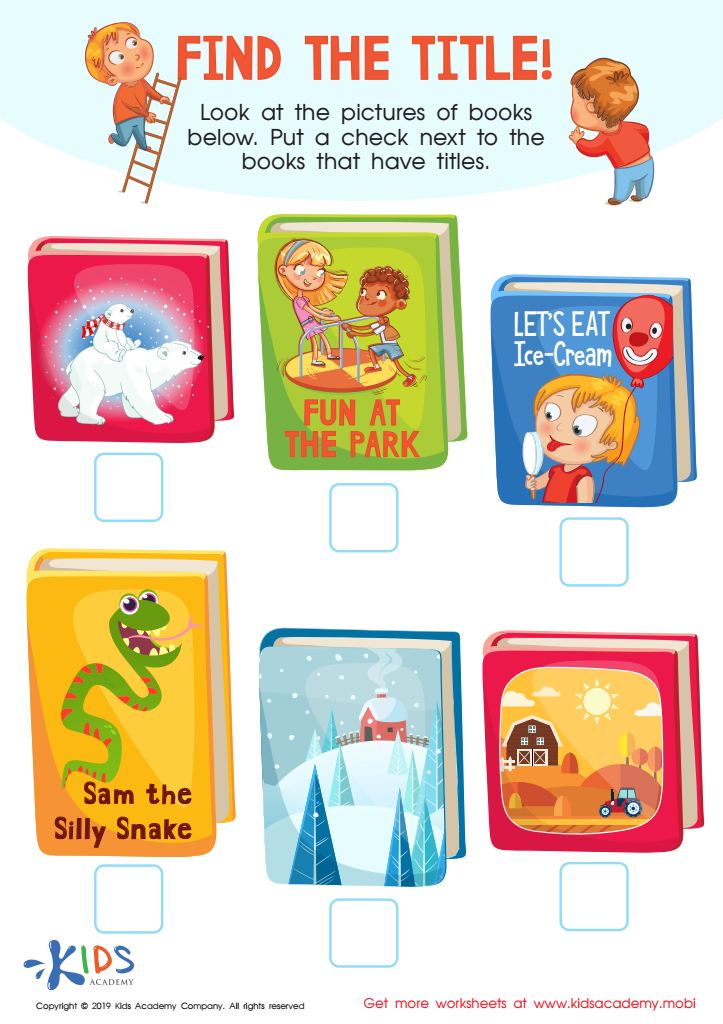
Find the Title Worksheet
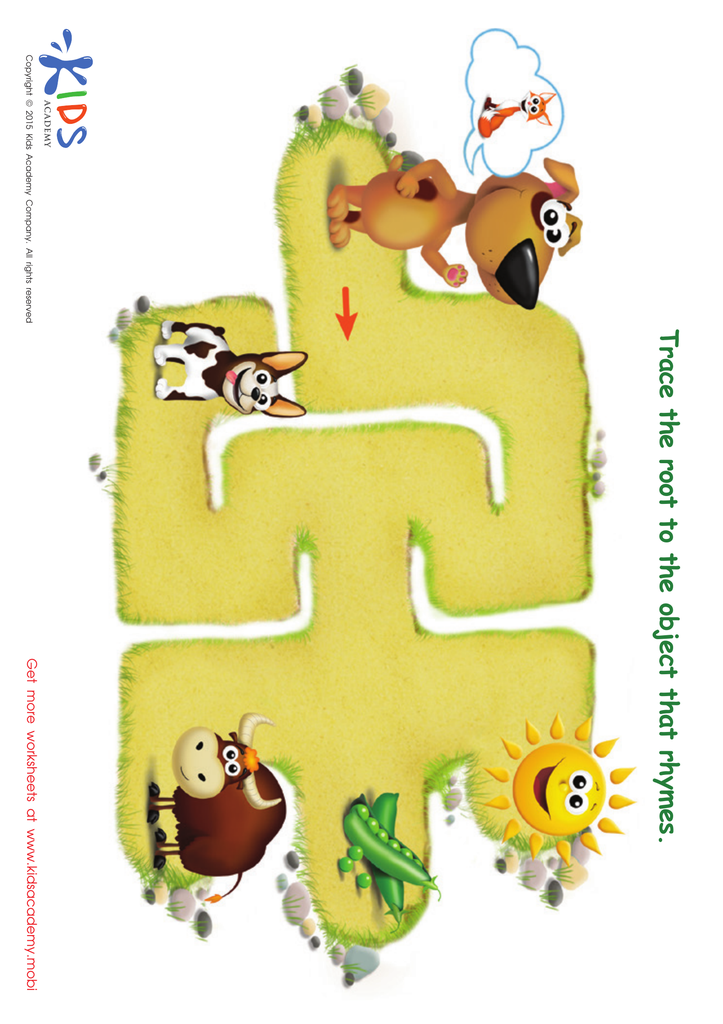
Fox Rhyming Words Worksheet







Improving reading comprehension for children ages 3-4 is crucial for several reasons. At this young age, children's brains are highly receptive to learning, and building a strong foundation in reading comprehension can substantially impact their overall academic success. Understanding reading comprehension goes beyond recognizing words; it involves grasping the meaning of text, which is essential for effective communication and cognitive development.
For parents and teachers, fostering these skills early on can enhance vocabulary, promote empathy, and improve critical thinking. When children learn to comprehend stories, they not only expand their knowledge base but also develop the ability to understand different perspectives and emotions. This is vital in nurturing social skills and emotional intelligence.
Moreover, early reading comprehension prepares children for kindergarten and reduces the risk of future academic struggles. It lays the groundwork for successful independent learning and instills a love for reading, leading to a lifelong engagement with books and continuous learning.
Engaging young children with age-appropriate books, interactive read-aloud sessions, and comprehension exercises like asking open-ended questions about the story can make a significant difference. By prioritizing reading comprehension at this formative stage, parents and teachers set children on a path to academic achievement and personal growth.








