
Understanding patterns Reading Worksheets for Ages 3-4
4 filtered results
Difficulty Level
Grade
Age
-
From - To
Subject
Activity
Standards
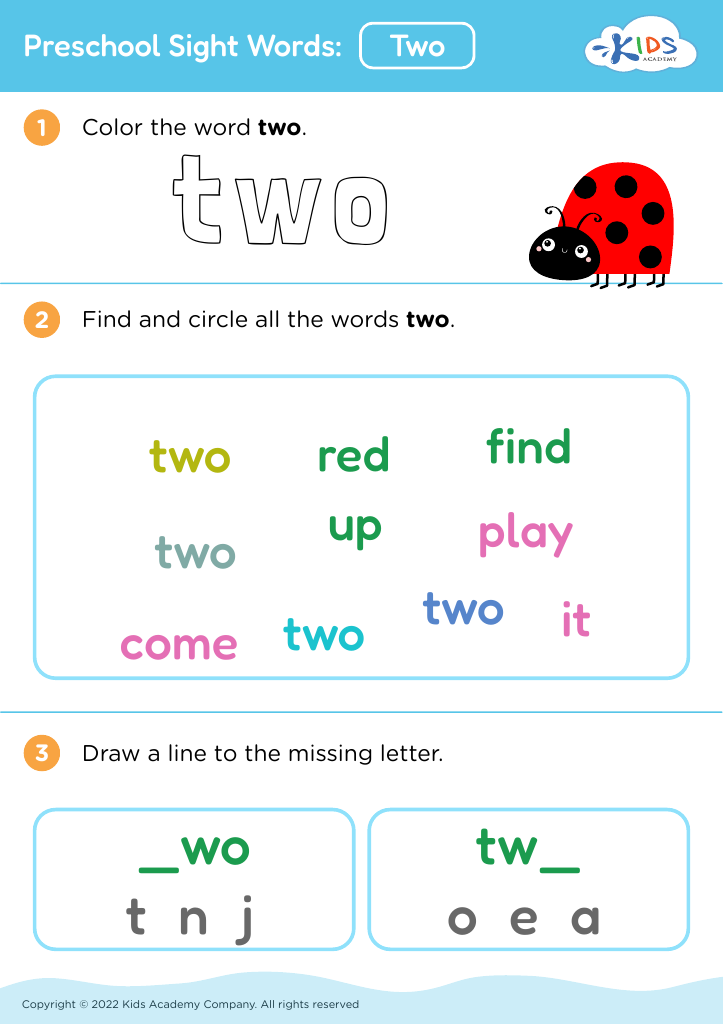
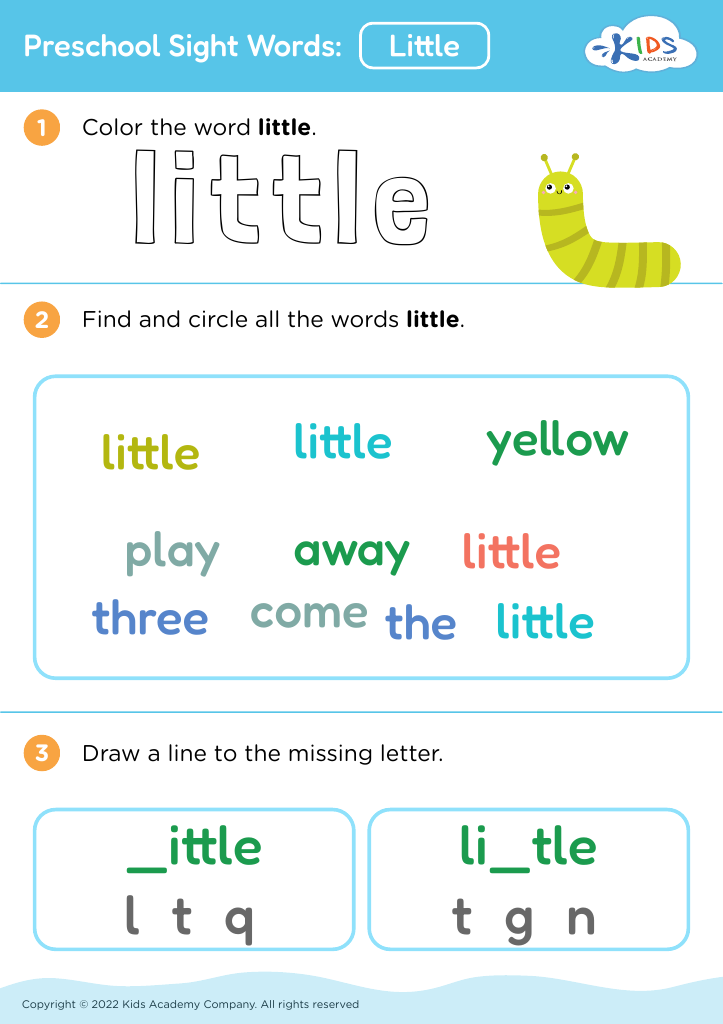
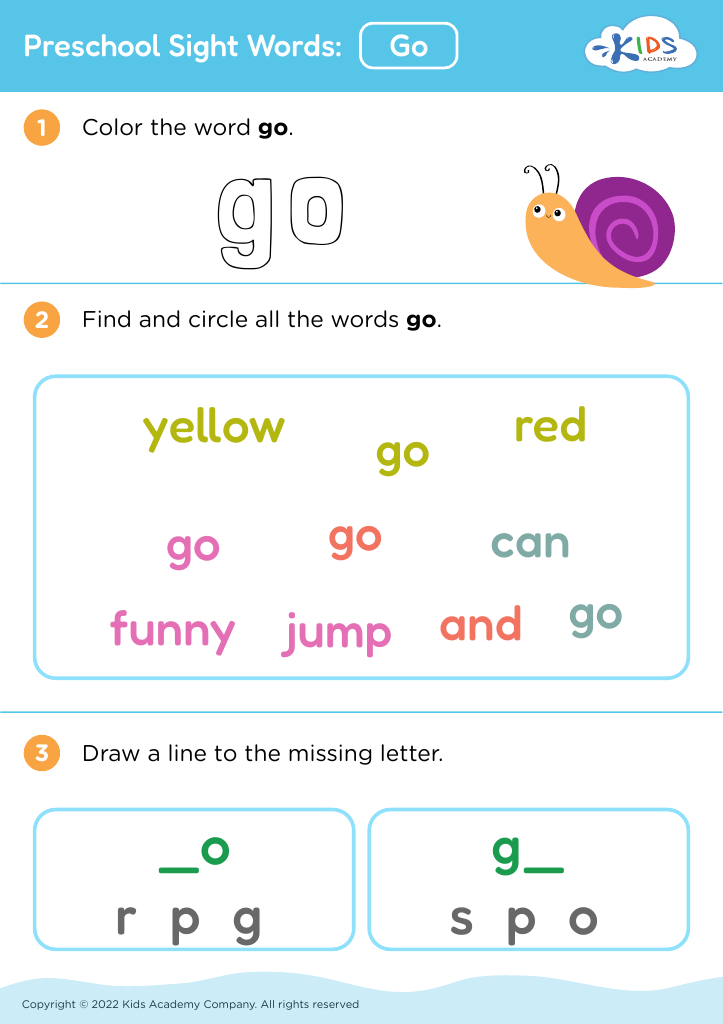
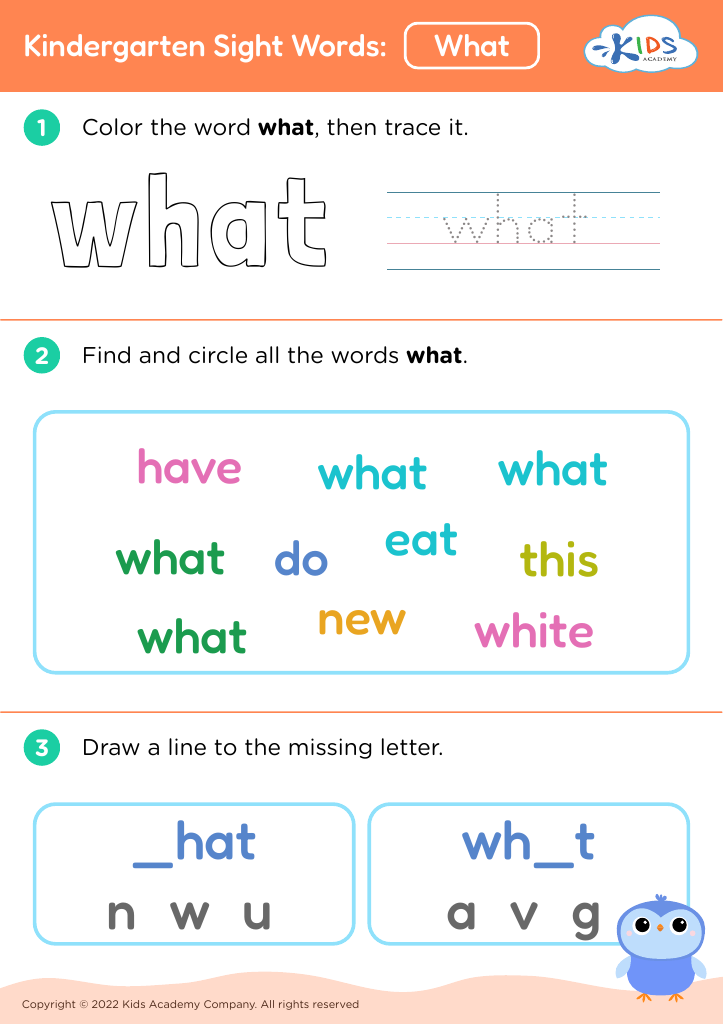
Introducing our "Understanding Patterns Reading Worksheets" designed specifically for ages 3-4. These engaging resources will help young learners recognize and comprehend patterns through playful activities. Each worksheet focuses on developing essential reading skills while encouraging critical thinking and observation. Colorful images and simple instructions make it easy for children to connect visual patterns with their meanings. Our worksheets foster creativity and cognitive growth, ensuring that foundational skills are built in a fun and interactive way. Perfect for preschoolers at home or in the classroom, these worksheets provide an excellent opportunity for early learning and literacy development. Start your child’s educational journey today!
Favorites
With answer key
Interactive
Join Kids Academy for Free
Who is primarily going to use this learning content?








Understanding patterns is a fundamental skill that fosters early literacy and cognitive development in children aged 3-4. For parents and teachers, caring about this aspect of reading is crucial for several reasons. First, recognizing patterns in language helps children grasp the concept of structure in stories and texts. This includes identifying rhymes, rhythms, and repetitive phrases, which not only enhance language skills but also make reading more engaging and relatable.
Second, pattern recognition promotes critical thinking and problem-solving abilities. As children learn to anticipate what comes next in a story, they start making predictions and connections, laying the groundwork for more advanced comprehension skills in the future.
Additionally, engaging in pattern-based reading activities can enhance vocabulary development. When children frequently encounter similar sentence structures or rhyme patterns, they internalize language, expand their word bank, and learn to express themselves more clearly.
Finally, understanding patterns in reading fosters a love for literature. Enjoyable experiences with stories increase a child's motivation to read independently, further enhancing their literacy skills. Therefore, parents and teachers who prioritize understanding patterns are setting the stage for a lifetime of learning and enjoyment through reading.








