Vocabulary development Reading Comprehension Worksheets for Ages 3-4
4 filtered results
-
From - To
Enhance your child's vocabulary and reading comprehension skills with our engaging worksheets designed specifically for ages 3-4! These interactive resources encourage early literacy development through fun activities tailored to young learners. Each worksheet promotes word recognition, context understanding, and critical thinking, helping children develop essential language skills essential for future learning. Parents and educators can easily incorporate these exercises into daily routines for effective learning. Our colorful and visually appealing designs capture children's attention, making learning enjoyable. Start building a strong foundation in literacy today with our vocabulary development reading comprehension worksheets! Explore our collection now and watch your child thrive!
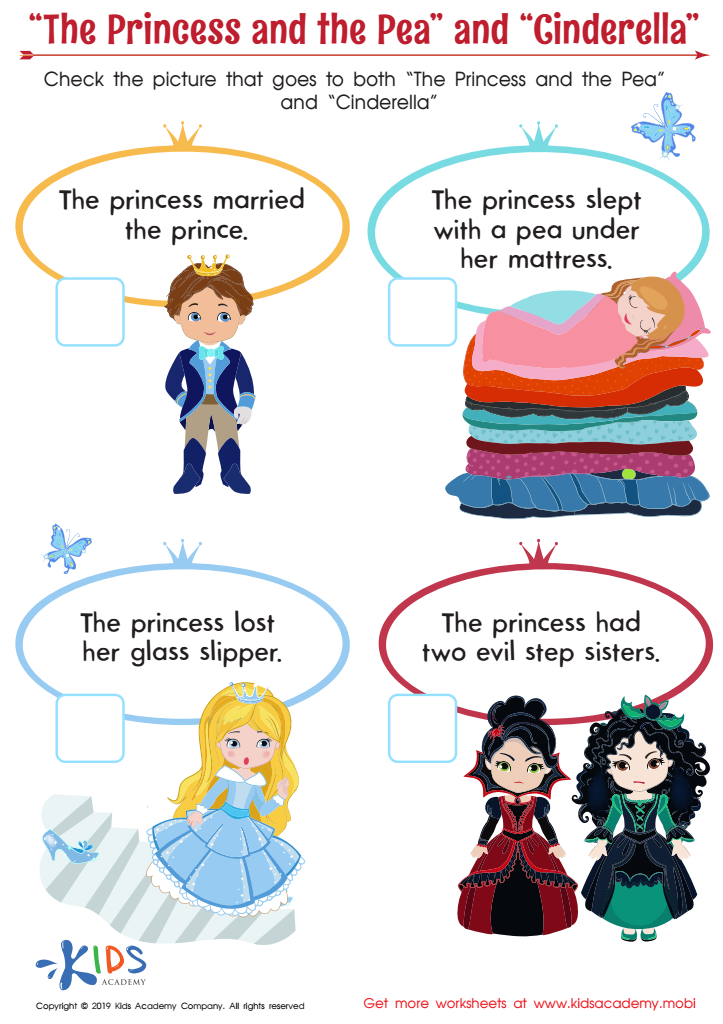
“The Princess and the Pea” and “Cinderella” Worksheet
 Assign to My Students
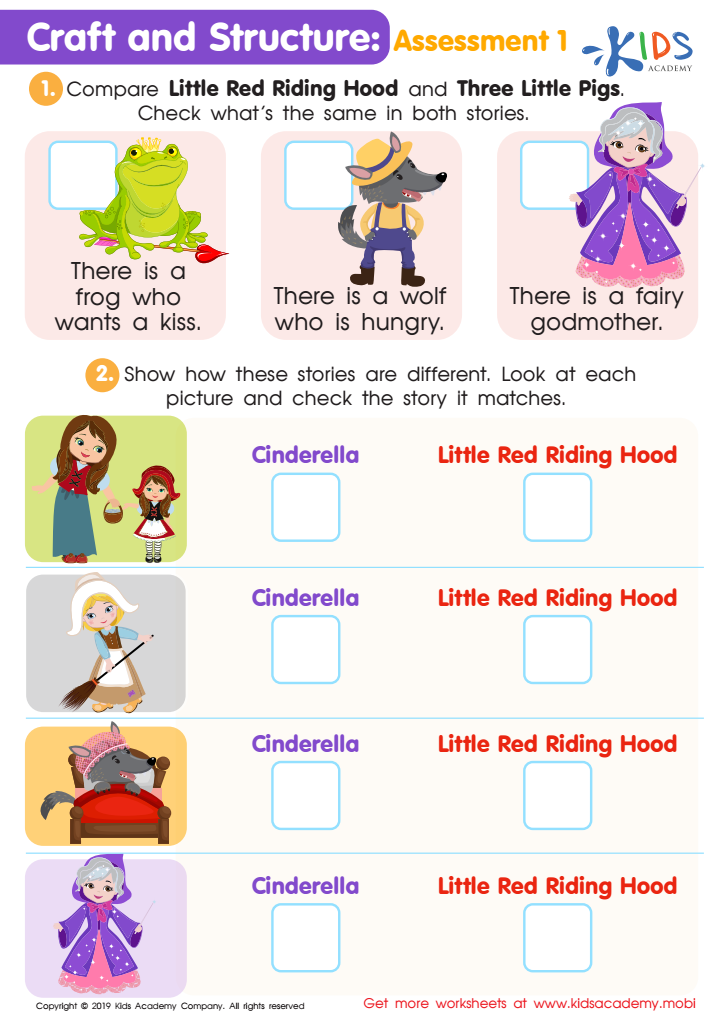
Craft and Structure: Assessment 1 Worksheet
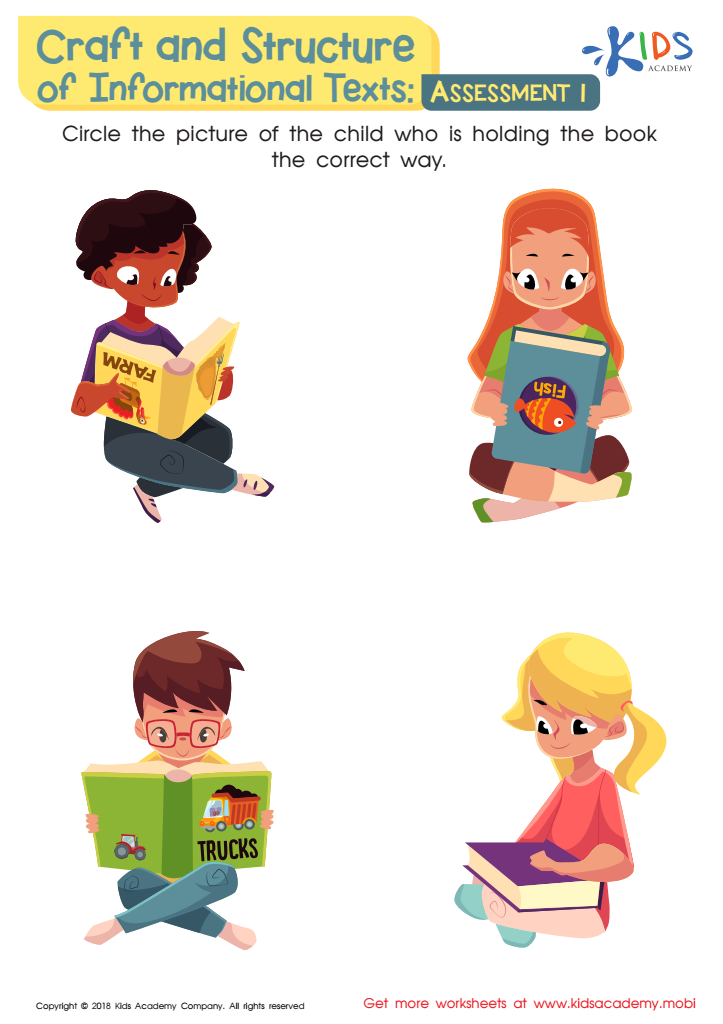
Craft and Structure of Informational Texts: Assessment 1 Worksheet
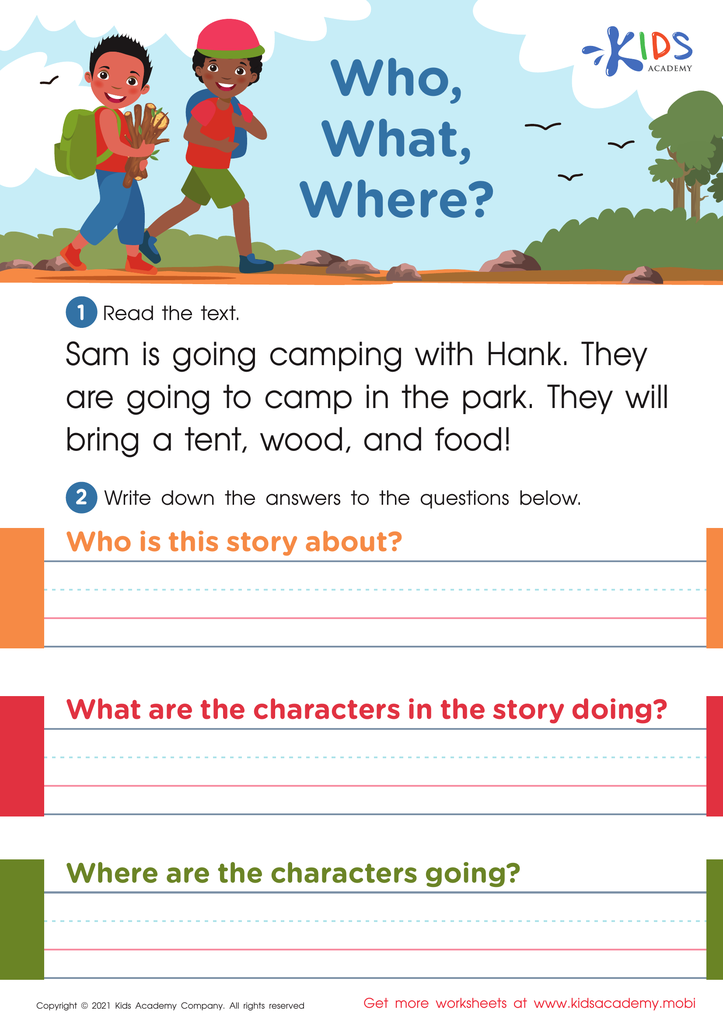
Who, What, Where? Worksheet








Vocabulary development is crucial for children aged 3-4 as it lays the foundation for reading comprehension, which is essential for their future academic success. During this formative stage, children are rapidly acquiring language skills, and the richness of their vocabulary is directly linked to their ability to understand and interpret texts later on.
When parents and teachers prioritize vocabulary development, they enhance children's expressive and receptive language abilities, enabling them to articulate ideas, ask questions, and engage in conversations confidently. By introducing a variety of words through storytelling, songs, and everyday interactions, adults help children to not only understand new concepts but to also relate them to their experiences, enriching their comprehension skills.
Moreover, strong vocabulary skills are predictive of reading success. Children who can recognize and understand words while reading are more likely to grasp the overall meaning of texts, which is critical as they advance in school. Investing time in vocabulary development during ages 3-4 not only nurtures a love for reading but also equips children with essential tools for effective communication, critical thinking, and lifelong learning. Ultimately, engaged parents and educators foster a positive learning environment, encouraging children's cognitive growth and future academic achievements.








