Categorization skills Science Worksheets for Ages 3-4
5 filtered results
-
From - To
Enhance your child’s learning experience with our Categorization Skills Science Worksheets designed specifically for ages 3-4. These engaging worksheets help young learners develop critical thinking by exploring different categories in science, from animals and plants to everyday objects. Each activity is tailored to spark curiosity, making learning fun and interactive. With vibrant illustrations and simple instructions, these worksheets promote hands-on learning while building foundational skills in classification. Perfect for parents and educators, these resources can be seamlessly integrated into home or classroom activities. Foster your child's early cognitive development with our thoughtfully crafted science worksheets today!
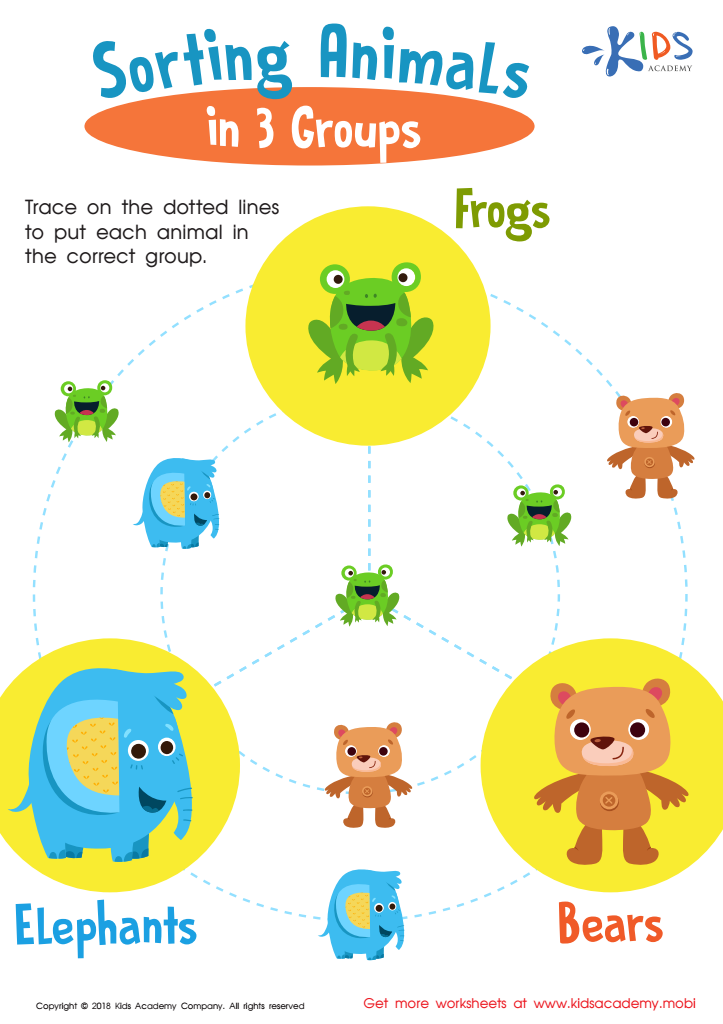
Sorting Animals in 3 Groups Worksheet
 Assign to My Students
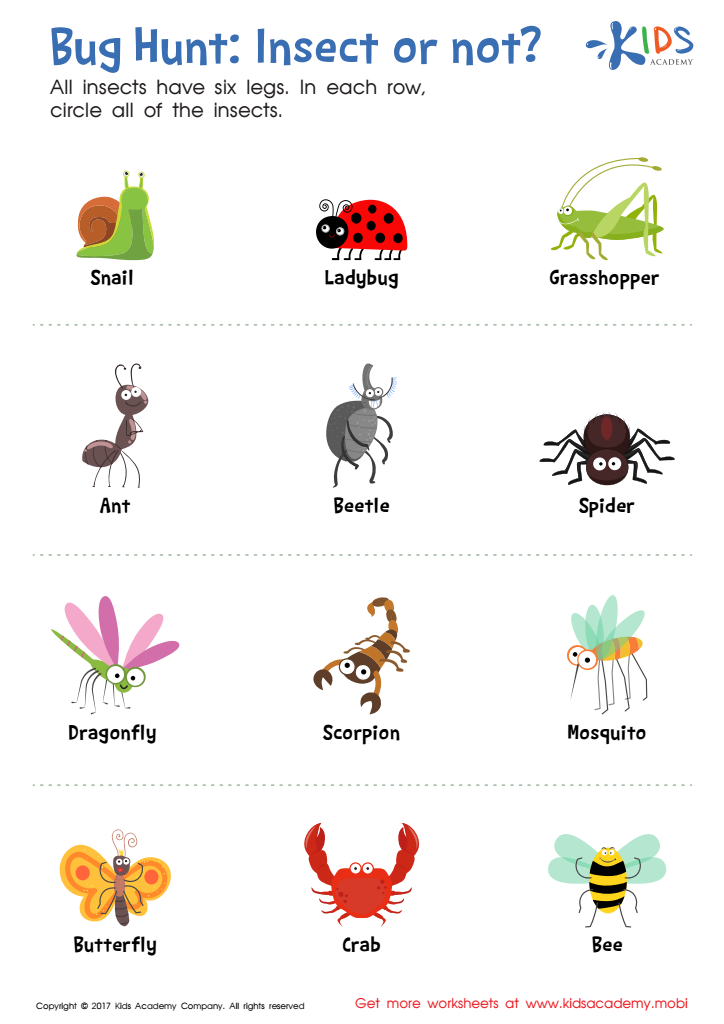
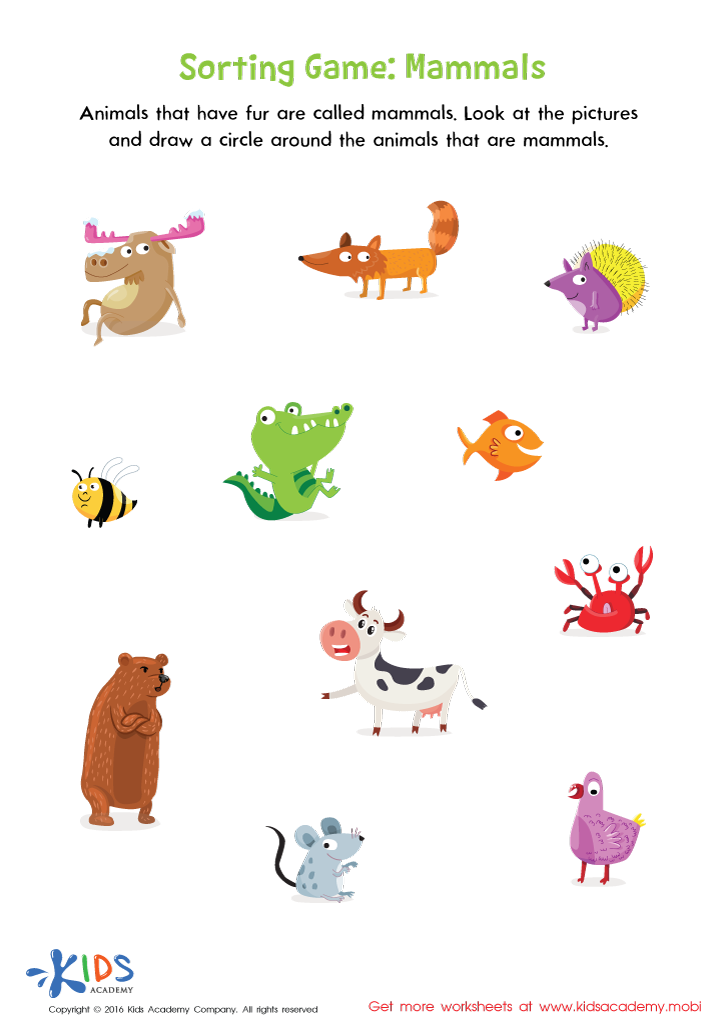
Mammals Sorting Worksheet
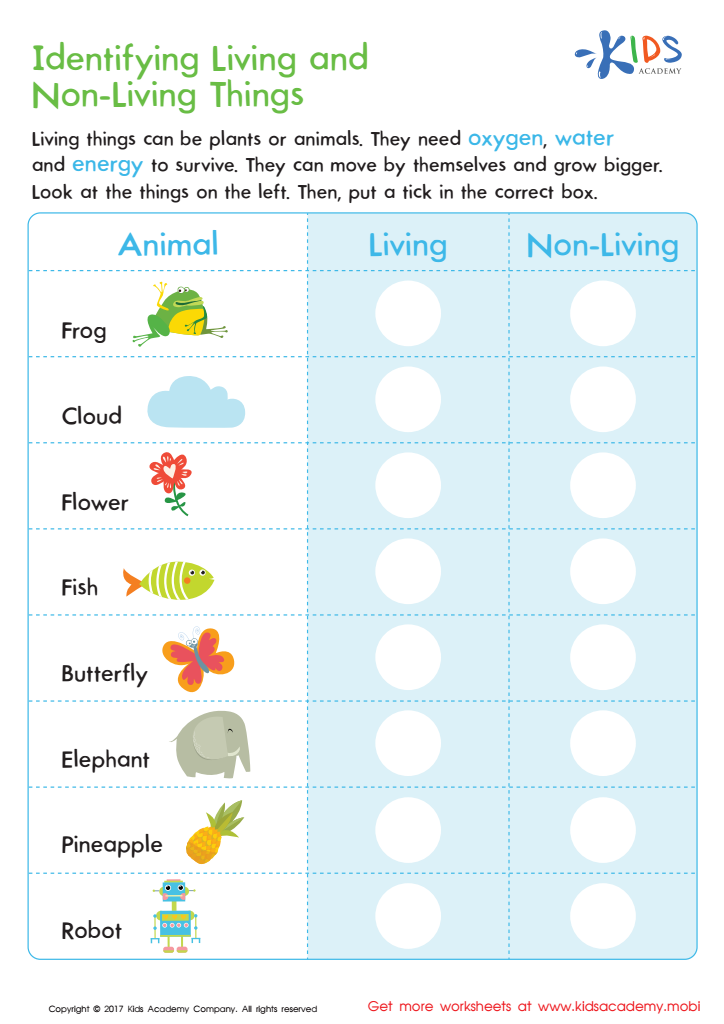
Identifying Living or Non–living Worksheet
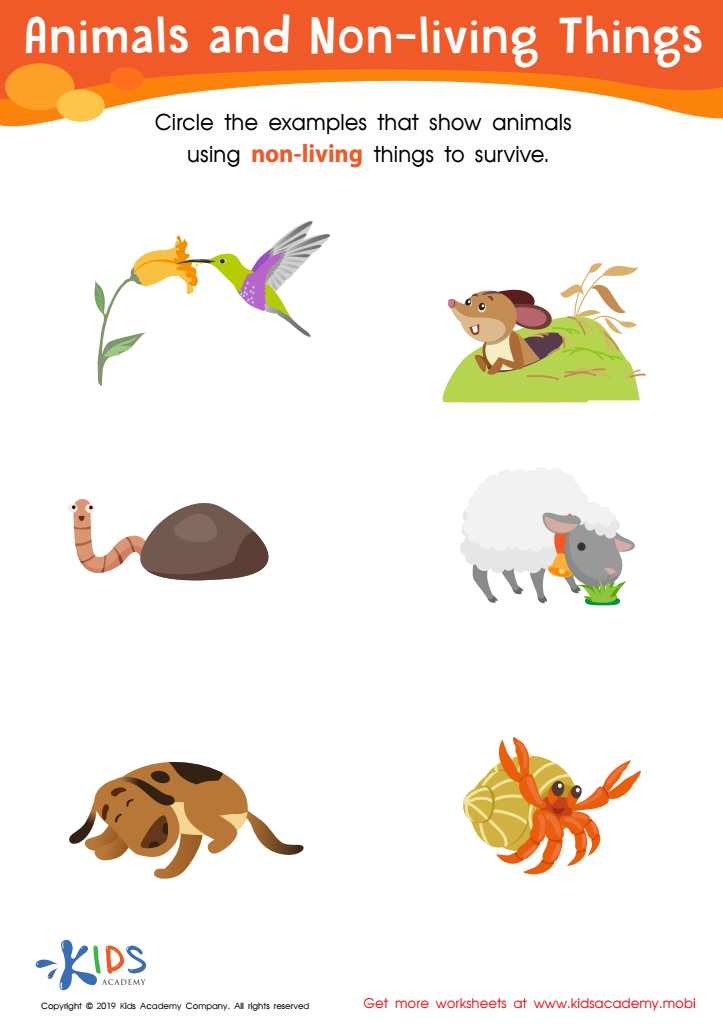
Animals and Non-Living Things Worksheet








Categorization skills are crucial for children aged 3-4 as they form the foundation for cognitive development, problem-solving, and effective communication. At this stage, children begin to learn how to sort objects, identify similarities and differences, and classify items based on specific attributes such as color, shape, or size. Engaging children in scientific categorization not only fosters their natural curiosity about the world but also enhances their critical thinking skills.
Parents and teachers should prioritize these skills because they lead to improved learning outcomes across various subjects. For instance, the ability to categorize can enhance early mathematics skills, as children learn to understand patterns, grouping, and numbers. Furthermore, categorization supports vocabulary development by allowing children to express and describe their understandings more clearly.
Encouraging kids to explore categories through hands-on experiences nurtures their creativity and independence. By engaging in activities like sorting animals by habitat or classifying fruits by color, children gain essential skills that benefit their social interactions and emotional growth. Ultimately, focusing on categorization in early education builds a strong base for lifelong learning and equips children with the tools necessary to navigate and make sense of their environment.







