
Reading comprehension Life Science Worksheets for Ages 3-4
3 filtered results
Difficulty Level
Grade
Age
-
From - To
Subject
Activity
Standards
Our Reading Comprehension Life Science Worksheets for Ages 3-4 are designed to nurture young minds with engaging and educational content. These worksheets focus on life science topics such as plants, animals, and their habitats, fostering curiosity and foundational skills. Each worksheet combines vibrant visuals with simple text to make learning enjoyable and accessible. Tailored for preschoolers, these activities enhance reading comprehension skills while sparking an interest in the natural world. Perfect for parents and educators, our printable worksheets provide an invaluable resource for early childhood development. Explore the wonders of life science with your little learner today!
Favorites
With answer key
Interactive
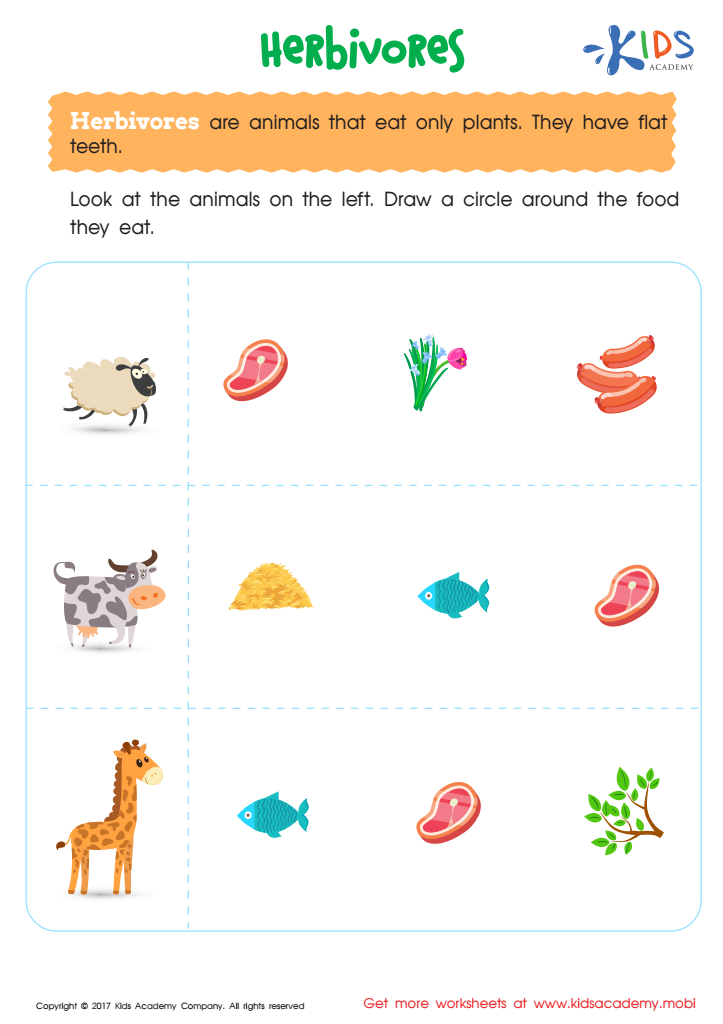
Herbivores Printable
Strengthen their vocab with these fascinating creatures, as they explore an intriguing aspect of beloved animals.
 Assign to My Students
Herbivores Printable
Worksheet
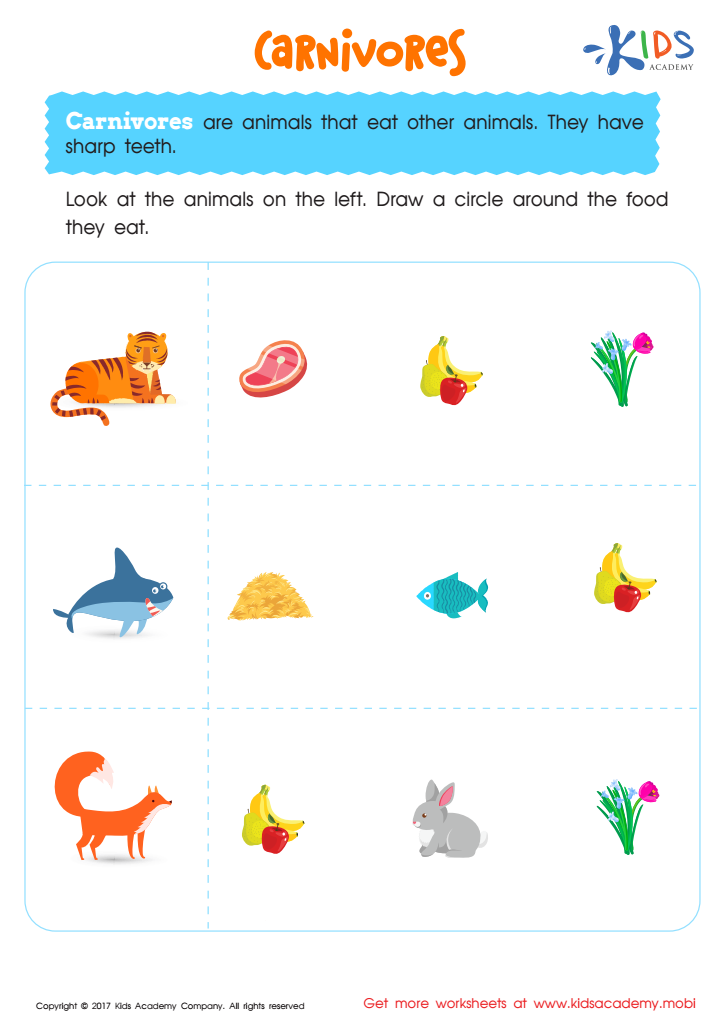
Carnivores Worksheet
Boost their vocabulary and help them explore the incredible world of carnivores.
Carnivores Worksheet
Worksheet
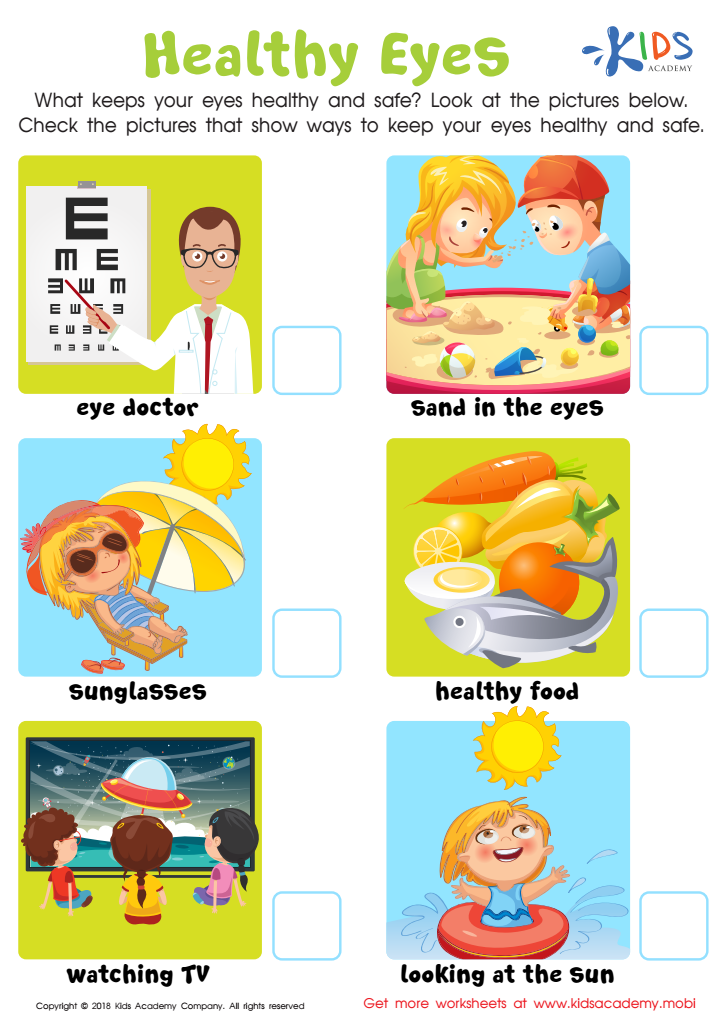
Healthy Eyes Worksheet
Does your child know how to care for their eyes? Help them understand with this worksheet. Look through the pictures together and discuss the different ways to keep the eyes healthy and safe. These include visits to the doctor, wearing sunglasses, and eating healthy food.
Healthy Eyes Worksheet
Worksheet
Join Kids Academy for Free
Who is primarily going to use this learning content?







Reading comprehension in the context of Life Science is crucial for young children aged 3-4 because it builds foundational skills that will support their future learning and understanding of the world. At this developmental stage, children are innately curious and eager to explore their environment. Integrating Life Science topics like plants, animals, and simple ecological principles into reading activities capitalizes on their curiosity and instills a love for learning.
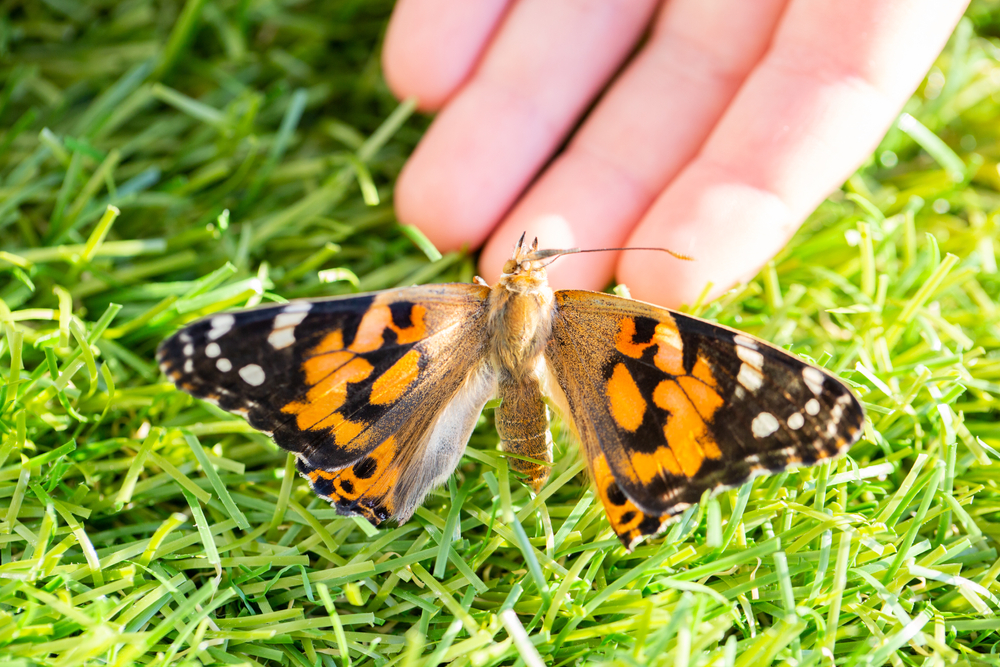
Parents and teachers should care about this because early exposure to life sciences through stories and picture books helps develop critical thinking and problem-solving skills. When children comprehend texts about caterpillars turning into butterflies or seeds growing into plants, they begin to grasp the basics of life cycles, growth, and change. This not only enhances vocabulary and language skills but also encourages observational skills and empathy for living things.
Additionally, reading comprehension in Life Science at this age lays the groundwork for interdisciplinary learning. Understanding scientific concepts through engaging narratives can spark interest in multiple subjects such as math, art, and geography. Since early cognitive development is strongly influenced by interactive and hands-on activities, parents and teachers can nurture a child’s natural inquisitiveness, setting up a strong educational foundation and fostering lifelong intellectual curiosity.








