Plant identification Plants and Animals Worksheets for Ages 3-4
3 filtered results
Difficulty Level
Grade
Age
-
From - To
Subject
Activity
Standards
Discover the joy of nature with our Plant Identification Worksheets for Ages 3-4! Designed to engage your little explorers, this collection encourages curiosity about plants and animals through interactive activities. Each worksheet features vibrant illustrations and simple descriptions, helping young learners recognize various plants in their environment. Children will enhance their observational skills while developing a love for the natural world. Perfect for parents and educators, these fun-filled resources support early science learning and encourage meaningful discussions about nature. Explore, identify, and learn together with these delightful worksheets that spark imagination and creativity in your child's learning journey!
Favorites
With answer key
Interactive
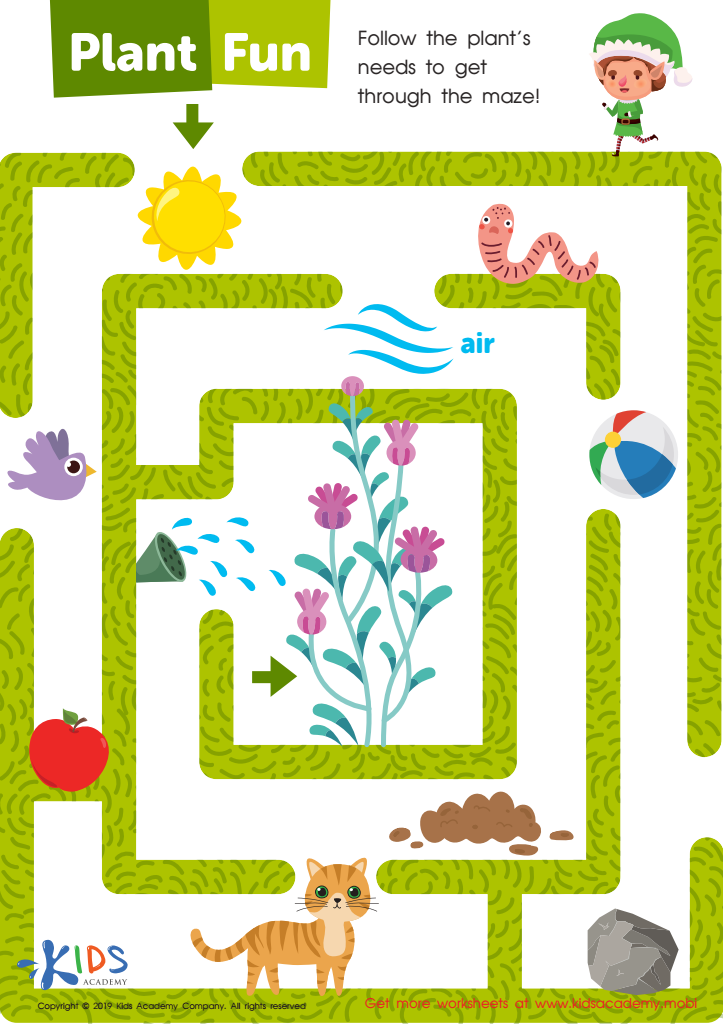
Plant Fun Worksheet
Engage your kid's mind by playing a learning maze! Ask them what plants do for us and what we need to do for the plants to help them grow. Then, help them find their way out of the maze while following the things that plants need.
Plant Fun Worksheet
Worksheet
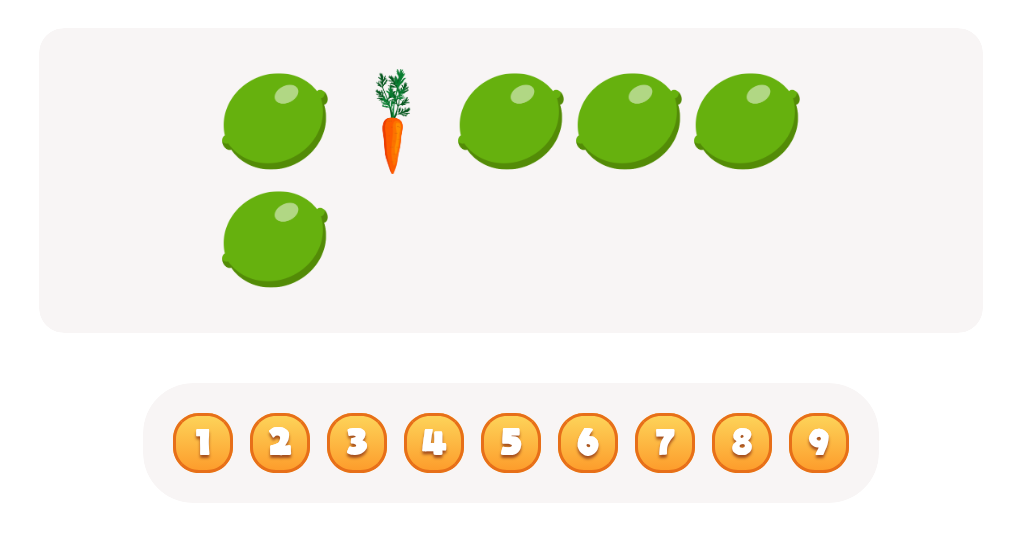


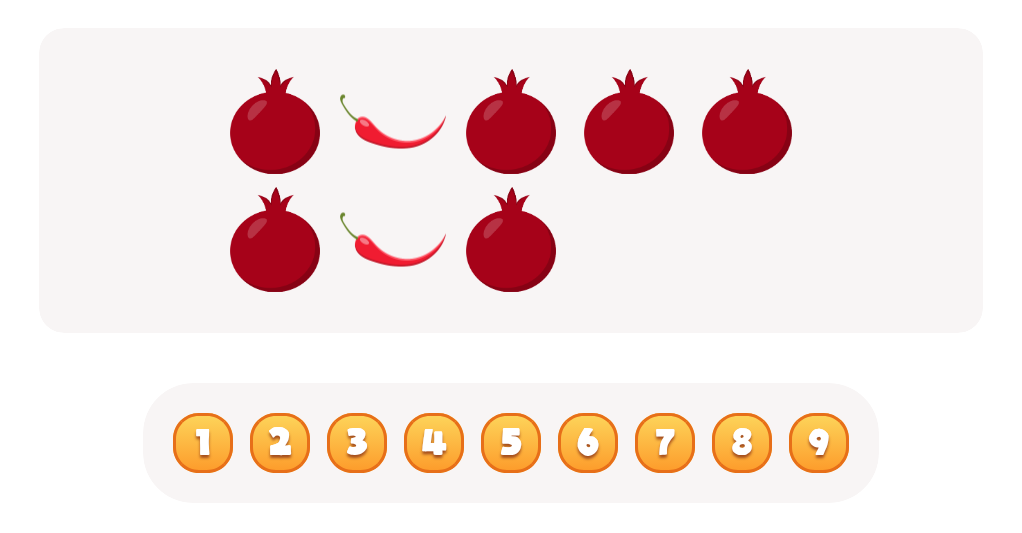
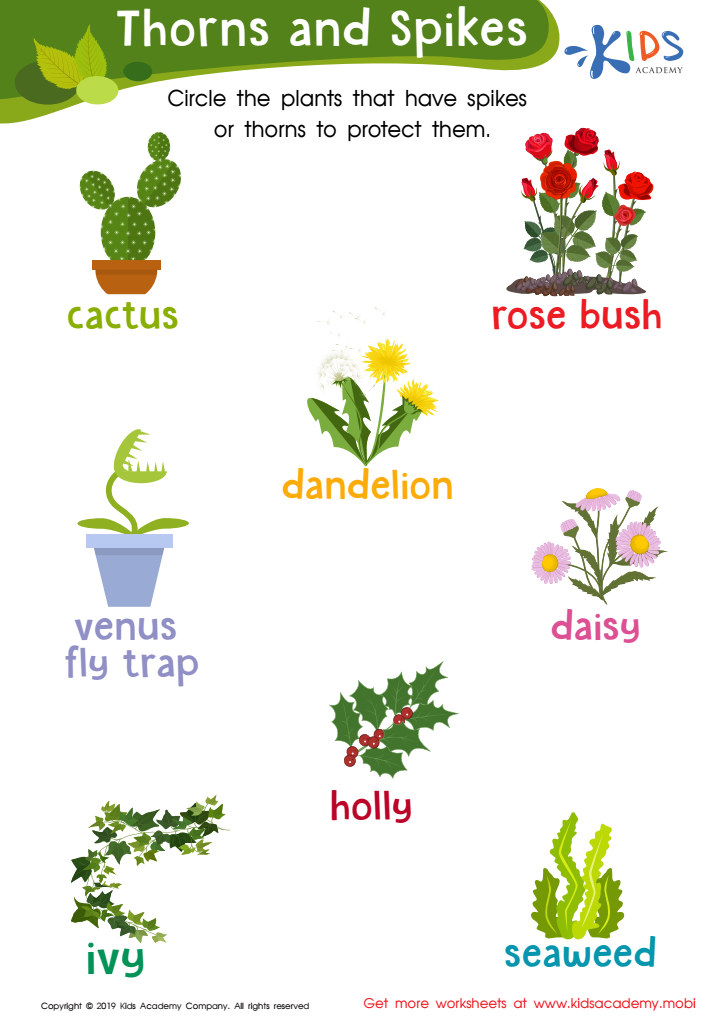
Thorns and Spikes Worksheet
Can your students name and identify the plants and flowers in this worksheet? Ask them to read out the names and circle the ones with spikes or thorns. Help them appreciate nature's beauty and understand how plants protect themselves.
Thorns and Spikes Worksheet
Worksheet
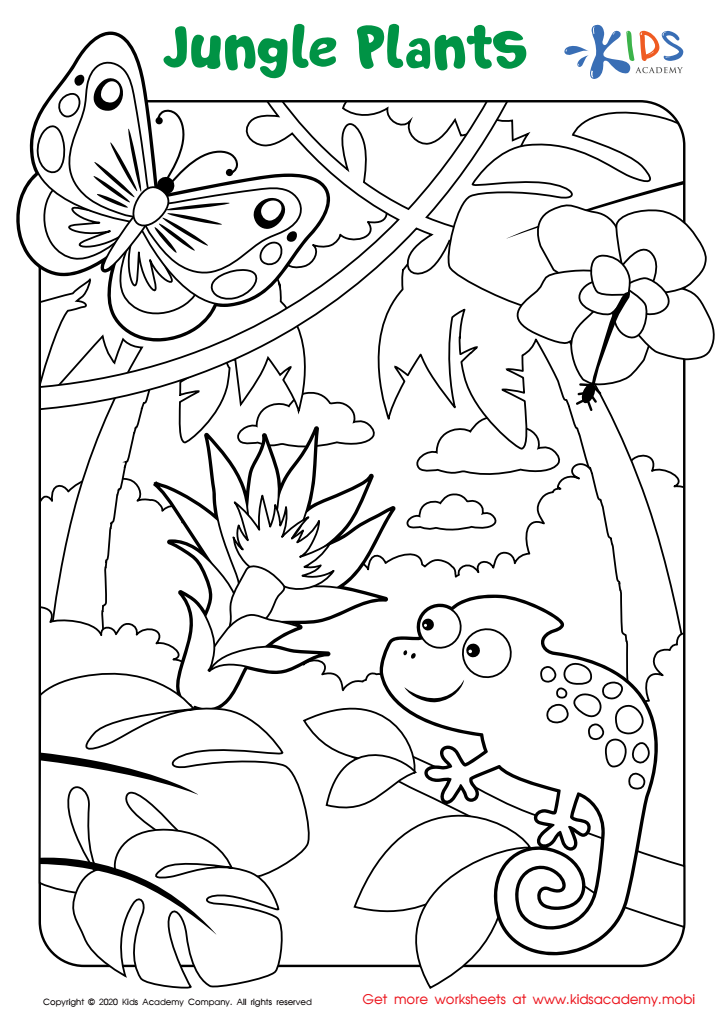
Jungle Plants Worksheet
Coloring pages can be fun and educational for kids! Print this adorable jungle worksheet with plants, a butterfly, and a lizard. Ask preschoolers to choose colors to bring the scene to life, while discussing rainforest plants and animals.
Download (PDF)
 Assign to My Students
Assign to My Students
Jungle Plants Worksheet
Worksheet
Join Kids Academy for Free
Who is primarily going to use this learning content?





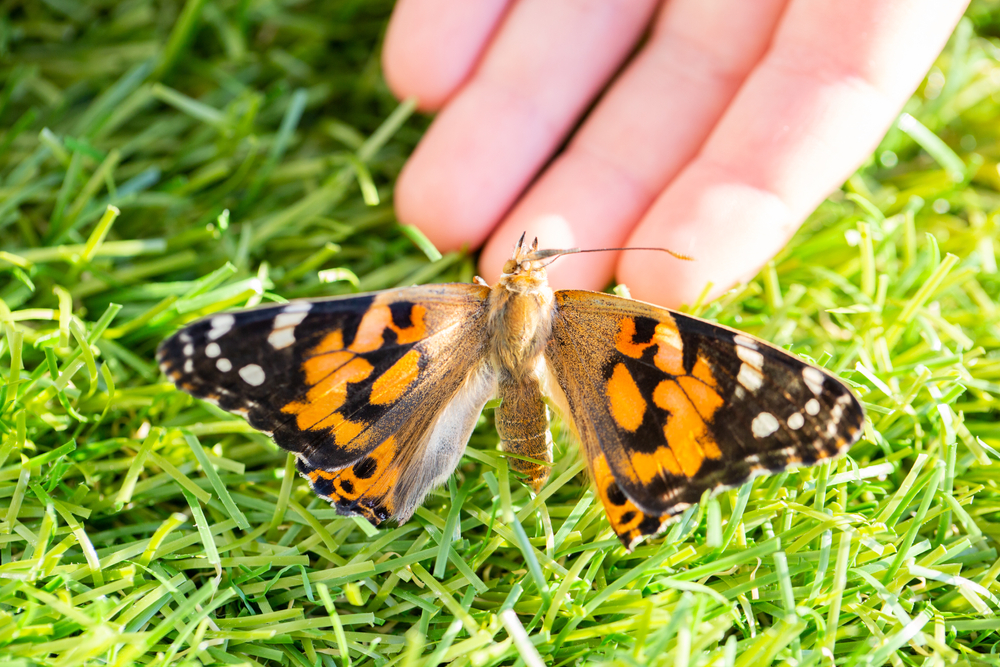


Plant identification is an essential activity for children aged 3-4, as it fosters an early appreciation for nature and encourages curiosity about the environment. Engaging young learners in recognizing various plants and animals helps them develop observational skills and enhances their cognitive development. By identifying different species, children can better understand their surroundings, promoting ecological literacy from a young age.
This activity also encourages imaginative play and storytelling, as children can create narratives around the plants and animals they discover. Furthermore, hands-on experiences in nature can support fine and gross motor skills, as children explore their environment by touching, gathering, and sometimes planting.
Parents and teachers should prioritize plant identification because it lays the foundation for future learning about ecosystems, biodiversity, and sustainability. By cultivating a sense of wonder about nature, children may develop a lifelong commitment to environmental stewardship.
Moreover, these interactions can lead to discussions about responsibility and care for living things, which are key components of social and emotional development. Overall, fostering an early connection to nature through plant identification will encourage children to explore, enjoy, and protect the world around them.