Sentence construction Writing Worksheets for Ages 3-4
5 filtered results
-
From - To
Introduce your little ones to the exciting world of sentence construction with our engaging worksheets designed specifically for ages 3-4! These fun, interactive activities encourage preschoolers to build essential writing and language skills. Each worksheet offers a variety of colorful pictures and language prompts, helping children learn to create simple sentences. By practicing with these age-appropriate exercises, kids enhance their vocabulary, improve comprehension, and develop fine motor skills—all while having fun! Perfect for home or classroom use, our sentence construction writing worksheets make learning enjoyable and effective. Start your child's writing journey today and watch their creativity flourish!
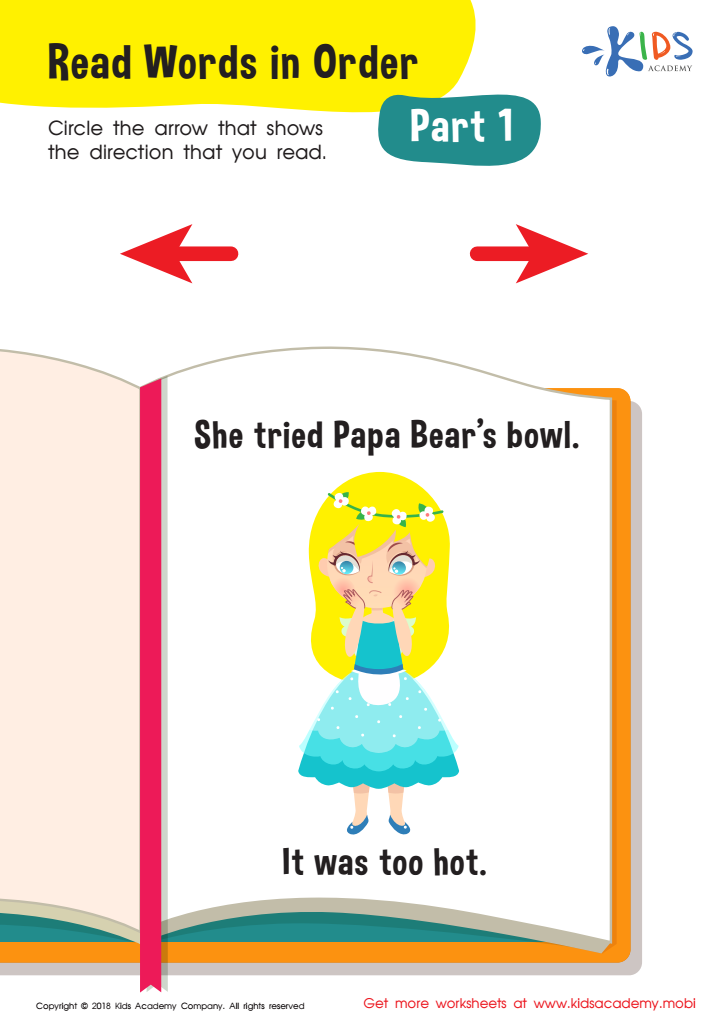
Read Words Order Part 1 Worksheet
 Assign to My Students
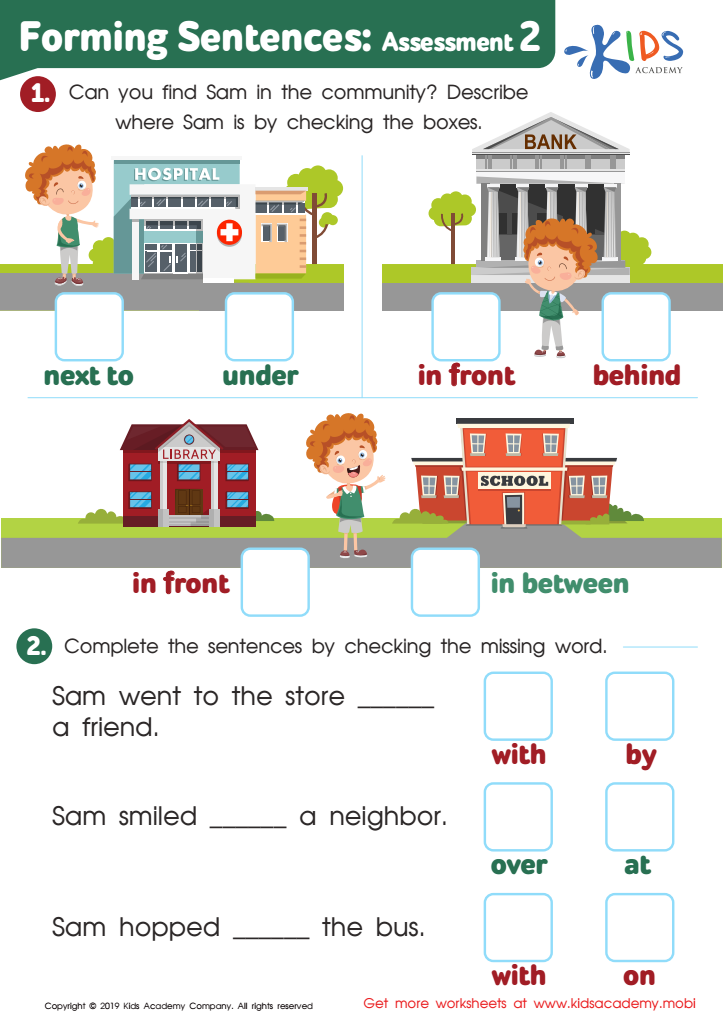
Forming Sentences: Assessment 2 Worksheet
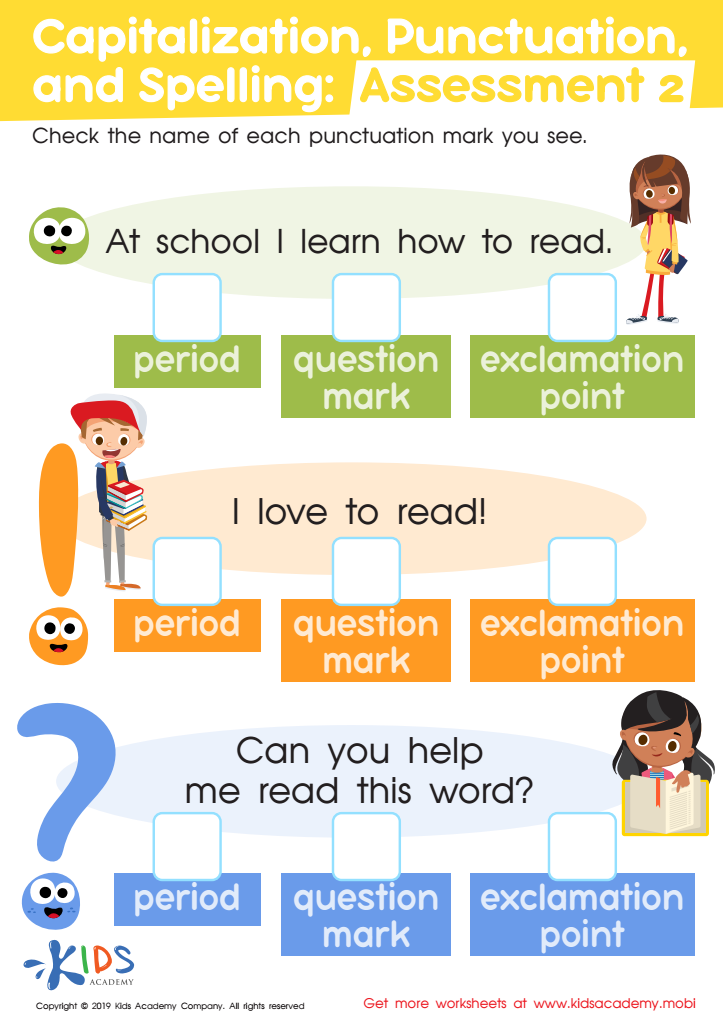
Capitalization. Punctuation. Spelling: Assessment 2 Worksheet
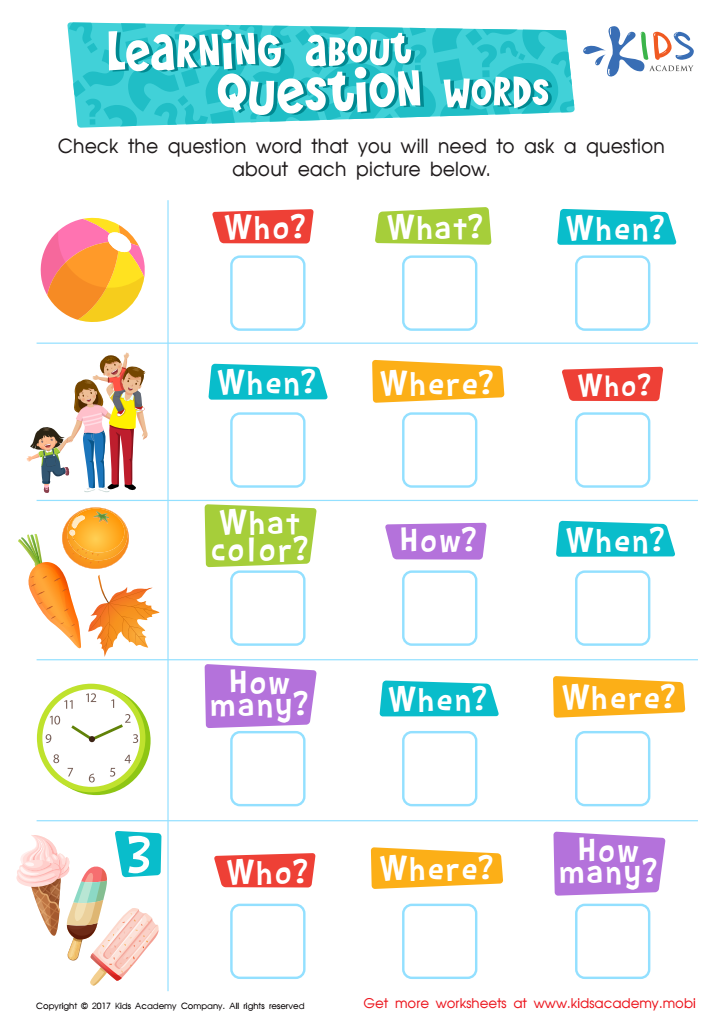
Learning about Question Words Worksheet
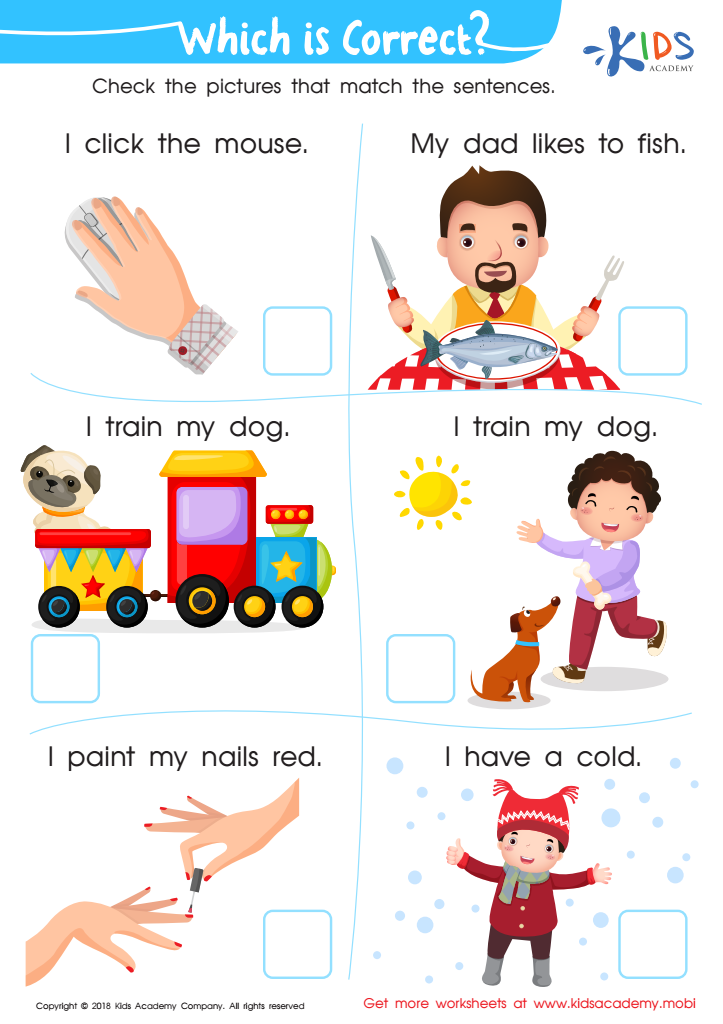
Which Is Correct? Worksheet








Sentence construction is a fundamental skill for young children, particularly for ages 3-4, as it serves as the building block for effective communication. Parents and teachers should care about this stage of writing because it lays the groundwork for literacy development and language acquisition. At this age, children are beginning to explore language and its structures, making it an ideal time to introduce them to the concepts of sentences, including subjects, verbs, and objects.
Fostering sentence construction helps enhance critical thinking skills, as children learn to organize their thoughts and express themselves clearly. It encourages creativity and imagination, enabling them to craft stories or share experiences, which boost their confidence. Additionally, developing strong sentence-writing skills at an early age can positively impact reading proficiency, as children become more familiar with sentence patterns and structures they will encounter in books.
Furthermore, engaging in sentence construction activities can strengthen the parent-child and teacher-student bond, as these interactions provide opportunities for shared learning and communication. Ultimately, prioritizing sentence writing at this young age prepares children for academic success and effective interpersonal communication throughout their lives.








