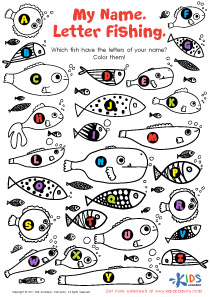
Alphabet tracing ABC Order Worksheets for Ages 3-5
6 filtered results
-
From - To
Welcome to our Alphabet Tracing ABC Order Worksheets, specially designed for children aged 3-5! These engaging worksheets combine fun and learning, helping young learners develop essential skills. By tracing letters, kids enhance their fine motor skills while mastering the alphabet order. Our worksheets are colorful, interactive, and perfect for pre-kindergarten or preschool activities. Each page encourages children to recognize uppercase and lowercase letters, fostering a solid foundation for reading and writing. Whether in the classroom or at home, these tracing activities will make learning the alphabet a delightful experience. Discover the joy of learning with our ABC Order Worksheets today!
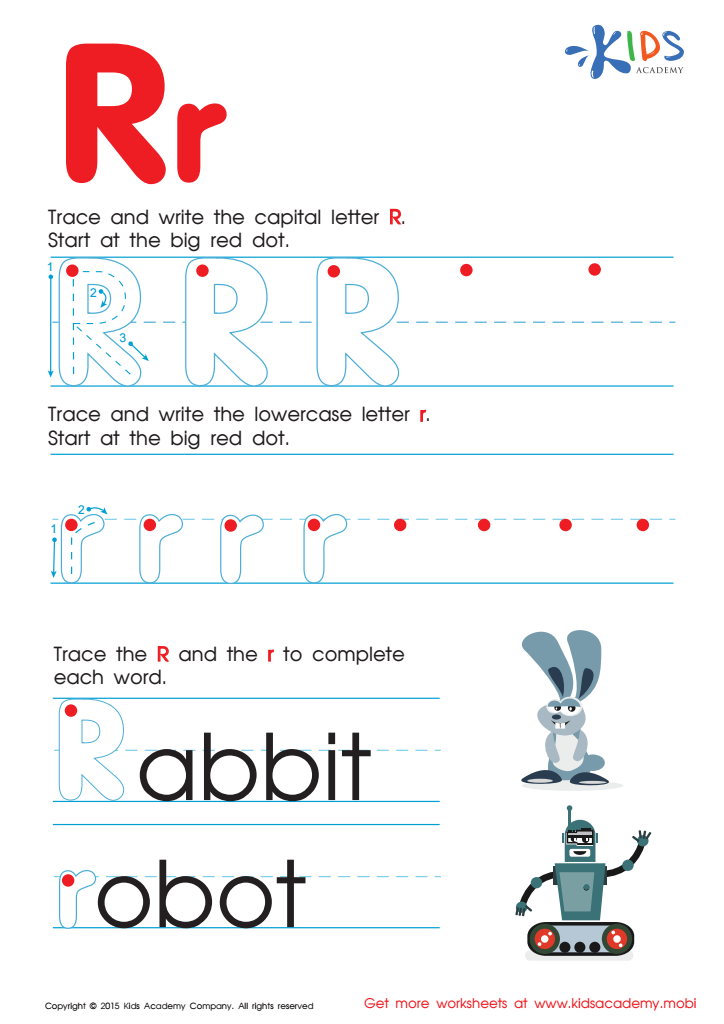
Letter R Tracing Page
 Assign to My Students






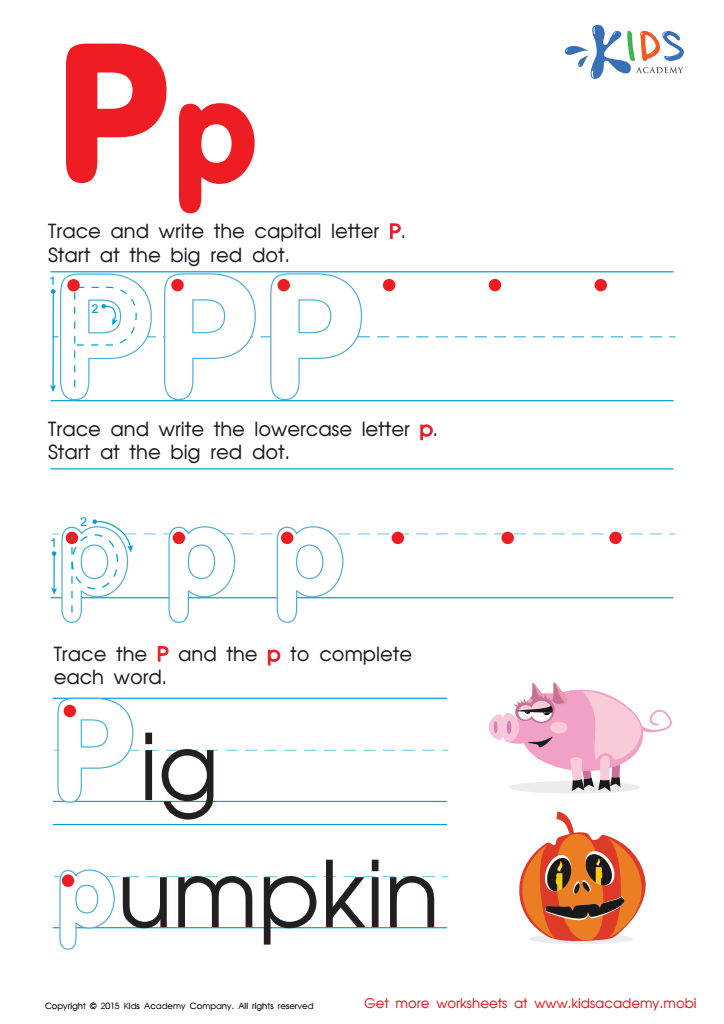
Letter P Tracing Page
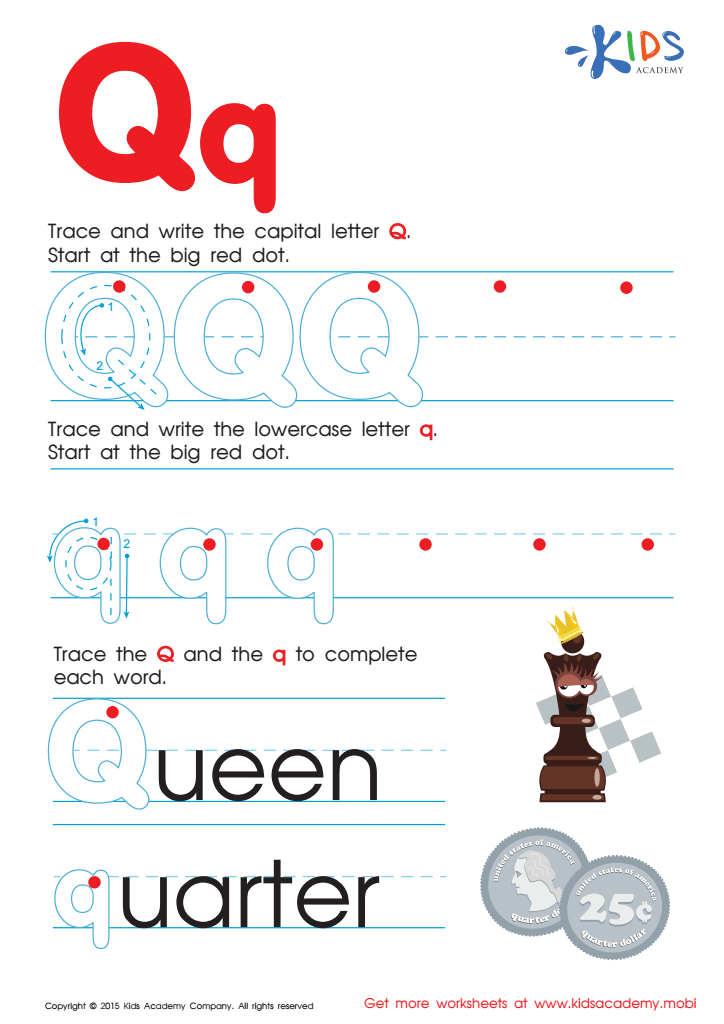
Letter Q Tracing Page

Letter H Tracing Page
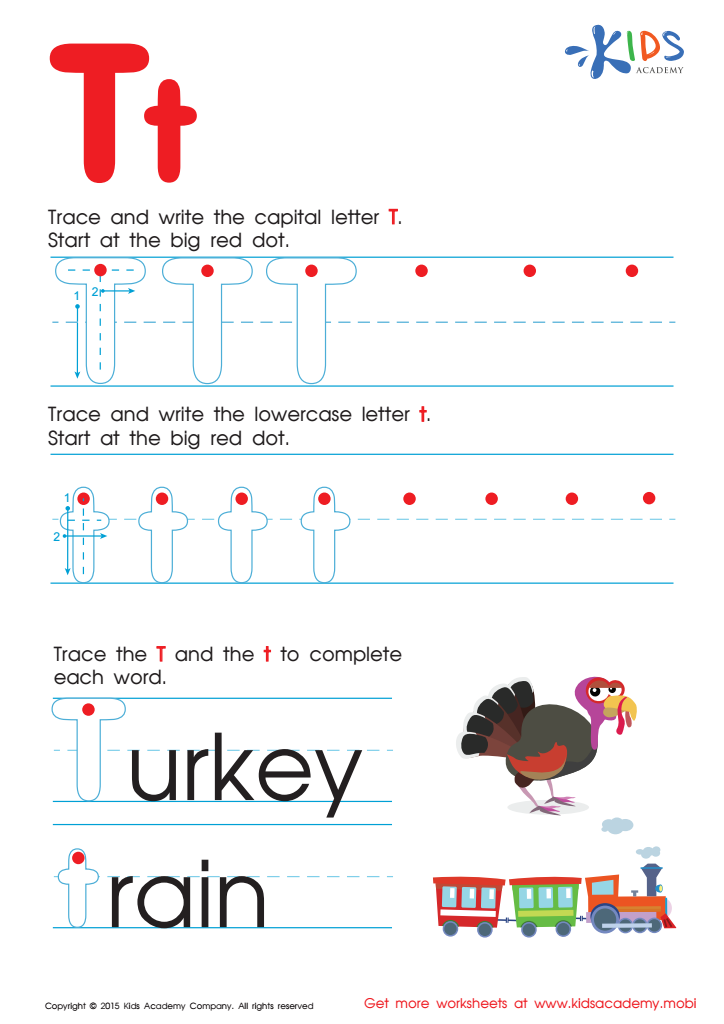
Letter T Tracing Page

Letter D Tracing Page








Alphabet tracing in ABC order is vital for children aged 3-5, as it lays the foundation for literacy skills. During these formative years, children are honing their fine motor skills, hand-eye coordination, and muscle memory, which are essential for writing. Tracing helps them control their pencil grip and develop the strength needed to form letters independently.
Understanding the order of the alphabet is crucial in numerous educational contexts, such as reading, spelling, and even organizing information. When children become familiar with ABC order, they are better equipped to recognize letters when they encounter them in books or educational materials. This familiarity fosters confidence in literacy activities, encouraging a love for reading and writing.
Moreover, engaging with the alphabet through tracing activities can be fun and interactive, making learning enjoyable. Such activities can be complemented by songs, games, and stories to create a multi-faceted learning experience.
For parents and educators, promoting alphabet tracing reinforces their role in supporting early childhood development and preparing children for future academic success. By prioritizing these skills, they help cultivate lifelong learners and readers, paving the way for a smoother transition into more complex literacy tasks in subsequent school years.