Phonics practice Consonants Worksheets for Ages 3-5
4 filtered results
-
From - To
Introducing our engaging "Phonics Practice Consonants Worksheets" designed for children aged 3-5! These worksheets are perfect for young learners to develop their phonics skills as they explore the world of consonants. Each activity is tailored to encourage letter recognition, improve pronunciation, and enhance reading readiness through interactive and fun exercises. With vibrant illustrations and simple instructions, children will enjoy identifying, tracing, and writing consonant letters. Our resources support early literacy development, making learning enjoyable and effective. Help your child build a strong foundation in phonics with our carefully crafted worksheets that foster a love for reading from an early age!
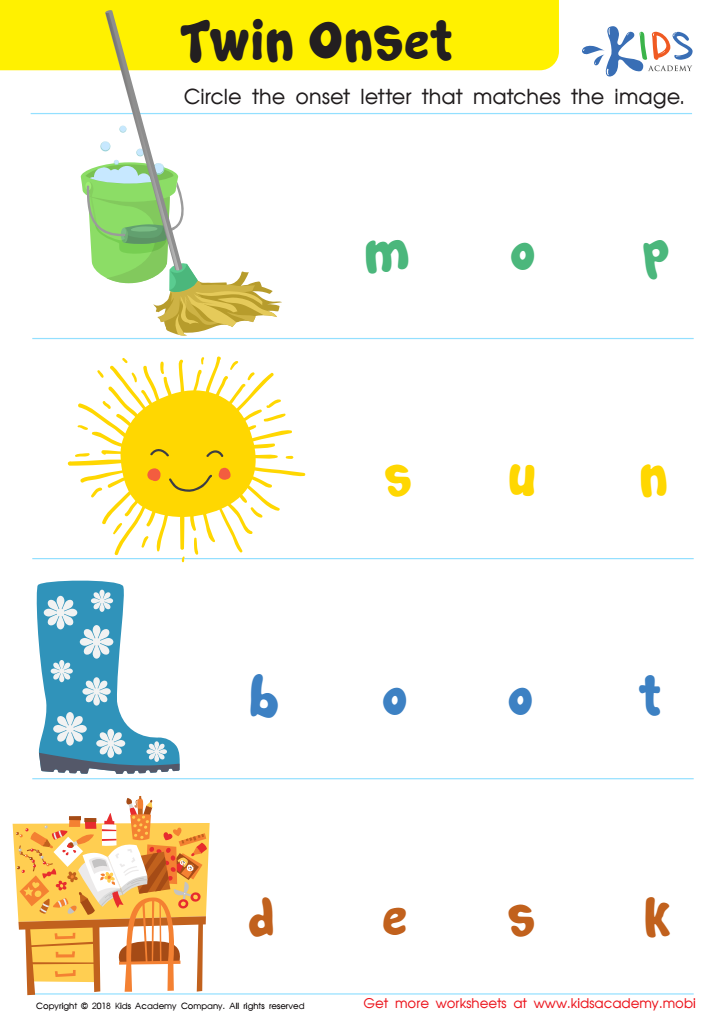
Twin Onset Worksheet
 Assign to My Students
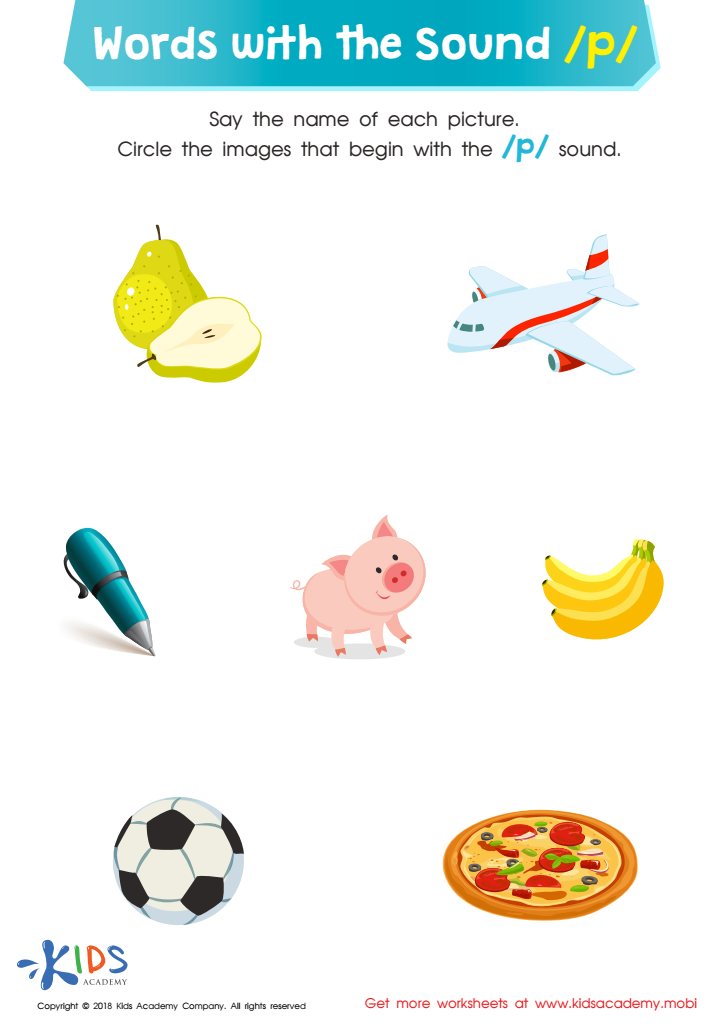
Words with sound p Reading Worksheet
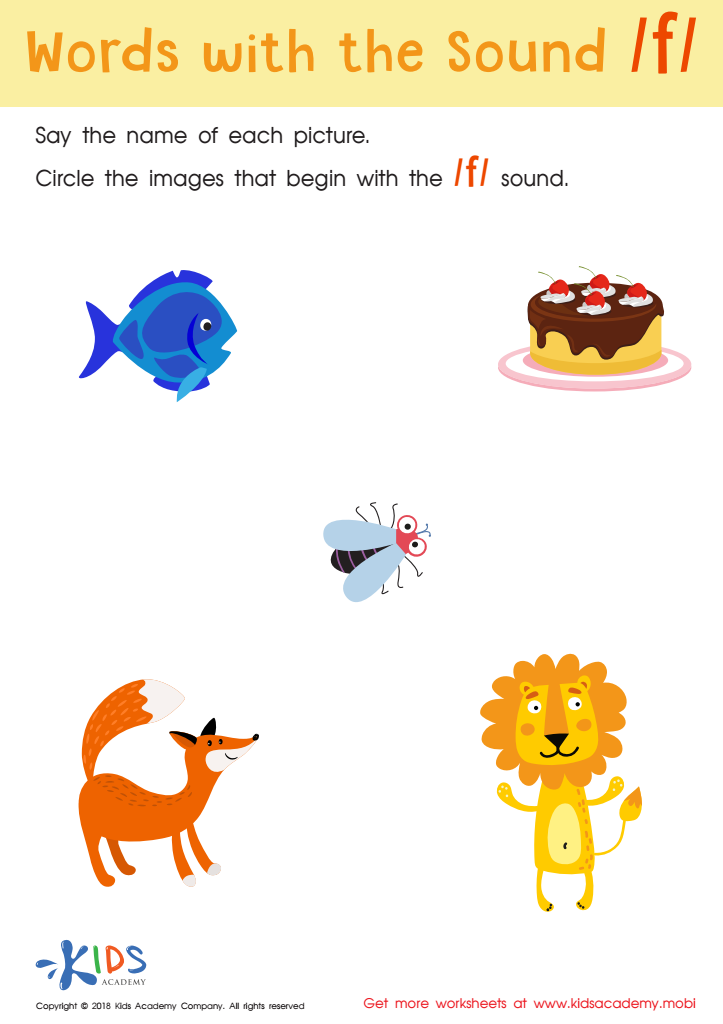
Words with sound f Reading Worksheet
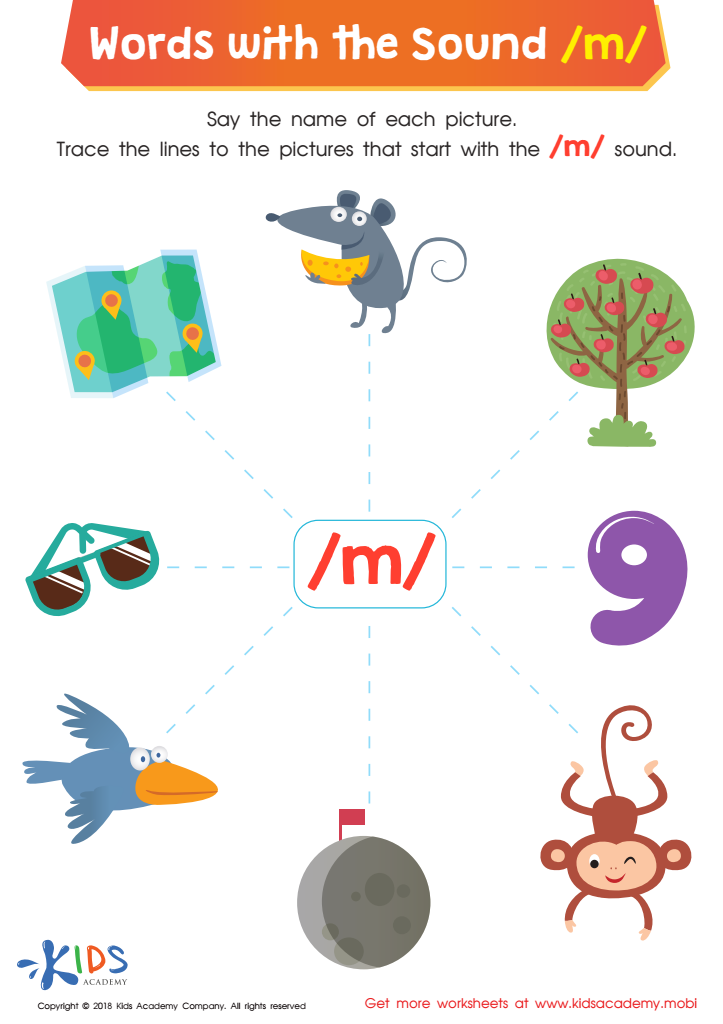
Words with Sound M Reading Worksheet



Parents and teachers should prioritize phonics practice focused on consonants for children ages 3-5 because it lays the foundation for early literacy and language development. Understanding consonants helps young learners recognize the sounds that make up words, which is crucial for reading and writing skills. As children learn to identify and articulate consonant sounds, they strengthen their ability to decode words, paving the way for successful reading experiences.
Moreover, phonics practice enhances oral language skills, as children become more confident in their ability to express themselves and engage in conversations. Activities that involve consonants can also promote letter recognition, aiding in phonemic awareness—the ability to hear, identify, and manipulate sounds. The connection between sounds and letters fosters a love of reading and improves vocabulary.
Additionally, investing time in phonics builds a child's cognitive abilities, promoting memory, attention, and auditory discrimination. These skills not only support literacy but also enhance overall learning across subjects. When parents and teachers focus on phonics, they create a strong base for future educational success, equipping children with essential skills that will benefit them in all areas of learning and allow them to thrive in an increasingly literate world.







