Nurturing early childhood development, our Fine Motor Skills Development Alphabet Worksheets are tailored for ages 3-5. These engaging printables seamlessly blend alphabet learning with crucial fine motor skill activities. As kids trace letters, they'll enhance hand-eye coordination, pencil grip, and control, laying a strong foundation for writing. Designed by experts, each worksheet captivates young learners with fun, interactive exercises that foster lifelong skills. Perfect for parents, teachers, and caregivers, these resources ensure an enjoyable educational experience, preparing children for future academic success. Unlock the joy of learning letters while boosting fine motor proficiency! Download now and watch your child thrive.

Check out this FREE Trial Lesson on Alphabet for age 3-5!

D

Favorites
With answer key
Interactive
  • 3-5
  • Fine motor skills development
  • Alphabet
I Stands High Worksheet Preview

I Stands High Worksheet

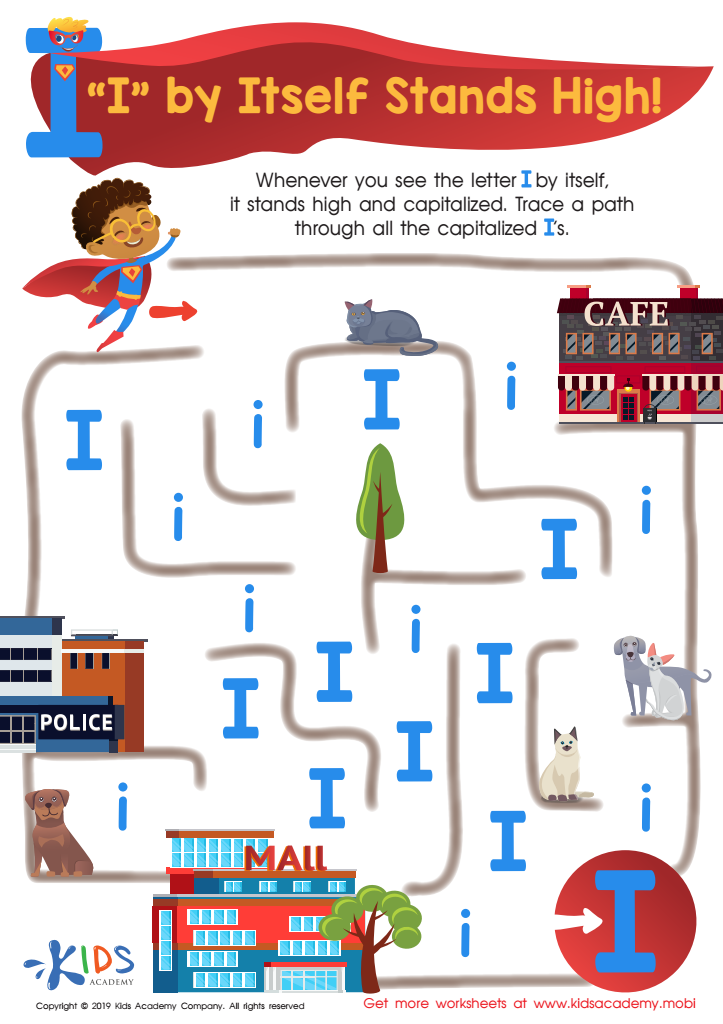
Kids can use their imagination to help a superhero find the uppercase 'I's on the 'I By Itself Stands High' worksheet. This helps children learn capitalization, and they can join the superhero in flying over a city of cats, dogs and buildings to locate the needed letters.
I Stands High Worksheet
Worksheet
Find Lowercase Letters j k l Worksheet

Find Lowercase Letters j k l Worksheet

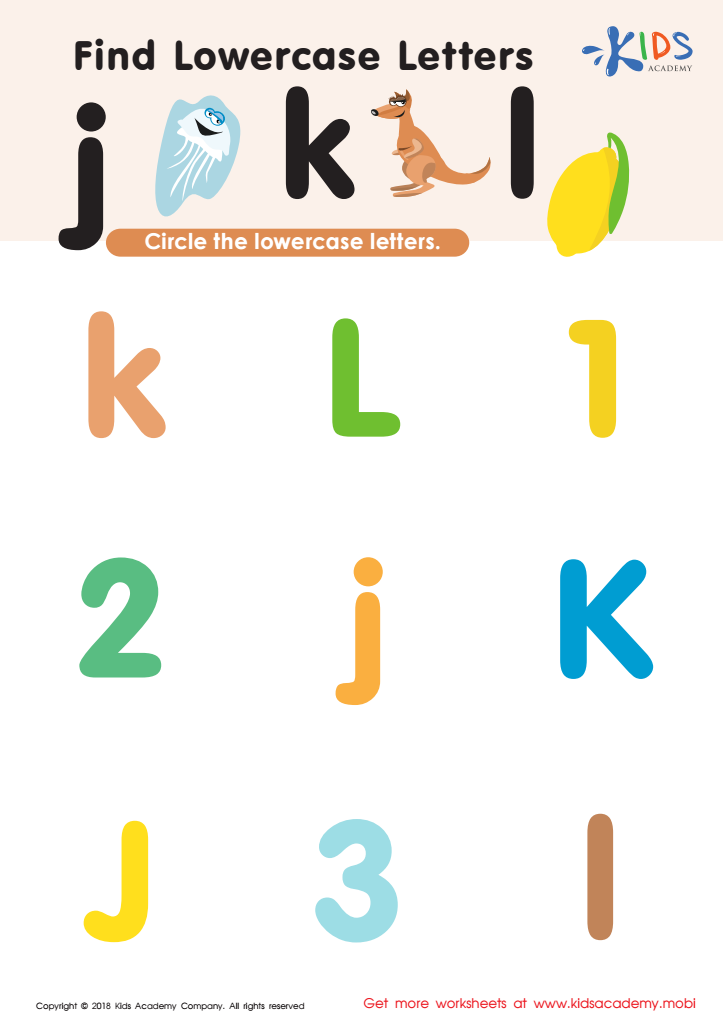
Help your child's brain develop and have fun at the same time! Find and circle the lowercase letters jkl in the worksheet full of uppercase letters and numbers. Colorful drawings and bright colors make this an engaging learning activity.
Find Lowercase Letters j k l Worksheet
Worksheet
Letters G-L Worksheet Preview

Letters G-L Worksheet

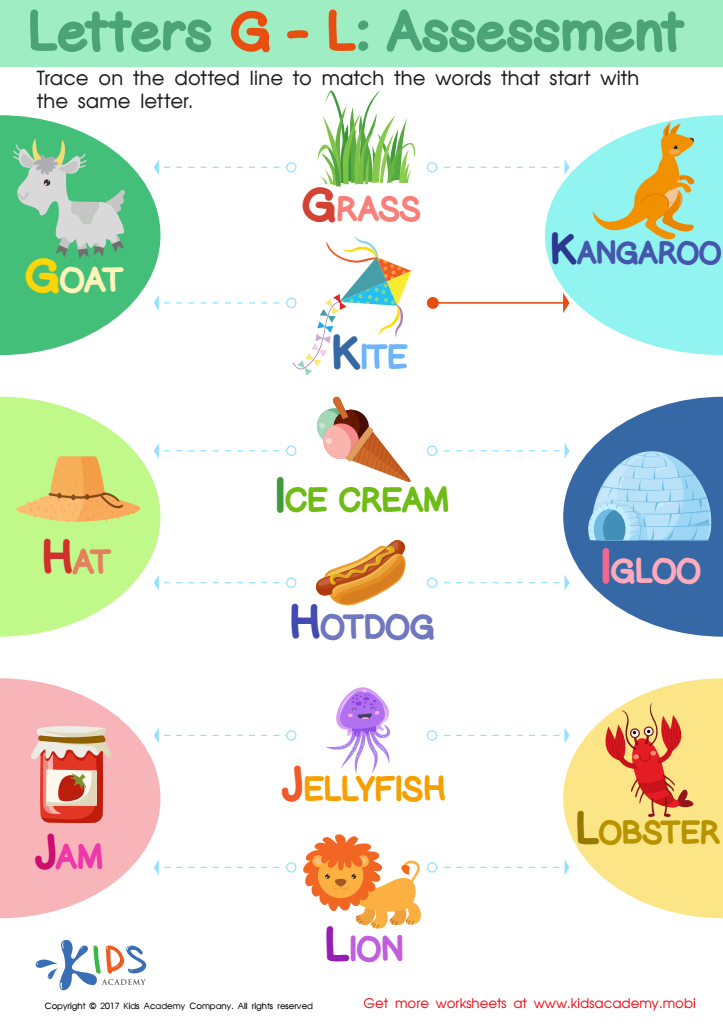
This fun worksheet helps preschoolers develop reading and phonics skills. It gets kids to match G-L words that start with the same letter, making it engaging and educational.
Letters G-L Worksheet
Worksheet
Letter J worksheets
Letter J worksheets

Letter J Tracing Page

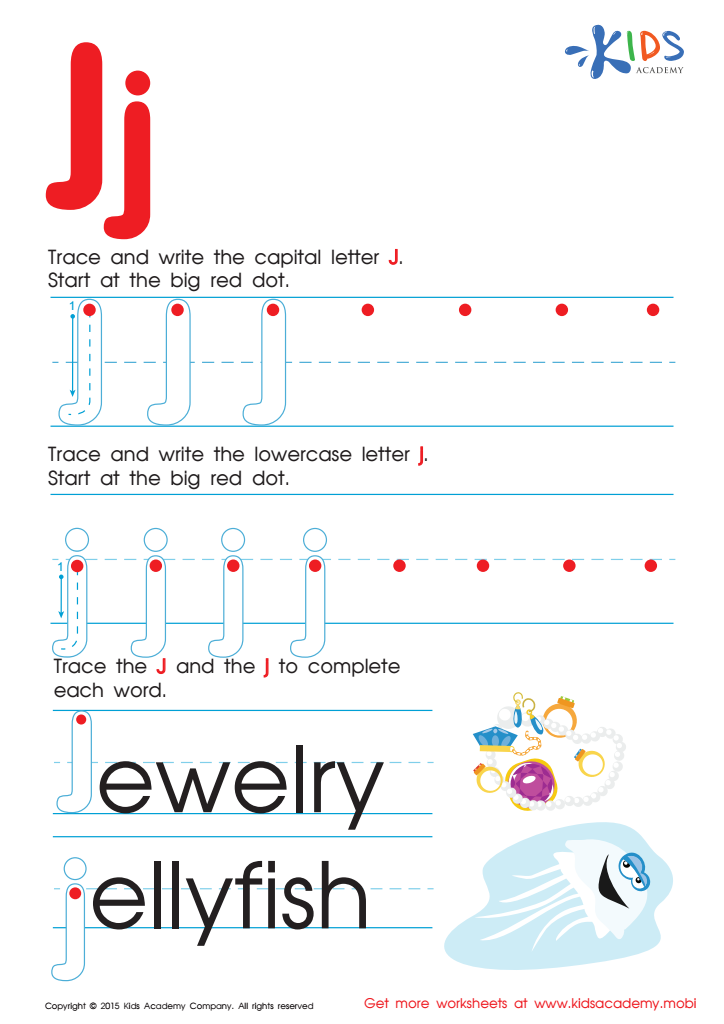
Trace and write the letter "J" with our ABC worksheet - start at the big red dot! Have fun completing words like jewelry, jellyfish and more. Check out our kindergarten activities for more alphabet practice.
Letter J Tracing Page
Worksheet
Letter D Coloring Page

Letter D Coloring Sheet

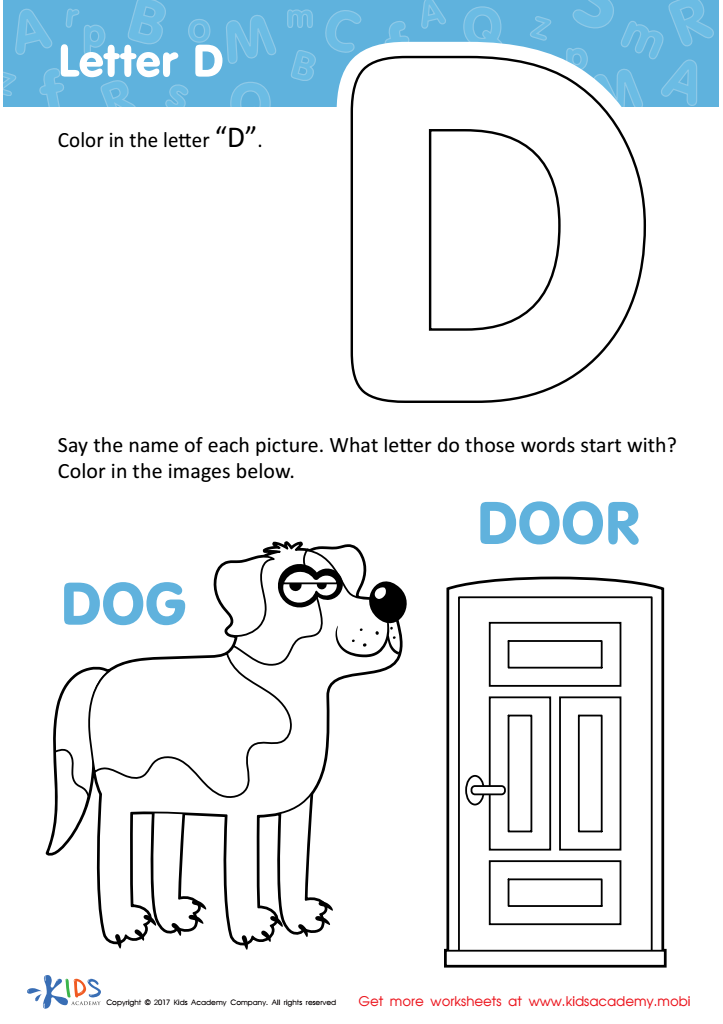
Coloring with this letter "D" page is a great way to encourage your child's creativity while they learn the letter "D" and its sound. It's a fun activity to stimulate their imagination!
Download (PDF)
Assign to My Students
Letter D Coloring Sheet
Worksheet
Uppercase Letters P, Q, and R Worksheet Preview

Uppercase Letters P, Q, and R Worksheet

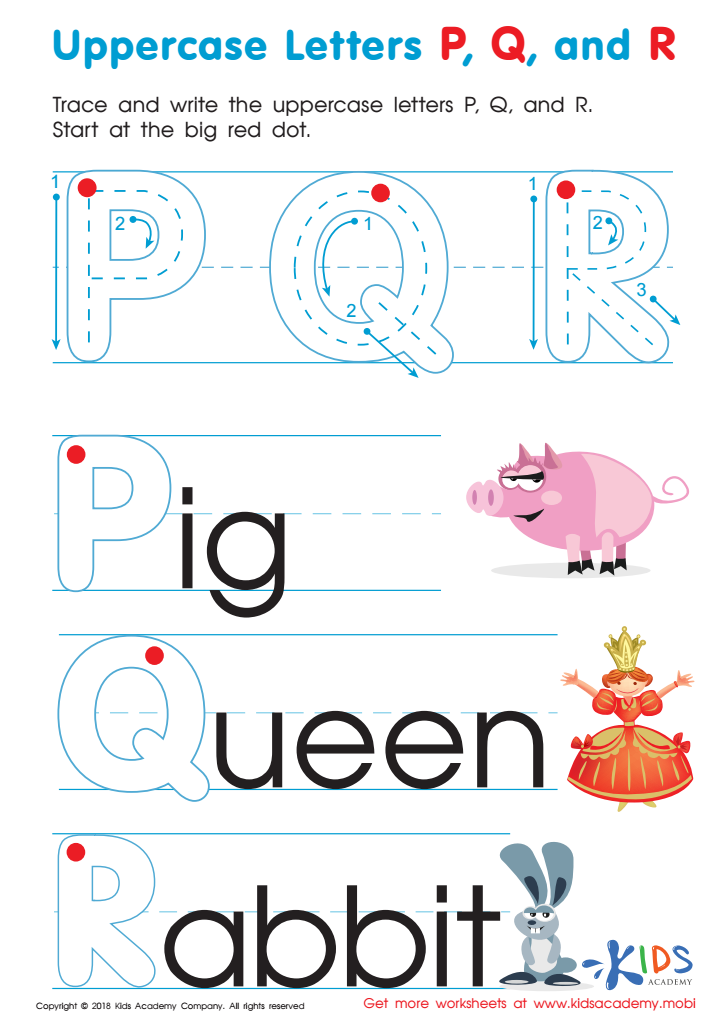
Cute images of a pig, queen and rabbit make it fun to learn letter sounds. Follow the arrows to learn the strokes, then trace each letter from the big red dot. Perfect for kids to learn how to read and write P, Q, and R!
Uppercase Letters P, Q, and R Worksheet
Worksheet
Tracing horizontal lines worksheet

Tracing Horizontal Lines Worksheet
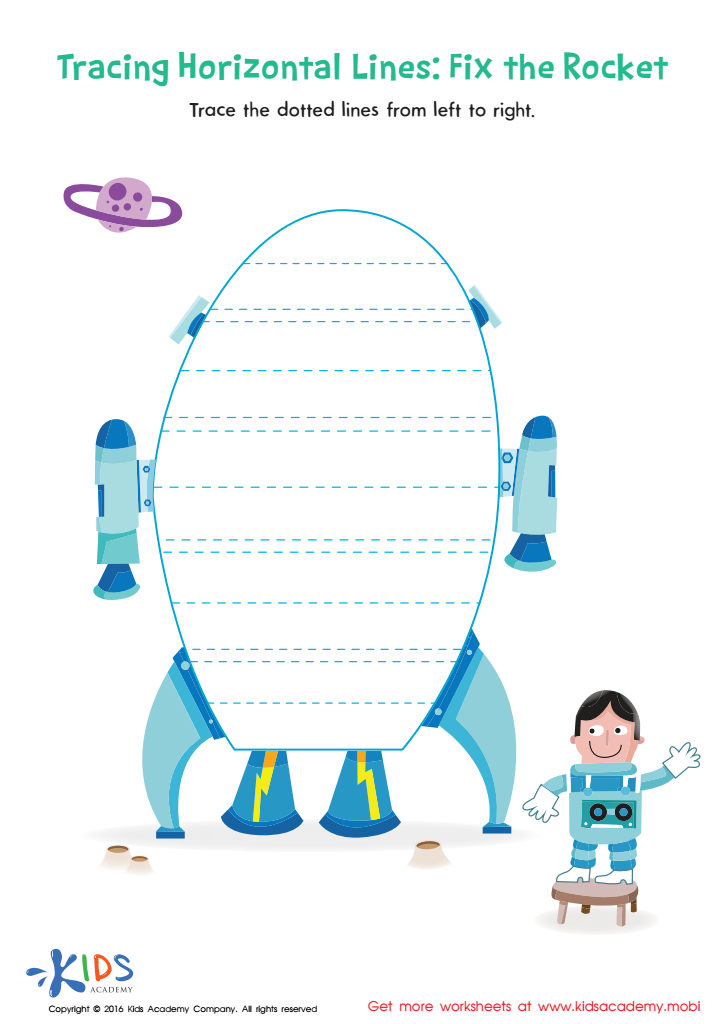
Your child can improve hand-to-eye coordination and pencil grip by tracing horizontal lines on this worksheet. They will have fun drawing lines on the rocket ship, tracing the dotted lines, and then coloring it in. Encourage them to keep going for even more enjoyment!
Tracing Horizontal Lines Worksheet
Worksheet
Letter L and P Tracing Worksheet Preview


Letter L and P Tracing Worksheet

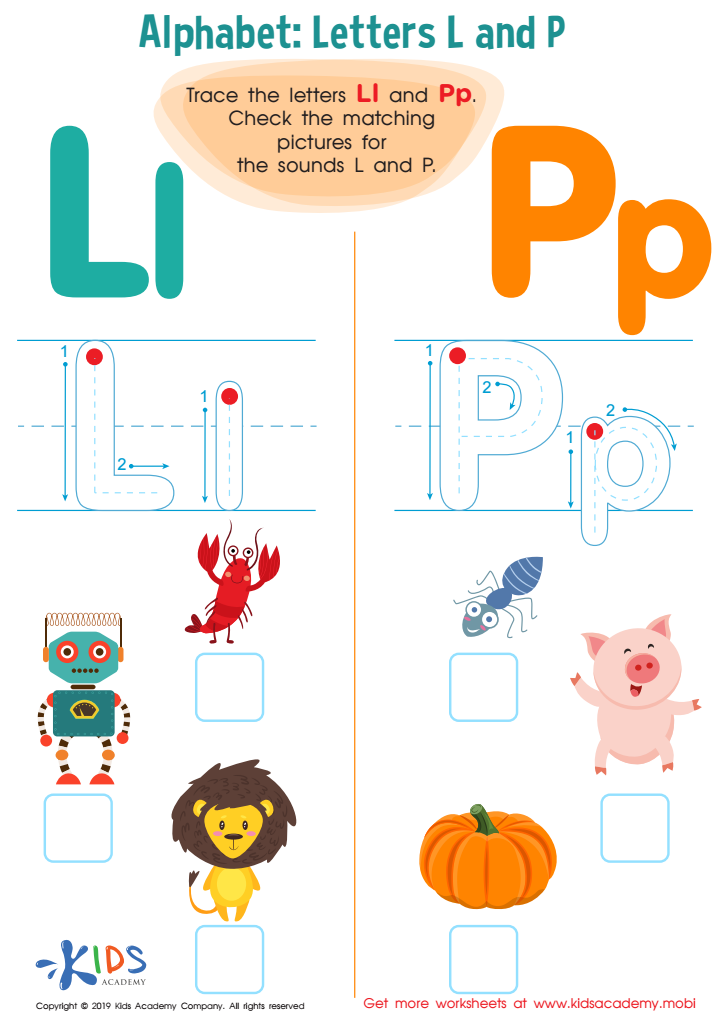
This traceable worksheet can motivate your students to learn and practice core skills. They'll trace the letters 'L' and 'P' and identify the pictures next to them. With this exercise, they'll unlock their learning abilities and excel in the subject!
Letter L and P Tracing Worksheet
Worksheet


Fine motor skills are crucial for young children, especially between the ages of 3-5, as they directly impact a child’s ability to perform everyday tasks and succeed in school. These skills involve the coordination of small muscles in the hands and fingers, facilitating precision and control needed for activities such as writing, drawing, and manipulating small objects. Understanding and practicing the alphabet during this developmental period enhances both fine motor skills and foundational literacy.

For parents and teachers, fostering fine motor skills through alphabet-based activities—such as tracing letters, using scissors to cut out letters, and playing with alphabet puzzles—serves a dual purpose. It not only prepares children for the educational demands of kindergarten and beyond but also boosts their self-confidence. When children proficiently manage tasks like holding a pencil or buttoning their clothes, they feel more capable and independent.

Furthermore, integrating fine motor skill development with alphabet recognition sets a solid prelude to reading and writing, making future literacy learning smoother. Vocabulary expansion, cognitive growth, and improved classroom interactions are some additional benefits. Therefore, prioritizing fine motor skill exercises that incorporate alphabet learning is essential for laying a robust educational foundation and overall growth in young children.