Motor skills development Alphabet Worksheets for Ages 3-5
5 filtered results
-
From - To
Boost your child's motor skills and alphabet knowledge with our engaging Motor Skills Development Alphabet Worksheets, designed specifically for ages 3-5. These interactive worksheets combine fine motor skill exercises with letter recognition, making learning enjoyable and effective. Your little ones will practice tracing, coloring, and connecting letters while enhancing their hand-eye coordination and dexterity. Perfect for preschool and kindergarten settings, our worksheets provide a solid foundation for early literacy and physical development. Help your child develop essential skills while keeping them entertained! Explore our variety of worksheets and watch your child excel in both motor skills and alphabet literacy.

Letter H Tracing Page
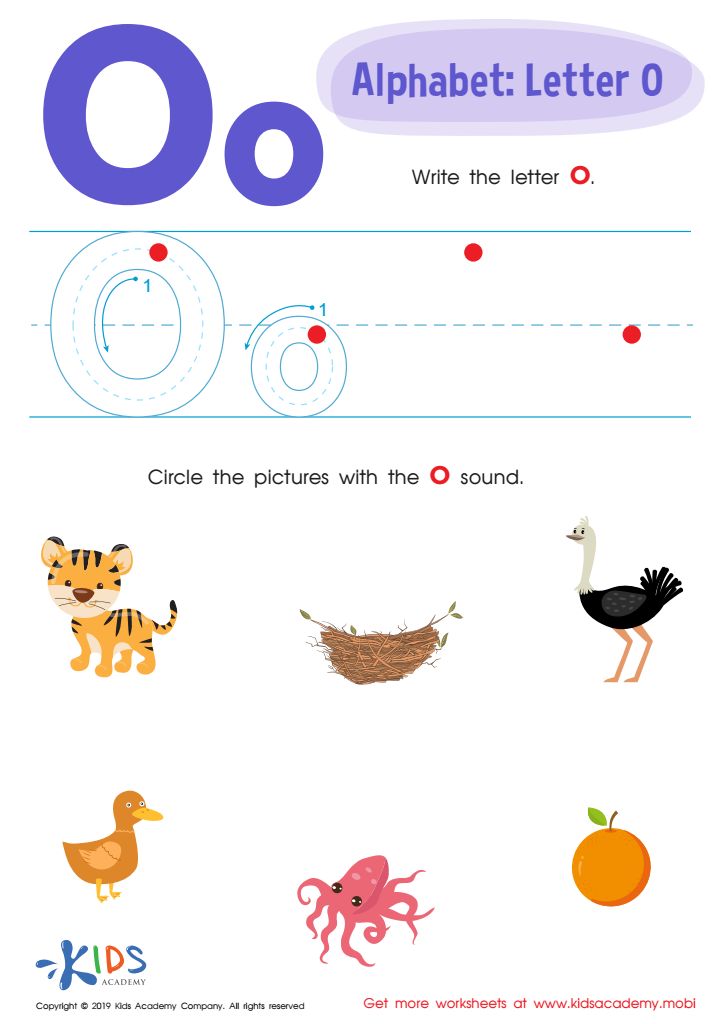
Letter O Tracing Worksheet
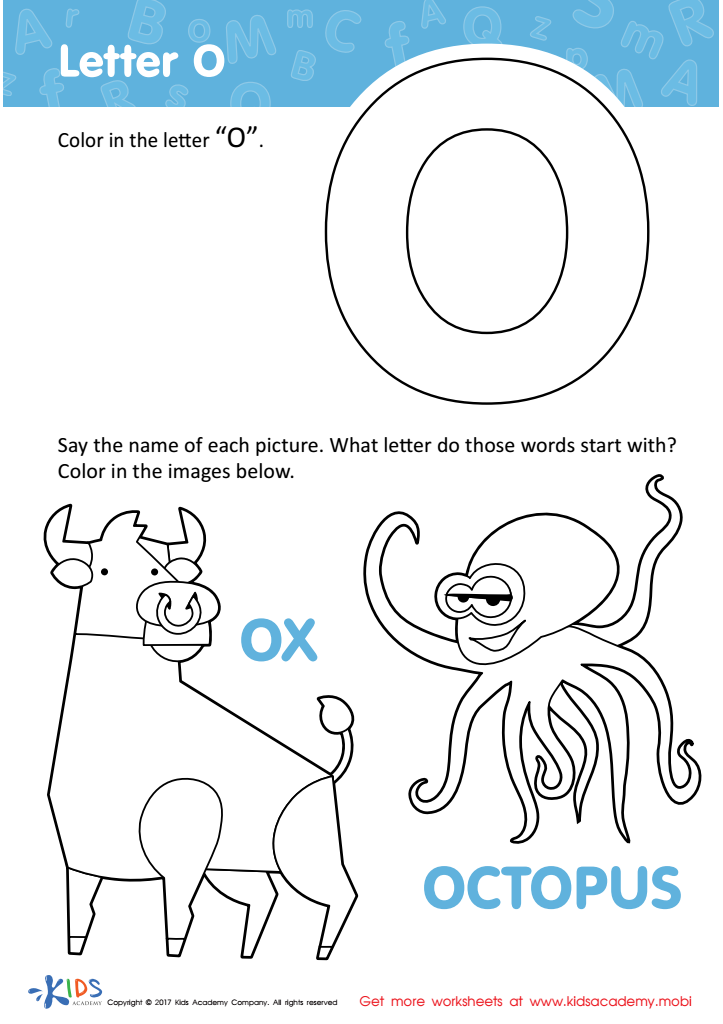
Letter O Coloring Sheet
 Assign to My Students
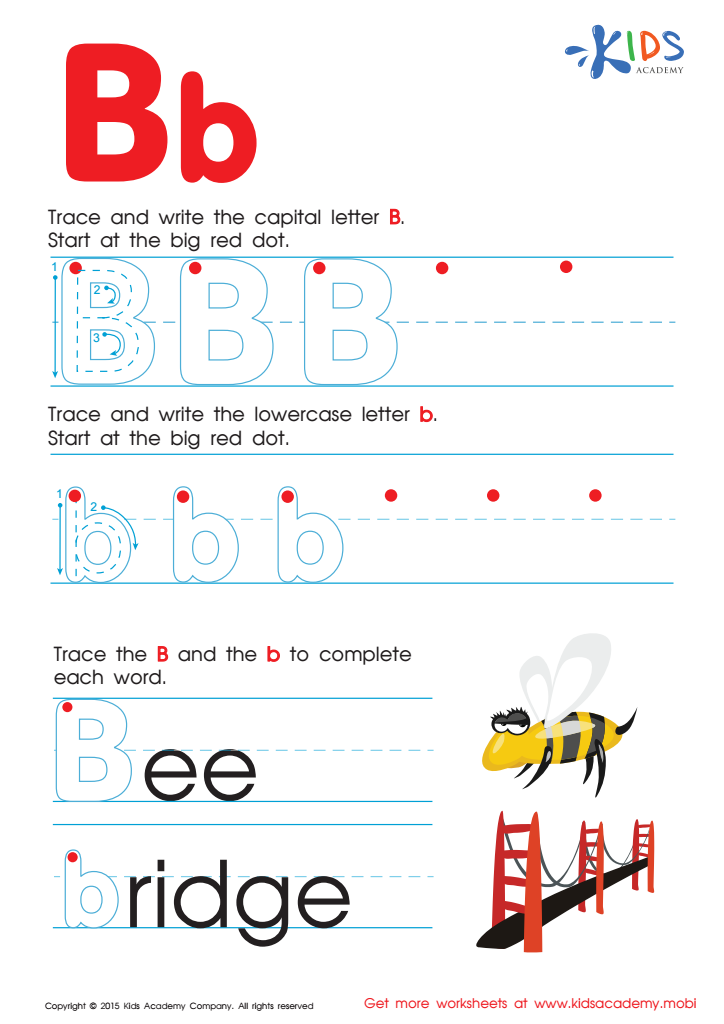
Letter B Tracing Page
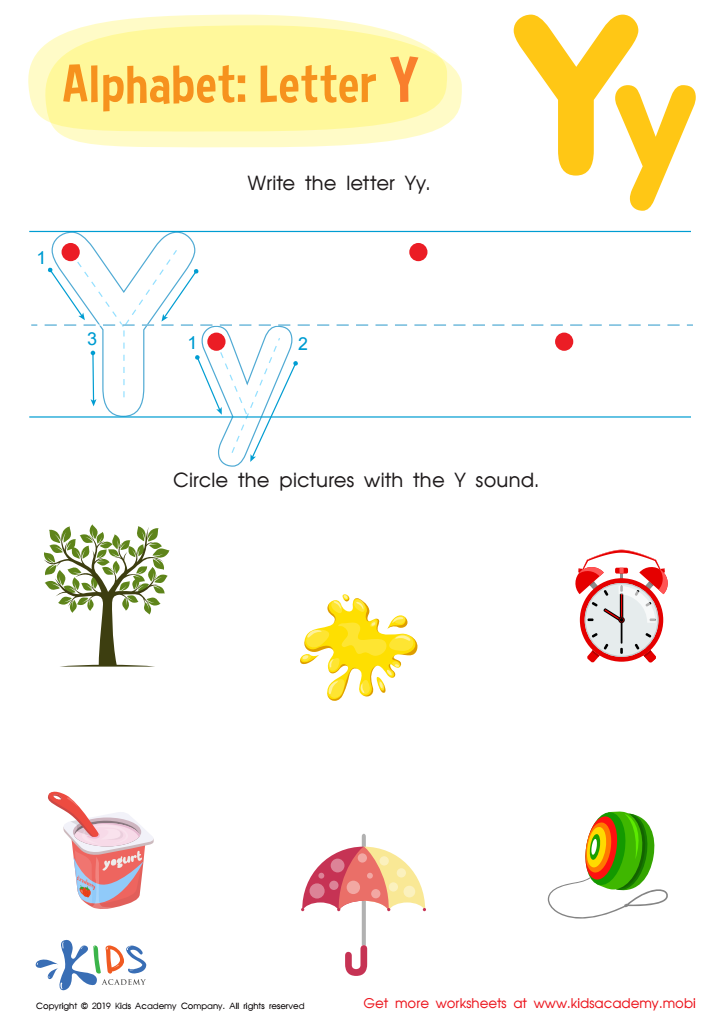
Letter Y Tracing Worksheet







Motor skills development is essential for children ages 3-5 as it lays the foundation for their overall growth and future learning. During this critical stage, children refine both fine and gross motor skills, which are vital for everyday activities. Fine motor skills, such as holding crayons and using scissors, enable children to engage in writing and crafting, essential for literacy and creativity. Gross motor skills include activities like running, jumping, and balancing, which are crucial for physical health and coordination.
Parents and teachers should prioritize motor skills development because these skills enhance children's independence, confidence, and social interactions. Children who master motor skills can participate more actively in group activities, follow along in action games, and manage self-care tasks, fostering self-esteem and a sense of competence.
Moreover, the Alphabet and early literacy skills are closely linked with motor development. When children practice writing letters, they not only learn how to produce letters physically but also develop critical thinking skills associated with communication and language understanding.
Overall, attention to motor skills development can lead to better academic readiness, physical health, and enhanced social interactions, making it a priority for parents and educators alike. Investing in these skills ensures children are well-equipped for their future learning journey.







