Shape Recognition Alphabet Worksheets for Ages 3-5
4 filtered results
-
From - To
Introduce your little learners to the world of letters and shapes with our Shape Recognition Alphabet Worksheets for Ages 3-5! These engaging printables are designed to help preschoolers and kindergarteners identify letters through familiar geometric shapes, enhancing both their reading and cognitive skills. Each worksheet features fun activities that blend playful illustrations with educational content, ensuring your child enjoys while learning. Boost your child's alphabet knowledge, shape recognition, and fine motor skills all in one go. Perfect for use at home or in the classroom. Download now and watch your child’s educational journey take shape!
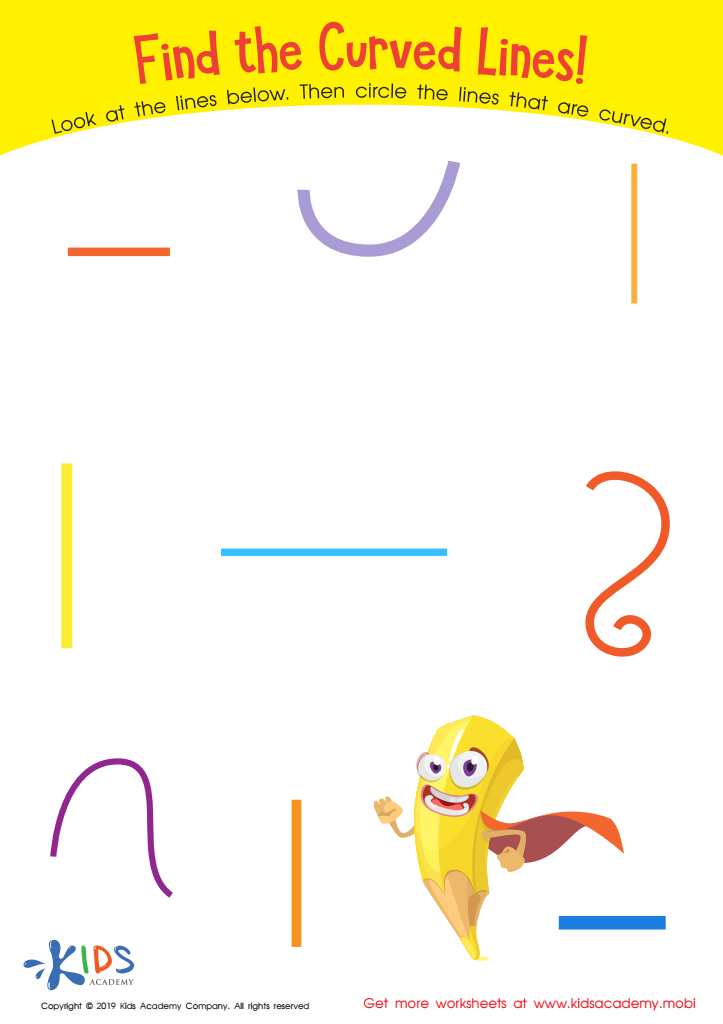
Find the Curved Lines! Worksheet
 Assign to My Students
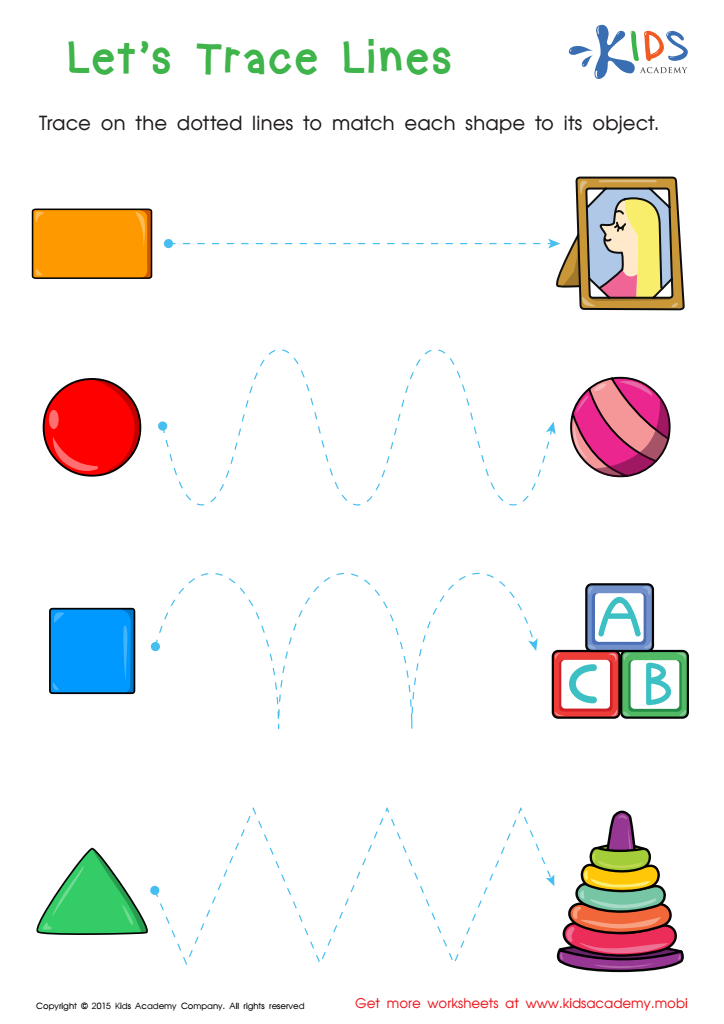
First Words: Let's Trace Lines Worksheet
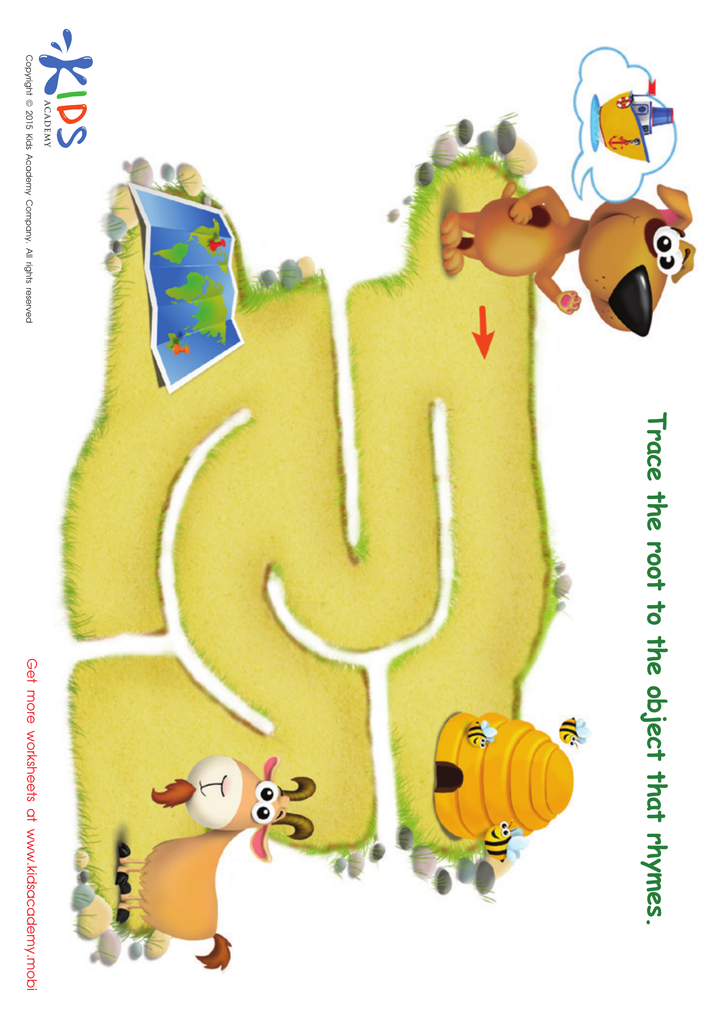
Boat Rhyming Words Worksheet
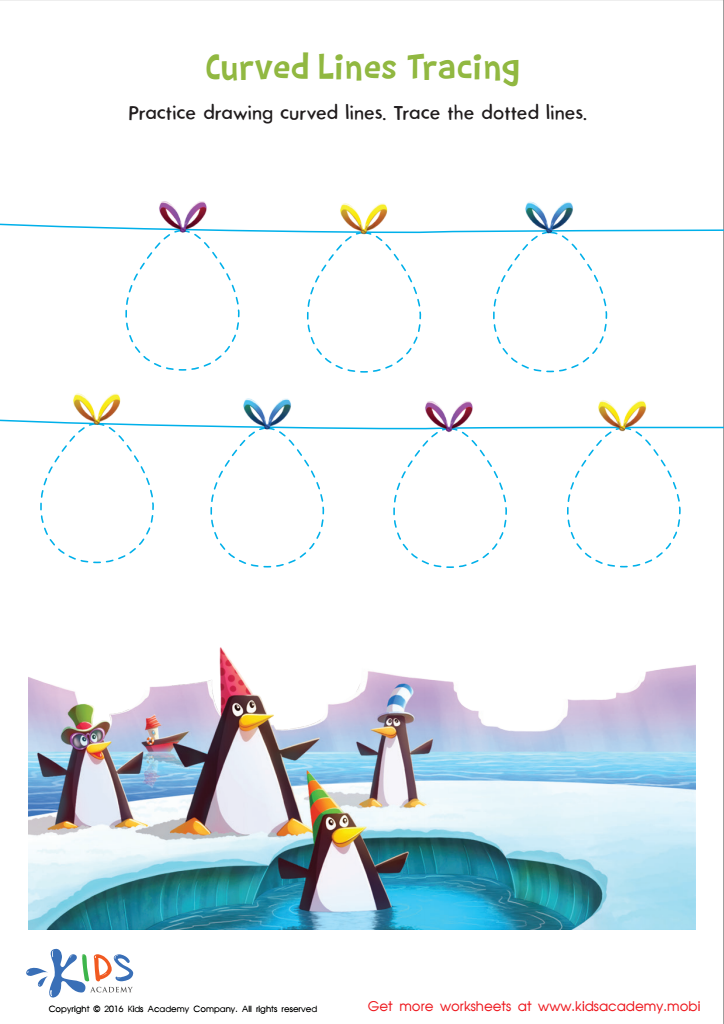
Curved Lines Tracing Worksheet








Shape recognition alphabet for ages 3-5 serves as an essential foundation for early childhood education. At this developmental stage, learners absorb new concepts rapidly and are open to engaging educational activities. Integrating shapes with alphabet learning enhances cognitive and visual skills by creating a multi-sensory learning experience. When children see letters as shapes, they begin to understand the fundamental structures behind written language, paving the way for literacy.
Parents and teachers should care about this because it helps in developing crucial skills such as problem-solving, concentration, and spatial awareness. Recognizing shapes also boosts fine motor skills, as children often engage in drawing and tracing activities. Additionally, it fosters a deeper understanding of geometry and spatial relationships which are critical for later mathematical success.
Through playful and interactive learning, children become more confident and enthusiastic about learning. It can foster creativity and eagerness to explore, laying a strong foundation for future academic endeavors. Including shape recognition in early education curricula addresses both cognitive development and fine motor skills, making learning both engaging and effective. Investing effort in this stage offers long-term benefits, preparing children for more complex learning as they grow.







