Fine Motor Skills Letter Recognition Worksheets for Ages 3-5 - Page 3
63 filtered results
-
From - To
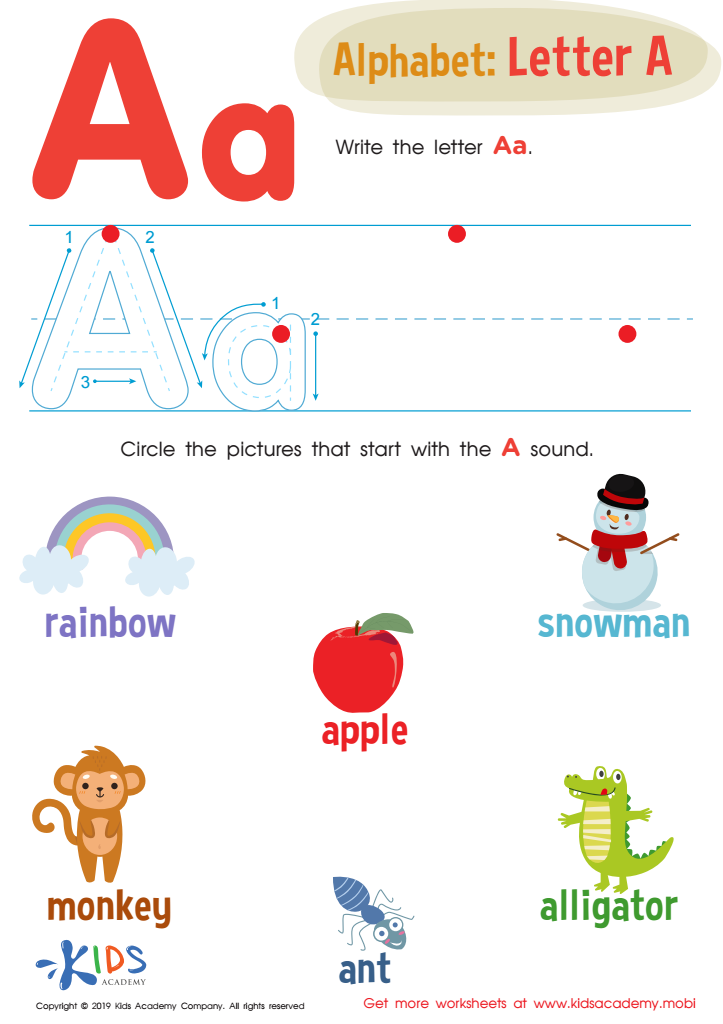
Letter A Tracing Worksheet
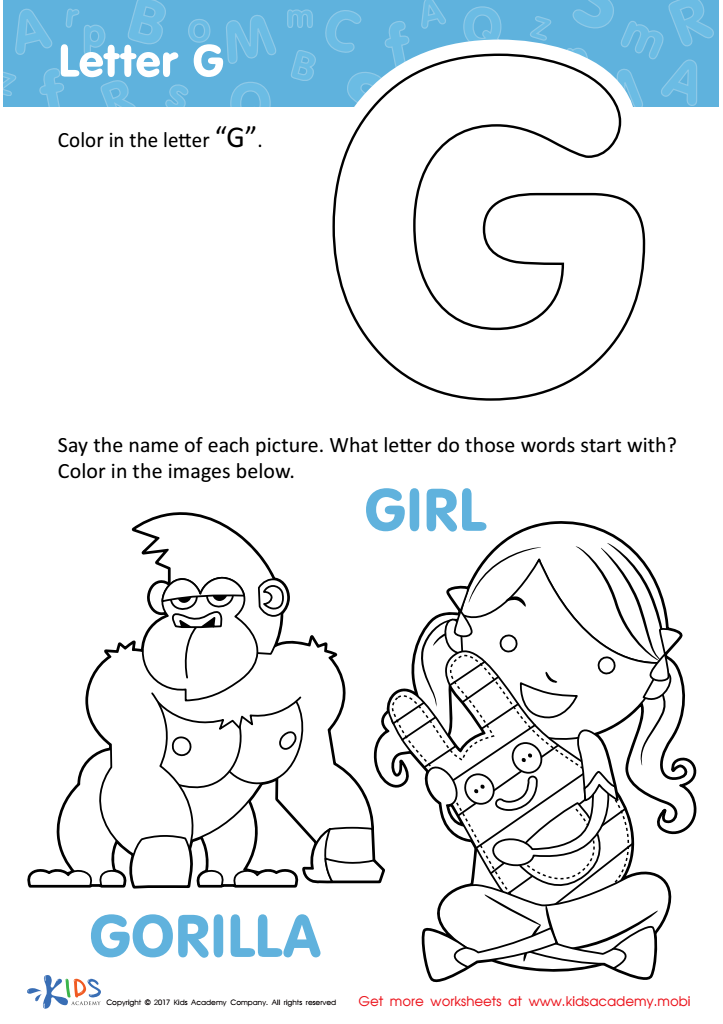
Letter G Coloring Sheet
 Assign to My Students
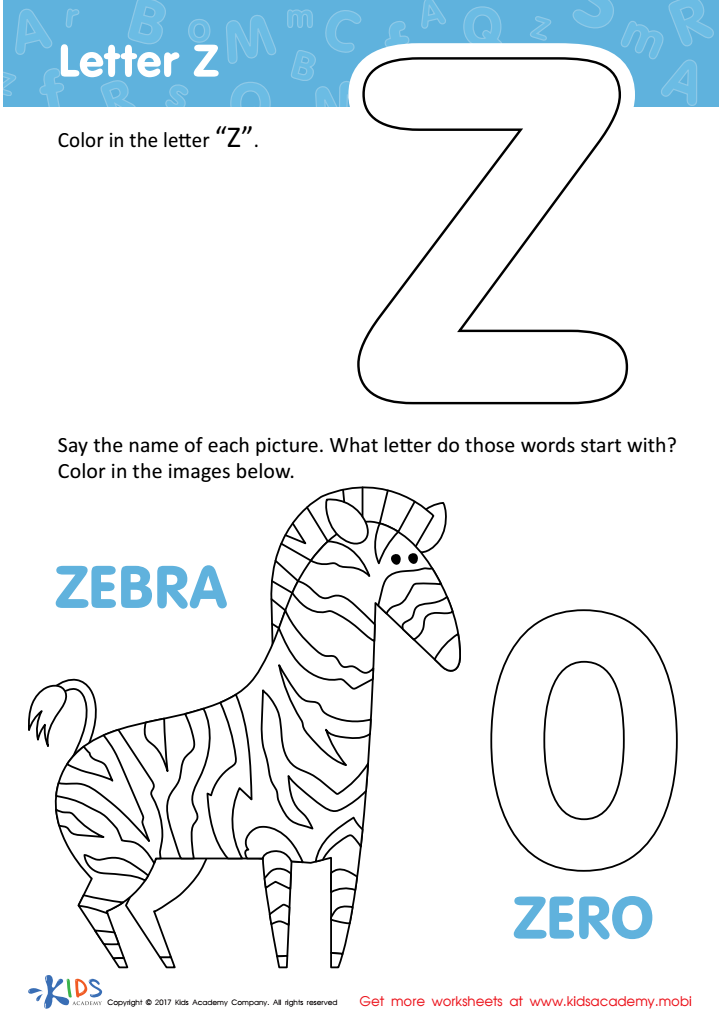
Letter Z Coloring Sheet
Assign to My Students
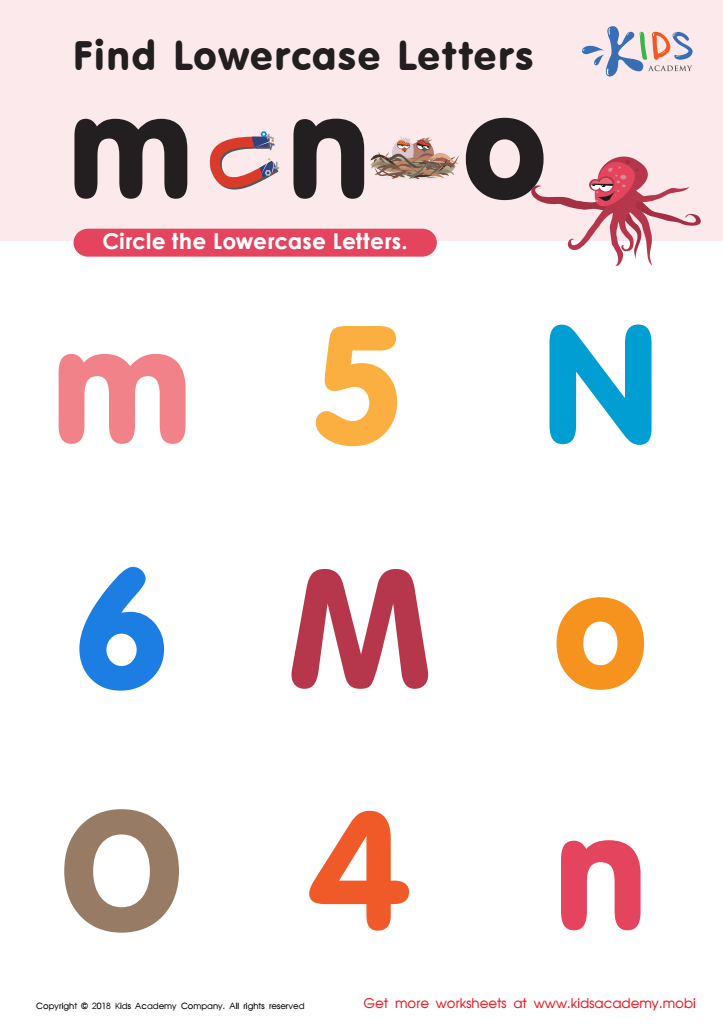
Find Lowercase Letters m n o Worksheet
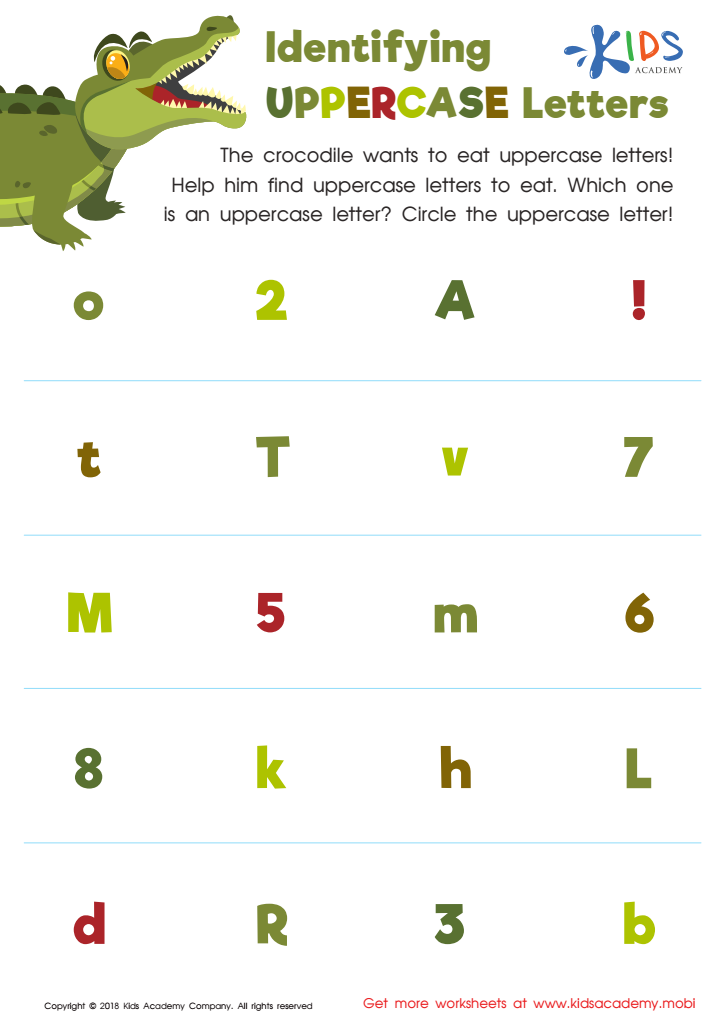
Identifying Uppercase Letters Worksheet
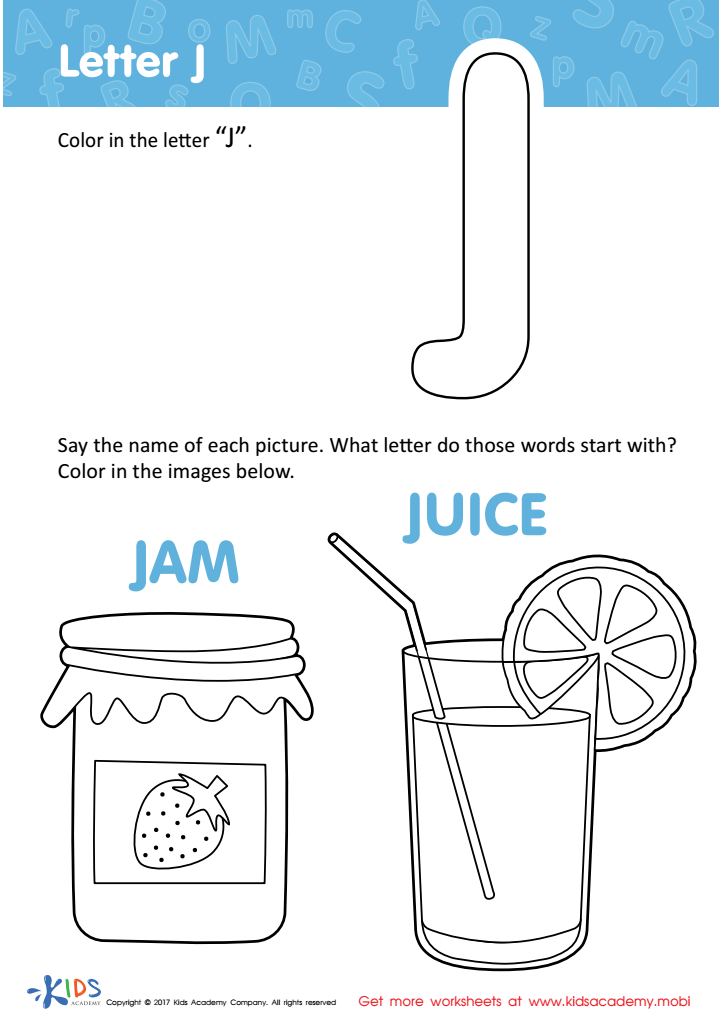
Letter J Coloring Sheet
Assign to My Students
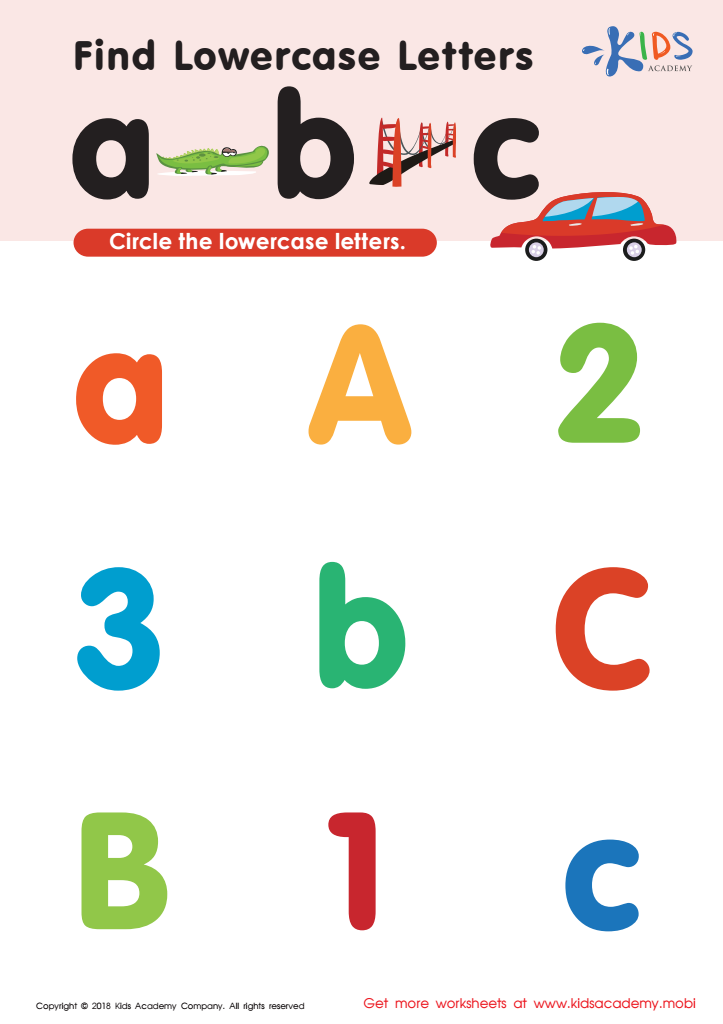
Find lowercase letters a b c Worksheet
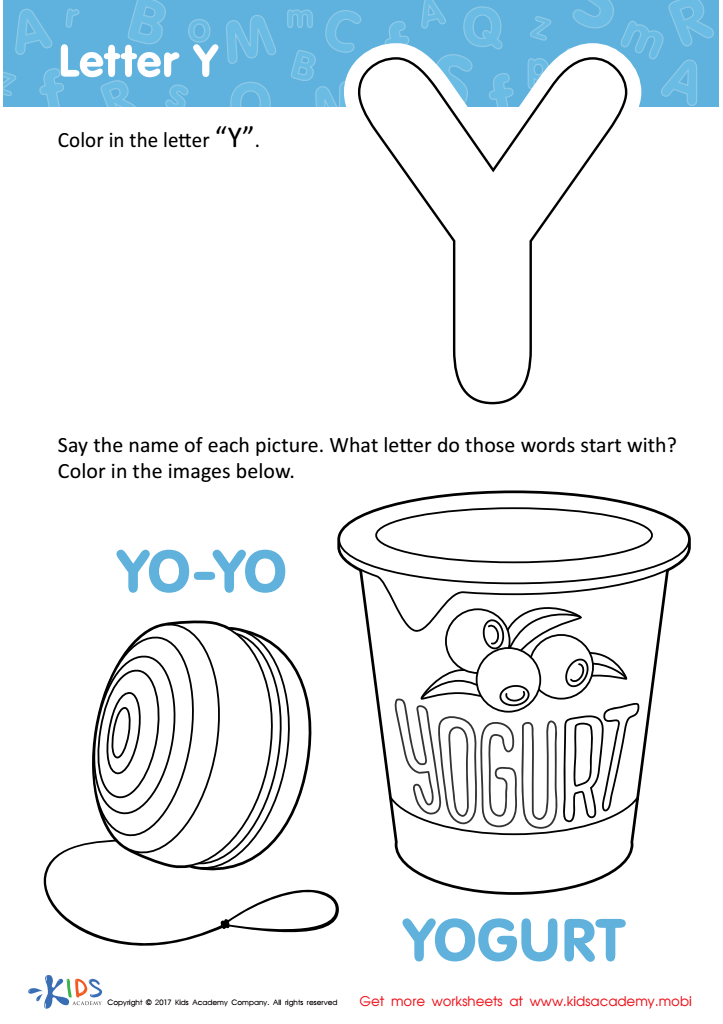
Letter Y Coloring Sheet
Assign to My Students
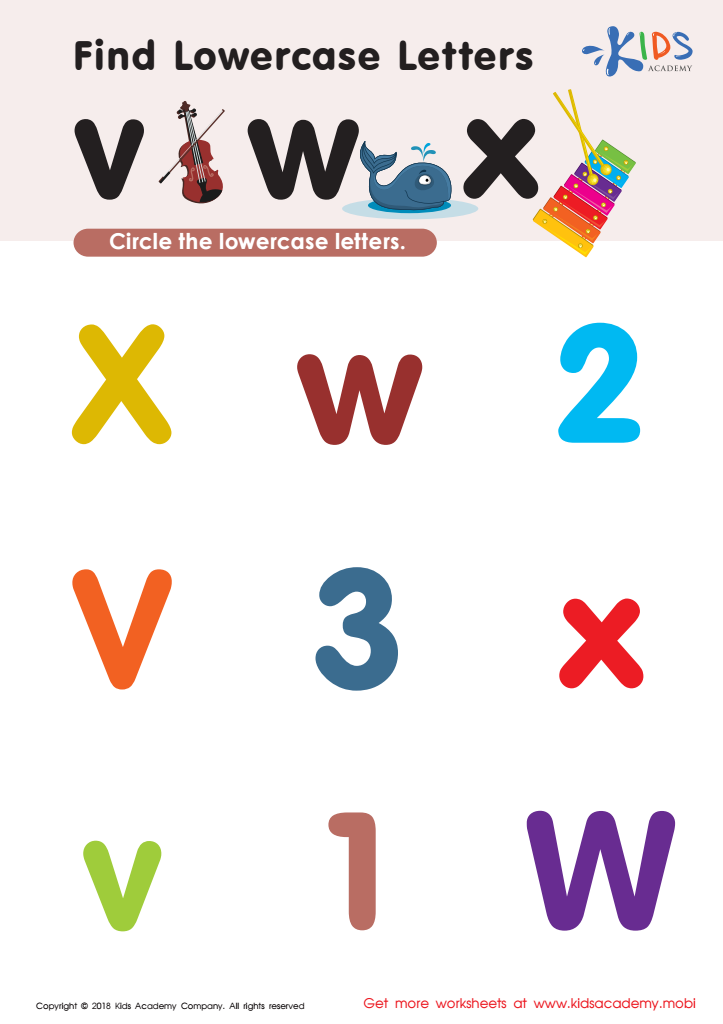
Find Lowercase Letters v w x Worksheet
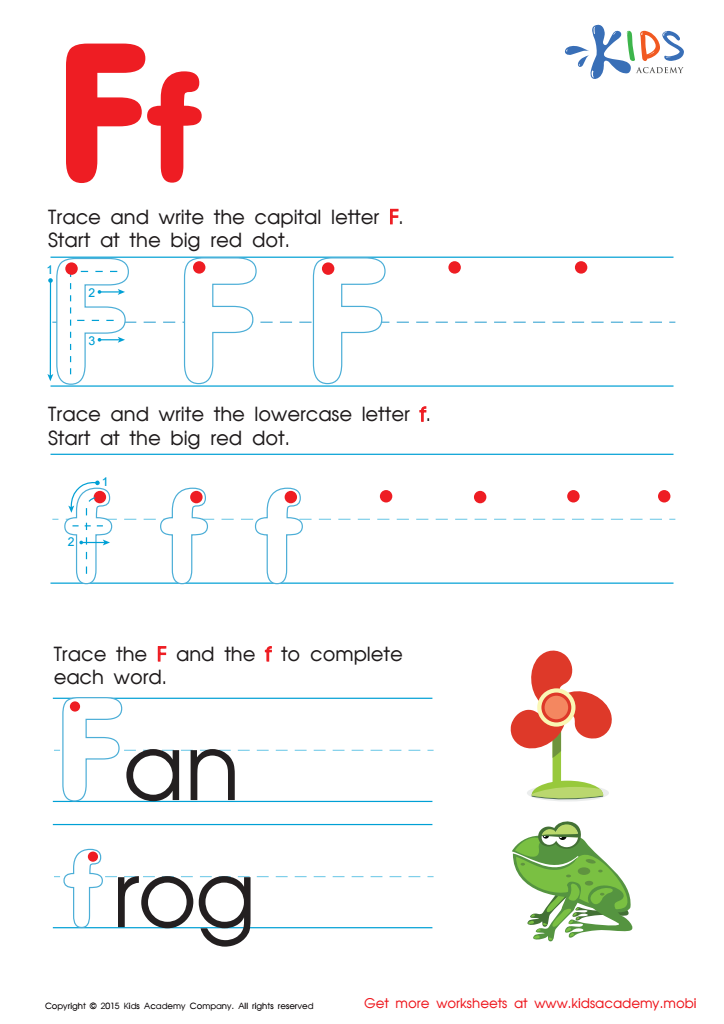
Letter F Tracing Page
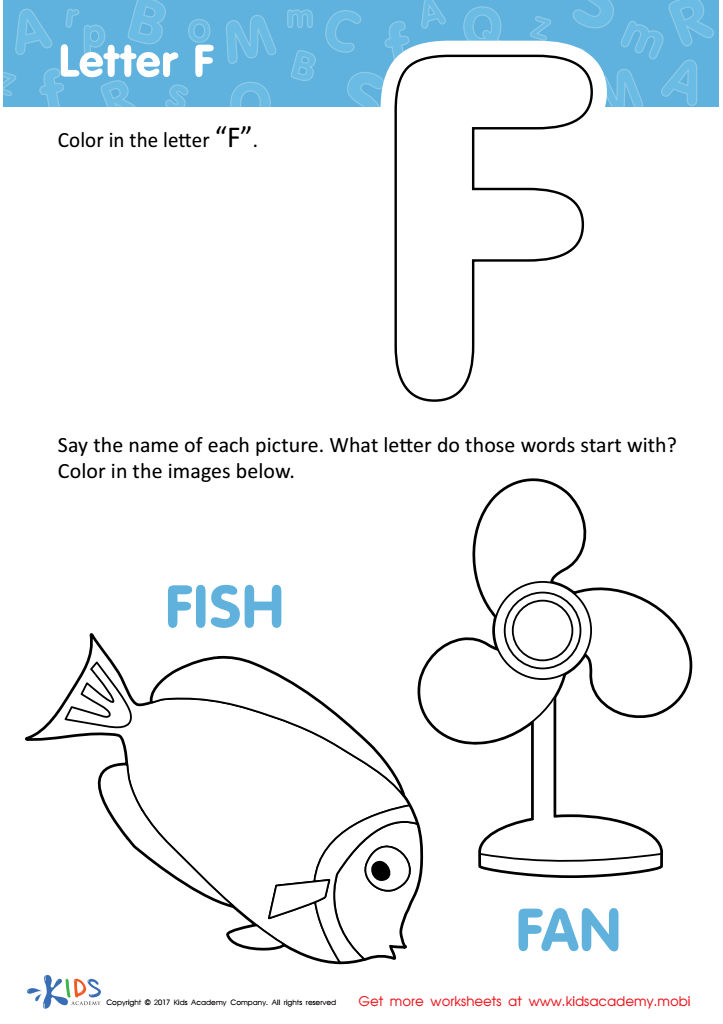
Letter F Coloring Sheet
Assign to My Students
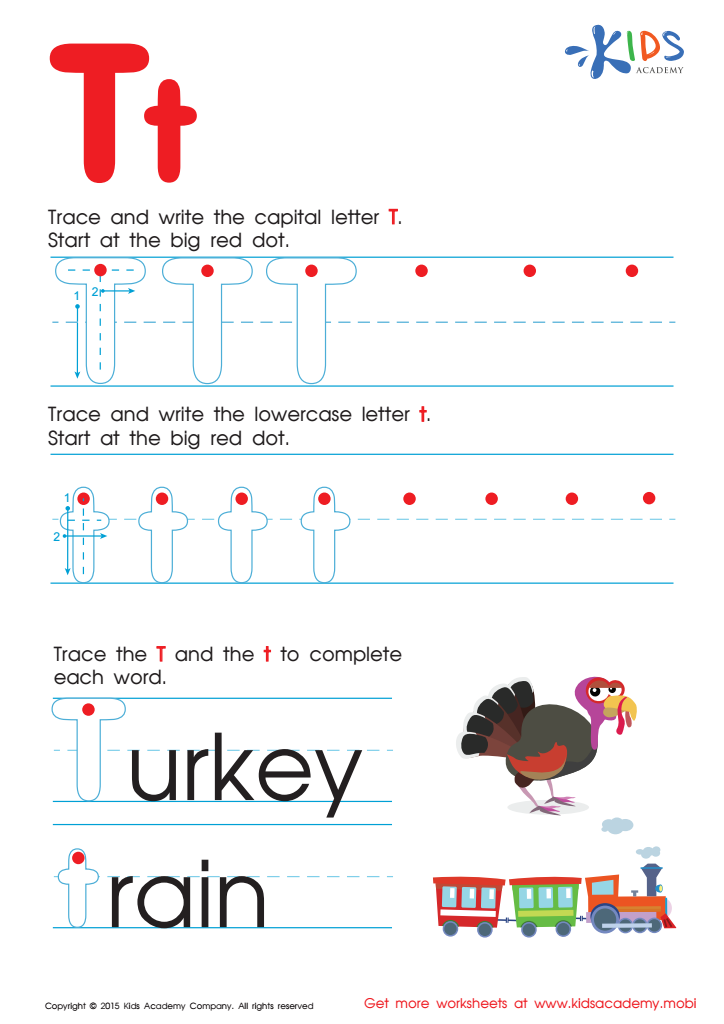
Letter T Tracing Page
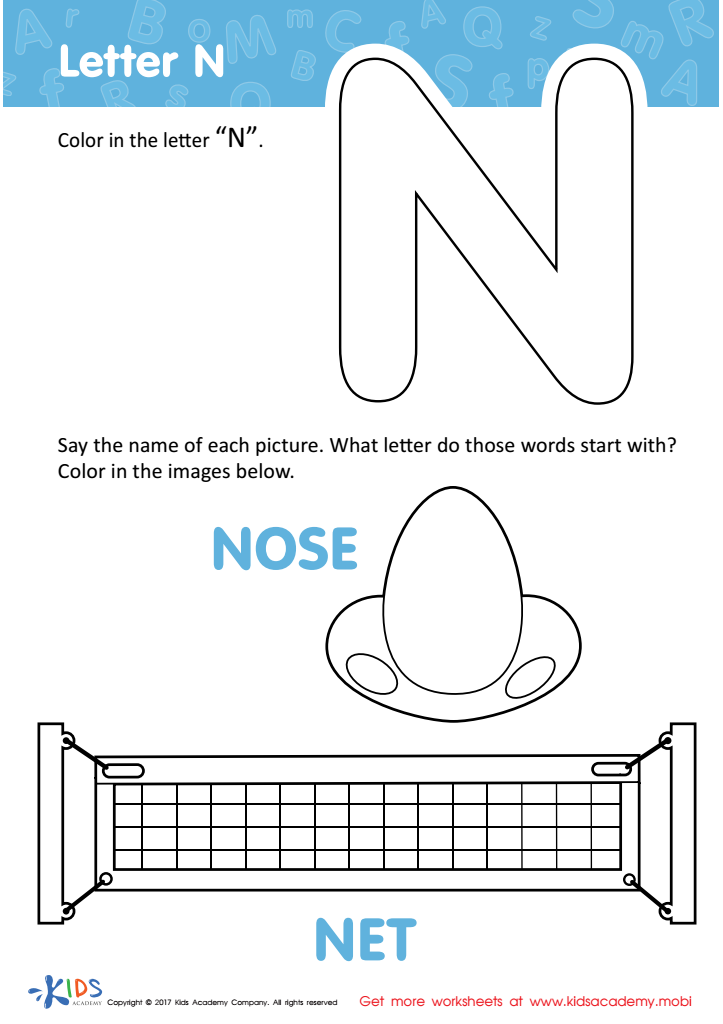
Letter N Coloring Sheet
Assign to My Students
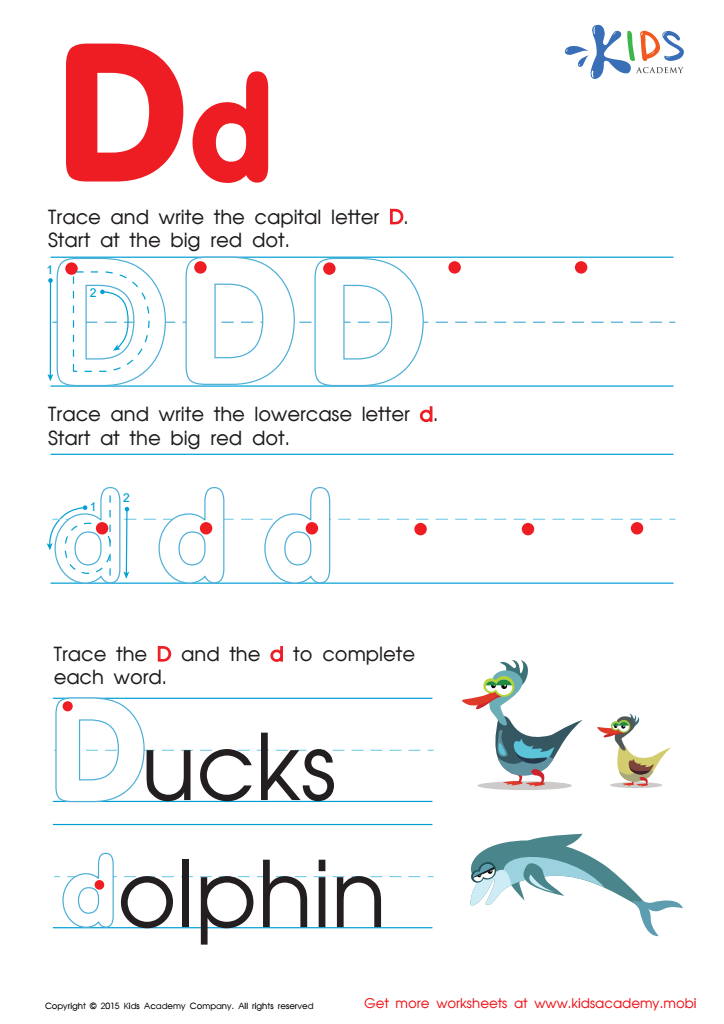
Letter D Tracing Page
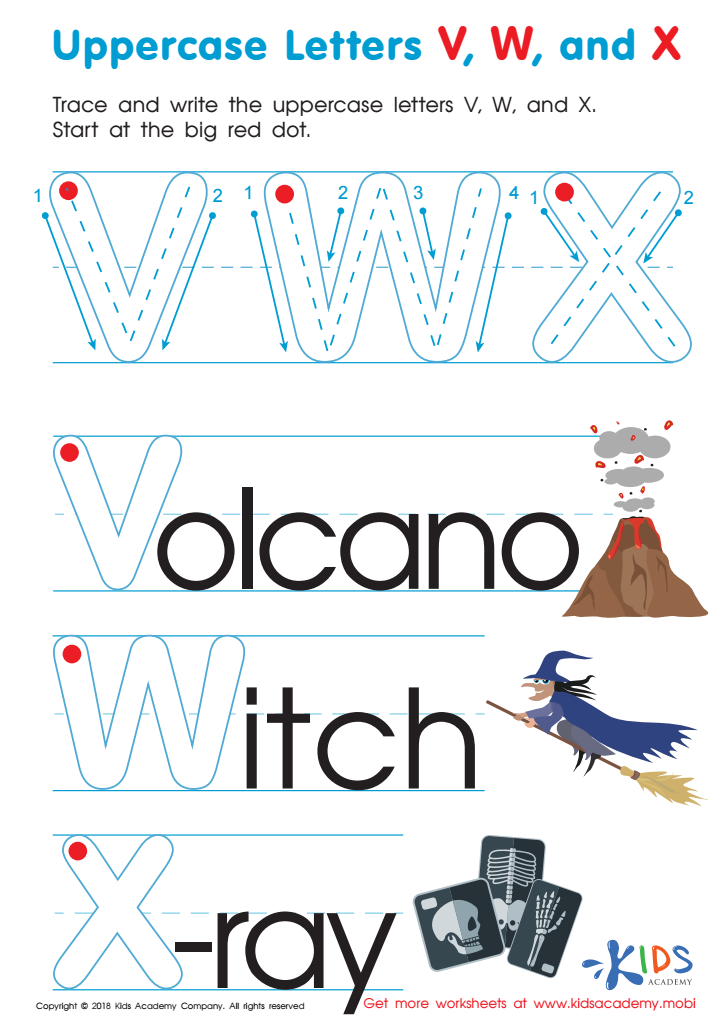
Uppercase Letters V, W, and X Worksheet








Fine motor skills and letter recognition are critical components of early childhood development, particularly for children ages 3-5. Parents and teachers should pay close attention to these skills as they form the foundation for future learning and everyday activities.
Fine motor skills involve small movements that require precision, such as holding a pencil, cutting with scissors, or grasping small objects. Developing these skills enhances a child's ability to manipulate tools and ultimately aids in writing, drawing, and other educational tasks. When children master fine motor skills, they gain confidence in their abilities, which fosters a positive attitude towards learning.
Letter recognition, on the other hand, is essential for literacy development. At this stage, children learn to identify letters and associate them with their corresponding sounds. This fundamental skill is a precursor to reading, enabling children to decode words and learn language concepts more effectively.
By emphasizing fine motor skill development and letter recognition, parents and teachers equip children with essential tools for academic success. Engaging in activities such as coloring, crafting, and interactive letter games not only enhances these skills but also makes learning enjoyable, setting the stage for lifelong curiosity and enthusiasm about education.







