Handwriting practice Letter Recognition Worksheets for Ages 3-5 - Page 2
40 filtered results
-
From - To
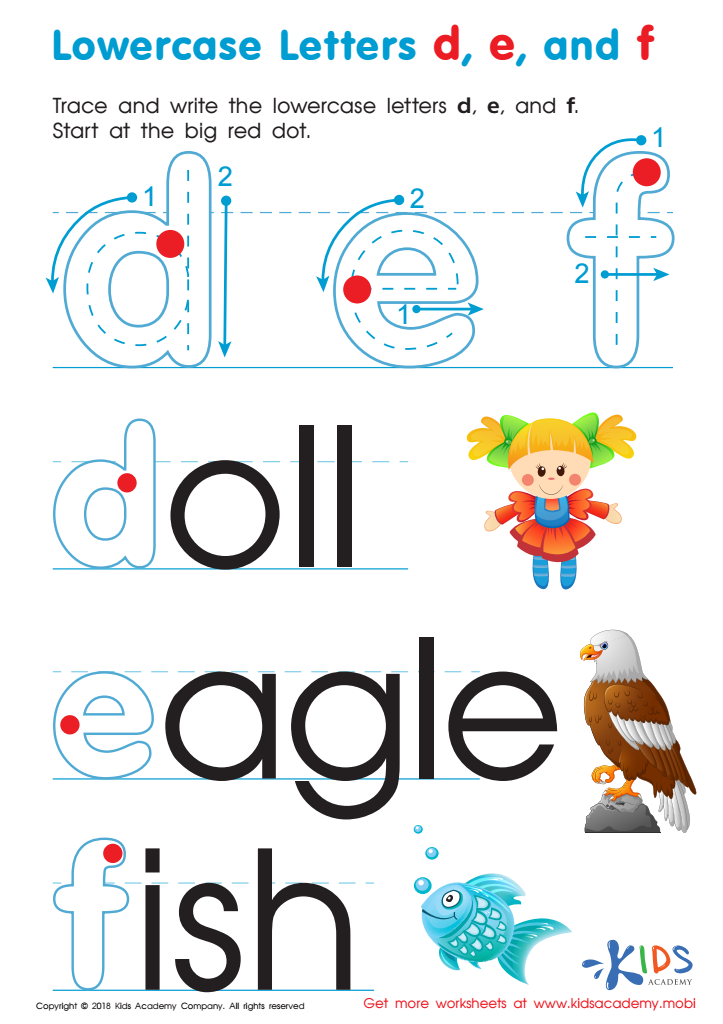
Lowercase Letters d e f Worksheet
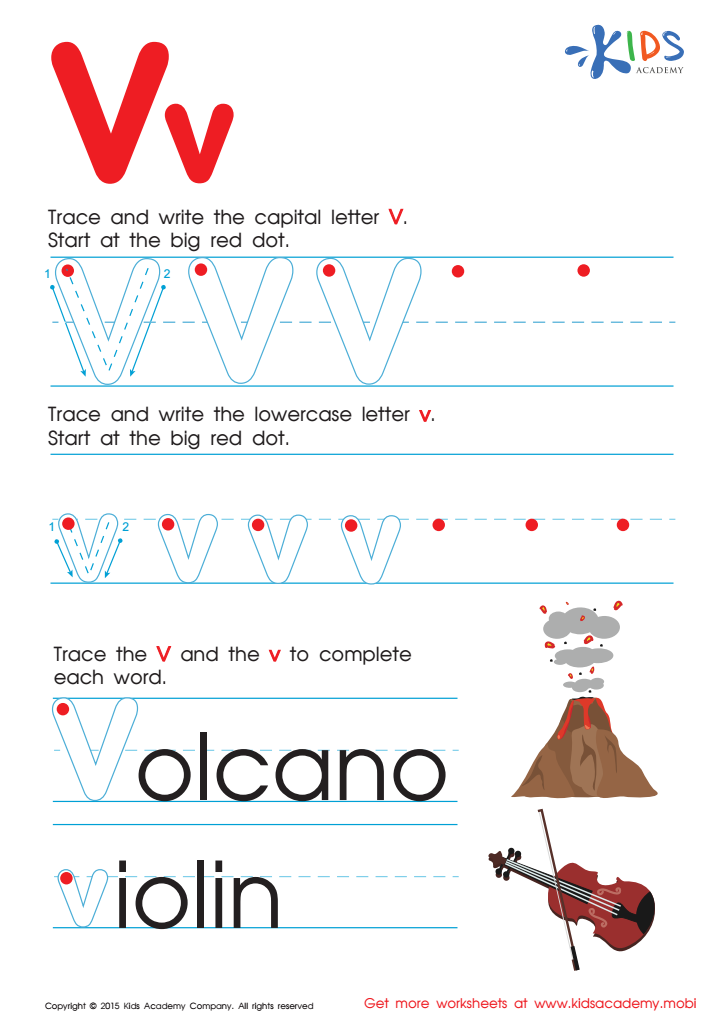
Letter V Tracing Page
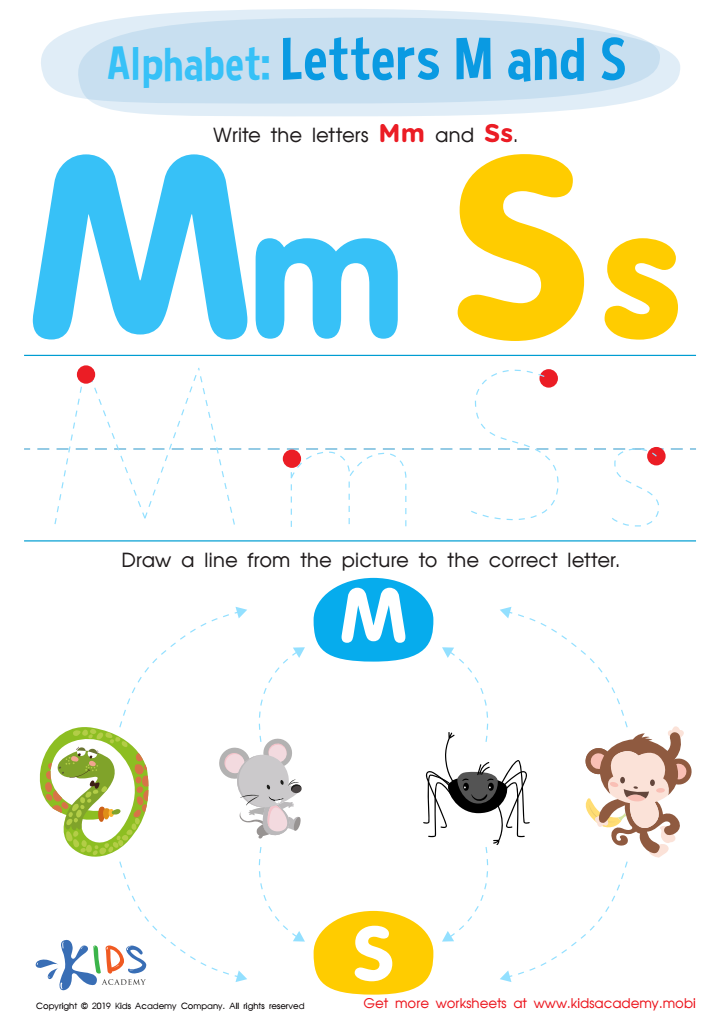
Letters M and S Tracing Worksheet
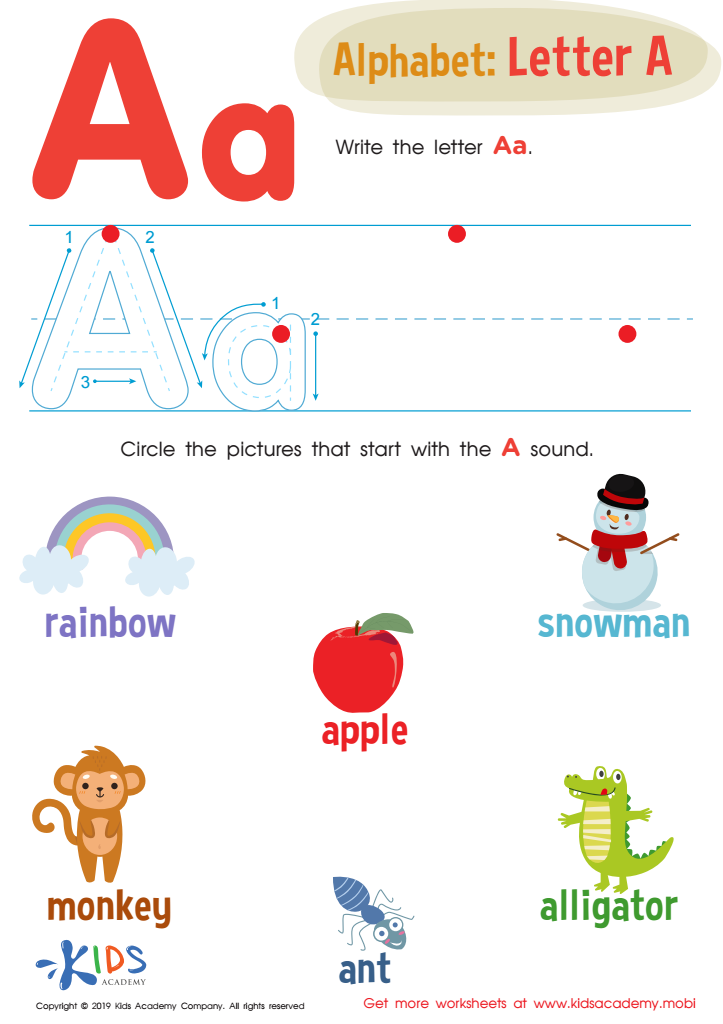
Letter A Tracing Worksheet
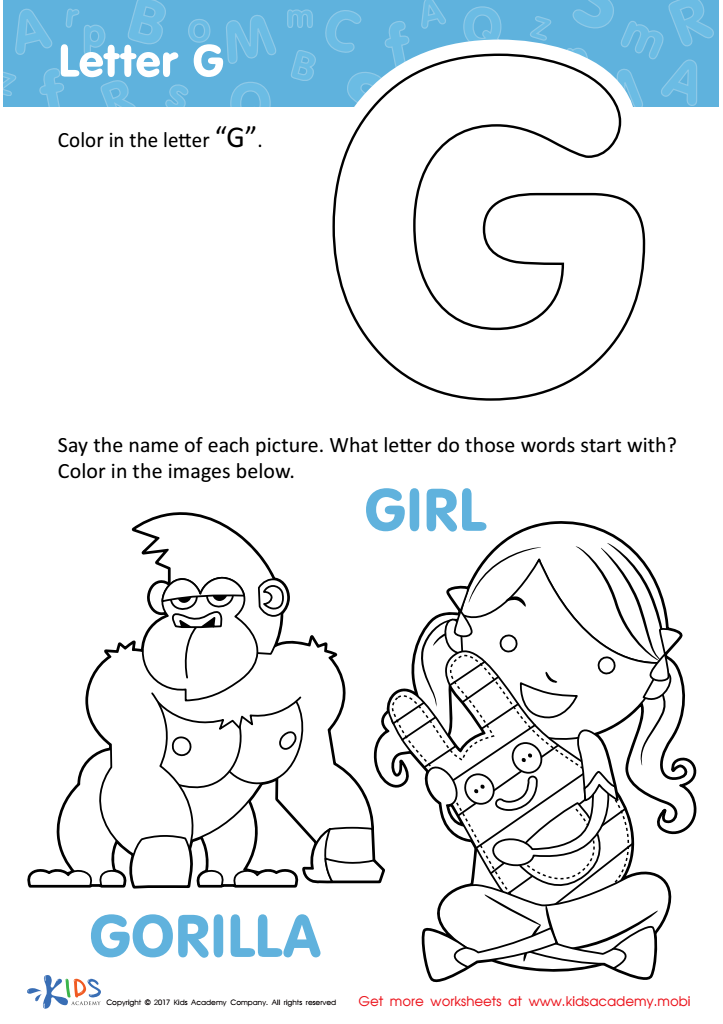
Letter G Coloring Sheet
 Assign to My Students
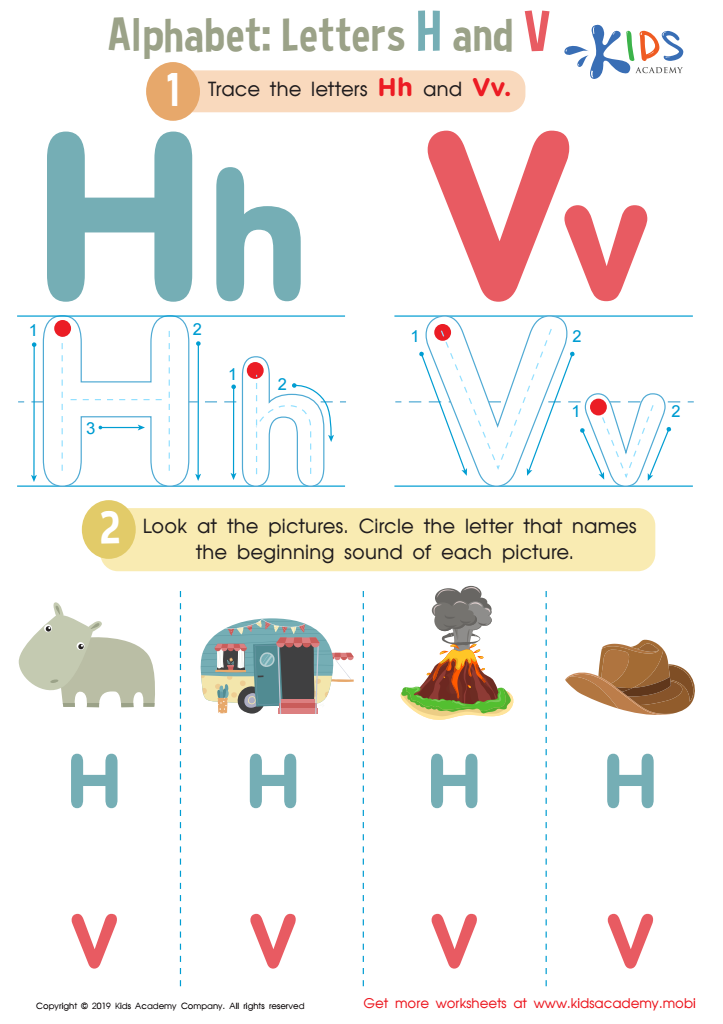
Letters H and V Tracing Worksheet
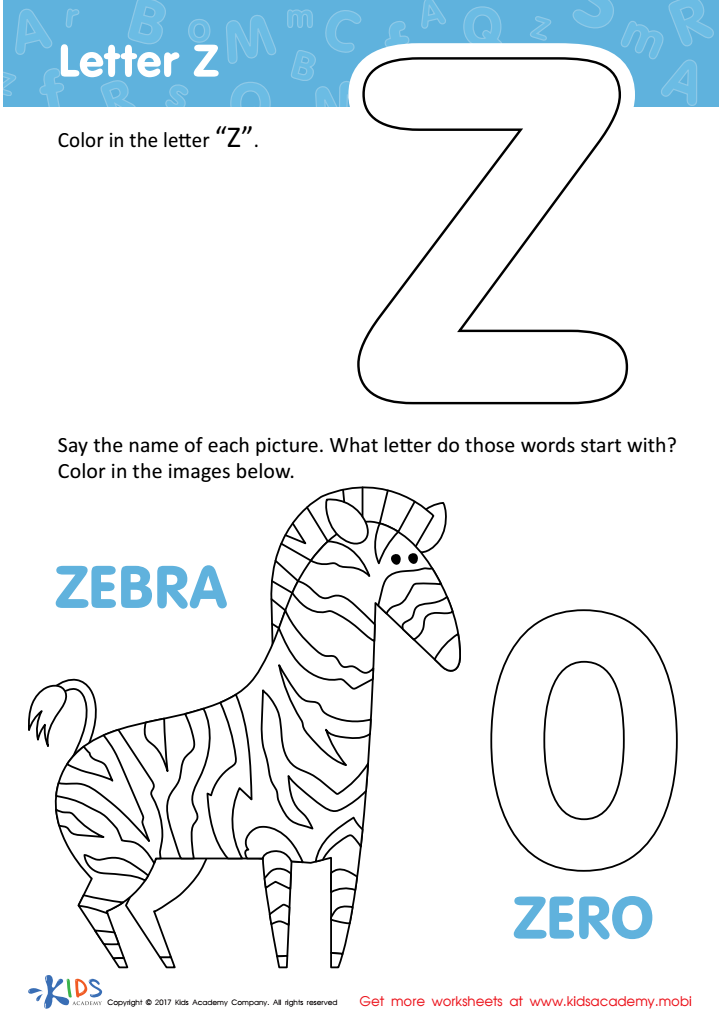
Letter Z Coloring Sheet
Assign to My Students
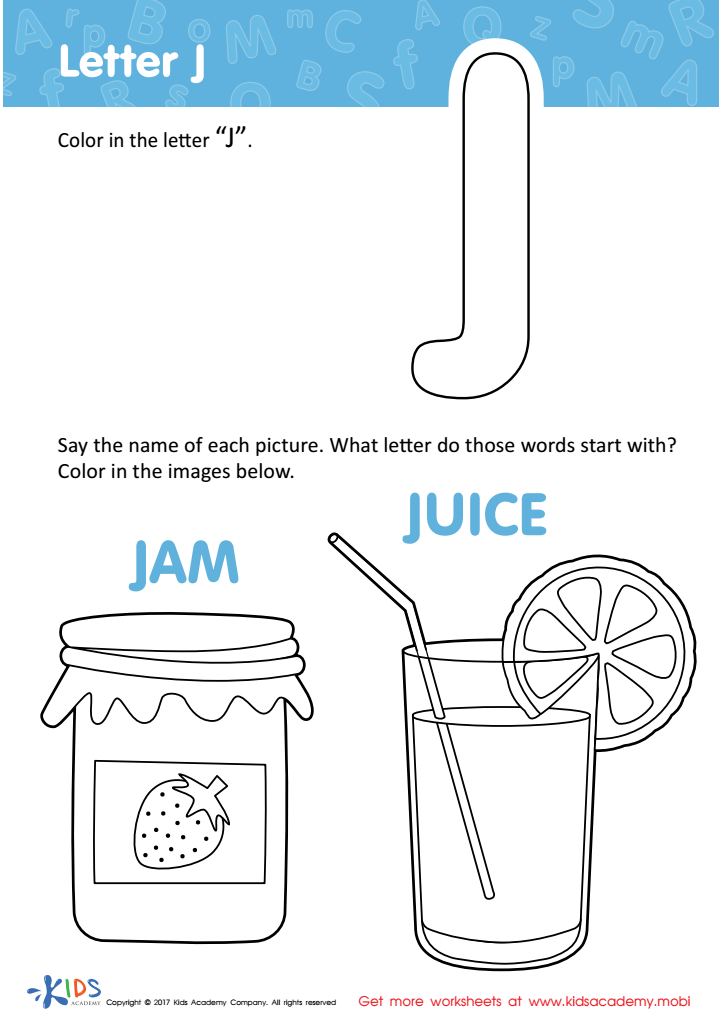
Letter J Coloring Sheet
Assign to My Students
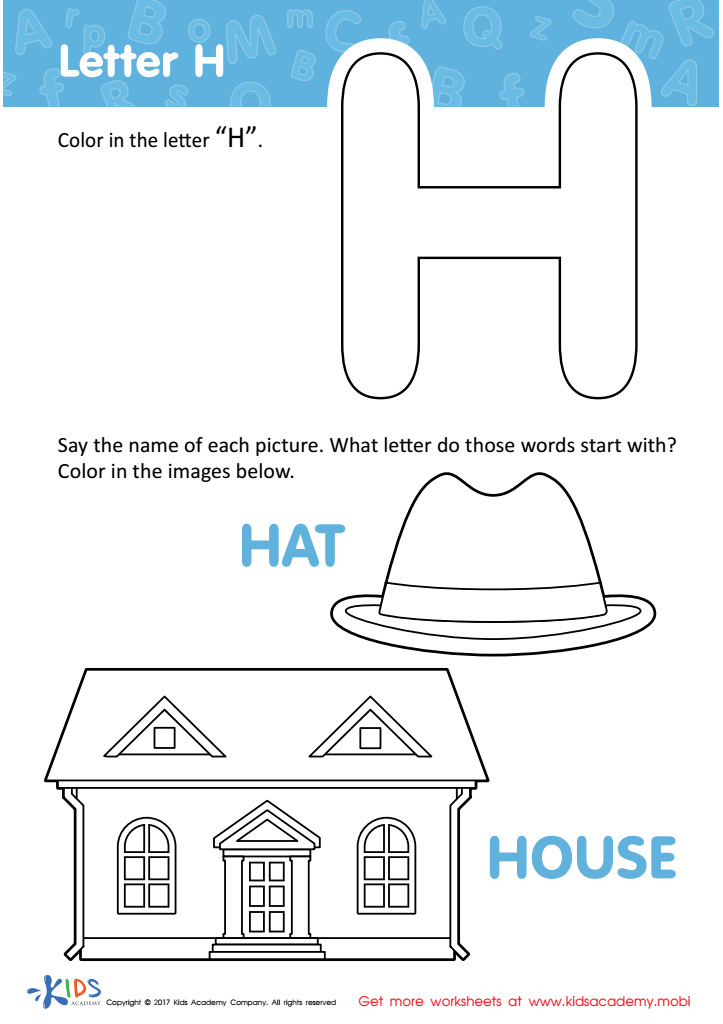
Letter H Coloring Sheet
Assign to My Students
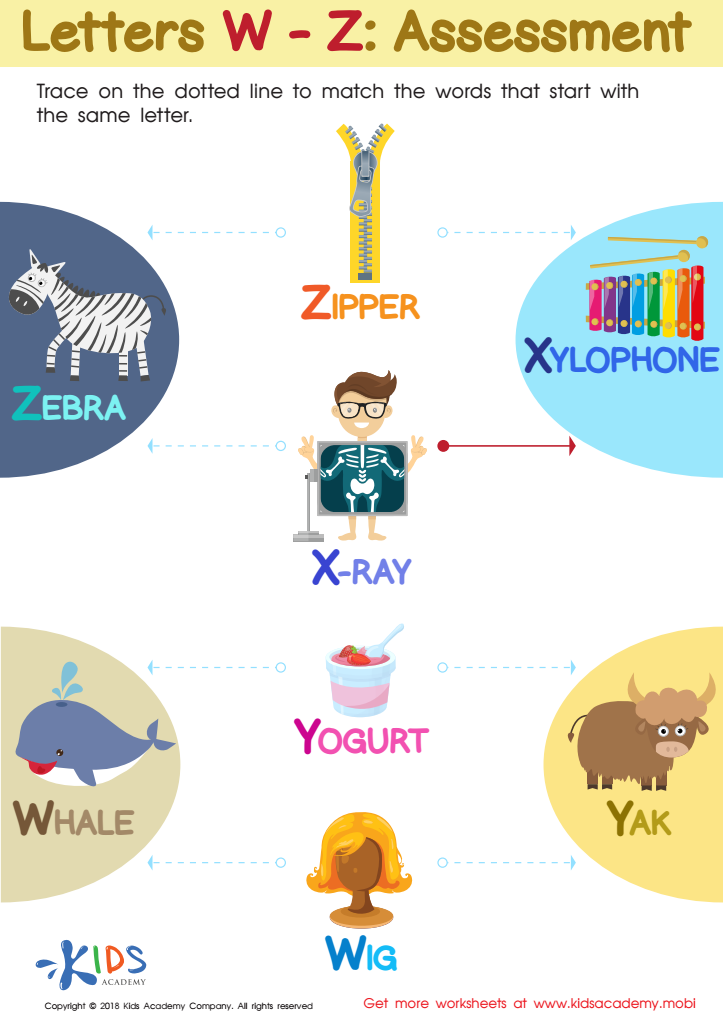
Letters W–Z Tracing Worksheet
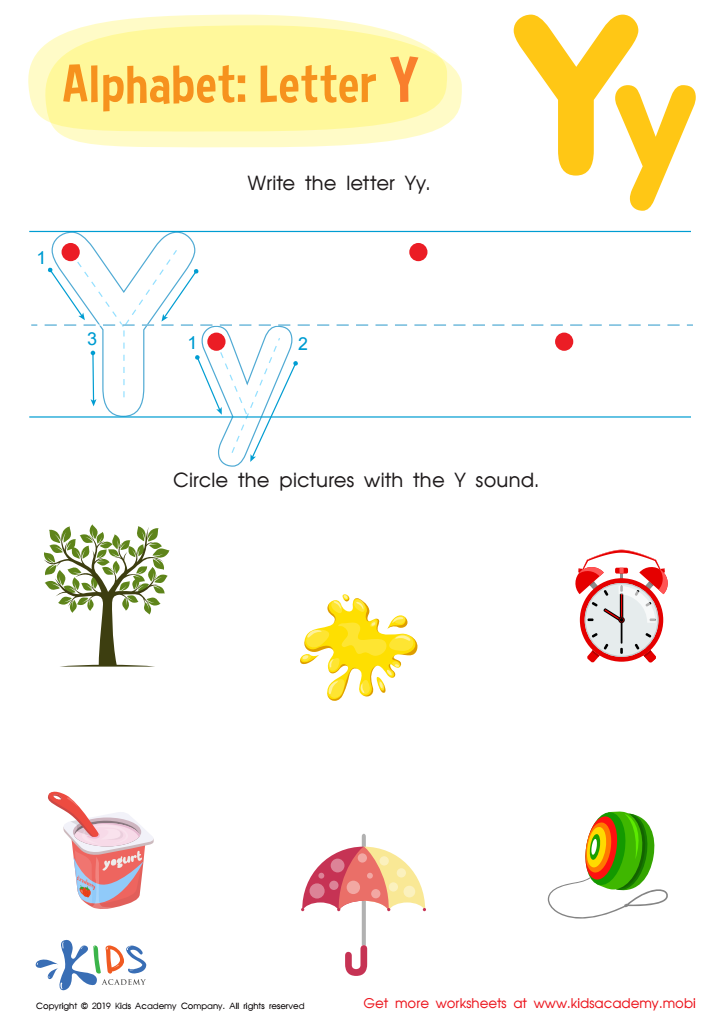
Letter Y Tracing Worksheet
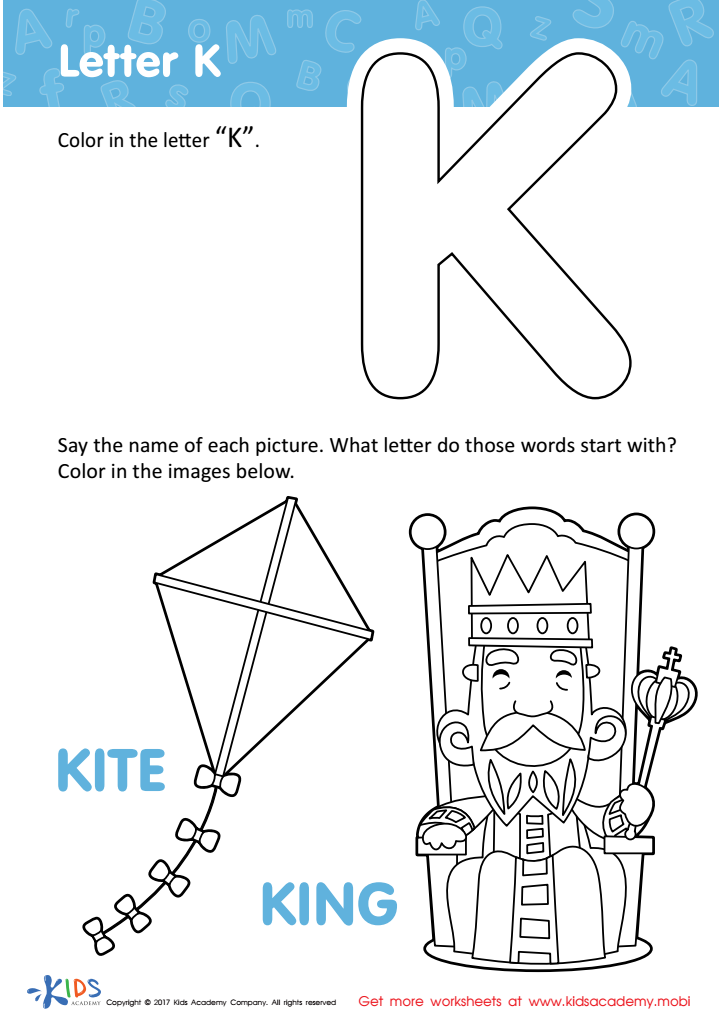
Letter K Coloring Sheet
Assign to My Students
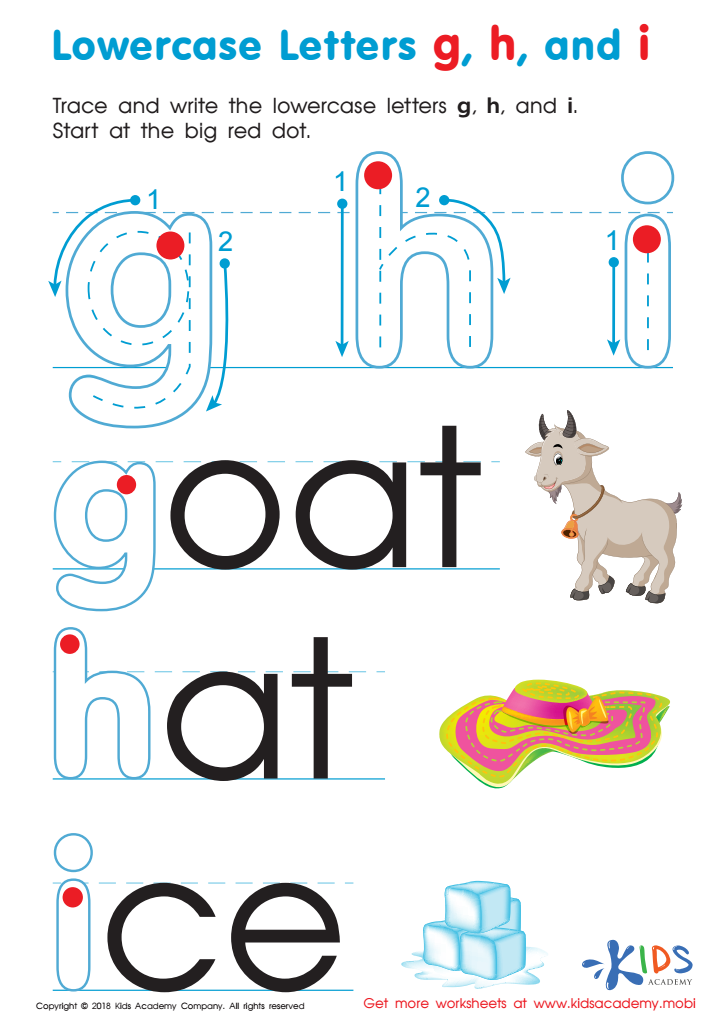
Lowercase Letters g h i Worksheet
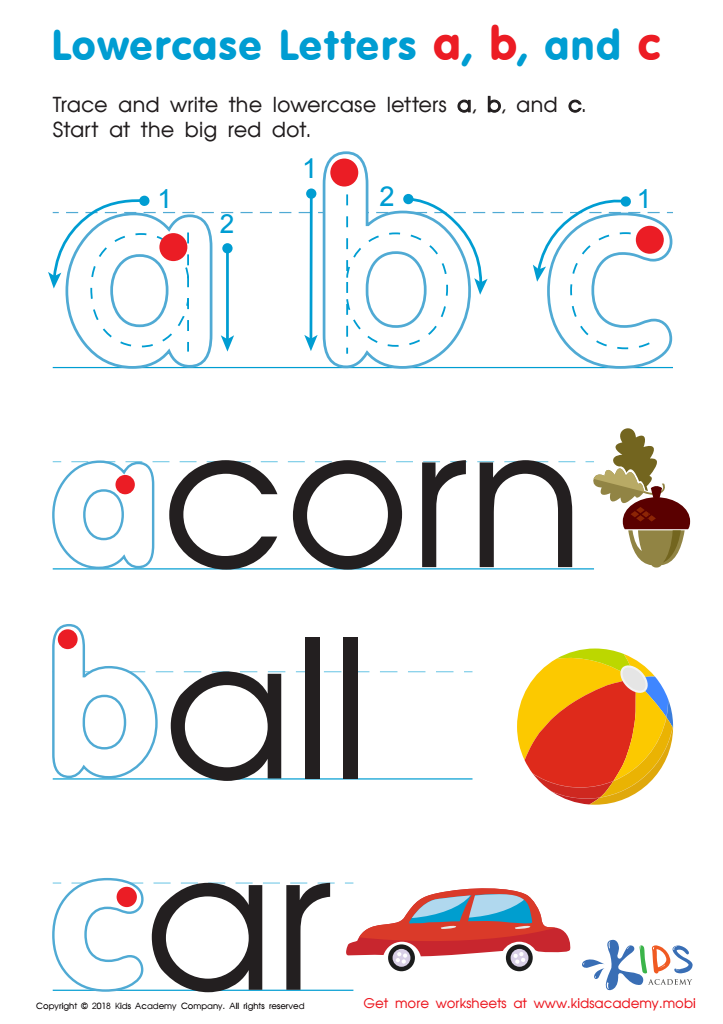
Lowercase Letters a b c Worksheet
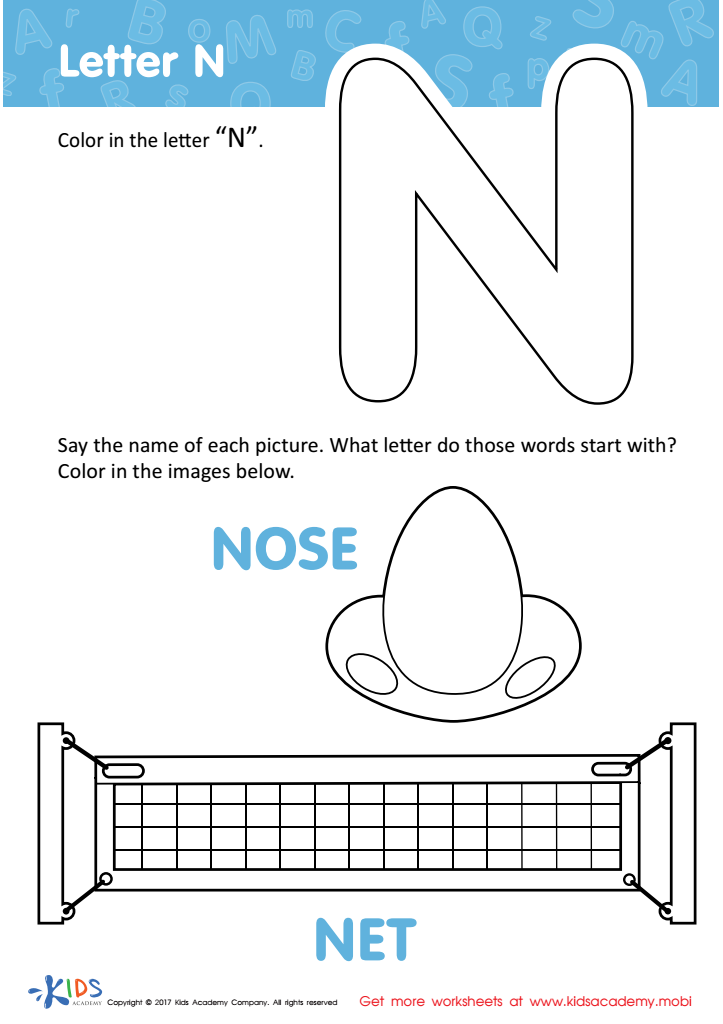
Letter N Coloring Sheet
Assign to My Students
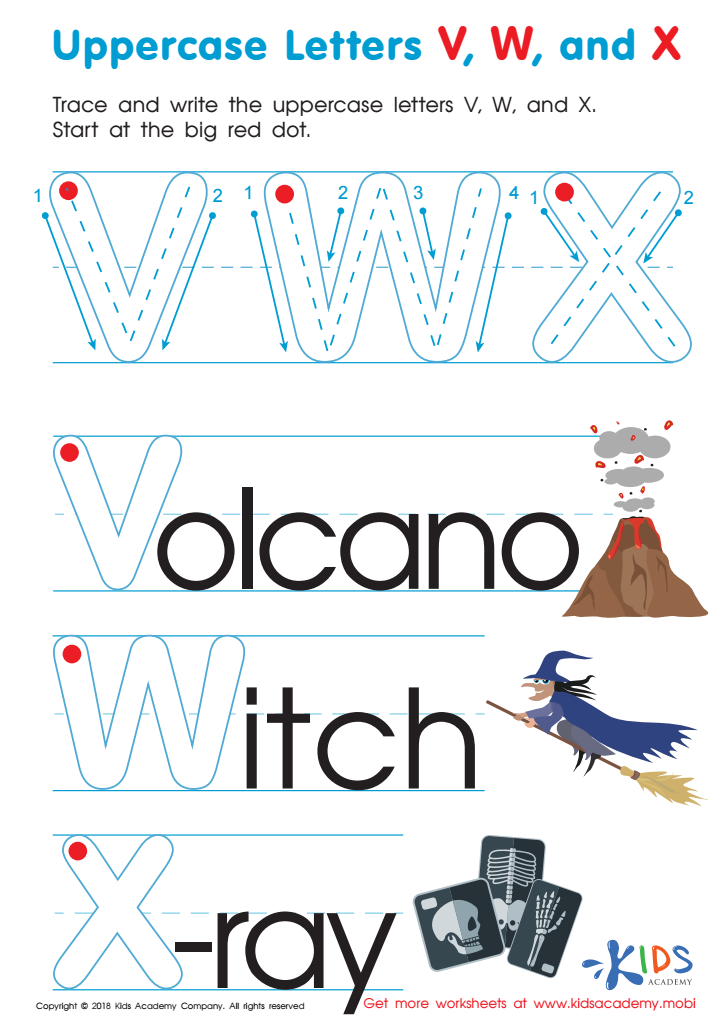
Uppercase Letters V, W, and X Worksheet








Handwriting practice and letter recognition are fundamental skills that lay the groundwork for literacy development in young children aged 3-5. At this stage, children are naturally curious and are eager to explore their environment, which includes the world of letters and writing.
Effective handwriting practice helps children develop fine motor skills, hand-eye coordination, and muscle memory, all of which are essential for their writing abilities as they progress in school. These skills not only enhance their writing but also promote confidence in expressing thoughts through written communication.
Simultaneously, letter recognition is crucial for language development. Recognizing letters aids in phonemic awareness, helping children connect sounds to symbols. This connection is vital for reading development, as it prepares kids for phonics and eventual word formulation.
Moreover, early exposure to letter recognition can foster a love for reading and writing, transforming these into enjoyable activities rather than daunting tasks. Encouraging handwriting and letter recognition through play, exploration, and structured activities aligns with their developmental milestones and educational growth.
In essence, prioritizing these early literacy skills enables children to build a strong foundational skillset for their future academic success and fosters a lifelong appreciation for learning.







