Writing practice Letter Recognition Worksheets for Ages 3-5
13 filtered results
-
From - To
Boost your child's early literacy with our Writing Practice Letter Recognition Worksheets for ages 3-5. Perfectly designed for preschoolers, these engaging worksheets support young learners in developing essential writing skills. With clear, age-appropriate exercises, children can practice tracing, recognizing, and writing letters. These worksheets seamlessly blend fun with learning, fostering fine motor skills and reinforcing alphabet familiarity. Trusted by educators and parents alike, our resources provide a solid foundation for language development, turning early letter recognition into an enjoyable and rewarding experience. Help your little one embark on their educational journey confidently with these interactive and skill-building worksheets.
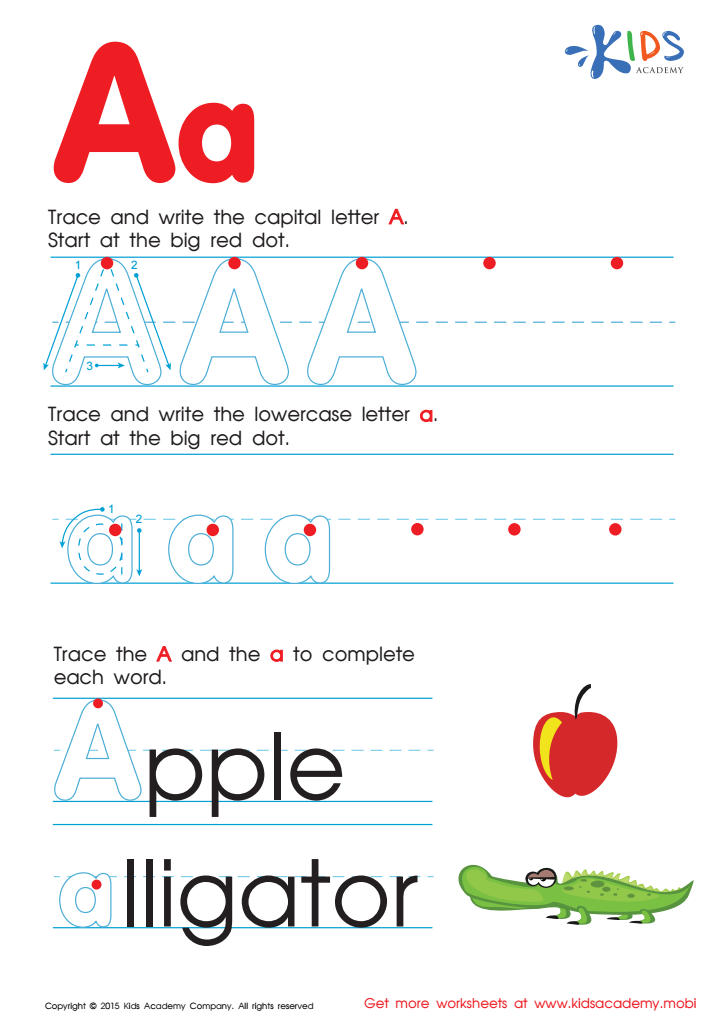
Letter A Tracing Page
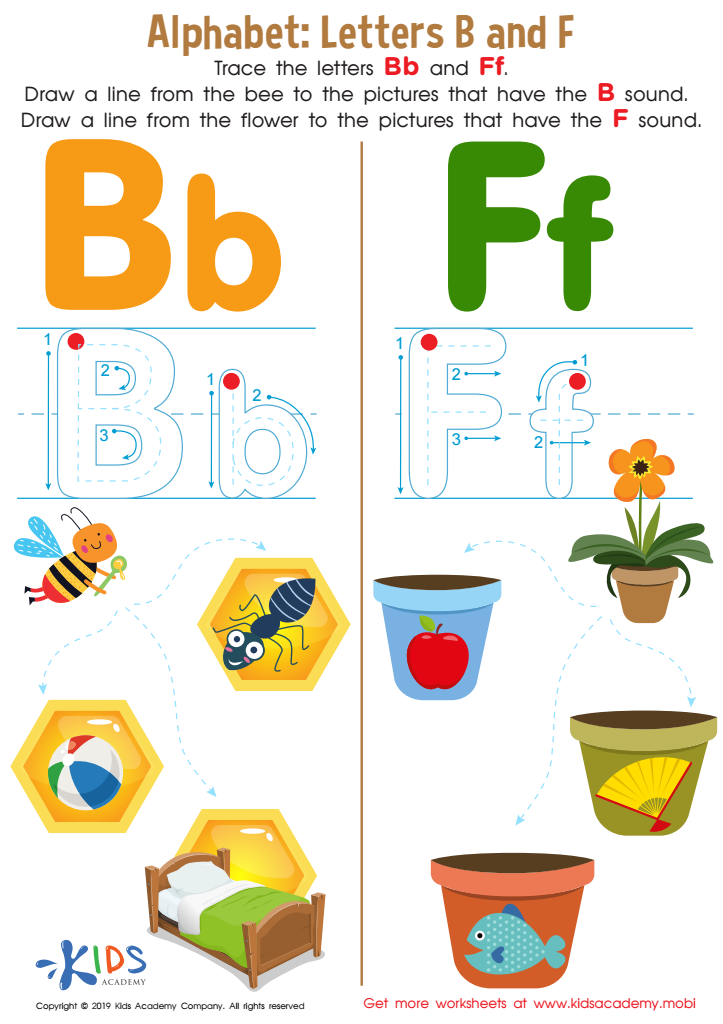
Letters B and F Tracing Worksheet
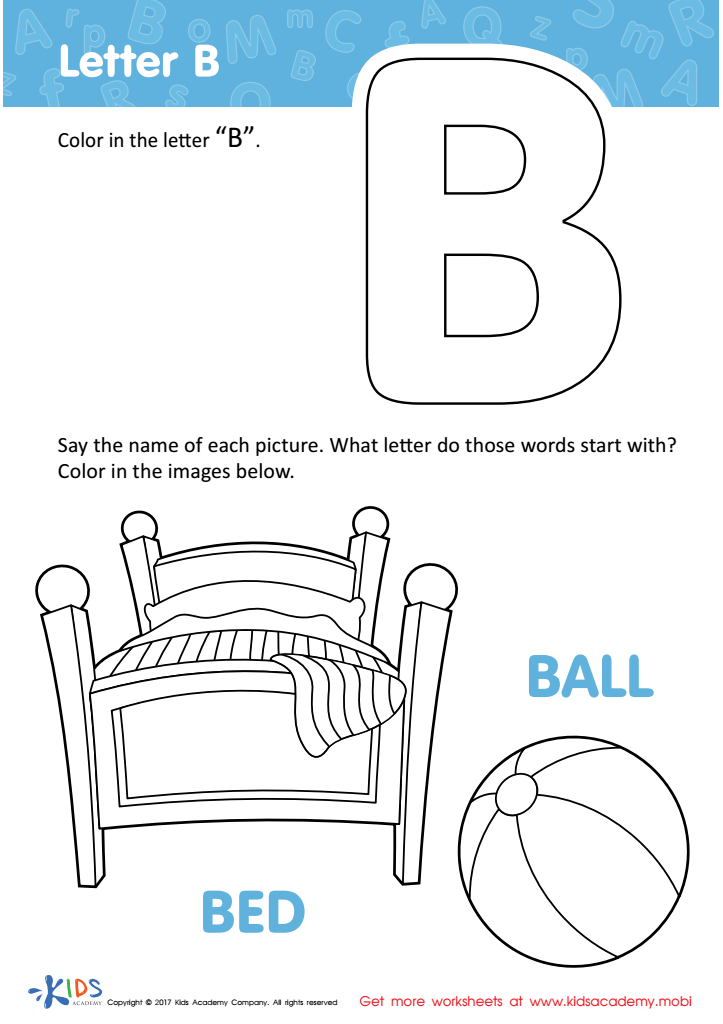
Letter B Coloring Sheet
 Assign to My Students
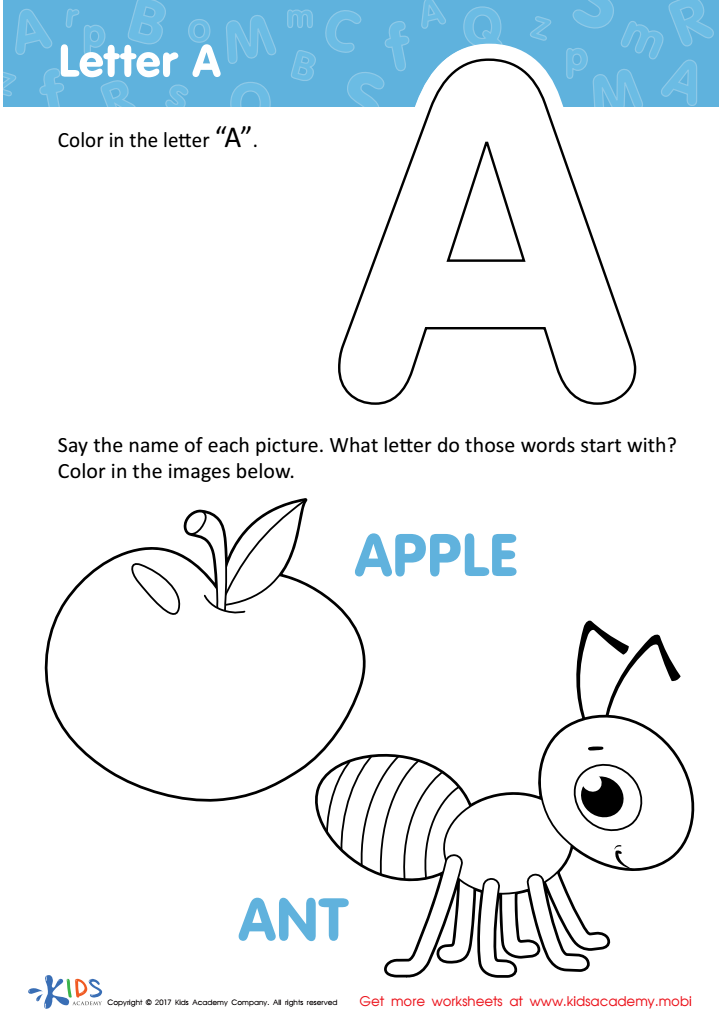
Letter A Coloring Sheet
Assign to My Students
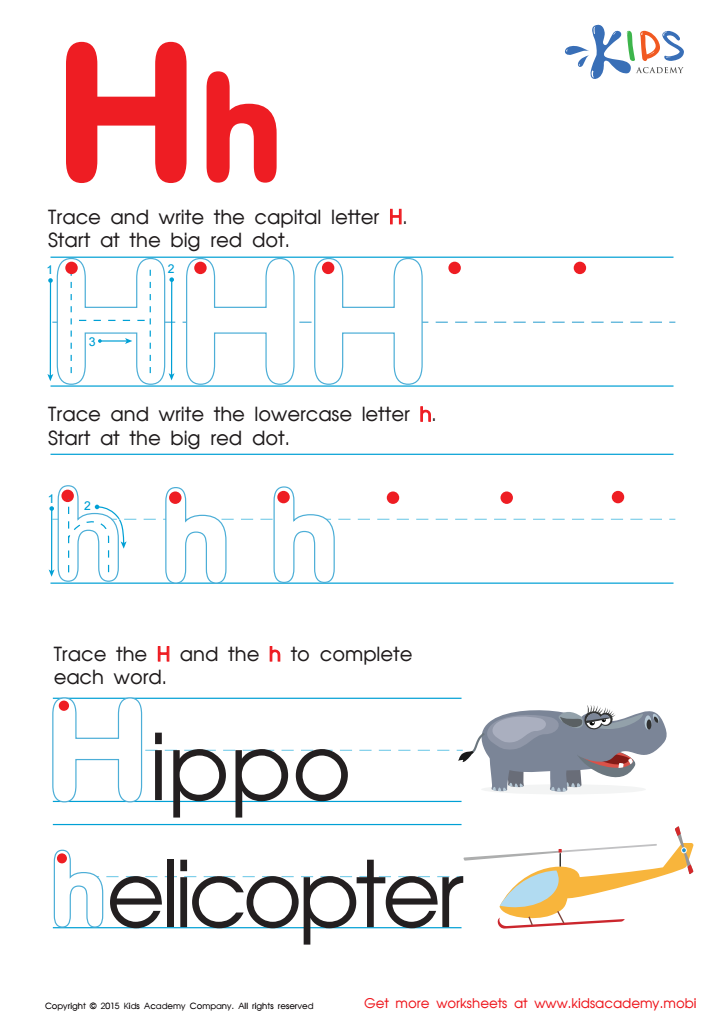
Letter H Tracing Page
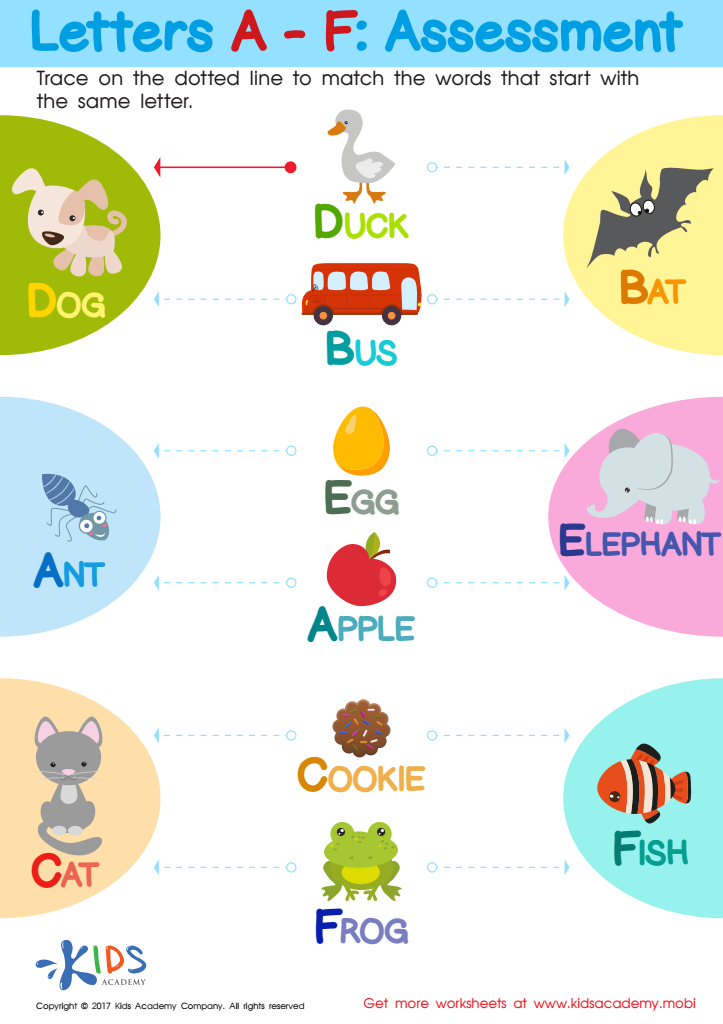
Letters A - F Worksheet
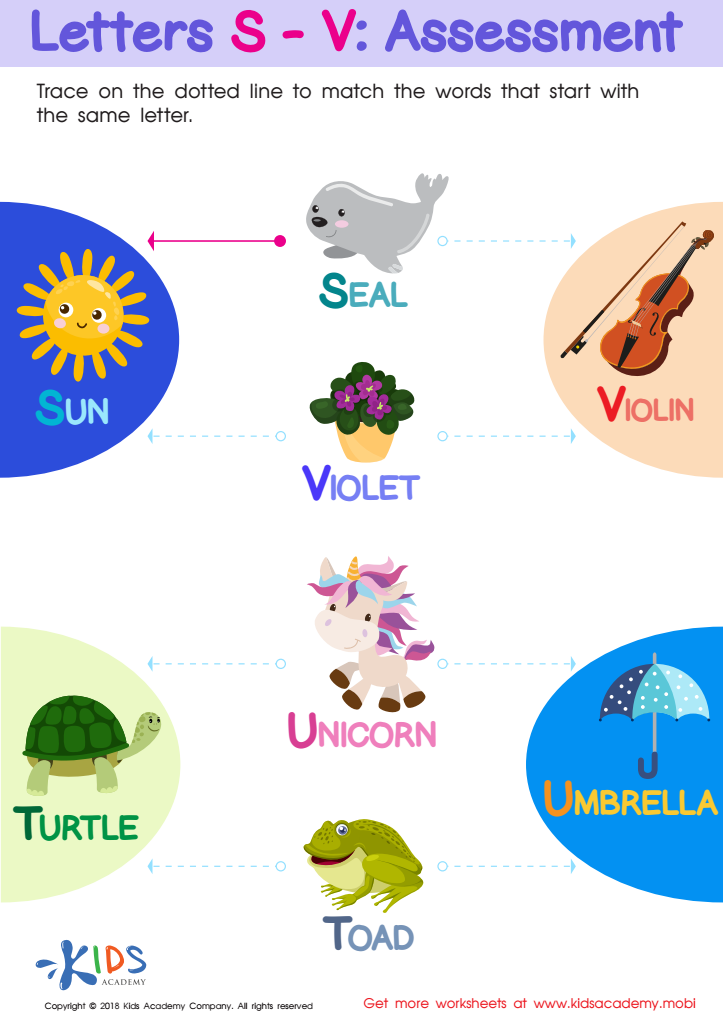
Letters S - V Tracing Worksheet
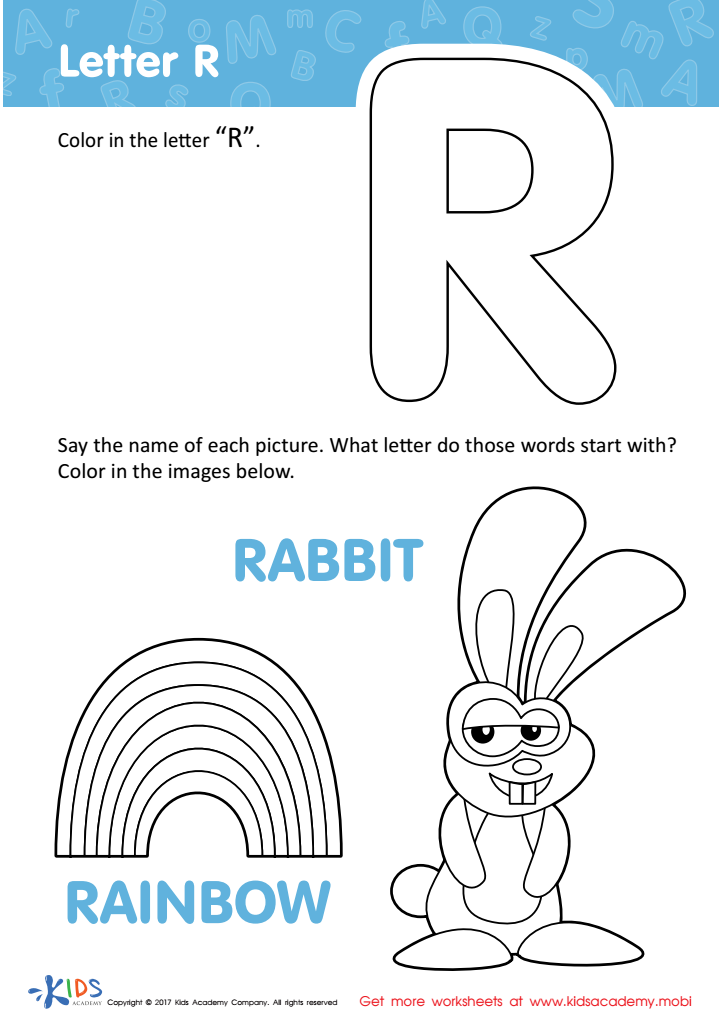
Letter R Coloring Sheet
Assign to My Students
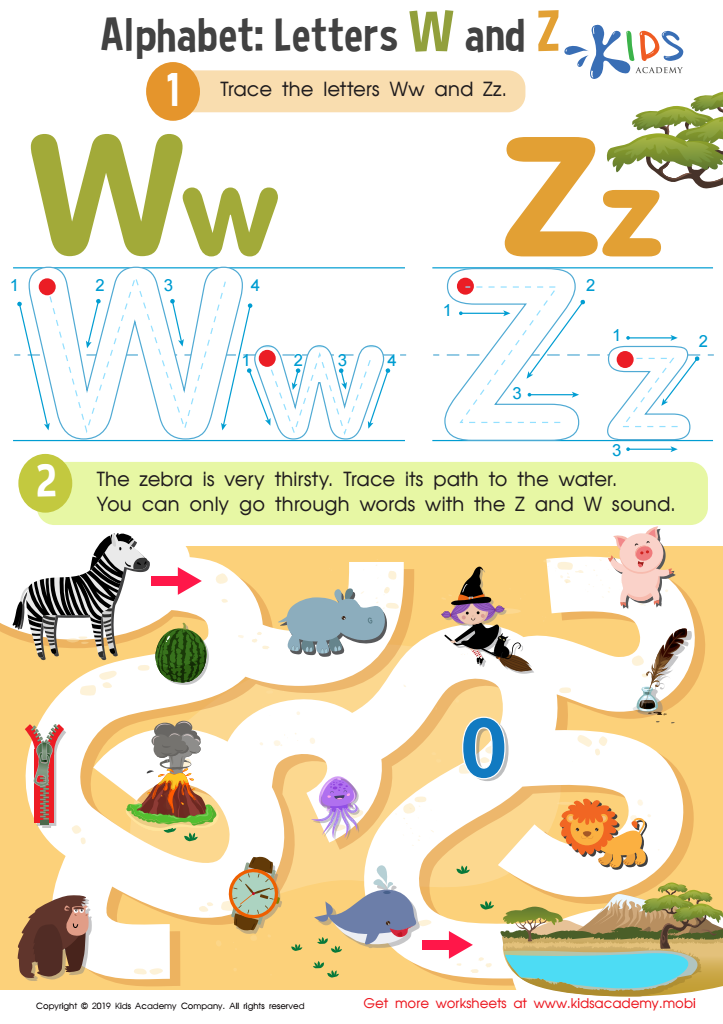
Letters W and Z Tracing Worksheet
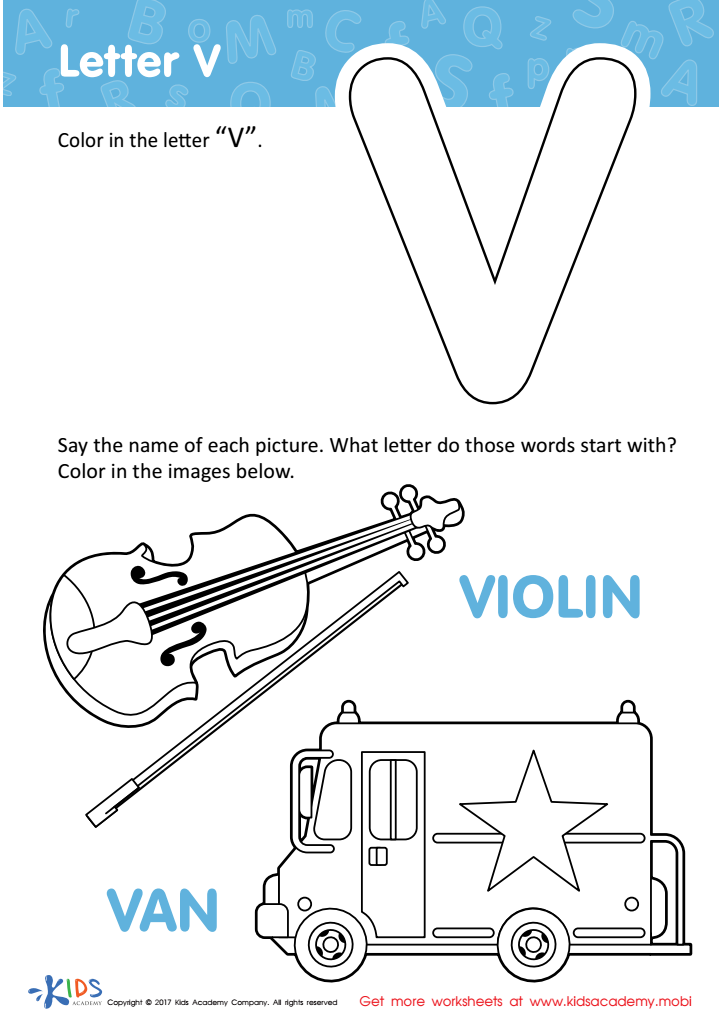
Letter V Coloring Sheet
Assign to My Students
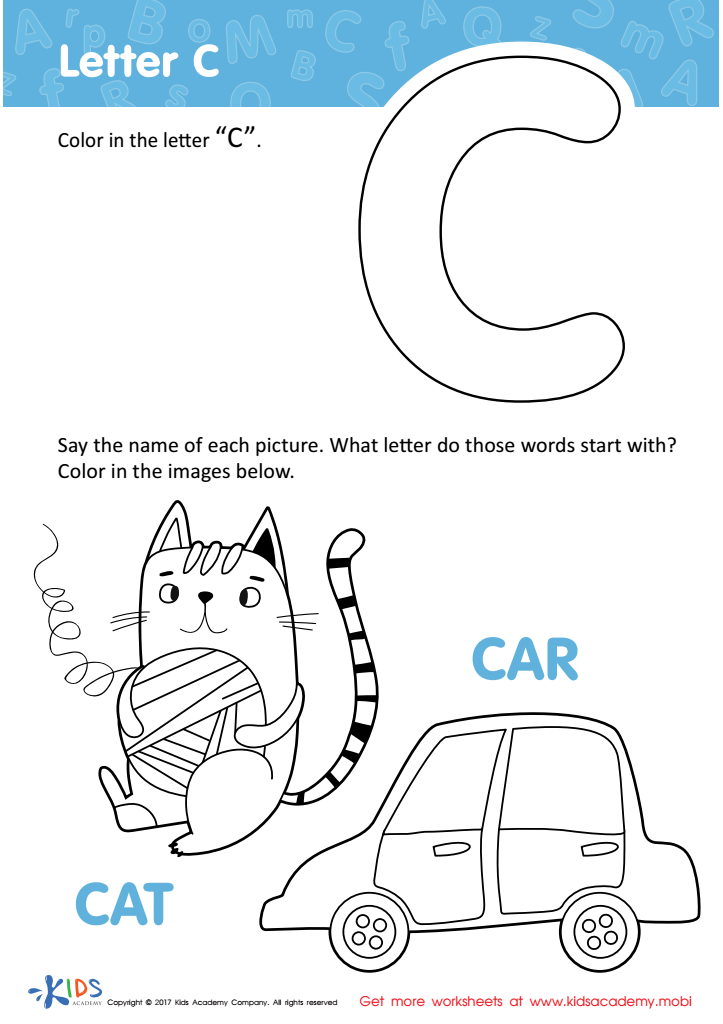
Letter C Coloring Sheet
Assign to My Students
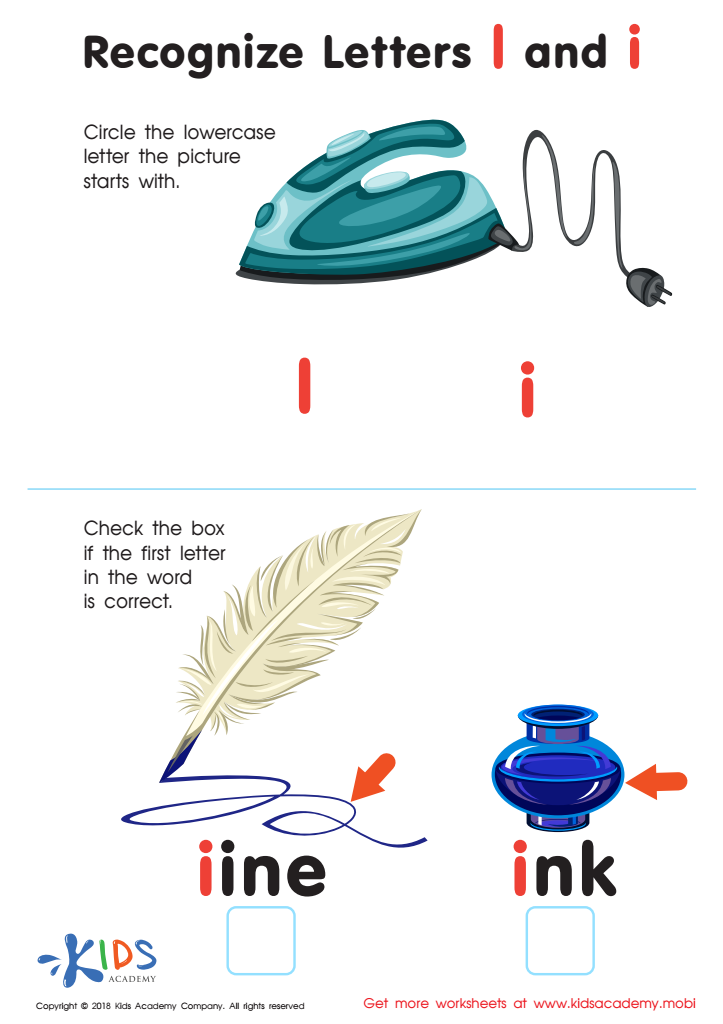
Recognize Letters l and i Worksheet
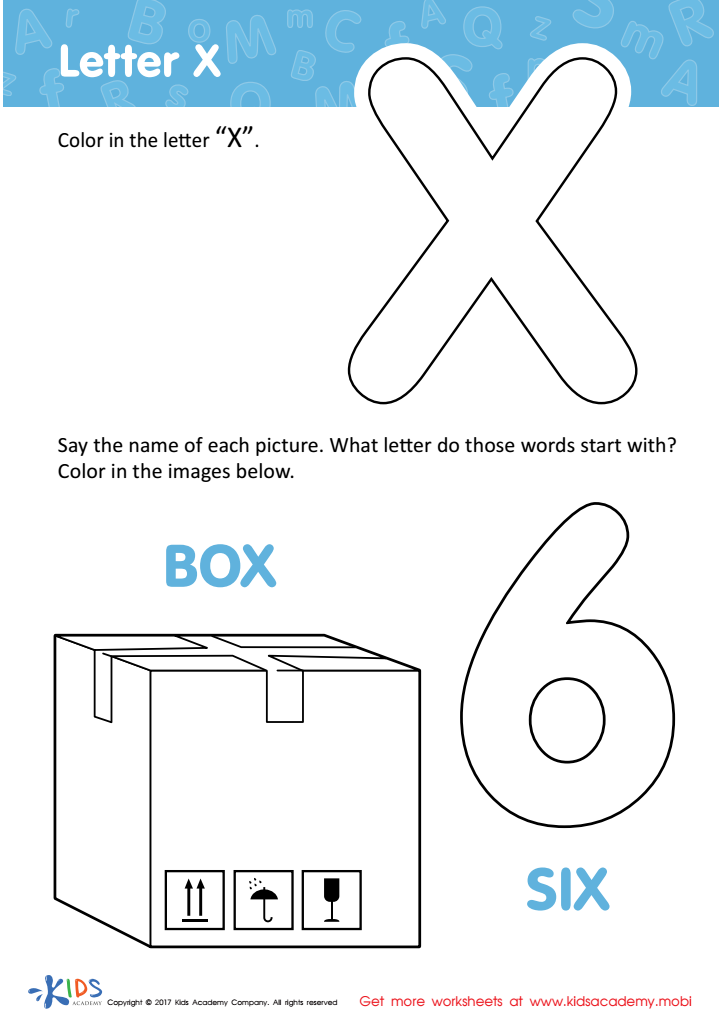
Letter X Coloring Sheet
Assign to My Students








Writing practice and letter recognition are fundamental building blocks of early childhood education, crucial for academic success. For ages 3-5, these activities are more than just preparatory steps for formal schooling; they significantly impact cognitive and motor skill development.
First, letter recognition helps children understand the basics of language. Recognizing letters and their sounds is the first step toward reading fluency. It allows children to decode words, fostering early reading skills which are pivotal for ongoing learning across subjects.
Engaging in writing practice, on the other hand, enhances fine motor skills. Activities like tracing or copying letters help hone coordination and control, aiding in the development of neat handwriting—an essential skill beyond academics.
Moreover, early mastery of these skills boosts confidence. When children can write their own names or recognize letters in their environment, it creates a sense of accomplishment and encourages a positive attitude toward learning.
For parents and teachers, focusing on writing practice and letter recognition sets a strong educational foundation. It helps identify any potential learning difficulties early, allowing for timely intervention. Additionally, these activities promote patience, concentration, and perseverance—qualities that benefit children lifelong. Investing time and effort in this crucial developmental stage ensures that children are well-prepared for the demands of their educational journey.







