Fine Motor Skills Phonics Worksheets for Ages 3-5
5 filtered results
-
From - To
Unlock your child's potential with our engaging Fine Motor Skills Phonics Worksheets designed specifically for ages 3-5! These interactive activities not only promote phonetic awareness but also enhance fine motor skills essential for early development. Through tracing, cutting, and coloring exercises, children will improve their hand-eye coordination while mastering letter sounds and shapes. Our thoughtfully crafted worksheets make learning fun, ensuring your little one stays engaged while building a strong foundation in literacy. Explore a variety of themes and activities that cater to young learners, helping them gain confidence and prepare for future success in reading and writing. Start their learning journey today!
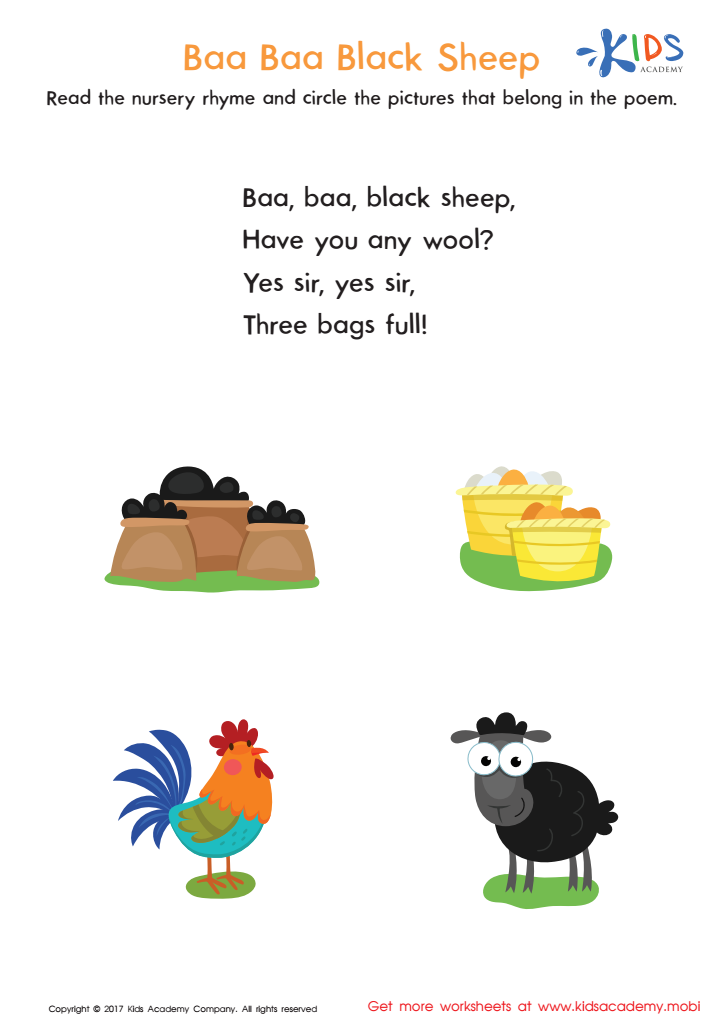
Baa Baa Black Sheep Printable
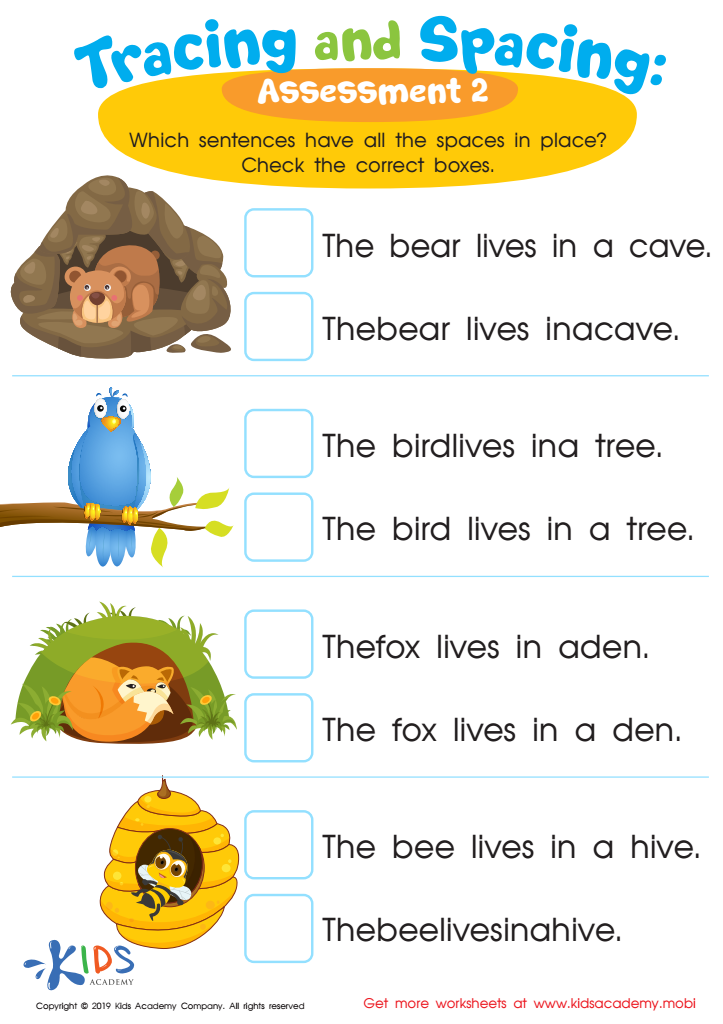
Tracing and Spacing: Assessment 2 Worksheet
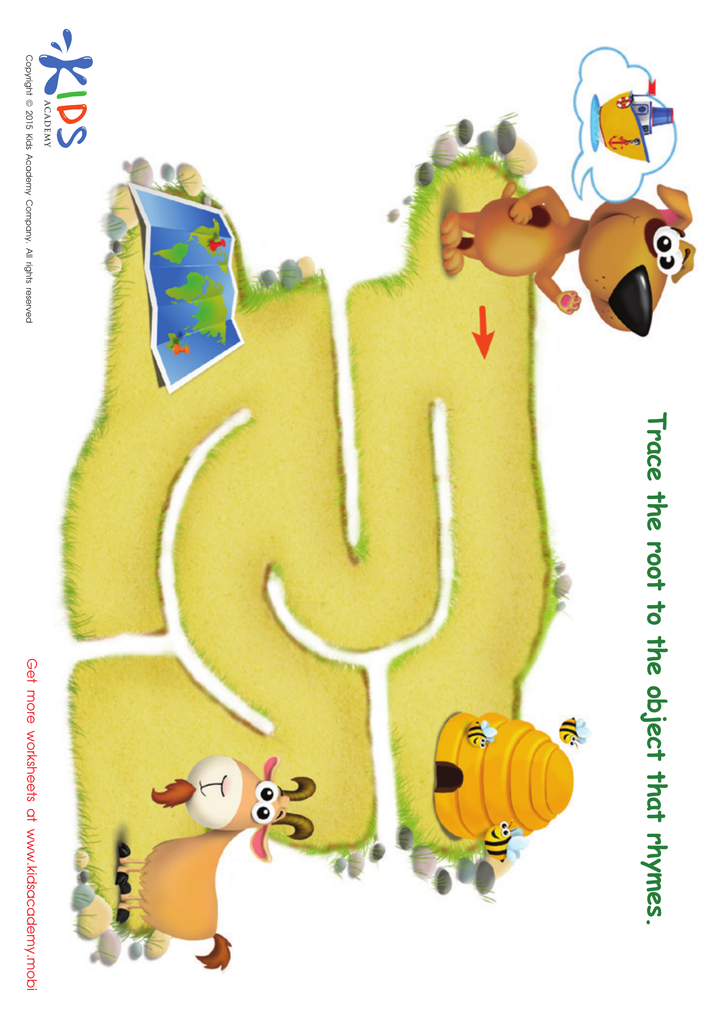
Boat Rhyming Words Worksheet

Long and Short U Worksheet
 Assign to My Students
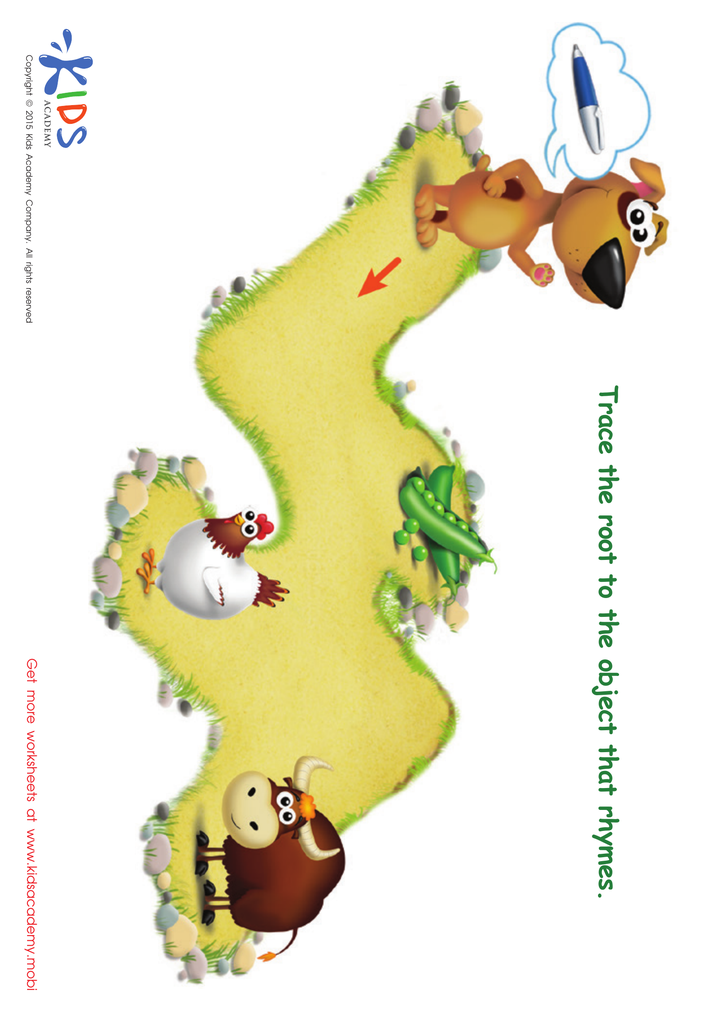
Pen Rhyming Words Worksheet








Fine motor skills and phonics development are essential components of early childhood education, especially for children ages 3-5. Parents and teachers should prioritize these skills because they lay the groundwork for future learning and overall cognitive development.
Fine motor skills involve the precise movements of the hands and fingers, which are crucial for activities such as writing, drawing, and using scissors. By fostering these skills early on, children gain the hand-eye coordination and dexterity necessary for more complex tasks, promoting independence and confidence. Engaging in activities like playdough manipulation, bead threading, and tracing can enhance these abilities while making learning enjoyable.
Phonics, on the other hand, provides the fundamental understanding of the relationship between letters and sounds. For children aged 3-5, learning phonics lays the critical foundation for reading and writing. Early exposure to phonetic sounds helps with vocabulary development and language comprehension, setting the stage for successful literacy skills later on.
By focusing on fine motor skills and phonics, parents and teachers can create a holistic learning environment that supports children’s readiness for school and lifelong learning, enhancing their cognitive abilities, creativity, and communication skills. Ultimately, this attention fosters an effective and engaging early learning experience, making it essential for caregivers to implement these practices.







