Letter-sound correlation Phonics Worksheets for Ages 3-5
6 filtered results
-
From - To
Discover the joy of learning with our Letter-Sound Correlation Phonics Worksheets designed specifically for children ages 3-5. These worksheets from Kids Academy expertly blend fun and education to help young learners connect letters with their corresponding sounds. Perfect for preschool and kindergarten students, these phonics activities enhance reading readiness by strengthening foundational literacy skills. Watch as your child explores the alphabet, boosts their vocabulary, and gains confidence in their reading abilities. With exciting visual aids and engaging exercises, early learners will develop a solid understanding of phonics. Nurture your child's love for learning today!
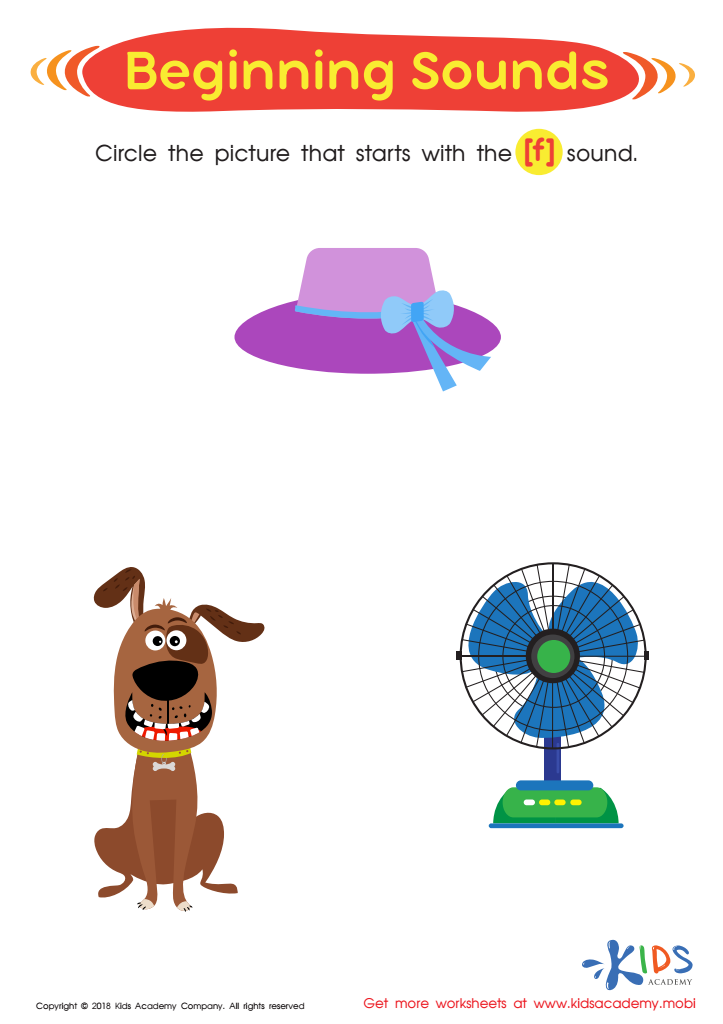
Beginning Sounds Assessment Printable
 Assign to My Students
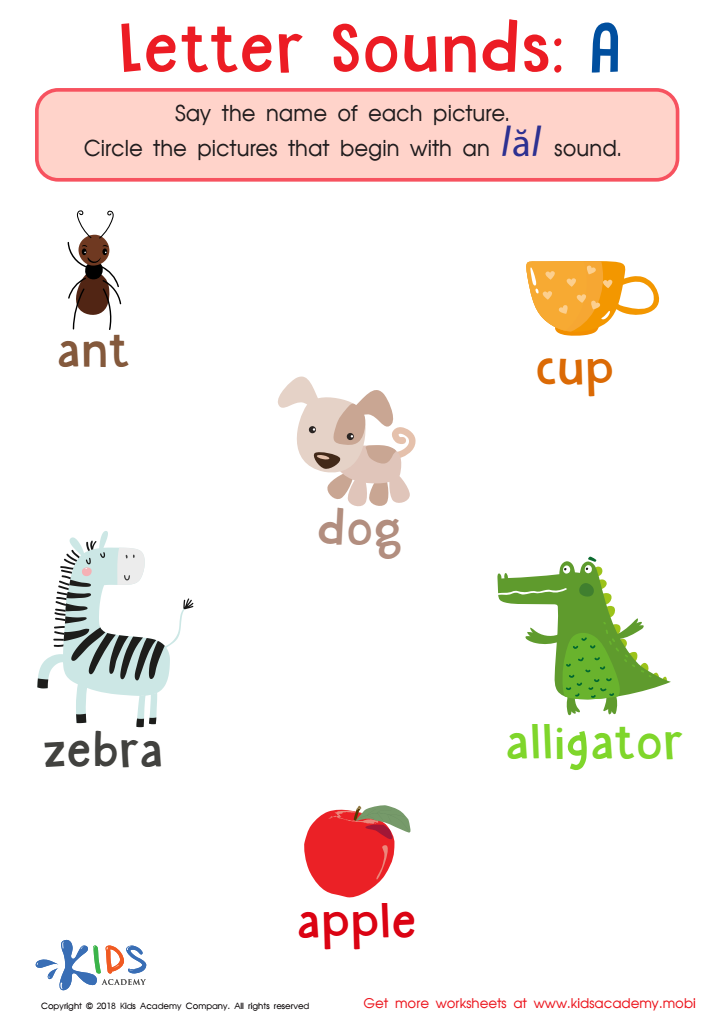
Letter A Sounds Worksheet
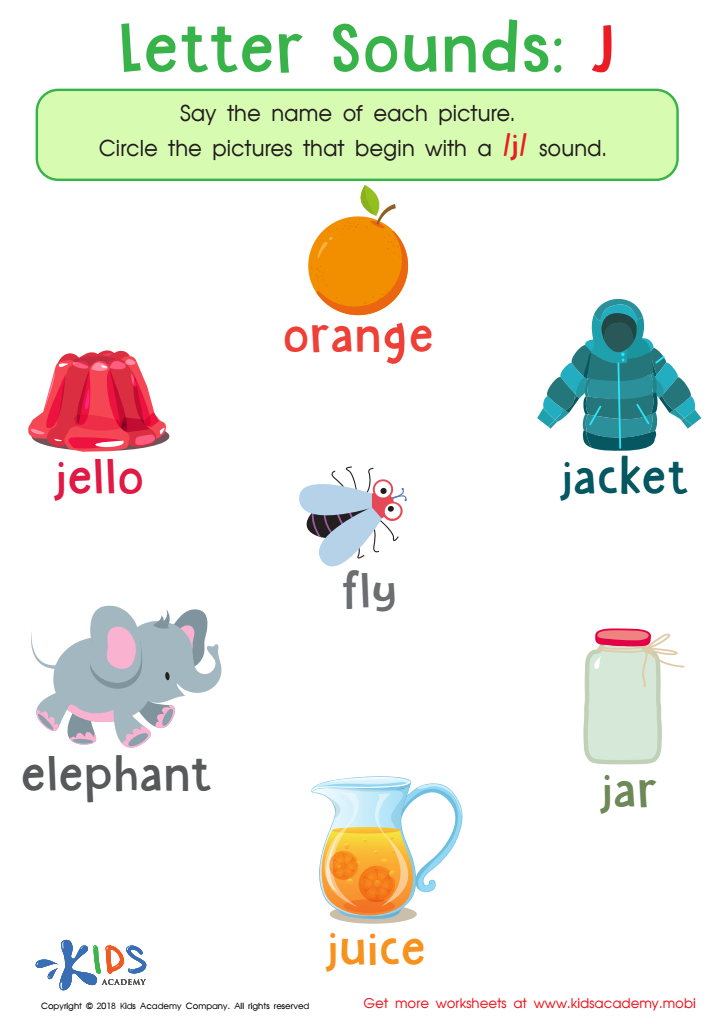
Letter Sounds: J Printable Worksheet
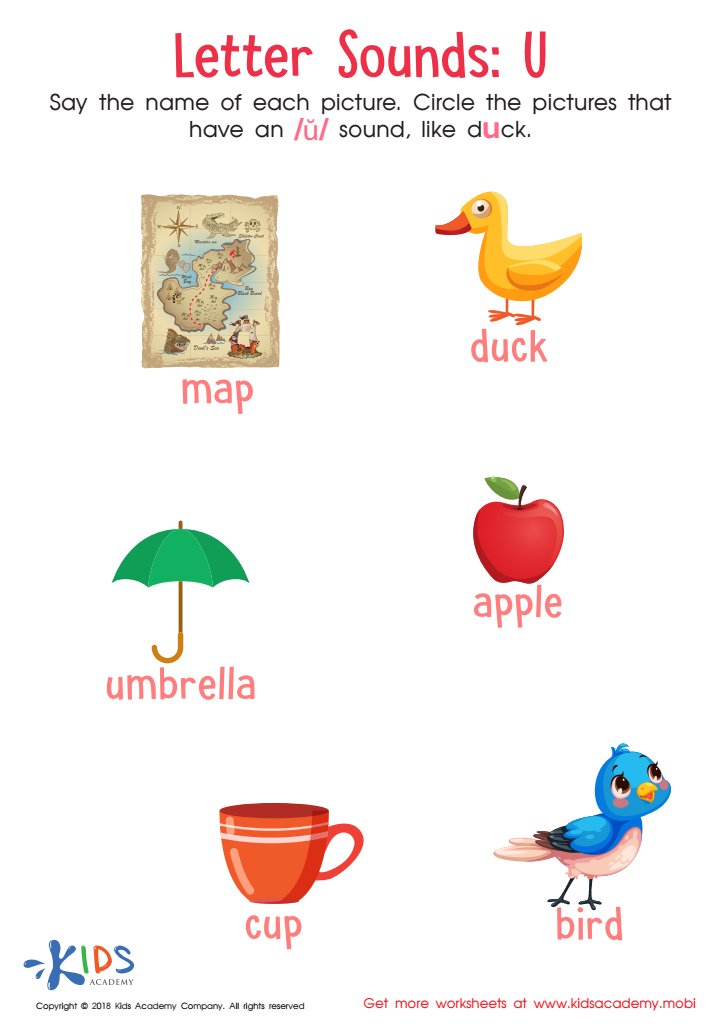
Letter U Sounds Worksheet
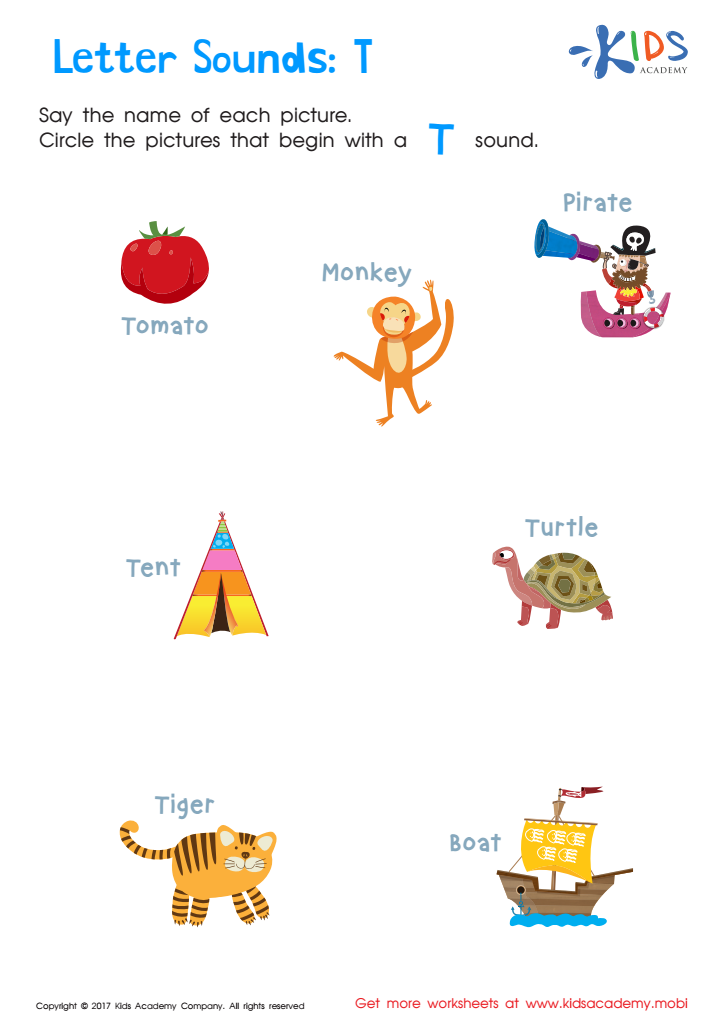
Letter T Sounds Worksheet
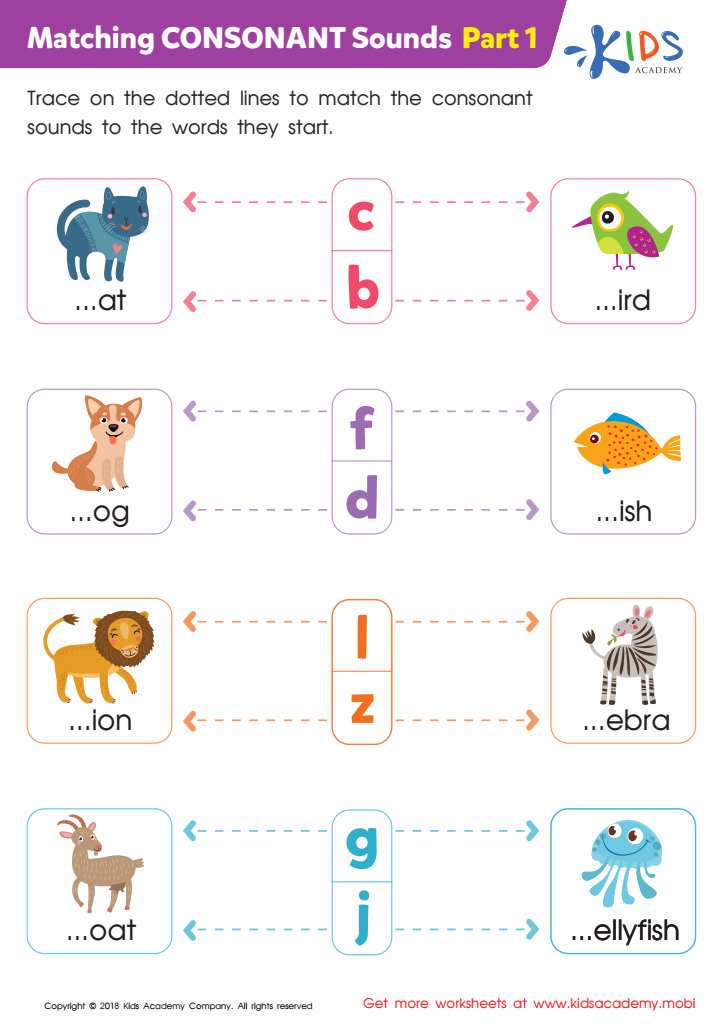
Matching Consonant Sounds: Part 1 Worksheet








Understanding letter-sound correlations, or phonics, is crucial for young children aged 3-5 because it forms the foundation for reading and writing skills. At this stage, children's brains are exceptionally adaptable and primed for language development. Phonics instruction helps them recognize the connection between letters and sounds, a critical step in decoding words.
When children grasp these correlations early, they gain the ability to sound out words, leading to improved reading accuracy and fluency. For instance, knowing that the letter "B" makes the "buh" sound helps them read the word "bat." This boosts their confidence and encourages a positive attitude toward reading.
Parents and teachers play a pivotal role in this learning process. For teachers, incorporating phonics into the curriculum involves fun, engaging activities like singing alphabet songs, reading phonics-based stories, and playing sound matching games. For parents, reinforcing these skills at home strengthens classroom learning and shows children that reading is a valuable and enjoyable skill.
Investing time and effort into phonics during these early years sets the stage for academic success. Children who can read independently by the end of kindergarten are more likely to excel across all subjects, shaping not just their educational outcomes but their lifelong love of learning.







