Phonics development Phonics Worksheets for Ages 3-5
5 filtered results
-
From - To
Discover our engaging phonics worksheets designed specifically for children aged 3-5! These resources support early reading and literacy skills through fun and interactive activities, carefully crafted to enhance phonics development. Our worksheets help young learners recognize letter sounds, blend sounds, and decode words, fostering essential skills for a solid foundation in reading. With colorful designs and age-appropriate exercises, children will love exploring phonics while building confidence in their reading abilities. Explore our collection today to find a variety of worksheets that will capture your child's interest and promote effective learning through play. Perfect for home or classroom use!
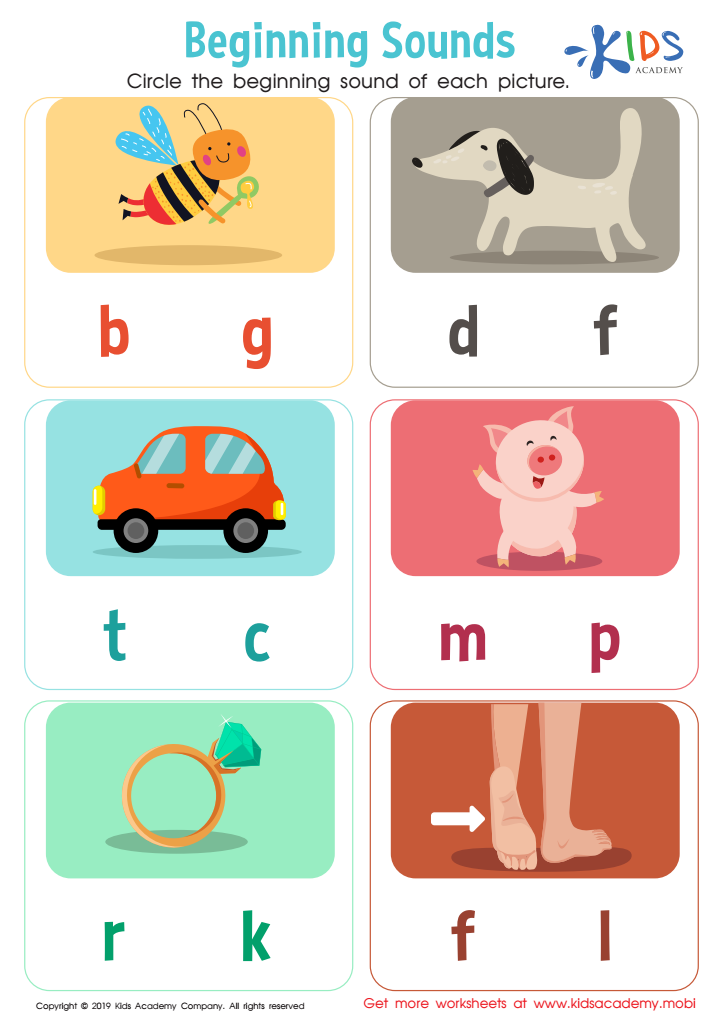
Beginning Sounds Worksheet
 Assign to My Students
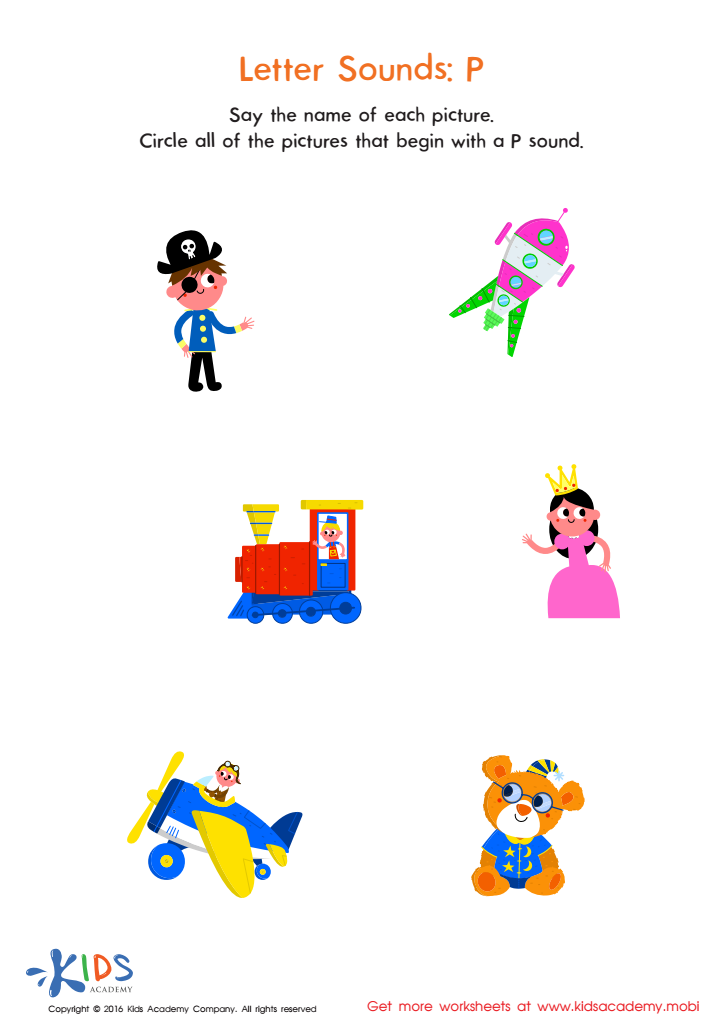
Letter P Sound Worksheet
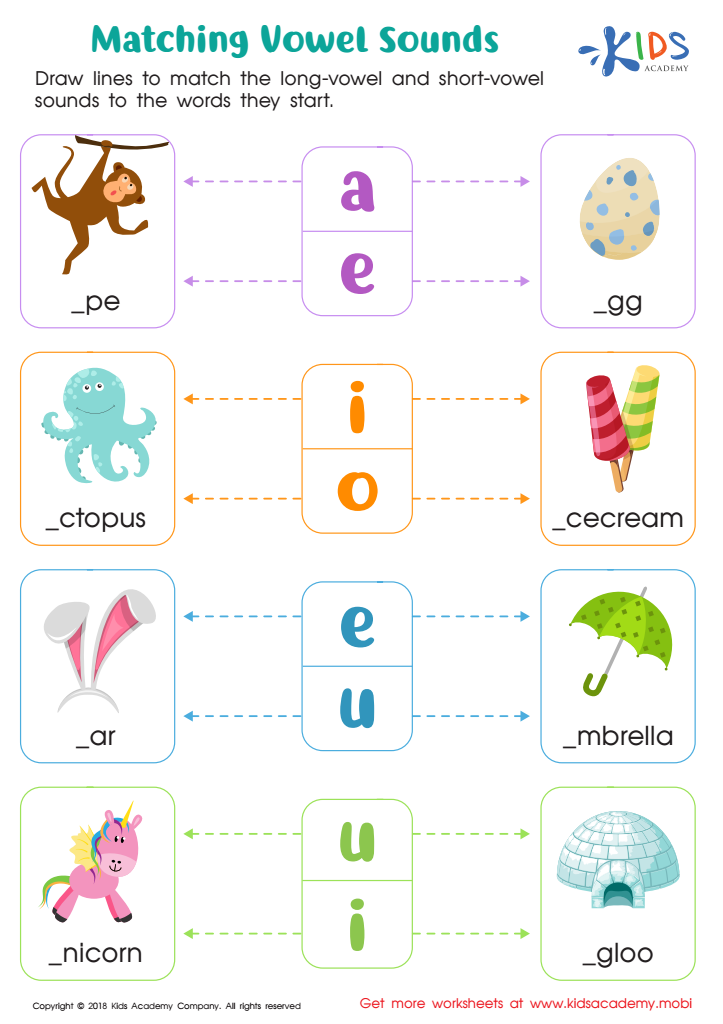
Matching Vowel Sounds Worksheet
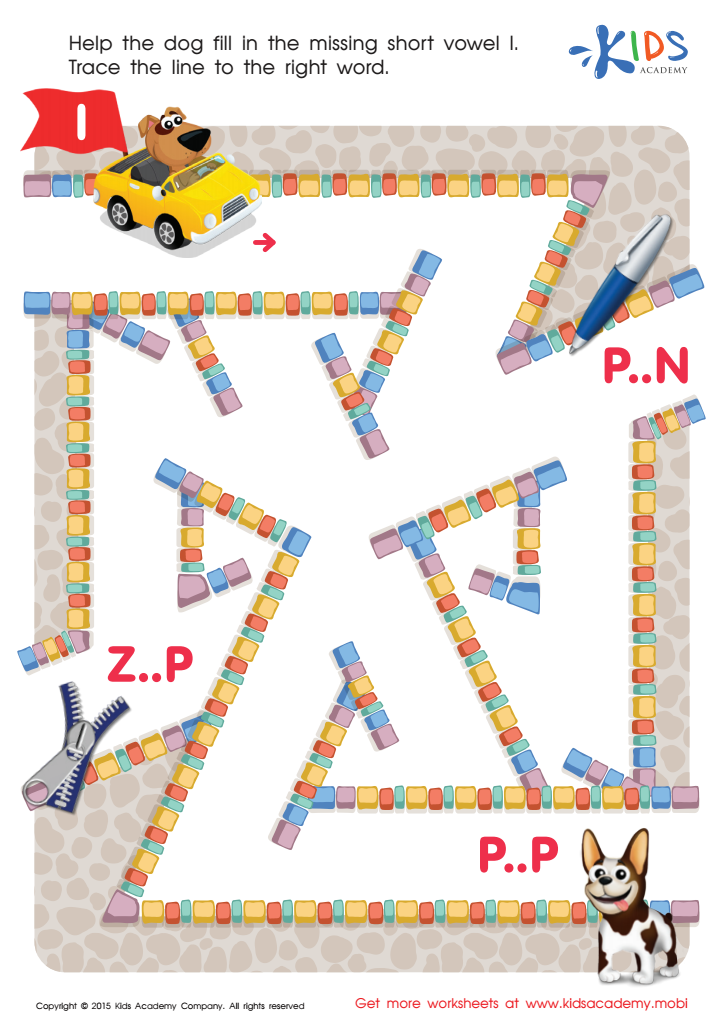
Short Vowel Sound I Worksheet
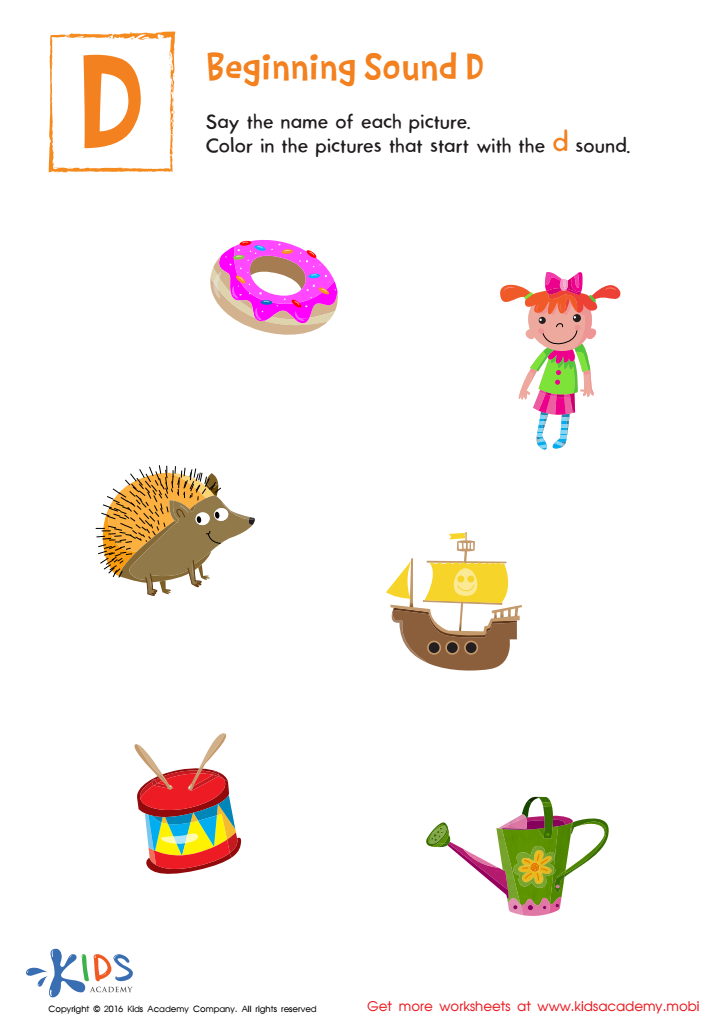
Beginning Sound D Worksheet








Phonics development in children aged 3-5 is crucial for several reasons, making it a priority for both parents and teachers. At this developmental stage, children are laying the groundwork for their reading and writing skills. Phonics—the relationship between letters and sounds—helps them understand how spoken language is represented in written form.
Firstly, mastering phonics supports early literacy, enabling children to decode and blend sounds to read simple words. This builds their confidence and fosters a love of reading, which is essential for ongoing academic success. Additionally, strong phonics skills are linked to improved spelling capabilities, aiding communication development.
Secondly, phonics instruction can significantly enhance language acquisition. By engaging with phonetic activities, children develop auditory discrimination and fine motor coordination, skills that are beneficial across all learning areas.
Moreover, children who are proficient in phonics often demonstrate greater reading fluency and comprehension going forward, reducing the risk of future learning difficulties. When parents and teachers prioritize phonics development, they equip children with essential tools for lifelong learning, setting them on a path to academic achievement and fulfillment. Promoting phonics at this early age creates a positive foundation for language and literacy skills that will serve students throughout their educational journey.







