Phonics skills development Phonics Worksheets for Ages 3-5
5 filtered results
-
From - To
Our Phonics Skills Development Worksheets for Ages 3-5 provide a foundation for early readers, making learning alphabet sounds engaging and effective. Each activity is tailored to capture young learners' interests while enhancing their ability to recognize, blend, and pronounce sounds. Our printable worksheets feature colorful images and interactive exercises designed to support literacy skills through fun, hands-on practice. Ideal for preschool and kindergarten readiness, our phonics worksheets help children build confidence and improve their reading proficiency from an early age. Start building strong phonics skills today and set the stage for lifelong reading success!
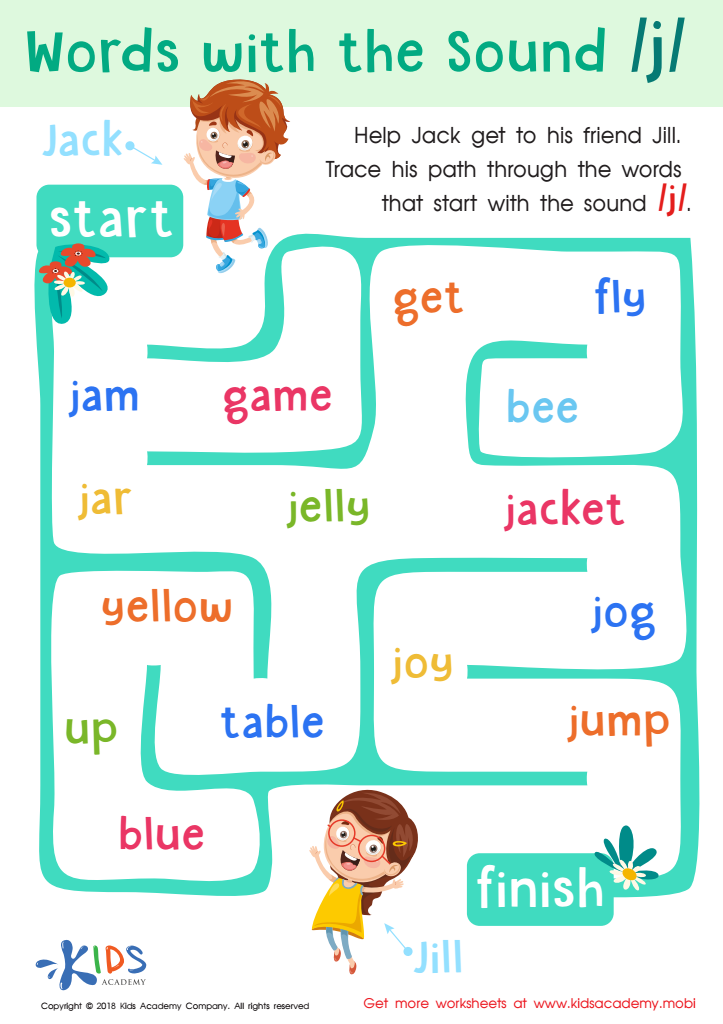
Words with sound j Reading Worksheet
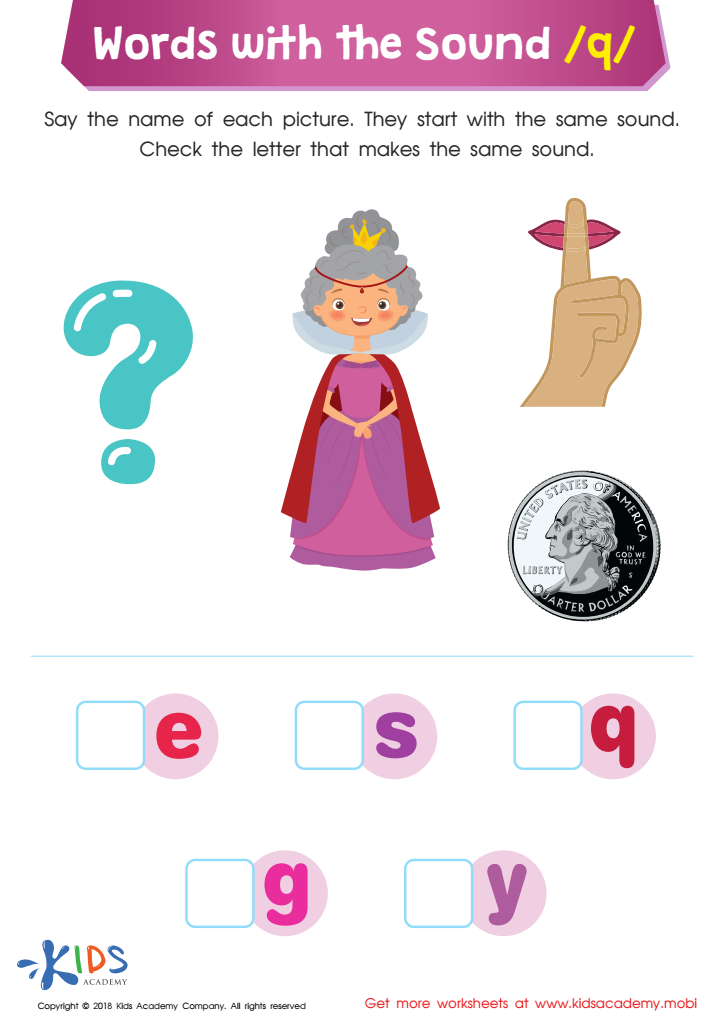
Words with Sound Q Reading Worksheet
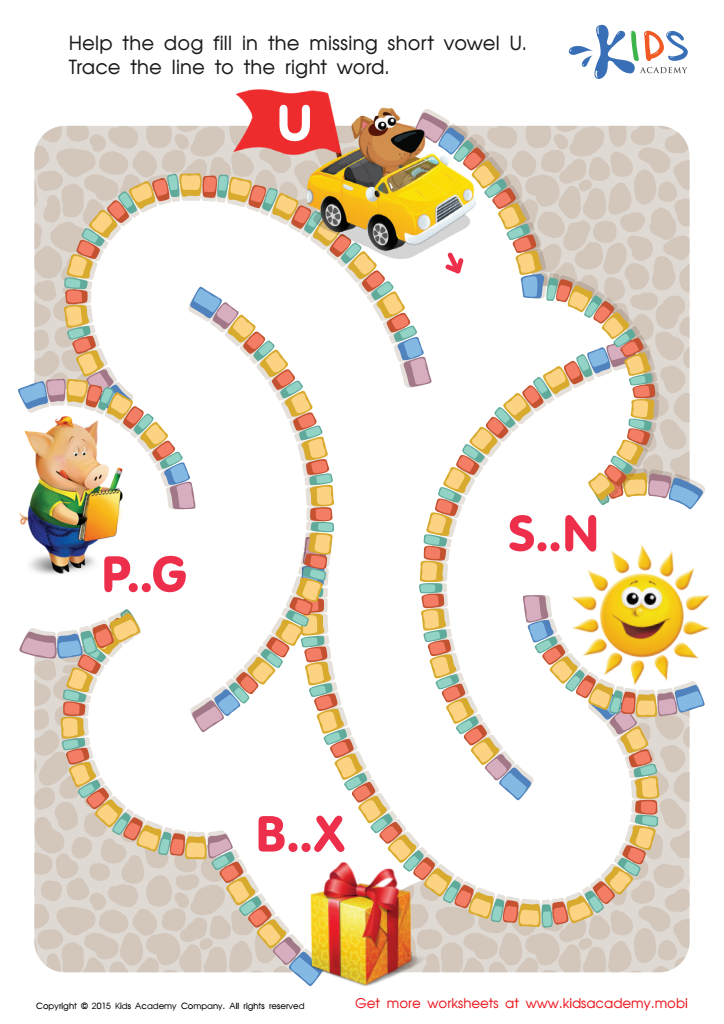
Short Vowel Sound U Worksheet
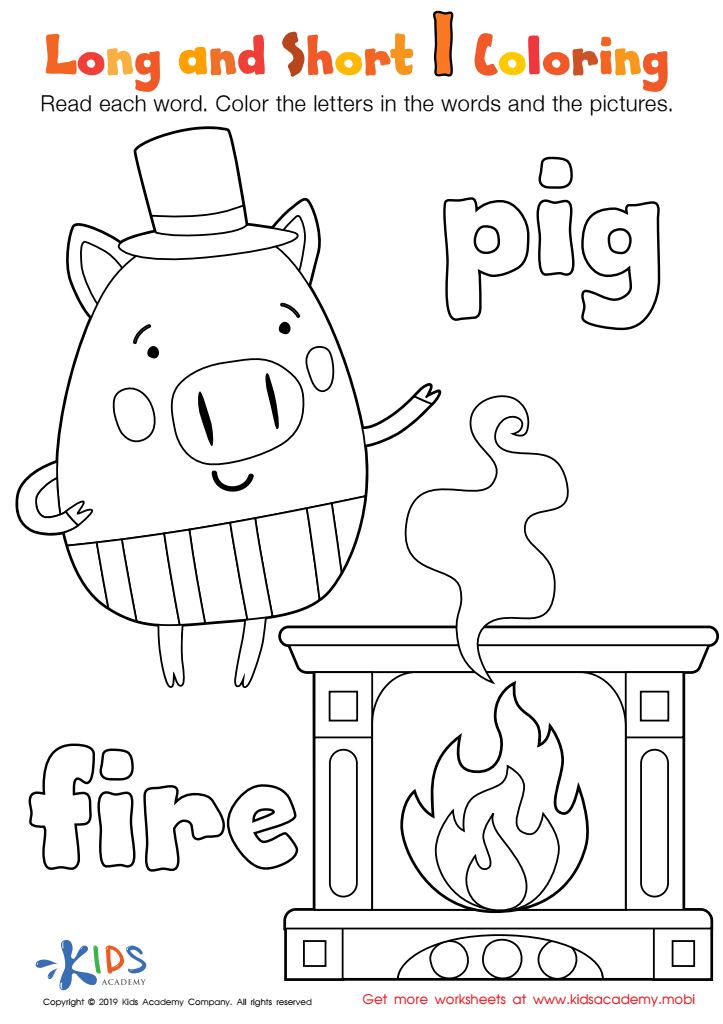
Long and Short I Worksheet
 Assign to My Students
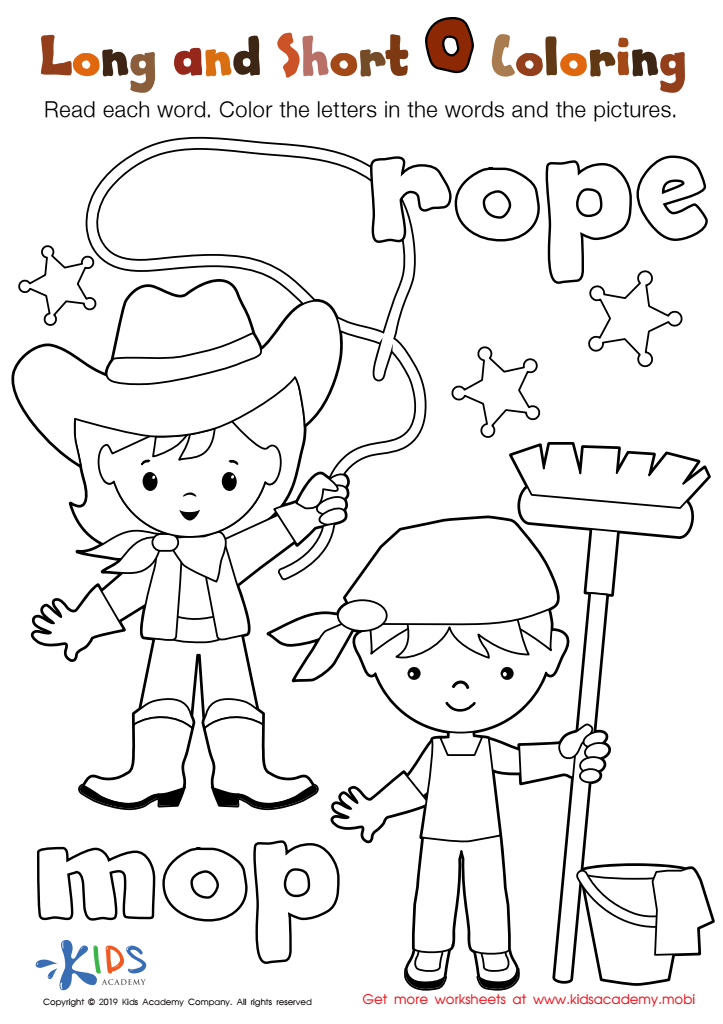
Long and Short O Worksheet
Assign to My Students








Phonics skills development in children aged 3-5 is crucial because it lays the foundational framework for reading and literacy, which are cornerstones of academic achievement and lifelong learning. During these early developmental years, children are highly receptive and their brains are rapidly developing. Phonics, which involves the relationship between sounds and their spellings, aids children in decoding words – a key first step in learning to read.
When children develop strong phonics skills, they become more confident and enthusiastic readers. This early confidence fosters a love for reading early on, which can lead to better vocabulary, comprehension, and overall language skills. Strong reading skills are predictive of later academic success, making phonics instruction an investment in a child's future education.
Additionally, early literacy skills gained through phonics improve communication, enhance critical thinking, and increase attention to detail. Beyond academics, the ability to read proficiently opens doors to imaginative worlds and a plethora of knowledge, shaping inquisitive, well-rounded individuals.
Overall, early phonics instruction helps bridge the gap between spoken and written language, smoothing the path for subsequent literacy endeavors and setting children up for success both in school and beyond. Therefore, parents and teachers should be both attentive and proactive in nurturing these skills during these formative years.







