Reading skills development Phonics Worksheets for Ages 3-5
5 filtered results
-
From - To
Explore our engaging and interactive Phonics Worksheets designed specifically for children ages 3 to 5, focusing on essential reading skills development. These printables incorporate colorful illustrations and fun activities to help young learners recognize letters, sounds, and basic word patterns. Our phonics worksheets promote early literacy by making learning enjoyable and effective. With targeted exercises, children will enhance their phonemic awareness, build a strong vocabulary, and develop a love for reading. Perfect for parents and educators, these worksheets provide a solid foundation for lifelong reading success. Begin your child's reading journey today with our thoughtfully crafted phonics resources!
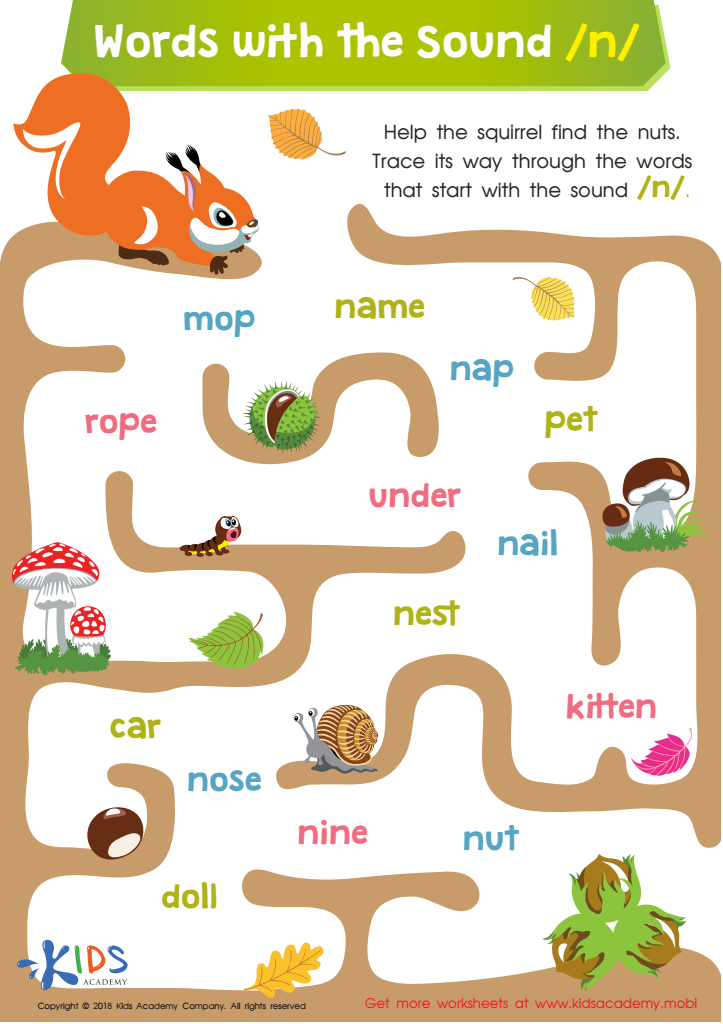
Words with Sound N Reading Worksheet
 Assign to My Students
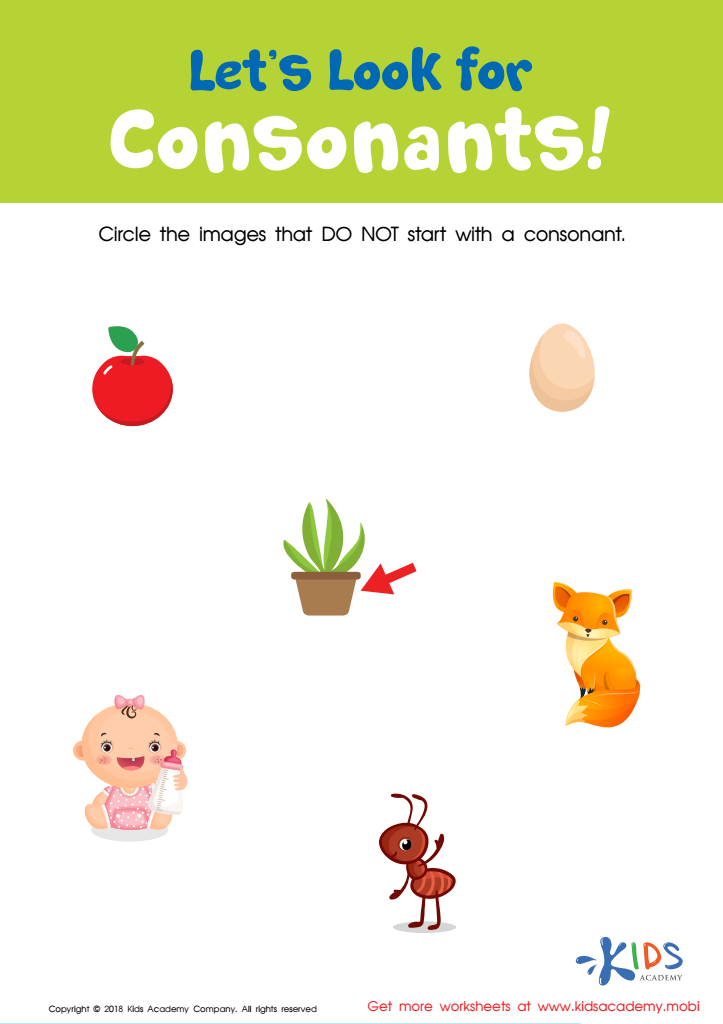
Let's Look for Consonants Worksheet
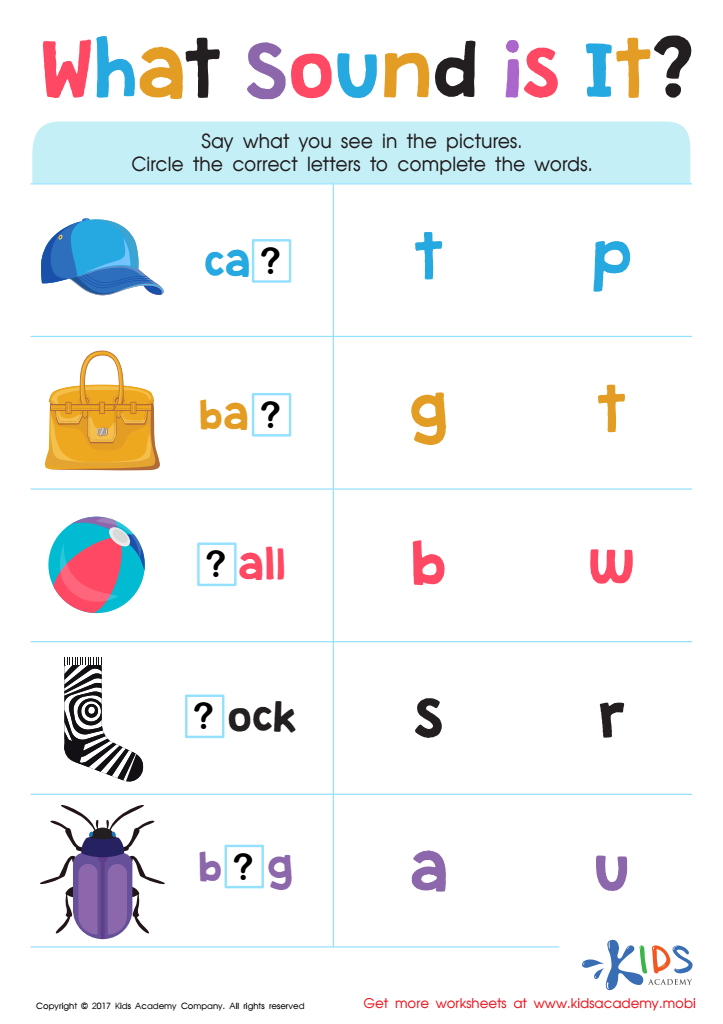
What Sound Is it? Worksheet
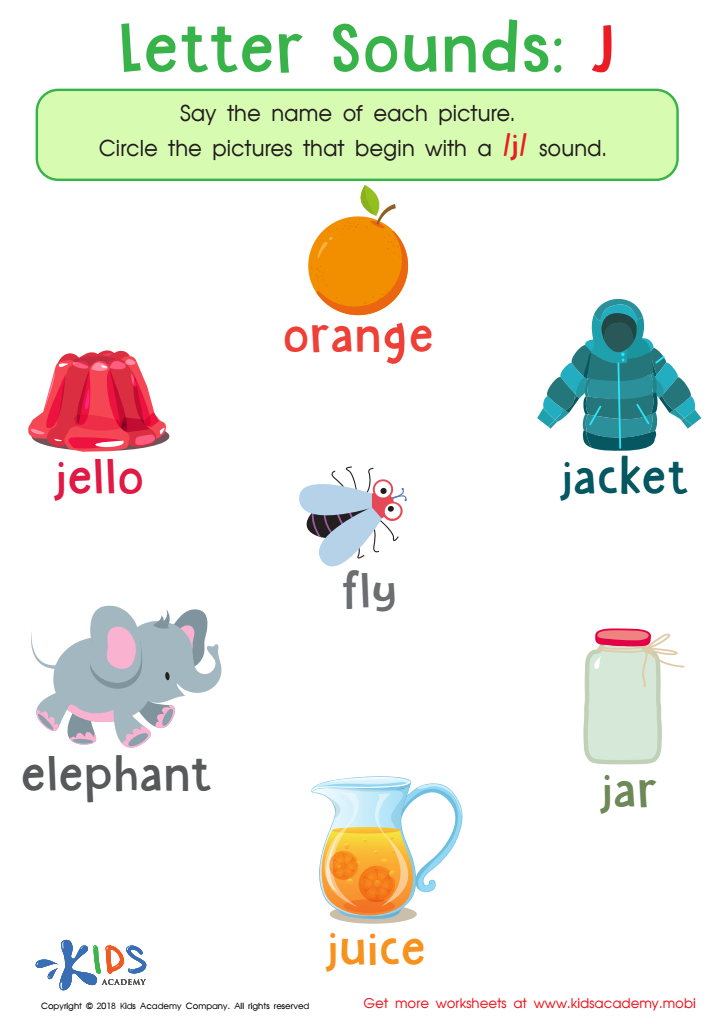
Letter Sounds: J Printable Worksheet
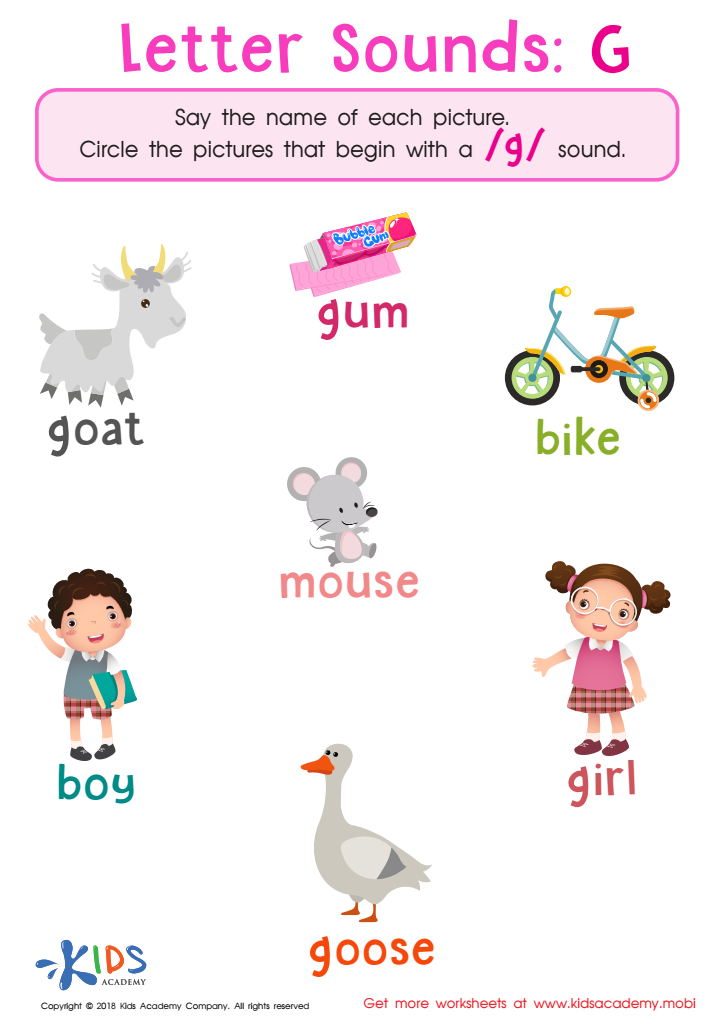
Letter G Sounds Worksheet








Reading skills, especially phonics, are foundational for children's literacy development and should be a priority for parents and teachers of children aged 3-5. Phonics, the relationship between sounds and their corresponding letters, serves as a building block for early reading success. At this young age, children are particularly receptive to language patterns, and introducing phonics can significantly enhance their ability to decode words and recognize letters.
When children learn phonics, they gain the tools to sound out unfamiliar words, boosting their confidence and enjoyment in reading. This early exposure lays the groundwork for vocabulary development and comprehension skills, critical components for future academic achievements. Additionally, strong reading skills can foster a love for books and reading that lasts a lifetime, sparking imagination and curiosity.
Moreover, engaged parents and teachers can cultivate a supportive environment where children feel encouraged to explore reading. Collaboration in fostering phonics skills enables children to reach their full potential, bridging the gap between spoken language and literacy. In summary, prioritizing phonics in early education not only equips children with essential reading skills but also lays the foundation for lifelong learning and success.







