Vocabulary expansion Phonics Worksheets for Ages 3-5 - Page 2
29 filtered results
-
From - To
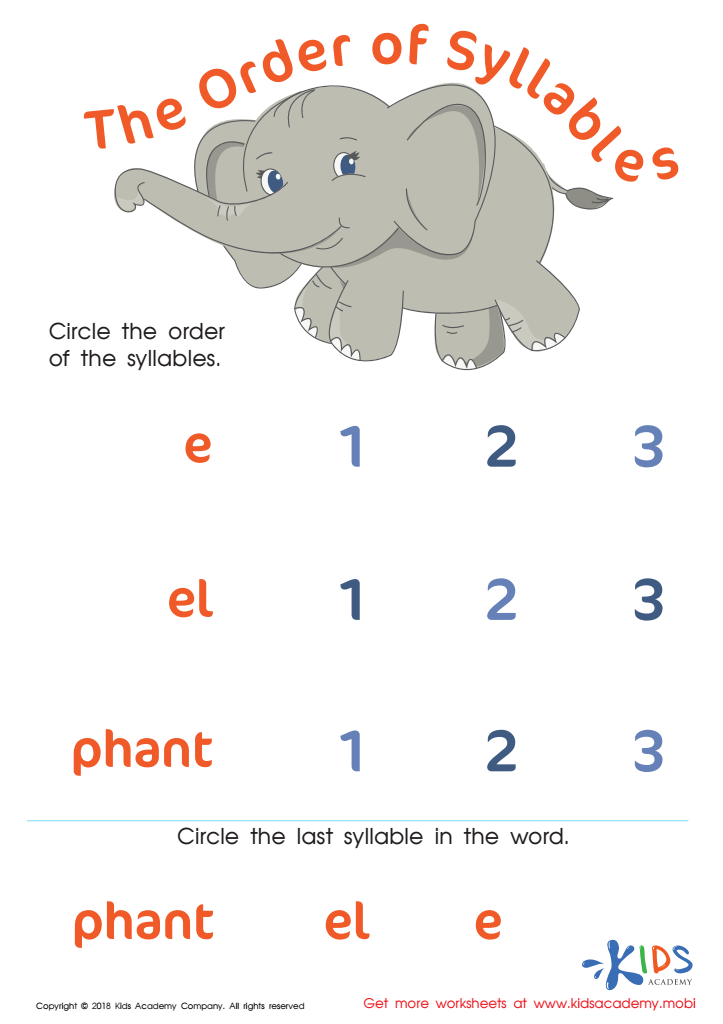
The Order of Syllables Worksheet
 Assign to My Students
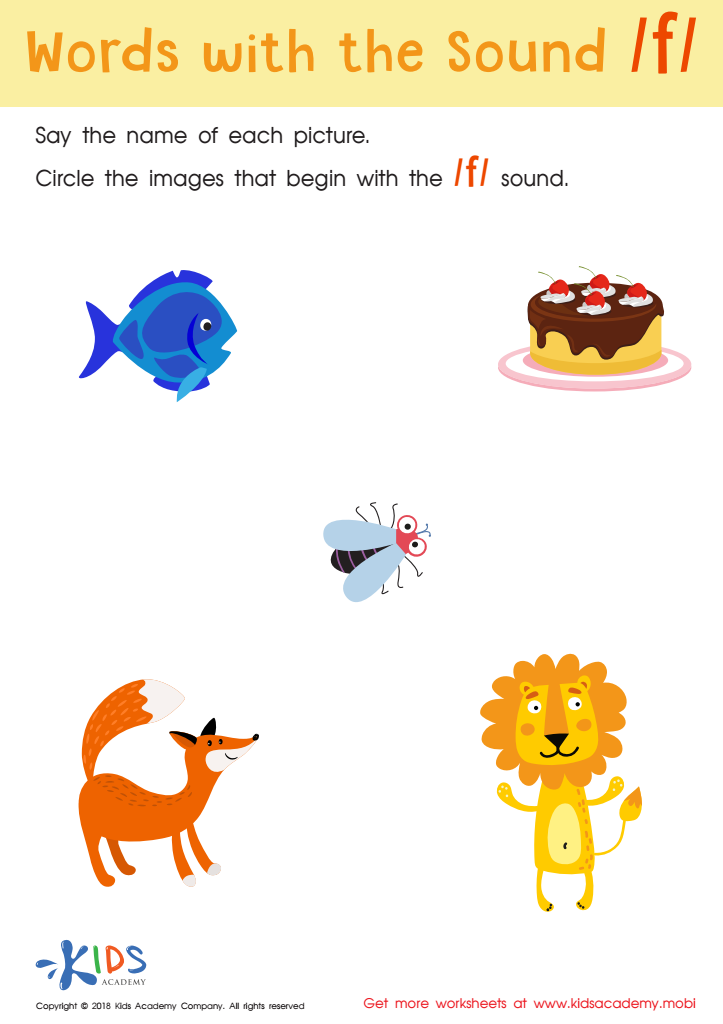
Words with sound f Reading Worksheet
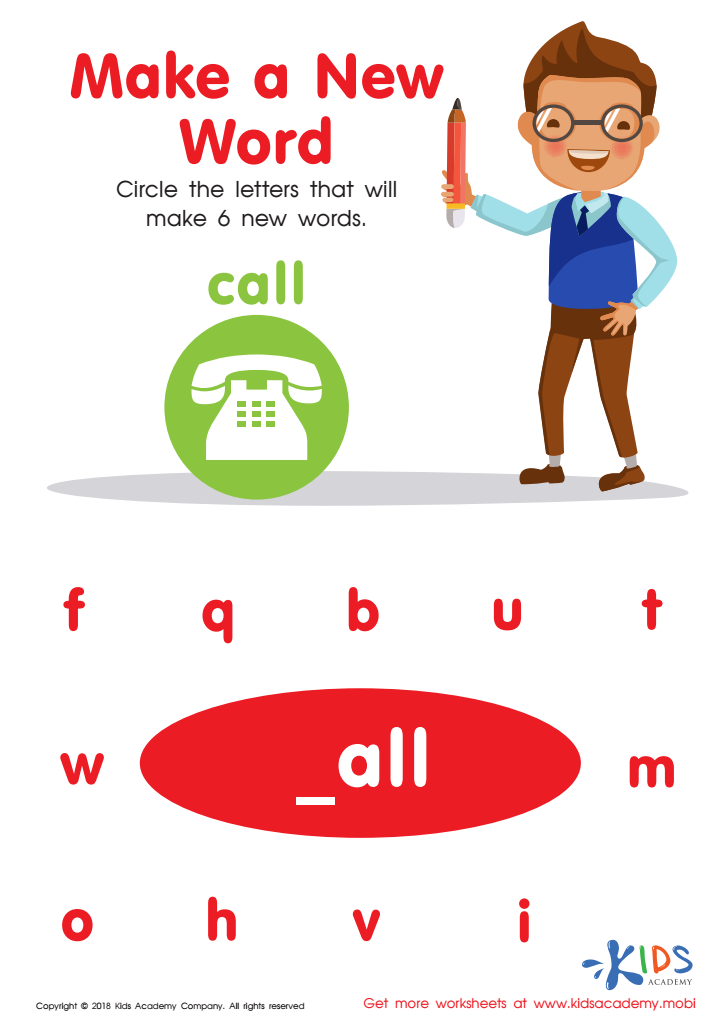
Make a New Word Worksheet
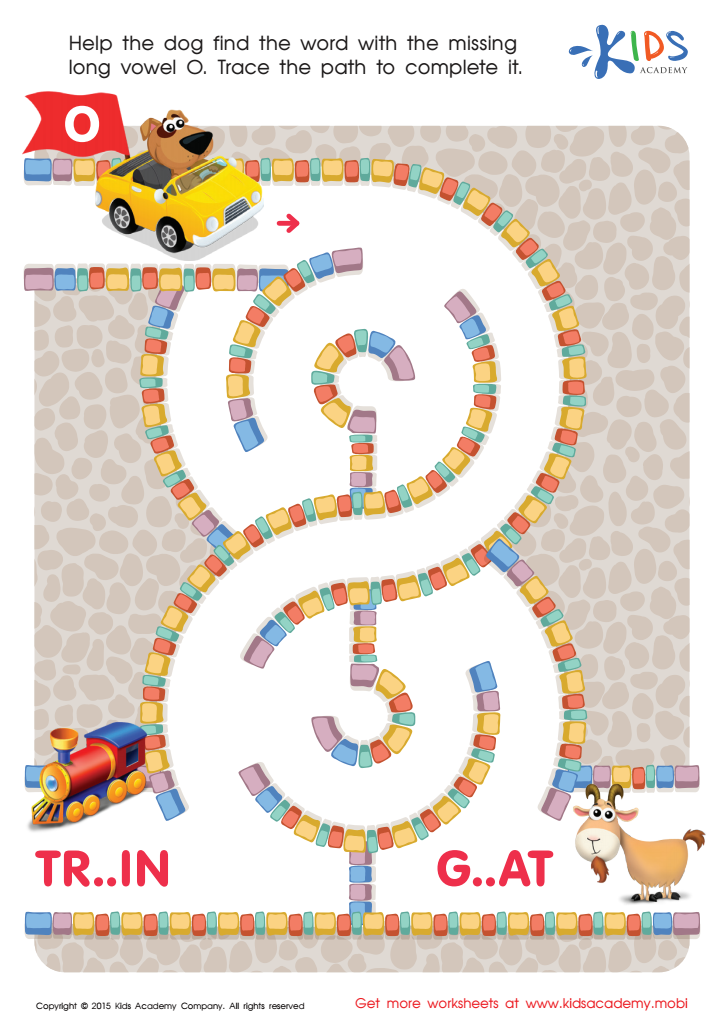
Long Vowel Sound O Worksheet
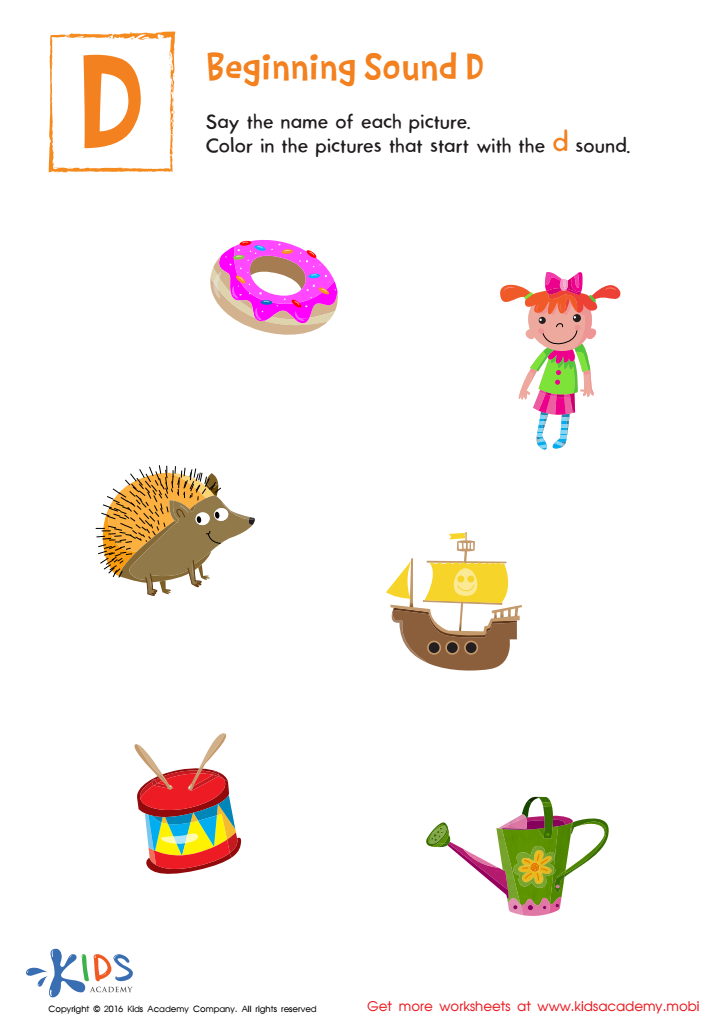
Beginning Sound D Worksheet








Vocabulary expansion and phonics skills for children aged 3-5 are crucial for their early literacy development, which significantly influences their future academic success. During these formative years, children are rapidly acquiring language skills, and a rich vocabulary is foundational for effective communication, comprehension, and critical thinking.
When parents and teachers engage in vocabulary expansion activities—such as reading aloud, storytelling, and interactive conversations—they stimulate children's interest in language and encourage them to express themselves. This not only boosts their vocabulary but also enhances their cognitive skills and social interactions.
Phonics instruction, on the other hand, equips young learners with the ability to decode words, understand the relationships between letters and sounds, and build early reading skills. Mastery of phonics helps children to read more confidently and fluently, which is essential as they transition into higher levels of education.
By prioritizing vocabulary and phonics, caregivers empower children to navigate their world more effectively, setting a solid foundation for lifelong literacy and learning. Ultimately, investing in these skills at a young age can lead to better academic outcomes, increased self-esteem, and a love for reading that lasts a lifetime.







