Filters

28 filtered results

Clear all filters
Favorites
With answer key
Interactive

28 filtered results

Difficulty Level

Grade


Check out this FREE Trial Lesson on Tracing Letters for age 3-5!

Tracing Lowercase Letters a-i

Favorites
With answer key
Interactive
  • 3-5
  • Alphabet Recognition
  • Tracing Letters
Uppercase Letters Y Z Worksheet

Uppercase Letters Y Z Worksheet

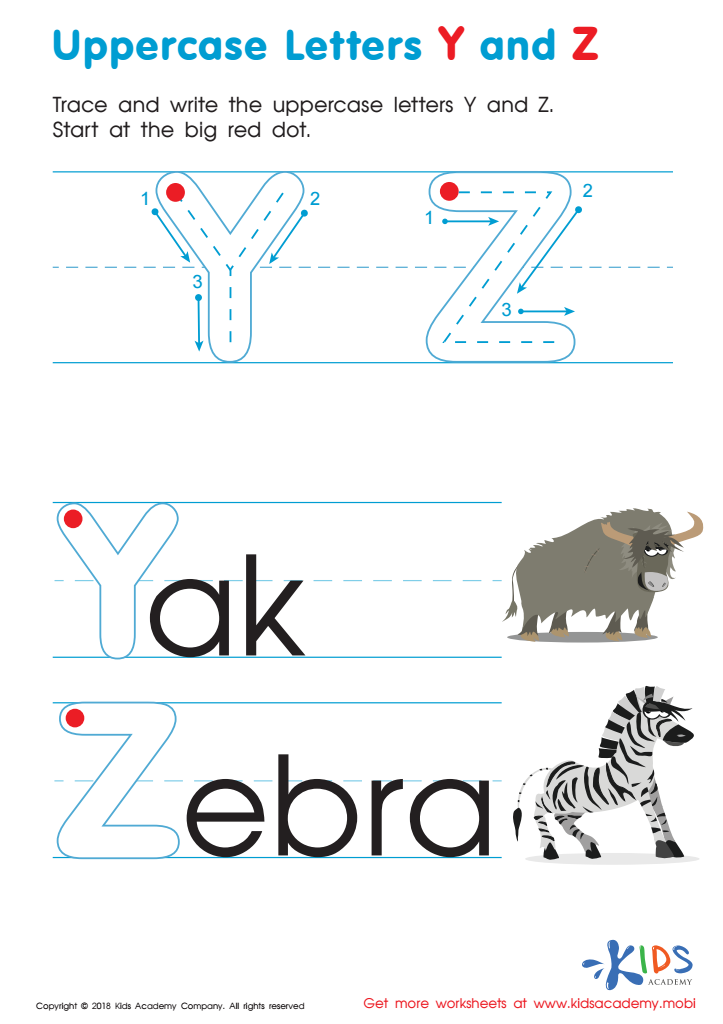
Help your child learn their ABCs with this fun tracing activity! They must trace and write Y and Z in uppercase form, starting from the red dot. Kids will love the fun images for extra engagement. Guiding their hand carefully will help them practice and perfect their writing skills.
Uppercase Letters Y Z Worksheet
Worksheet
Lowercase Letters g h i Worksheet

Lowercase Letters g h i Worksheet

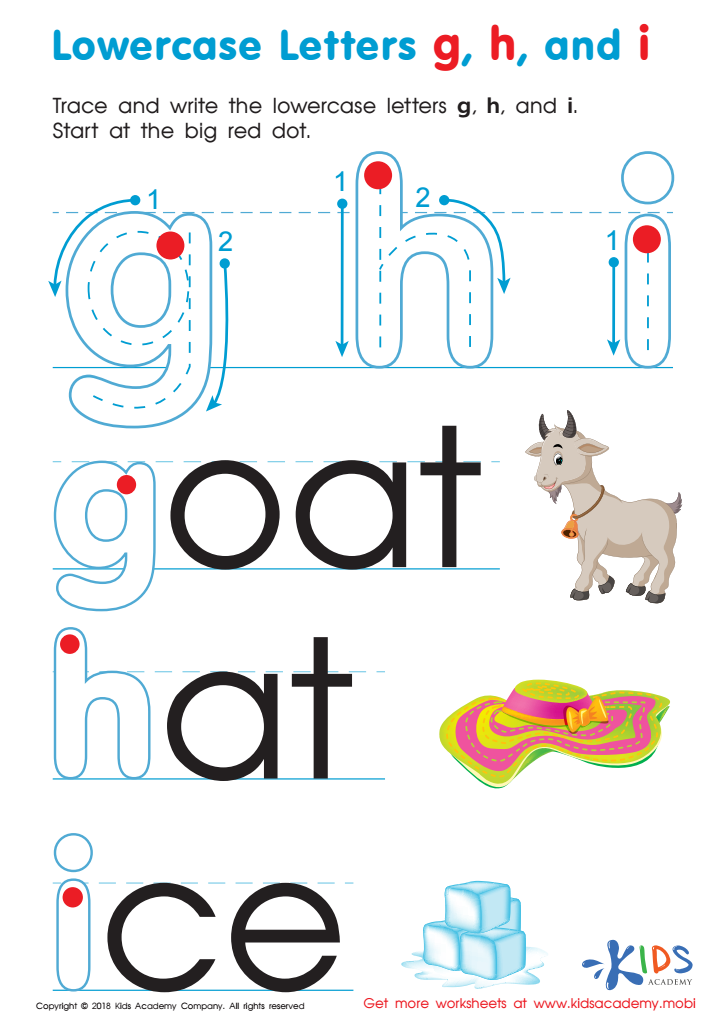
Learning is fun for your youngster with color and an enjoyable exercise. Help them build their understanding of the alphabet by starting at the big red dot drawn on each letter and carefully following the dotted lines to draw g, h, and i.
Lowercase Letters g h i Worksheet
Worksheet
Letter L and P Tracing Worksheet Preview

Letter L and P Tracing Worksheet

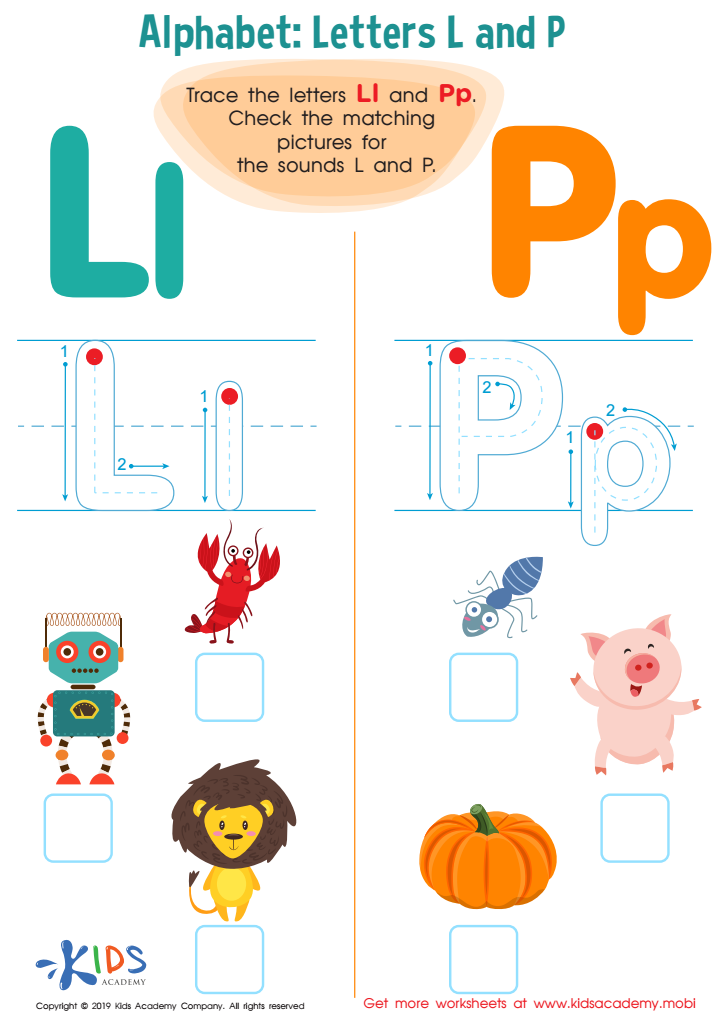
This traceable worksheet can motivate your students to learn and practice core skills. They'll trace the letters 'L' and 'P' and identify the pictures next to them. With this exercise, they'll unlock their learning abilities and excel in the subject!
Letter L and P Tracing Worksheet
Worksheet
Lowercase Letters a b c Worksheet


Lowercase Letters a b c Worksheet

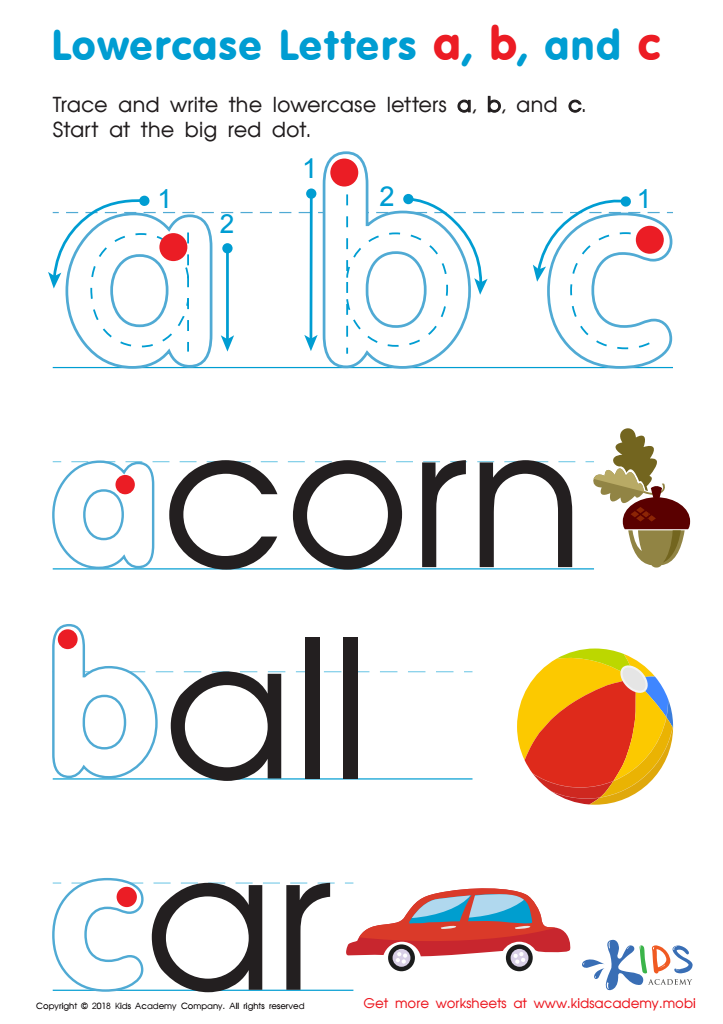
Help your child trace and write the lowercase letters of the alphabet with this fun worksheet. Start by following the arrows and directions from the red dot, and watch them improve their writing skills! Vibrant illustrations make it easy and enjoyable.
Lowercase Letters a b c Worksheet

Worksheet


Alphabet recognition and tracing letters are crucial early literacy skills for children aged 3-5, laying the foundation for their future reading and writing abilities. During this developmental stage, children are naturally curious and eager to learn, making it an ideal time for parents and teachers to nurture these skills.

Recognizing letters aids in understanding the shapes and sounds essential for phonemic awareness, which is critical for decoding words later on. Tracing letters enhances fine motor skills and hand-eye coordination, essential for writing. This activity encourages children to engage with letters physically, reinforcing memory through movement.

Moreover, engaging in letter tracing can promote focus and discipline as children learn to engage in tasks that require persistence and attention. The repetitive nature of tracing provides a structured yet enjoyable learning experience, boosting their confidence when they see their progress.

Collaborative activities involving parents and teachers can also create a supportive learning environment where children feel encouraged to explore language. By emphasizing alphabet recognition and tracing at an early age, adults can significantly impact children's literacy pathways, fostering a love for reading and writing that can last a lifetime.