Hand-eye Coordination Tracing Letters Worksheets for Ages 3-5
6 filtered results
-
From - To
Enhance your child's hand-eye coordination with our engaging Tracing Letters Worksheets, designed for ages 3-5. These printable activities make learning the alphabet fun and interactive. Each worksheet encourages young learners to practice tracing both capital and lowercase letters while also developing fine motor skills essential for writing. Perfectly tailored for toddlers and preschoolers, these exercises help improve muscle memory and letter recognition. By systematically connecting visual cues with hand movements, kids build the foundational skills needed for early literacy and beyond. Discover how our expertly crafted tracing worksheets can elevate your child's educational journey today!
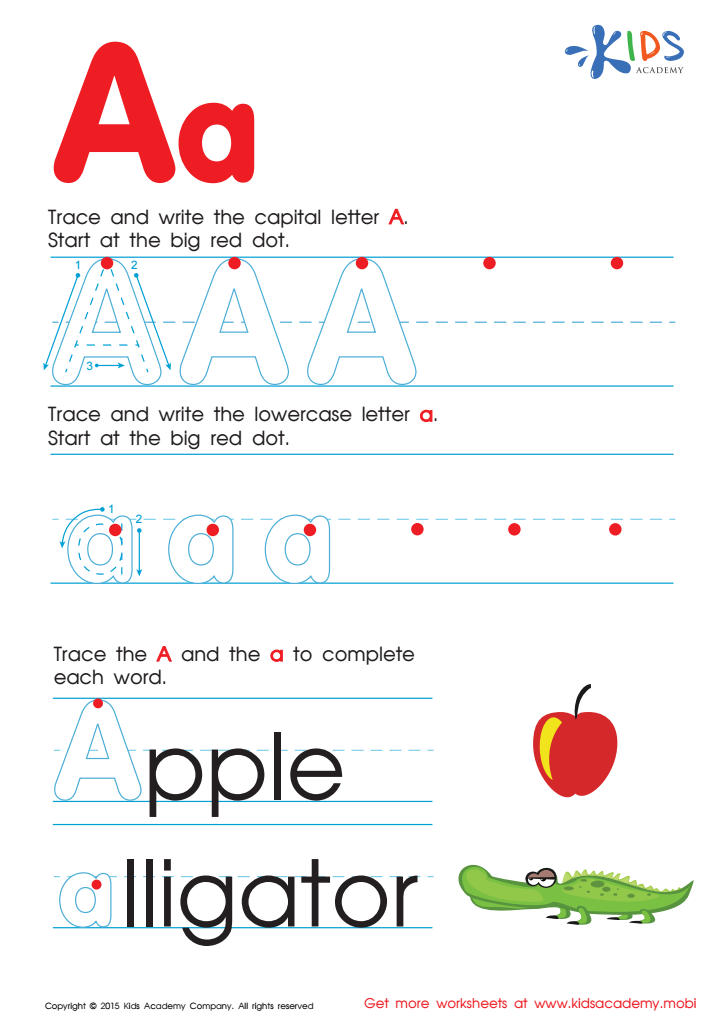
Letter A Tracing Page
 Assign to My Students
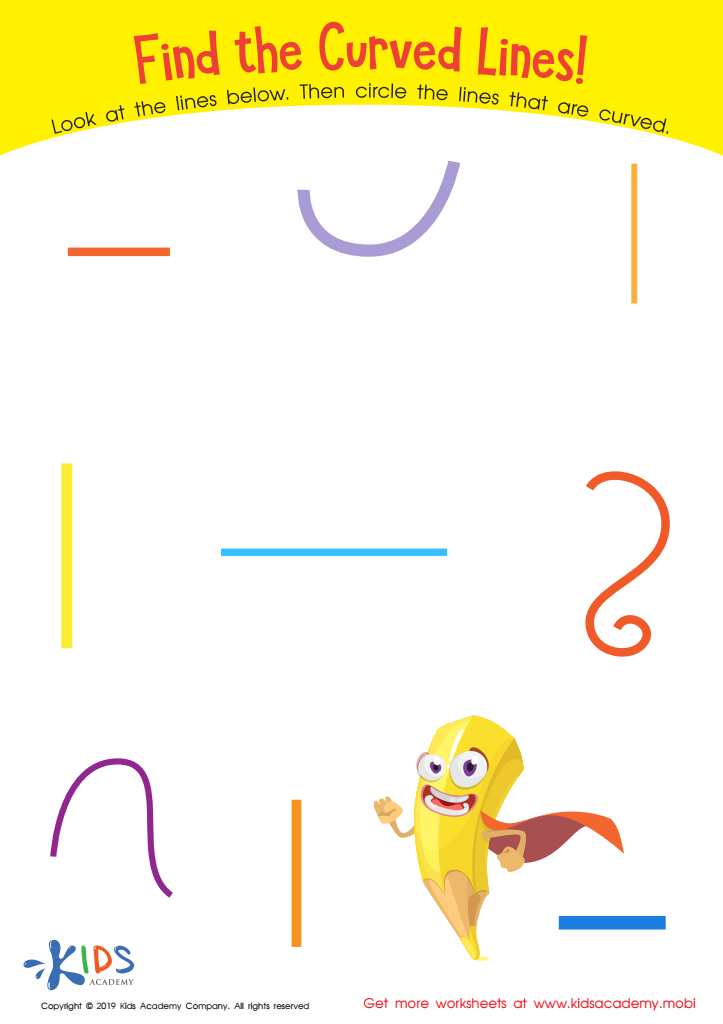
Find the Curved Lines! Worksheet
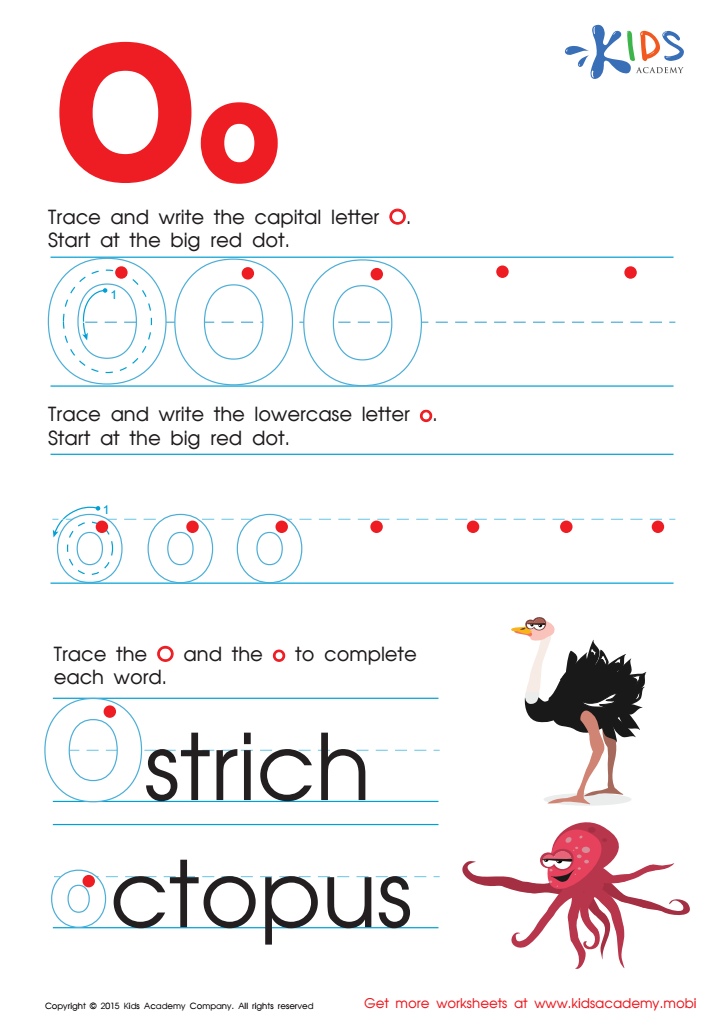
Letter O Tracing Page
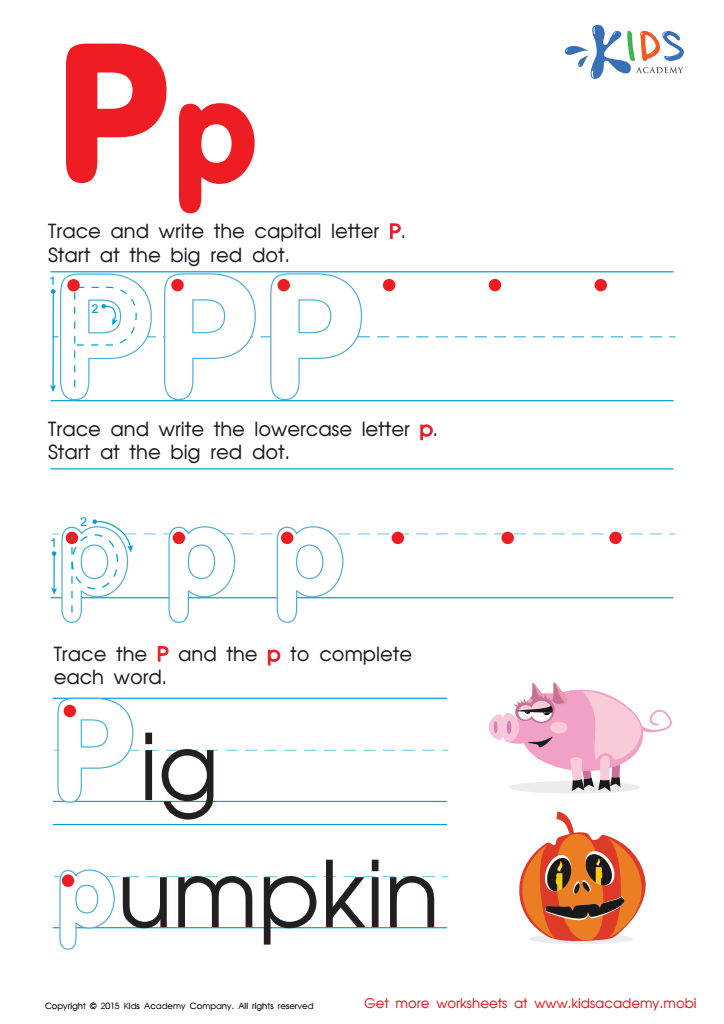
Letter P Tracing Page
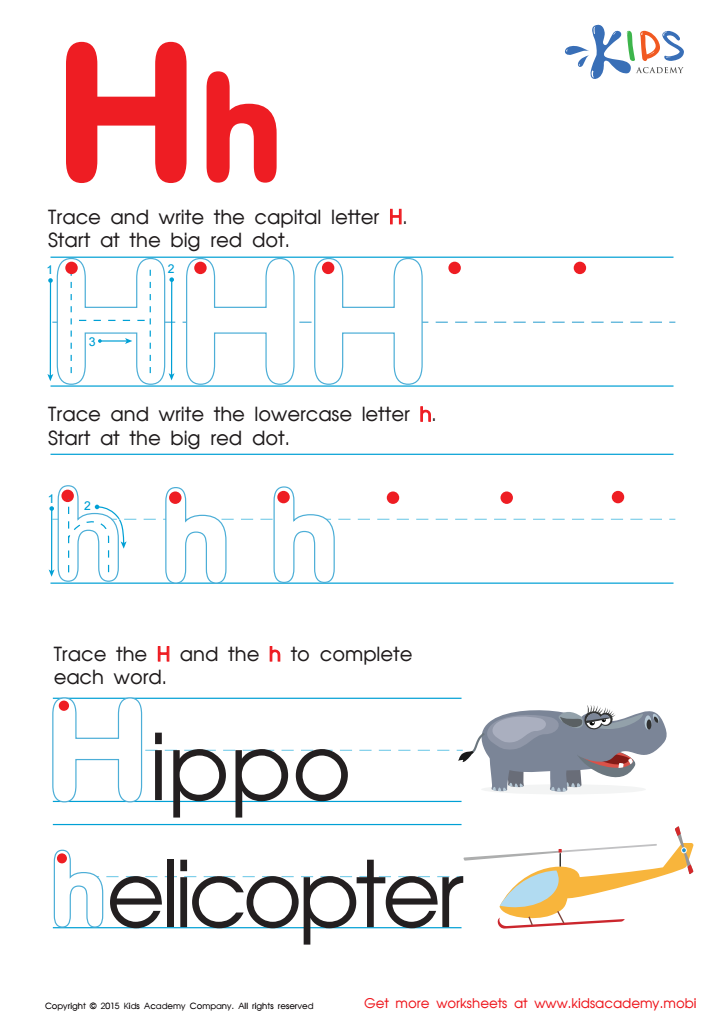
Letter H Tracing Page
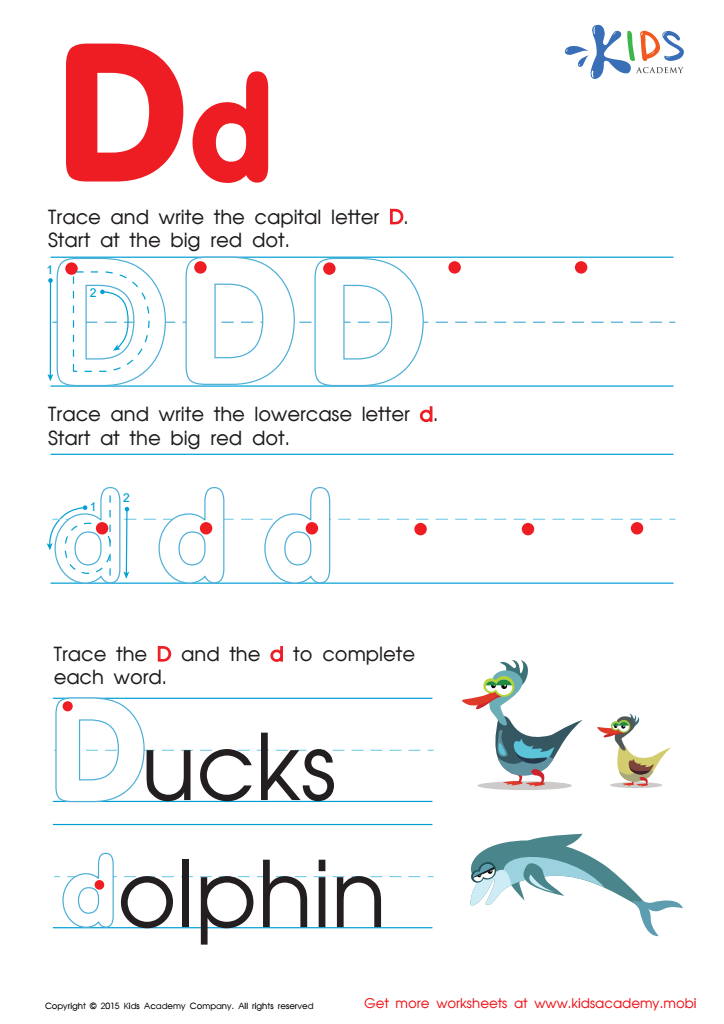
Letter D Tracing Page







Hand-eye coordination plays a critical role in the cognitive and physical development of children aged 3-5. For this young age group, tracing letters is an effective activity that offers rich benefits for both early learning and fine motor skill development. As children engage in tracing, they practice combining visual and motor skills; their eyes guide their hands to follow the lines and shapes of letters. This exercise not only helps in recognizing and memorizing the alphabet but also prepares them for writing independently.
Moreover, this activity lays down the foundation for better handwriting in the future. Fine motor control is crucial for tasks like holding a pencil, cutting with scissors, and even typing on a computer very naturally. Because practical skills are developed alongside academic concepts, children gain confidence and hop over initial learning hurdles.
Additionally, teaching children to concentrate on tracing enhances their attention span and ability to focus, skills that are essential for academic success and everyday problem-solving. Parents and teachers should therefore actively include hand-eye coordination activities like letter tracing in early curricula to create well-rounded, efficiently functioning children who are better prepared for the challenges of formal schooling and life beyond. Investing in these skills provides the groundwork for fostering lifelong competence and confidence.








