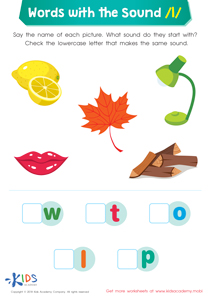
Alphabet Recognition Uppercase Letters Worksheets for Ages 3-5
10 filtered results
-
From - To
Discover our fun and engaging Alphabet Recognition Uppercase Letters Worksheets for ages 3-5! These expertly designed resources help young learners identify and understand uppercase letters through enjoyable activities. Perfect for preschool and kindergarten-aged children, our printable worksheets feature vibrant illustrations and interactive exercises that make learning a delight. Kids will practice letter recognition, matching, and coloring, ensuring they gain a solid alphabet foundation. Boost your child's literacy skills with our captivating worksheets available at Kids Academy, and make early education both effective and fun!
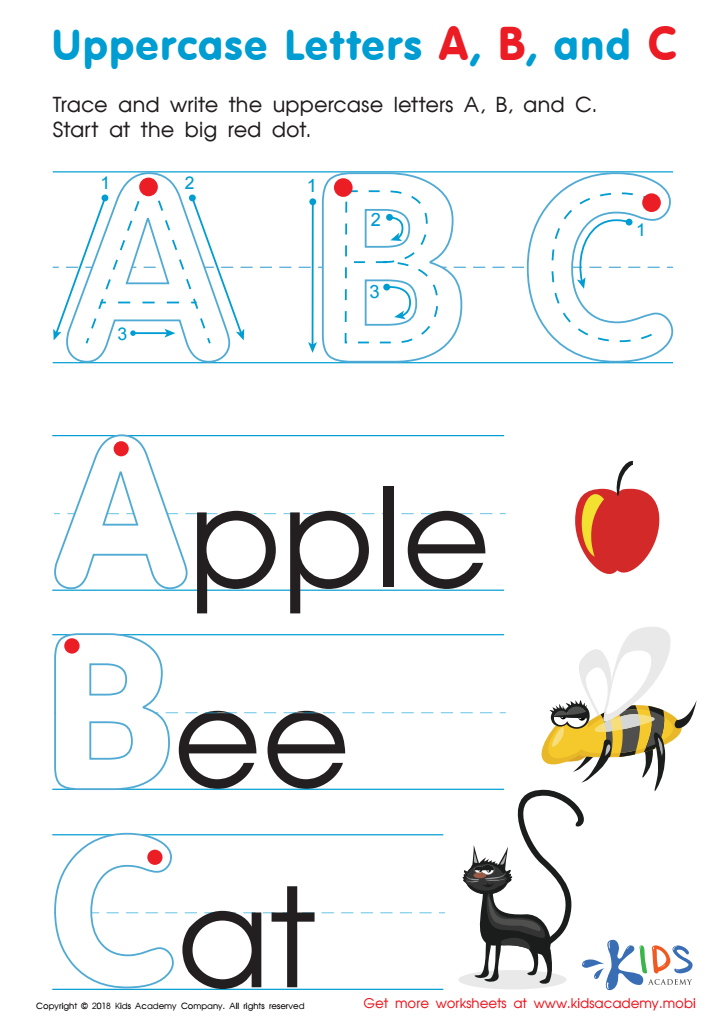
Uppercase Letters A, B, and C Worksheet
 Assign to My Students
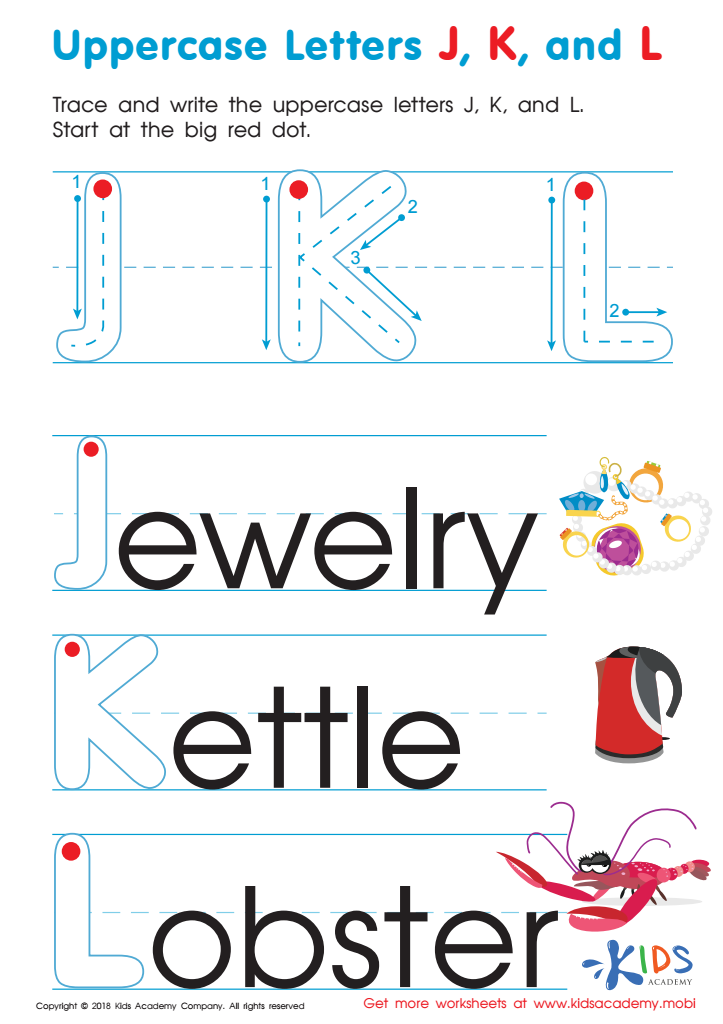
Uppercase Letters J, K, and L Worksheet
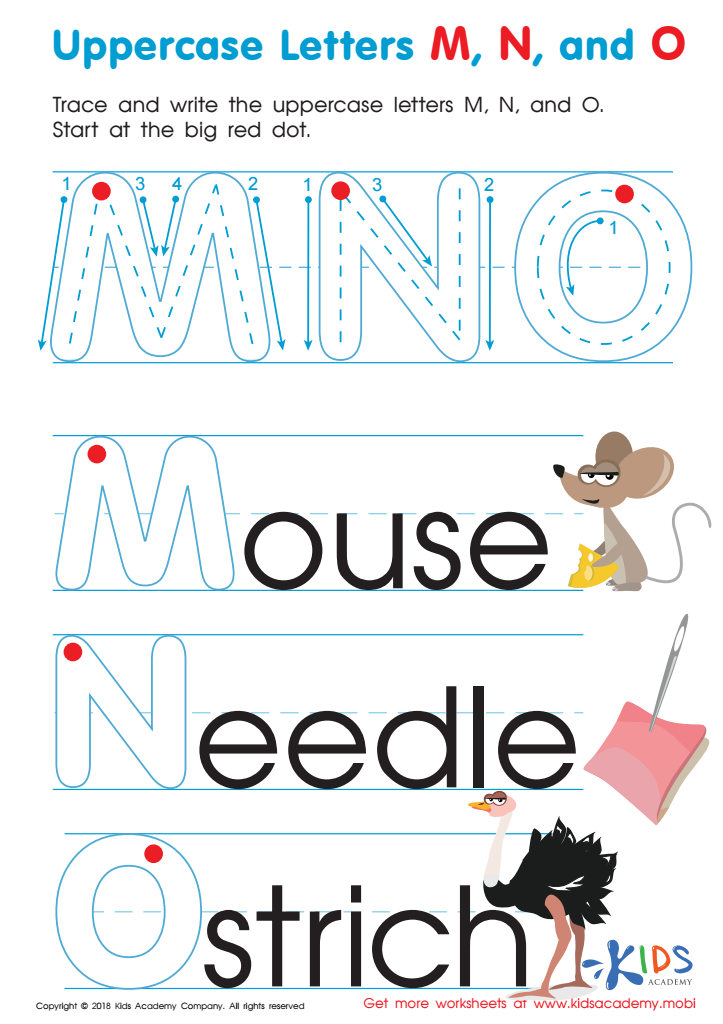
Uppercase Letters M, N, and O Worksheet
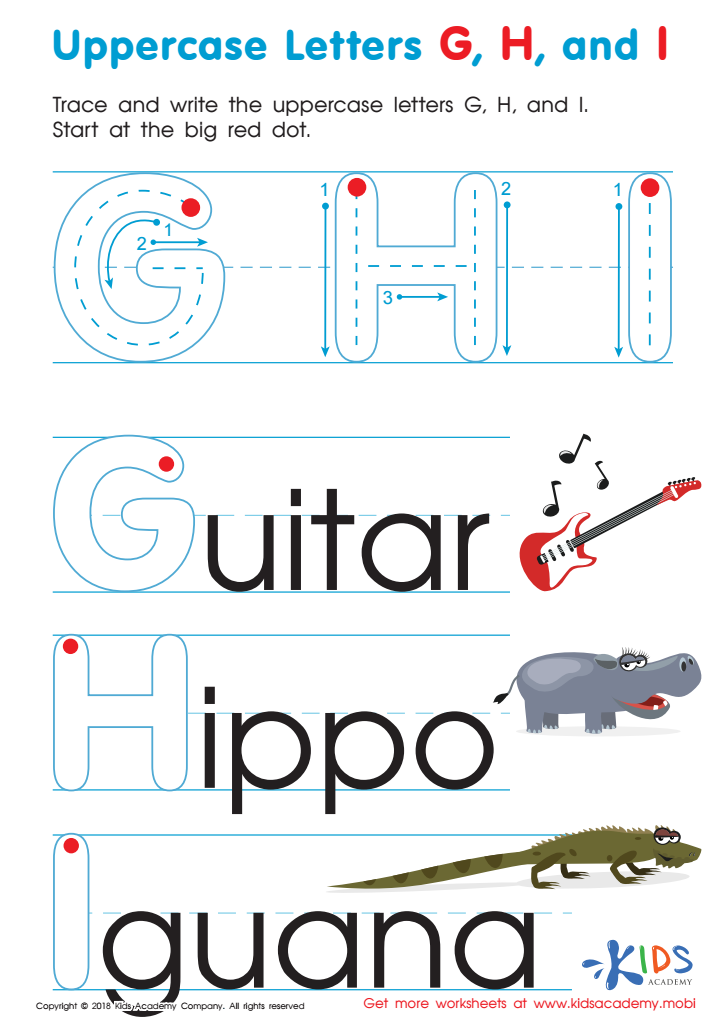
Uppercase Letters G, H, and I Worksheet
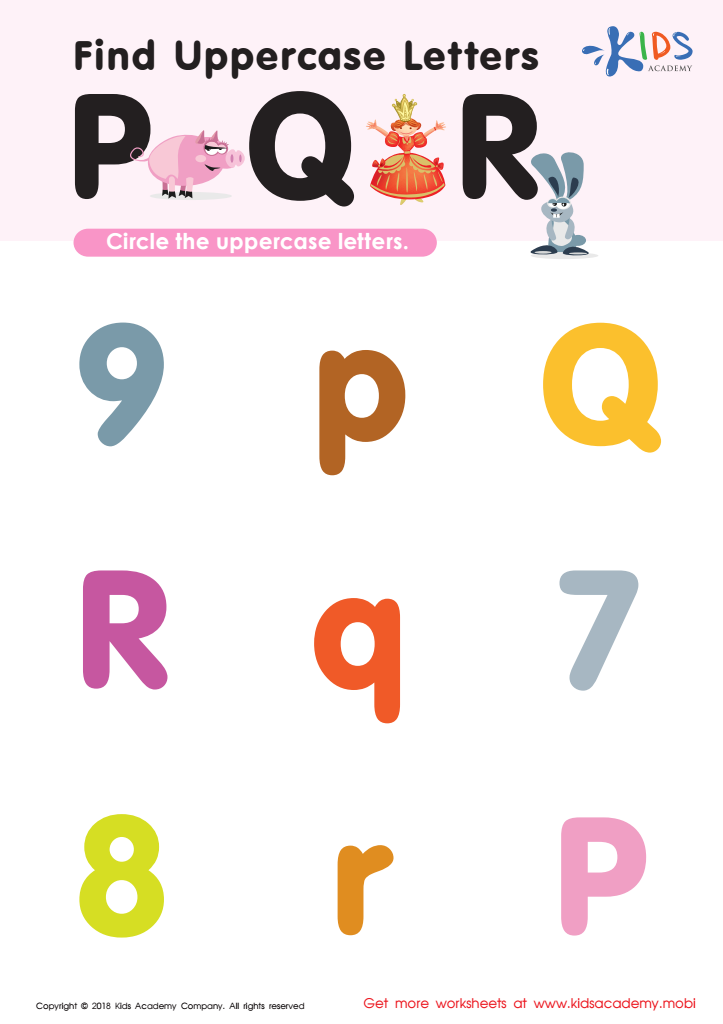
Find Uppercase Letters P, Q, and R Worksheet
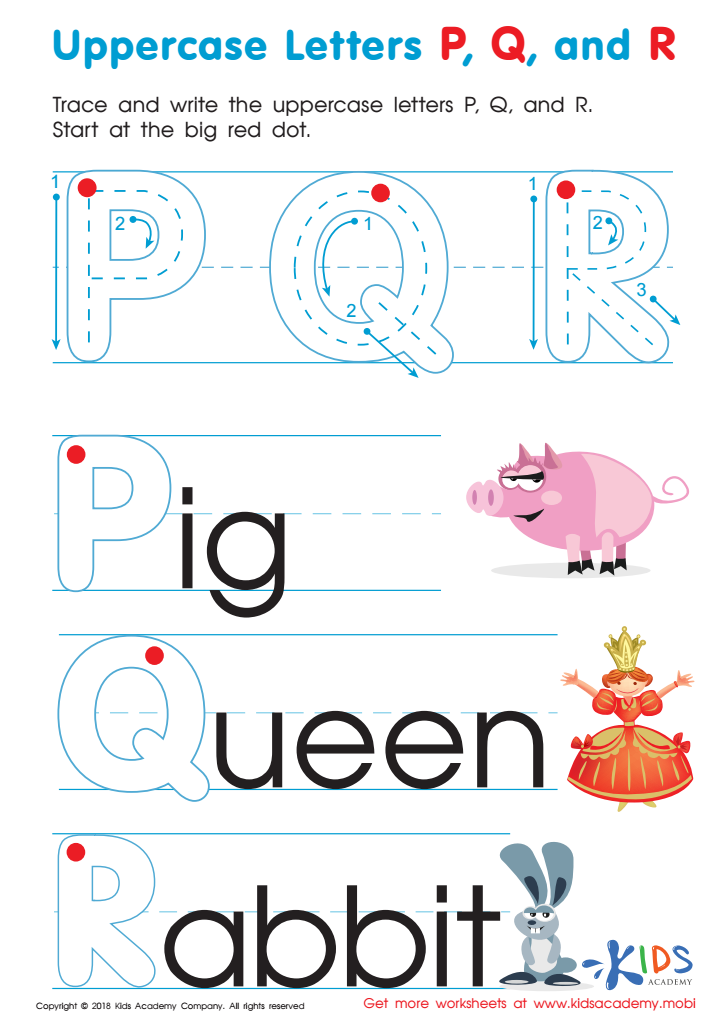
Uppercase Letters P, Q, and R Worksheet
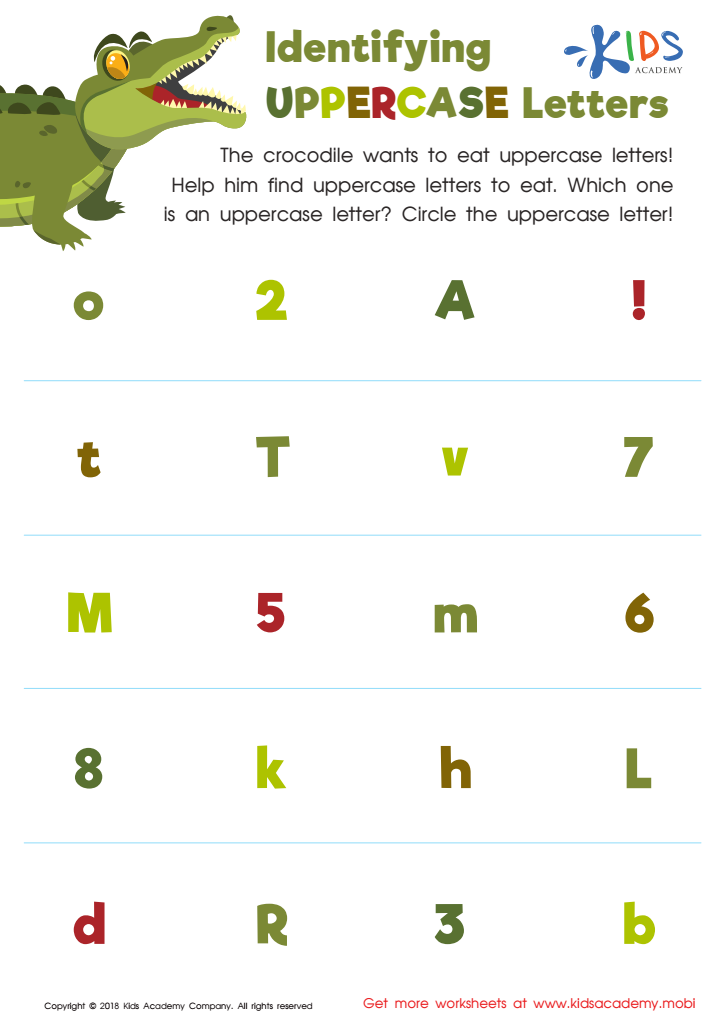
Identifying Uppercase Letters Worksheet
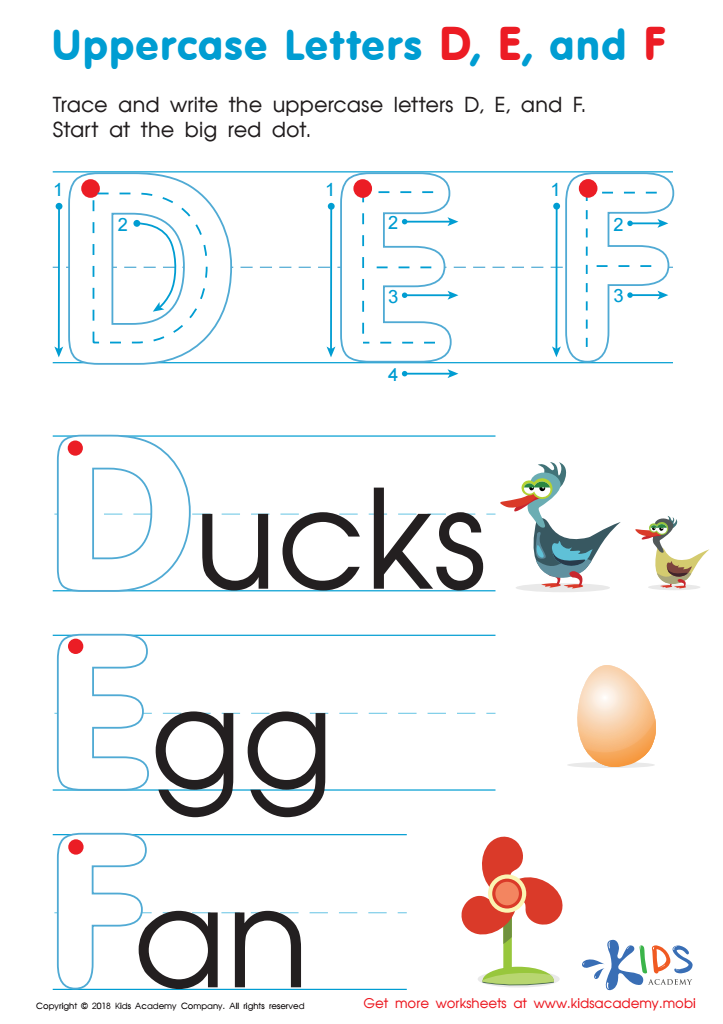
Uppercase Letters D, E, and F Worksheet
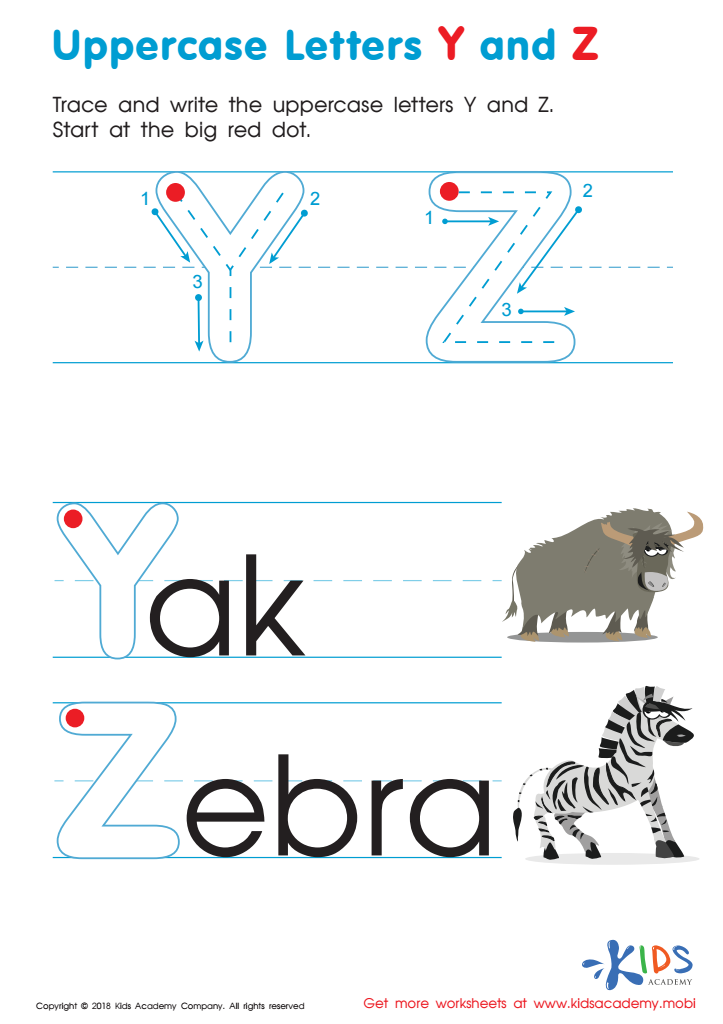
Uppercase Letters Y Z Worksheet
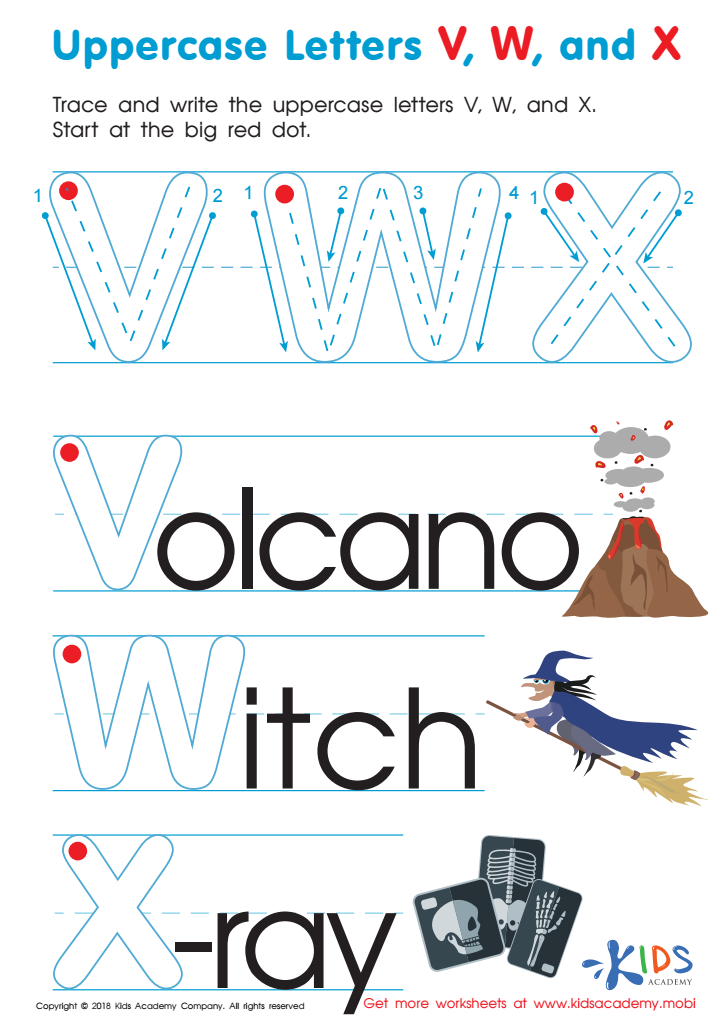
Uppercase Letters V, W, and X Worksheet








Parents and teachers should prioritize alphabet recognition of uppercase letters for children aged 3-5 because it lays a crucial foundation for early literacy skills. During these formative years, children’s brains are highly adaptable and ready to absorb new information, making it an ideal time to introduce letter recognition. Understanding uppercase letters equips children with the ability to identify and distinguish between different letters, which is a critical step toward reading and writing fluency.
When children recognize uppercase letters, they can more easily learn the corresponding lowercase letters and the sounds associated with each, facilitating the development of phonemic awareness—a key component of reading proficiency. Consistent exposure to uppercase letters also helps children become more familiar with the alphabet sequence, boosting their overall memory and cognitive development.
Furthermore, alphabet recognition promotes confidence and independence in young learners. As children begin to identify letters in their names, signs, and books, they gain a sense of accomplishment. This early success can foster a love of learning and reading, making educational experiences more enjoyable and engaging.
In summary, recognizing uppercase letters at an early age is fundamental in fostering a child’s literacy development, cognitive growth, and self-confidence, preparing them for more advanced stages of learning and setting a strong foundation for lifelong educational success.