Alphabet Recognition English for Beginners Worksheets for Ages 3-5 - Page 2
32 filtered results
-
From - To
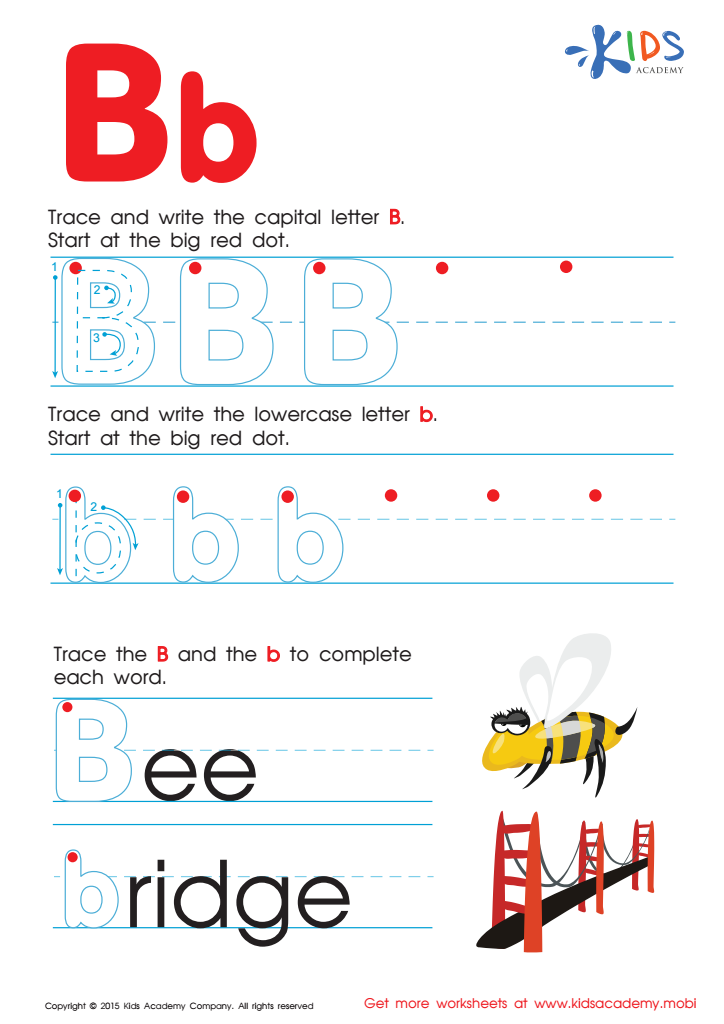
Letter B Tracing Page
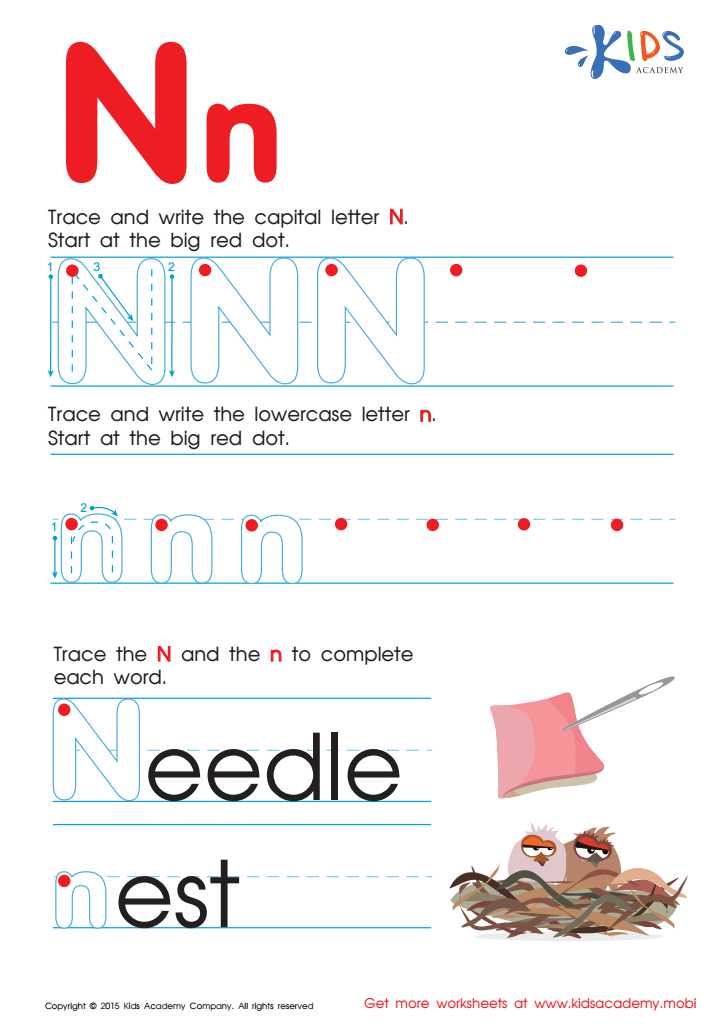
Letter N Tracing Page
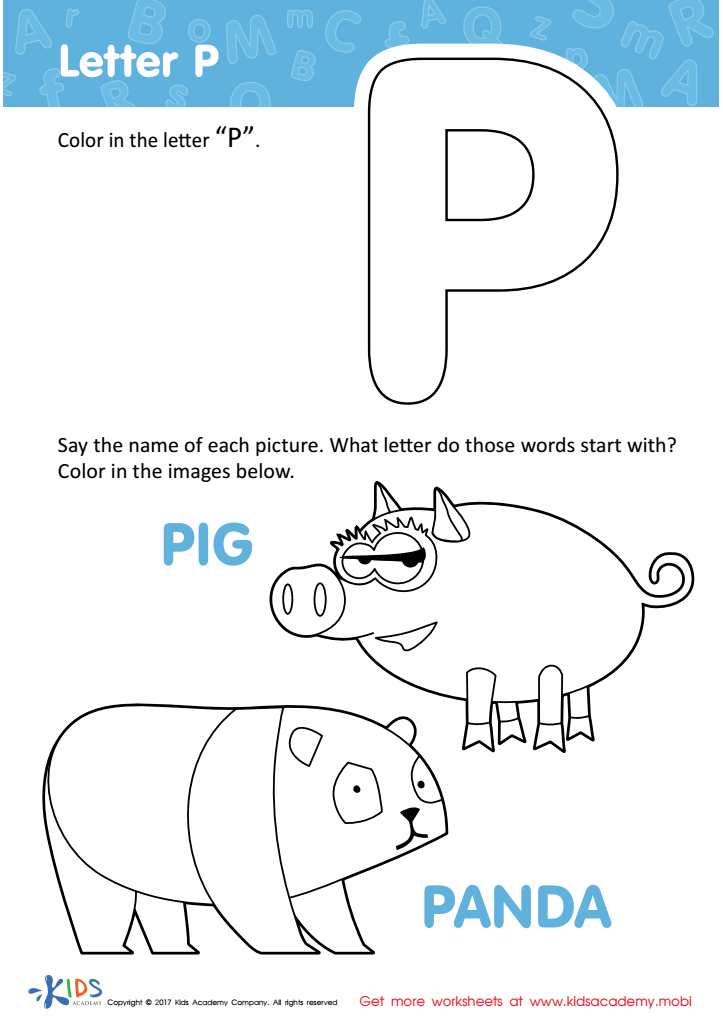
Letter P Coloring Sheet
 Assign to My Students
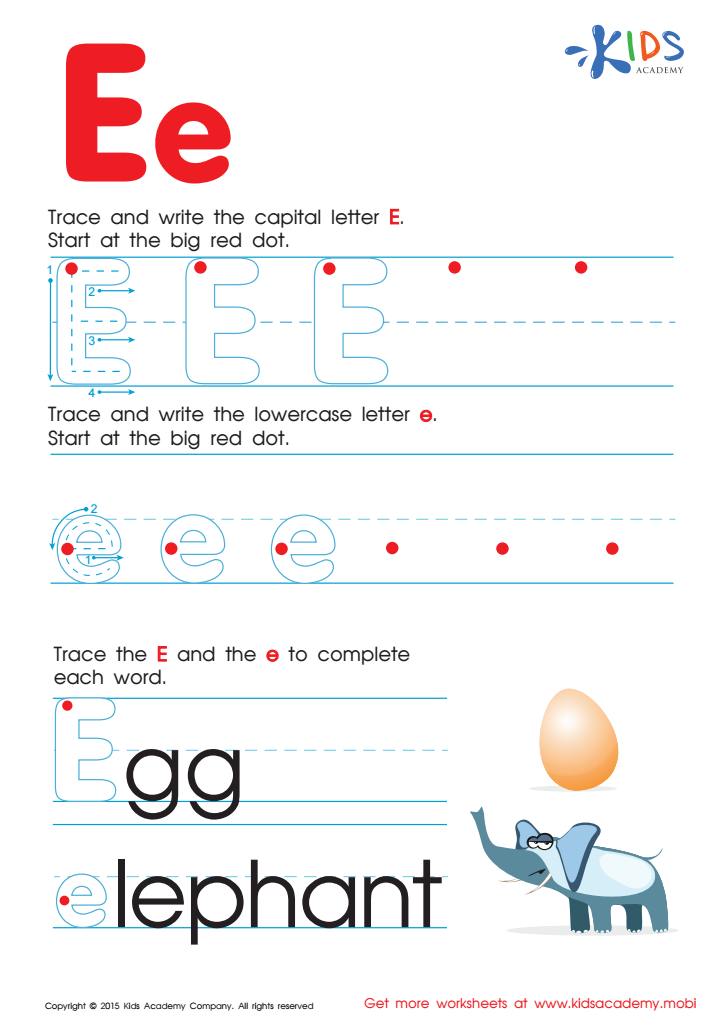
Letter E Tracing Page
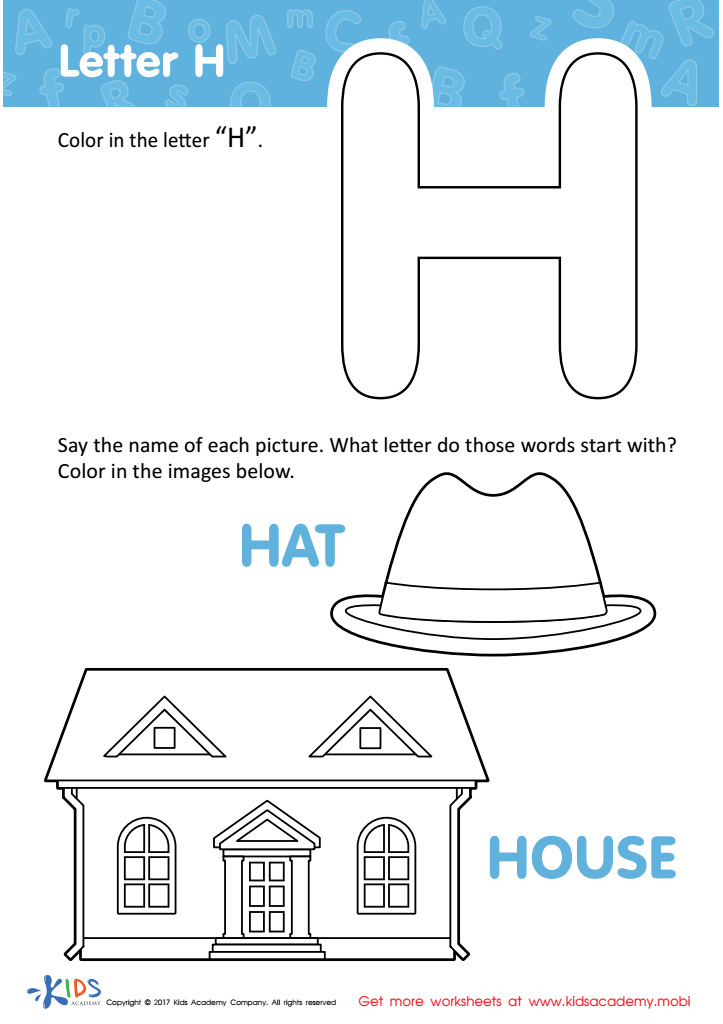
Letter H Coloring Sheet
Assign to My Students
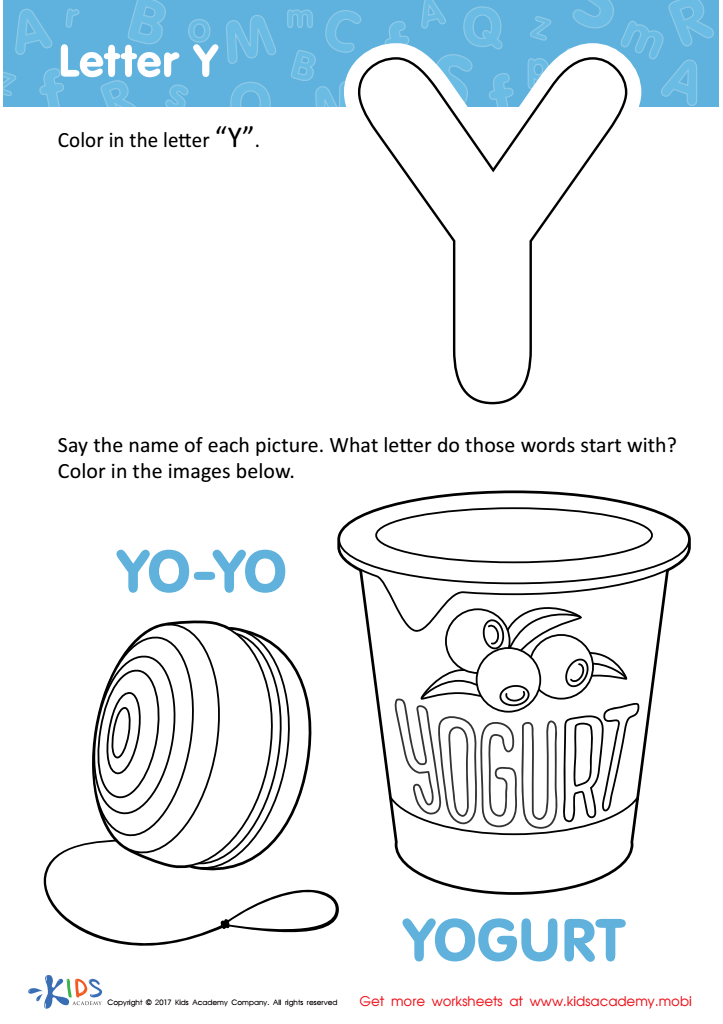
Letter Y Coloring Sheet
Assign to My Students
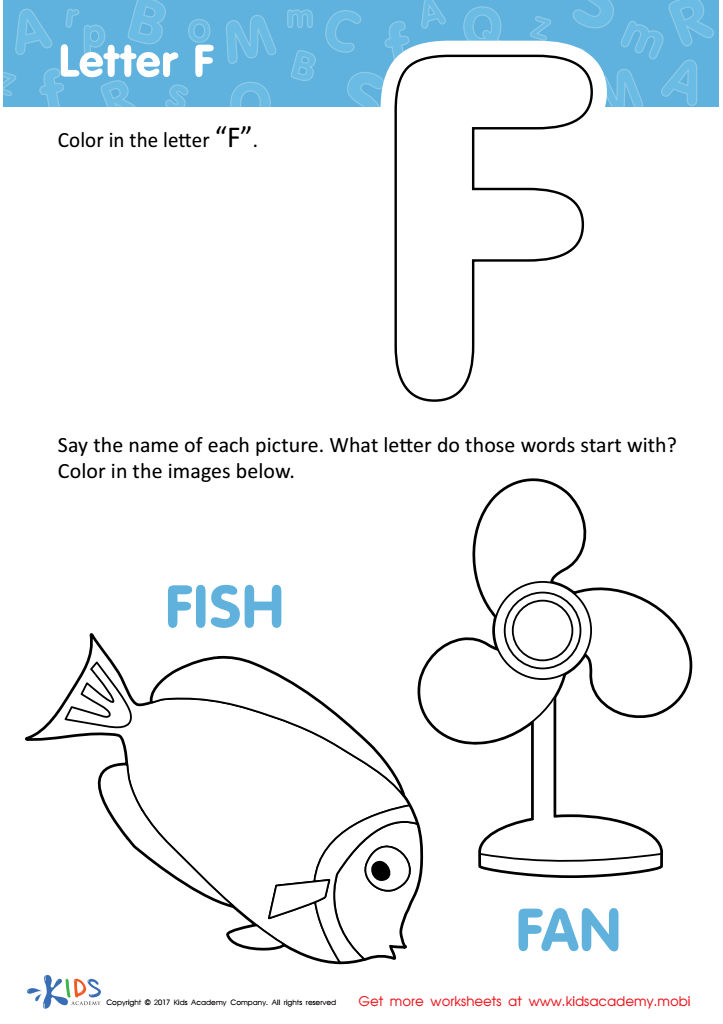
Letter F Coloring Sheet
Assign to My Students
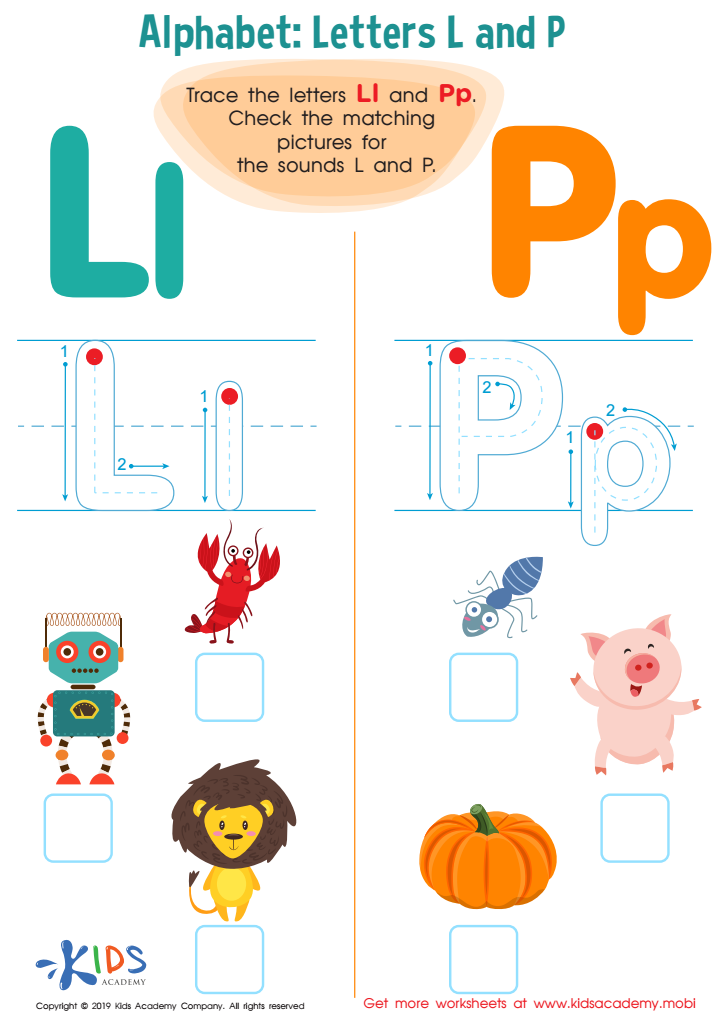
Letter L and P Tracing Worksheet





Alphabet recognition is a cornerstone of early literacy in young children. For parents and teachers working with beginners aged 3-5, fostering this skill is crucial for several reasons. First, knowing the alphabet is the foundation for language and literacy development. Recognizing and naming letters enhances a child's ability to comprehend sounds, which is vital for phonemic awareness—a key predictor of reading success.
Additionally, early alphabet recognition aids in building vocabulary and speech. As children learn letters, they become more attuned to the sounds that form words, facilitating better understanding and communication. It also boosts cognitive development by improving memory and attention to detail through the process of learning different shapes and sounds associated with letters.
Furthermore, early literacy skills set the stage for a child’s future academic achievement. Mastery of the alphabet fosters confidence and motivation, encouraging a positive attitude towards learning, which can extend to all areas of their education. Interactive and engaging activities such as letter games, songs, and reading together can transform alphabet learning into a fun and enriching experience.
In summary, alphabet recognition for ages 3-5 is not only about knowing letters; it is about preparing children for a successful journey in their educational and developmental milestones.