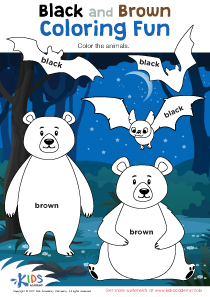
Hand-eye Coordination English for Beginners Worksheets for Ages 3-5
14 filtered results
-
From - To
Enhance your child's learning experience with our "Hand-eye Coordination English for Beginners Worksheets" designed specifically for ages 3-5. These engaging worksheets combine essential language skills with fun activities that promote hand-eye coordination, essential for young learners. Perfect for ESL environments, our worksheets incorporate colorful visuals and interactive exercises to keep little ones motivated while developing their fine motor skills. From tracing letters to matching images, each activity fosters an early love for language and hands-on learning. Explore our thoughtfully crafted resources to ensure your child builds a strong foundation in English while cultivating vital coordination skills. Start their journey today!

Letter A Tracing Page
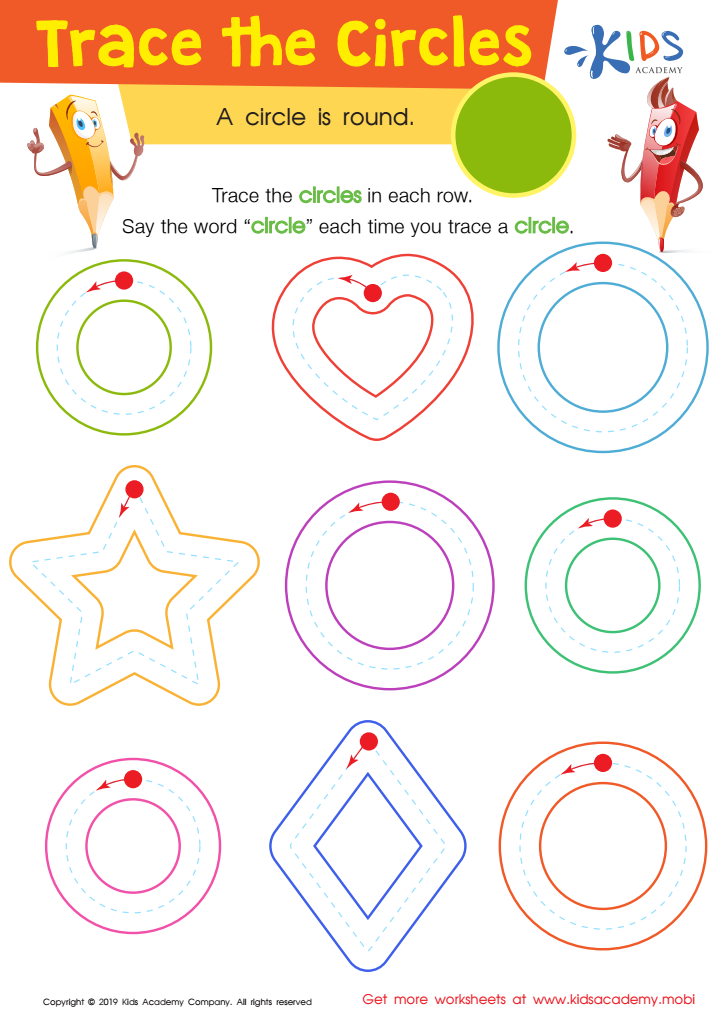
Trace The Circles Worksheet
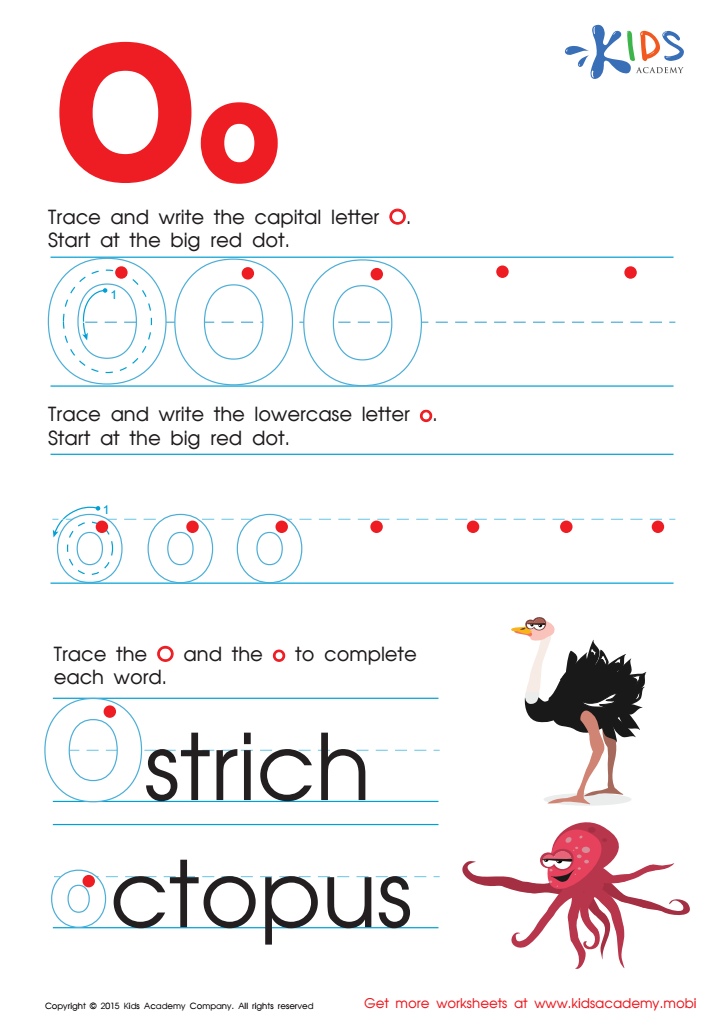
Letter O Tracing Page

Letter P Tracing Page
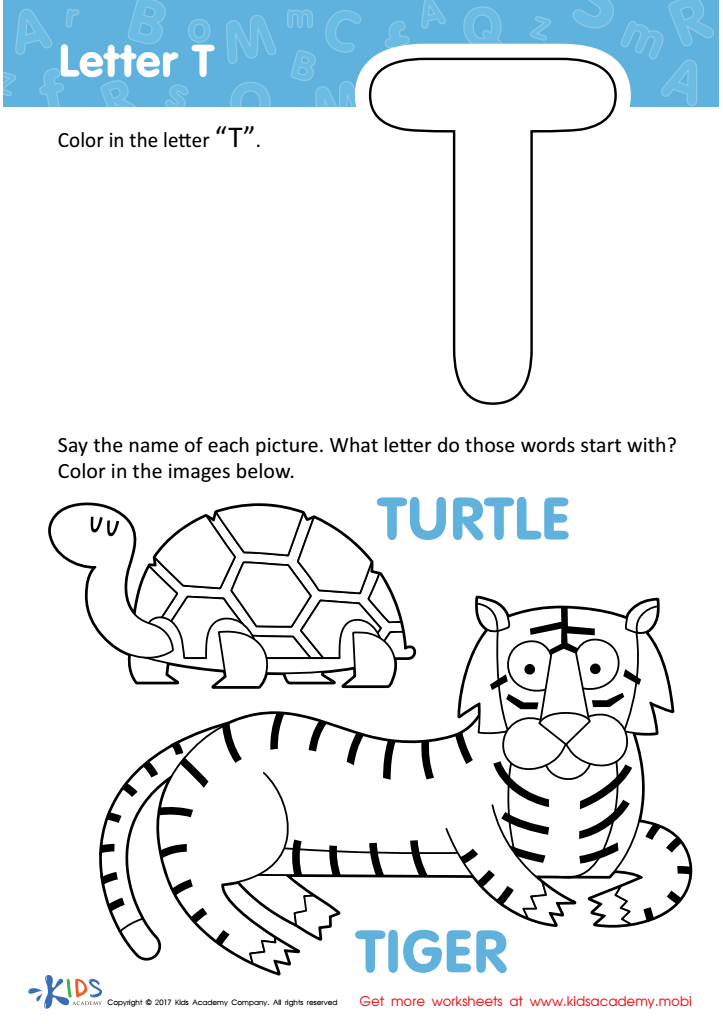
Letter T Coloring Sheet
 Assign to My Students
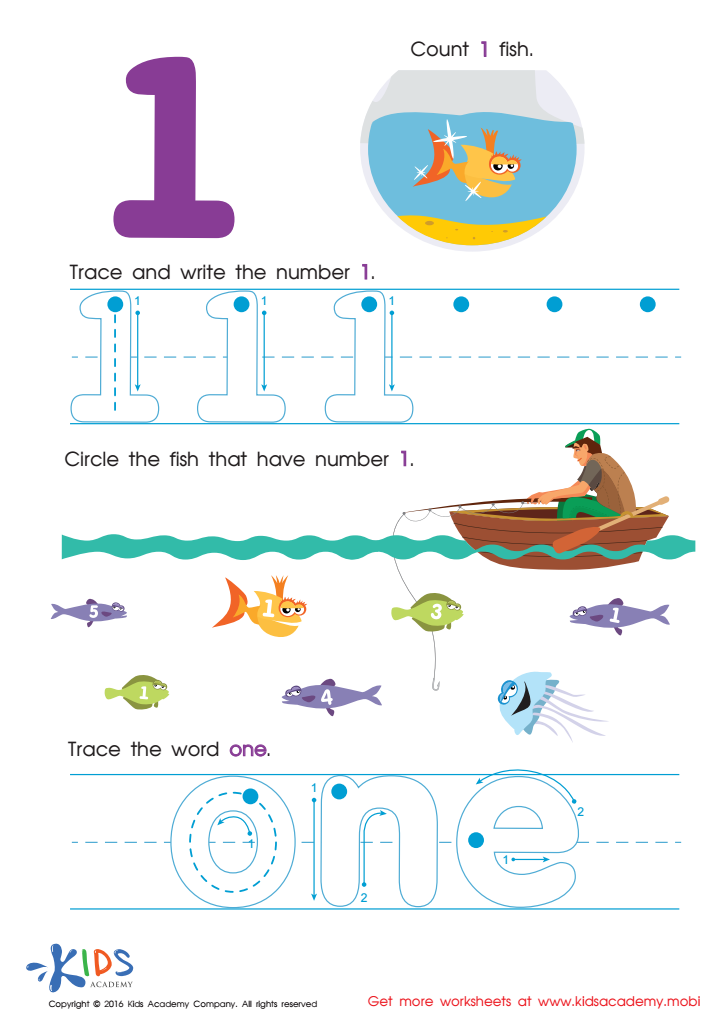
Learning to Write 1 Worksheet
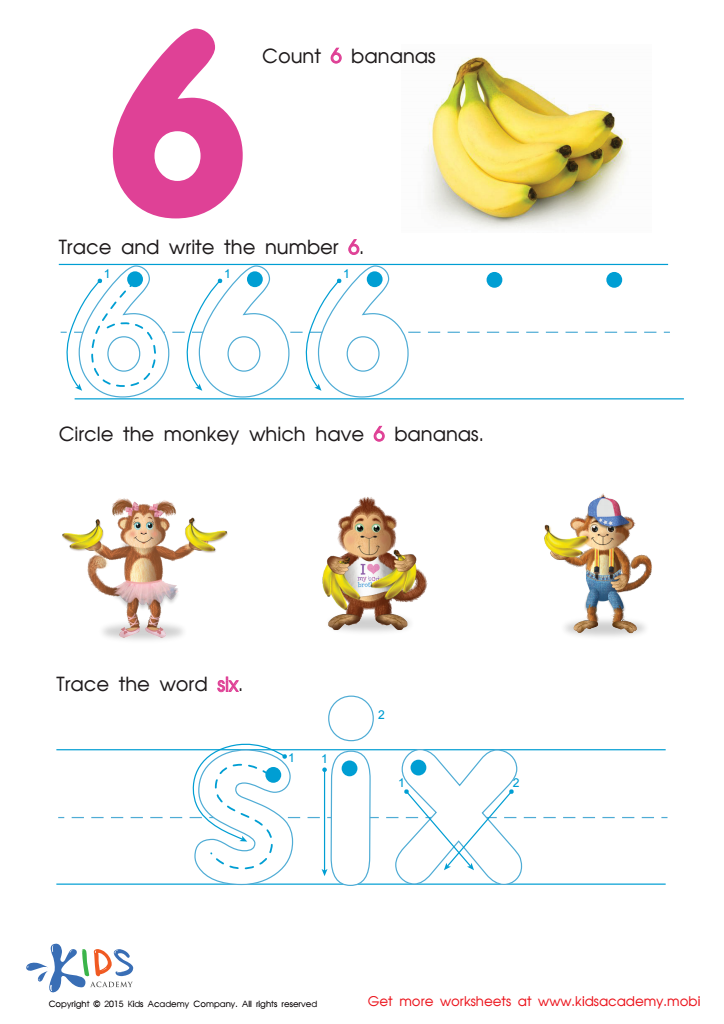
Tracing And Writing Number 6 Worksheet

Letter H Tracing Page
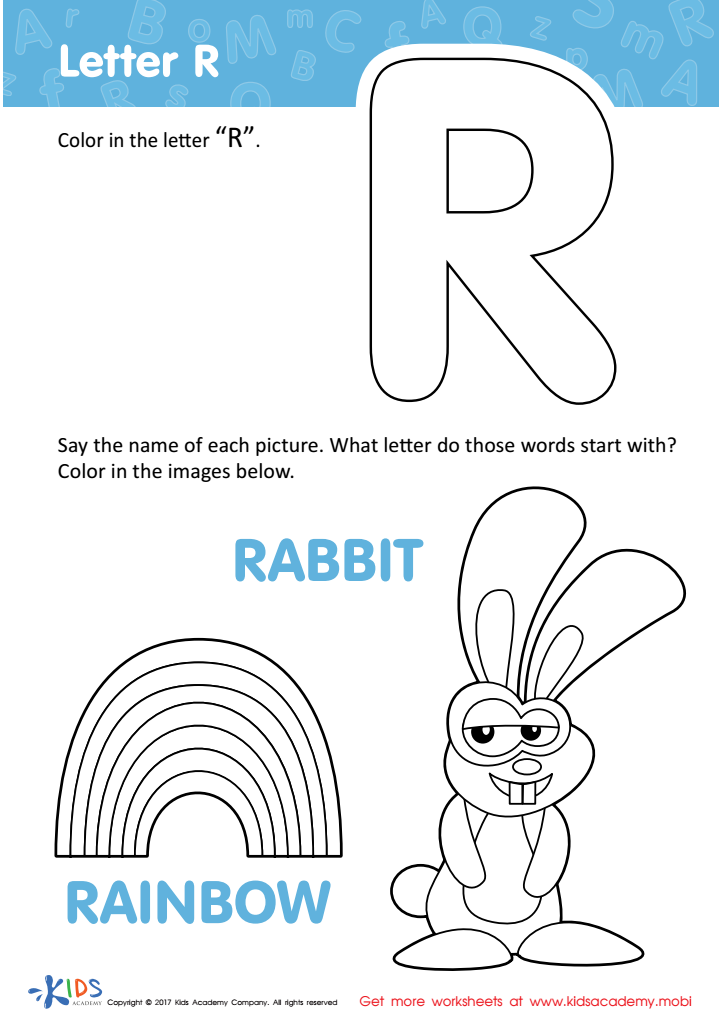
Letter R Coloring Sheet
Assign to My Students
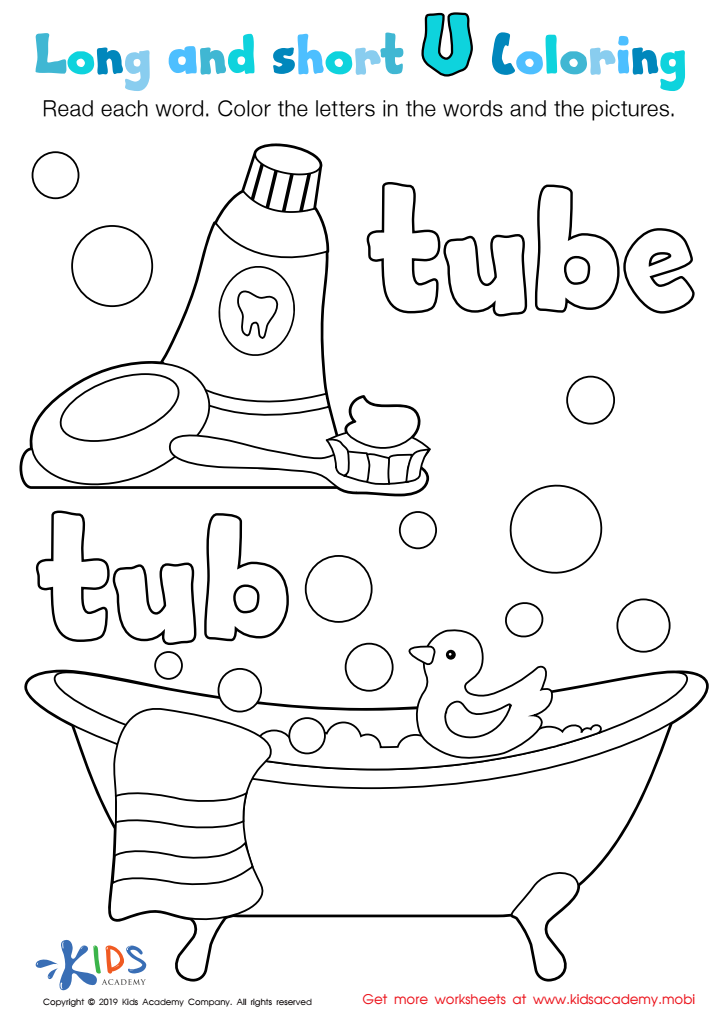
Long and Short U Worksheet
Assign to My Students
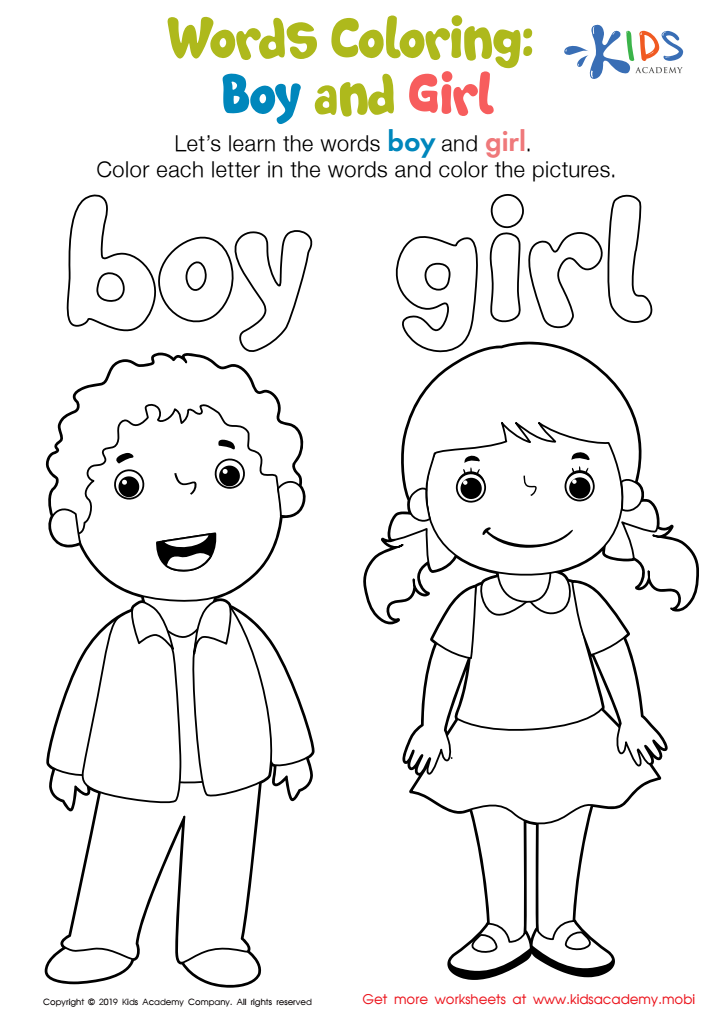
Boy and Girl Words Coloring Worksheet
Assign to My Students
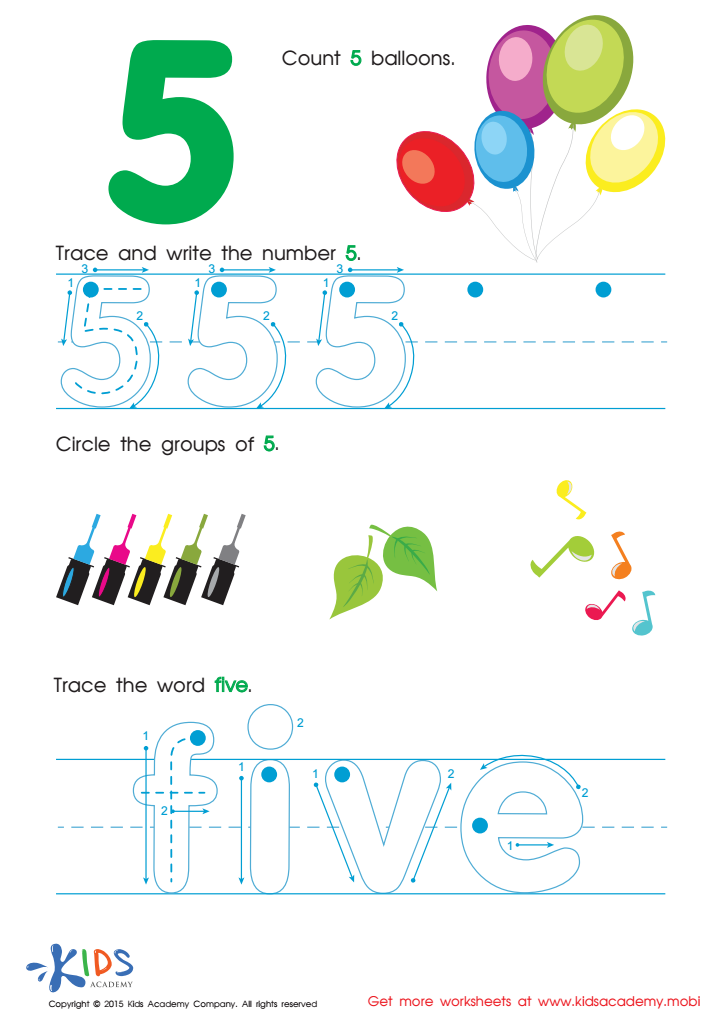
Practice Writing Number 5 Worksheet
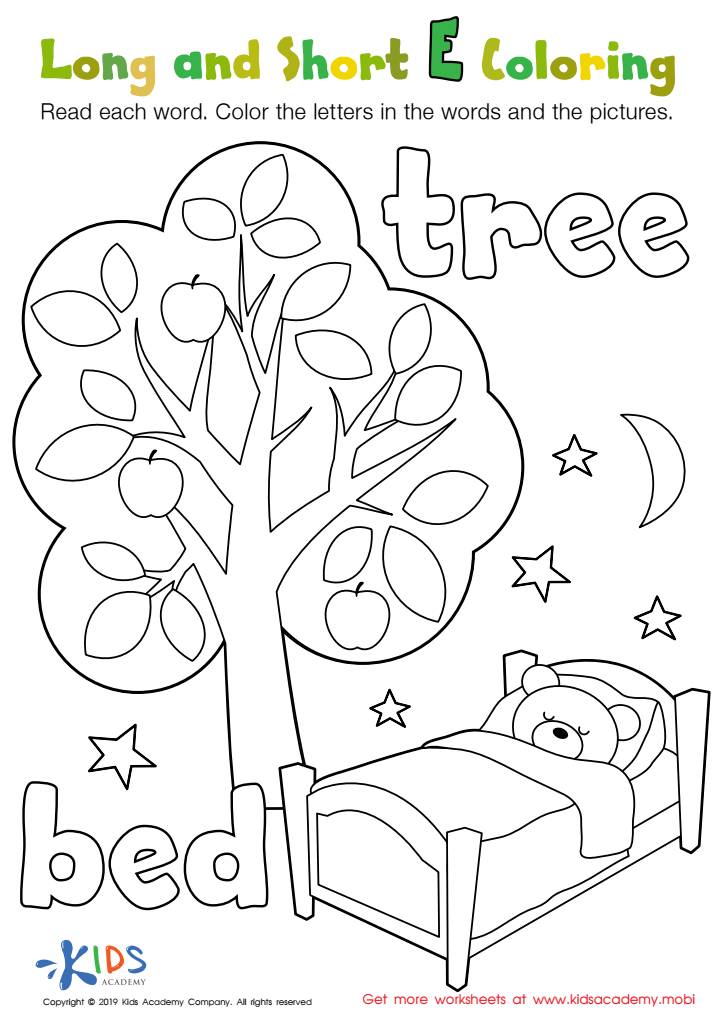
Long and Short E Worksheet
Assign to My Students

Letter D Tracing Page





Hand-eye coordination is a vital skill for children aged 3-5, significantly affecting their overall development. Parents and teachers should prioritize activities that enhance this coordination, as it lays the groundwork for various crucial abilities in early education and daily life.
Firstly, strong hand-eye coordination supports essential tasks like writing, coloring, and crafting. As children learn to control their hand movements while focusing on visual targets, they become more proficient in manipulating objects, which boosts fine motor skills. This is important for future academic success, especially in subjects like math and science that require precise measurement and calculation.
Moreover, developing hand-eye coordination fosters confidence in children. As they master skills, they gain self-esteem that motivates them to tackle new challenges. Engaging activities, such as throwing balls, completing puzzles, or coloring, can provide both educational value and enjoyment.
Additionally, hand-eye coordination is linked to cognitive development. It promotes brain development by enhancing visual processing, attention, and spatial awareness—all crucial skills for problem-solving.
In summary, parents and teachers must recognize the significance of hand-eye coordination for children aged 3-5, as it not only contributes to physical abilities but also supports cognitive and emotional growth vital for lifelong learning.