Animal identification Worksheets for Ages 3-5 - Page 2
41 filtered results
-
From - To
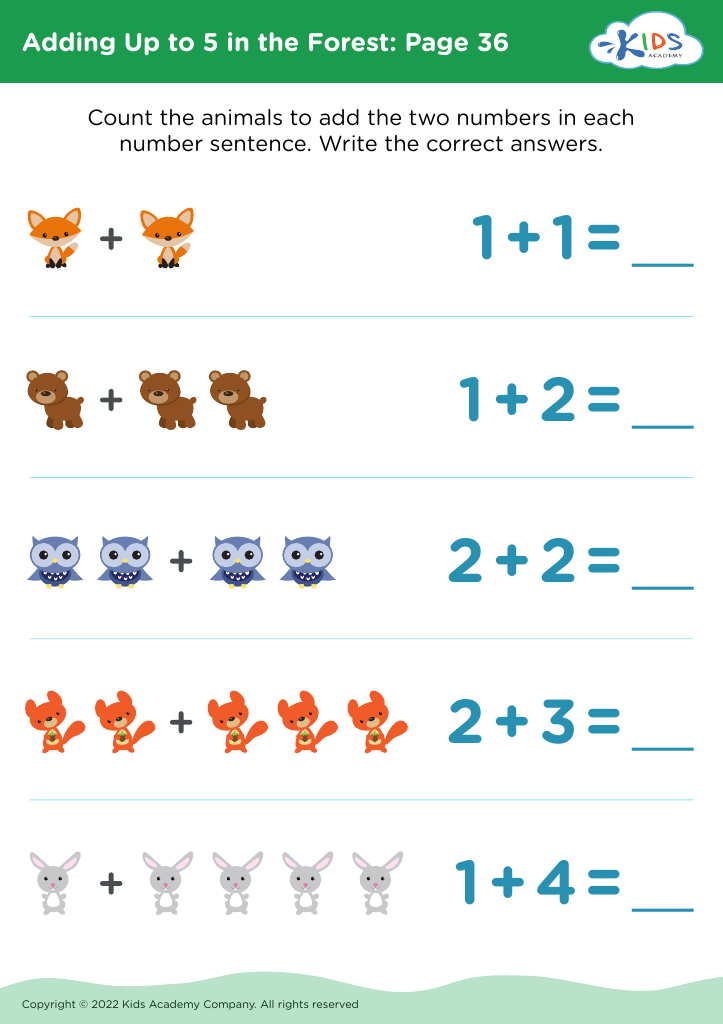
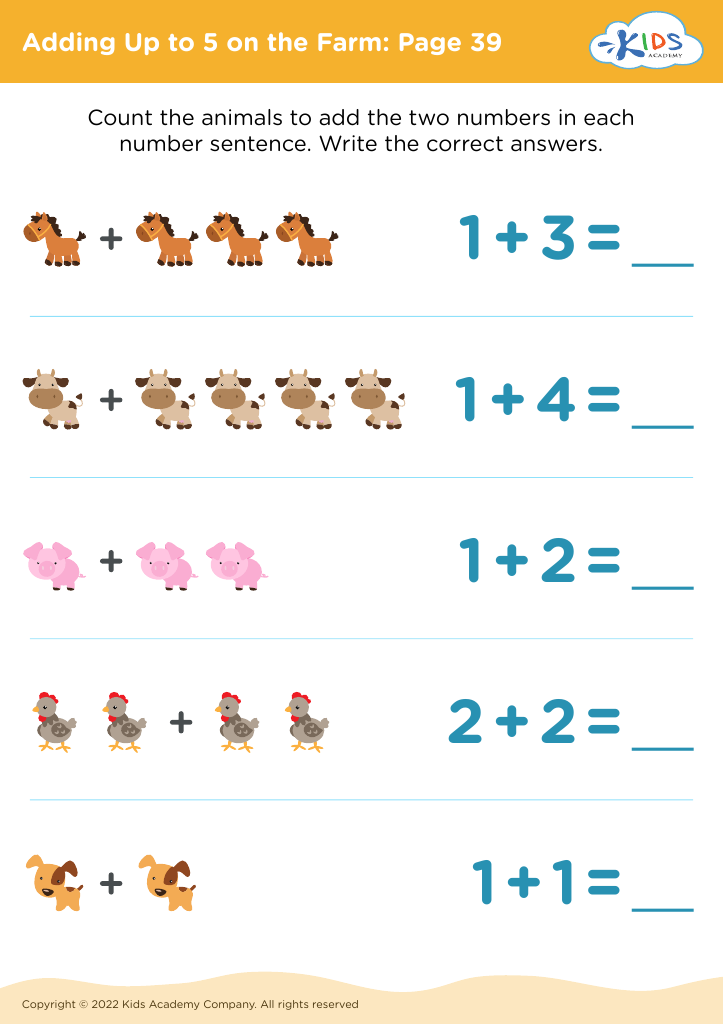
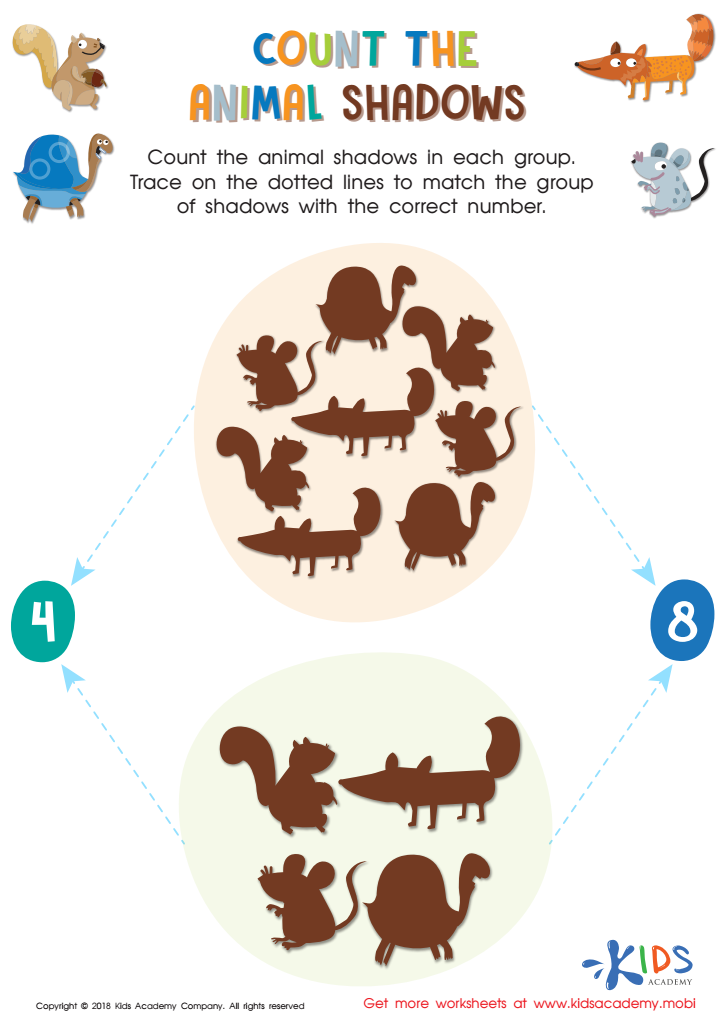
Count the Animal Shadows Worksheet
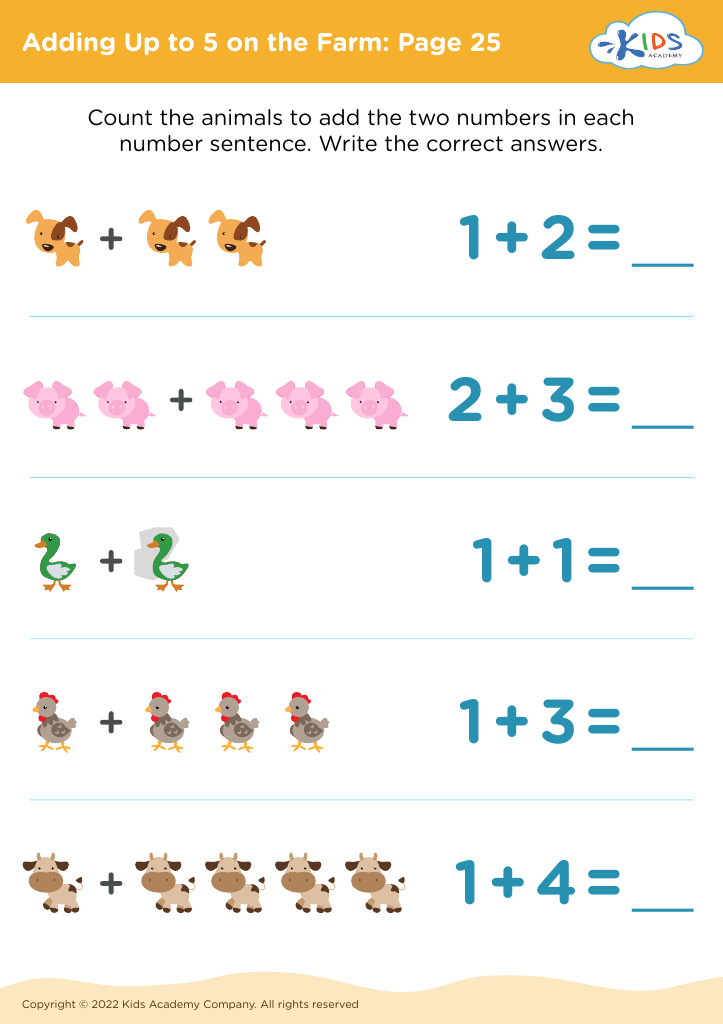
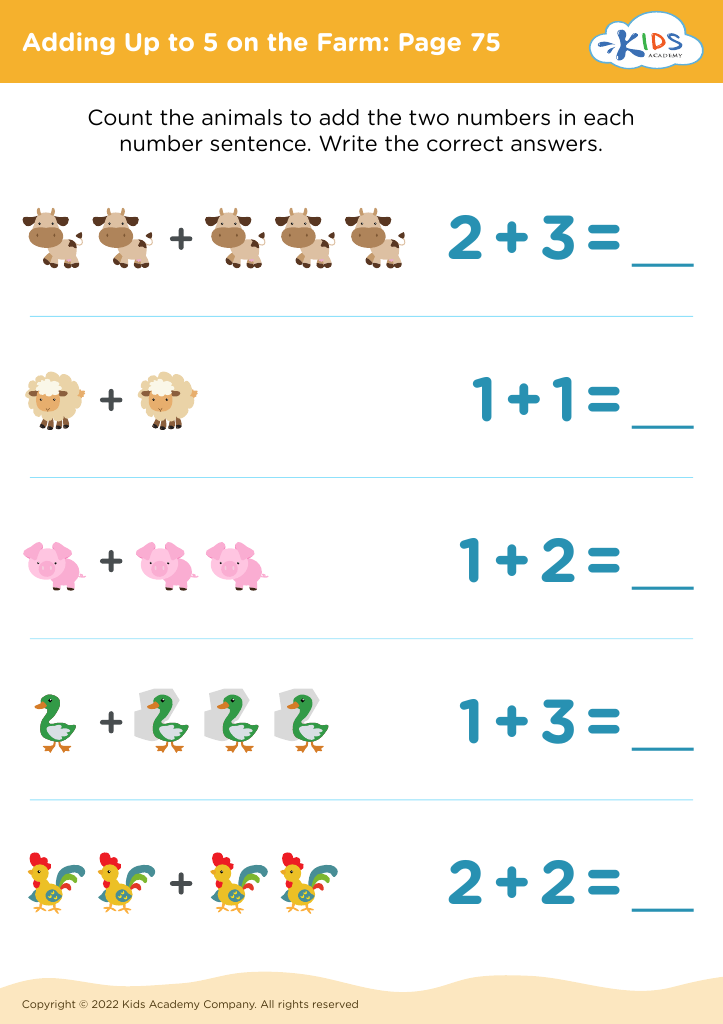
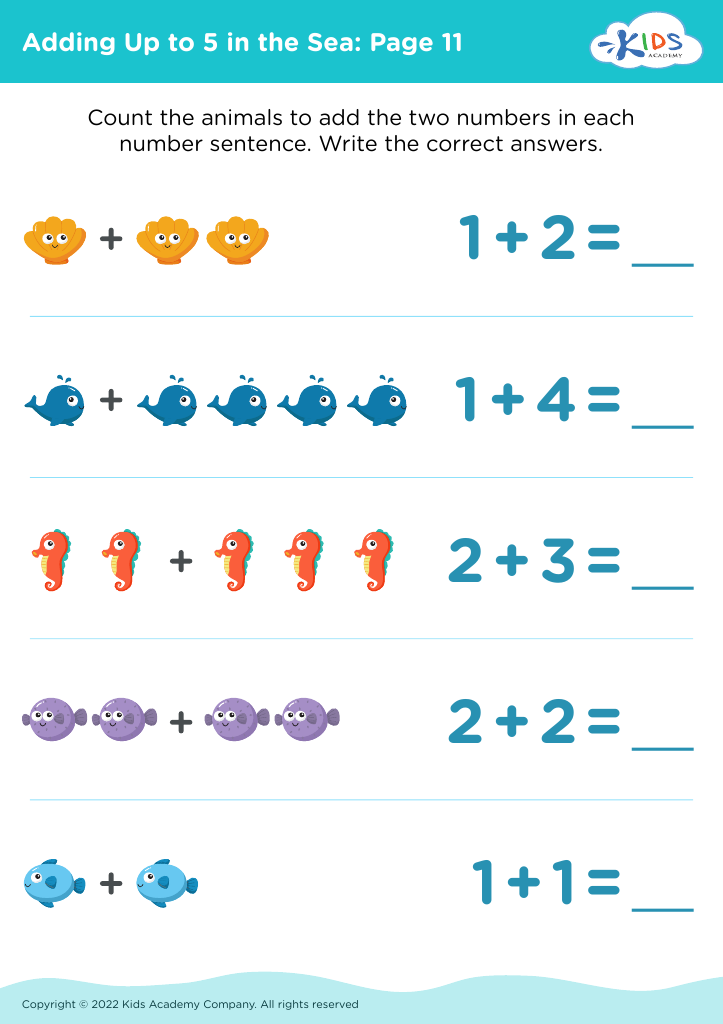
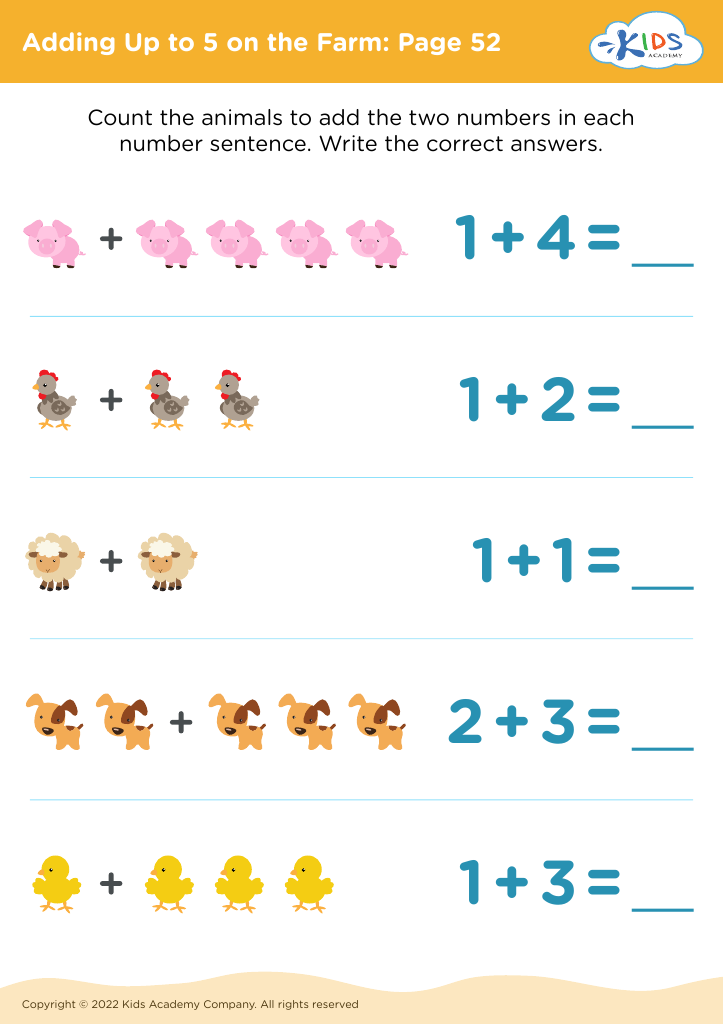
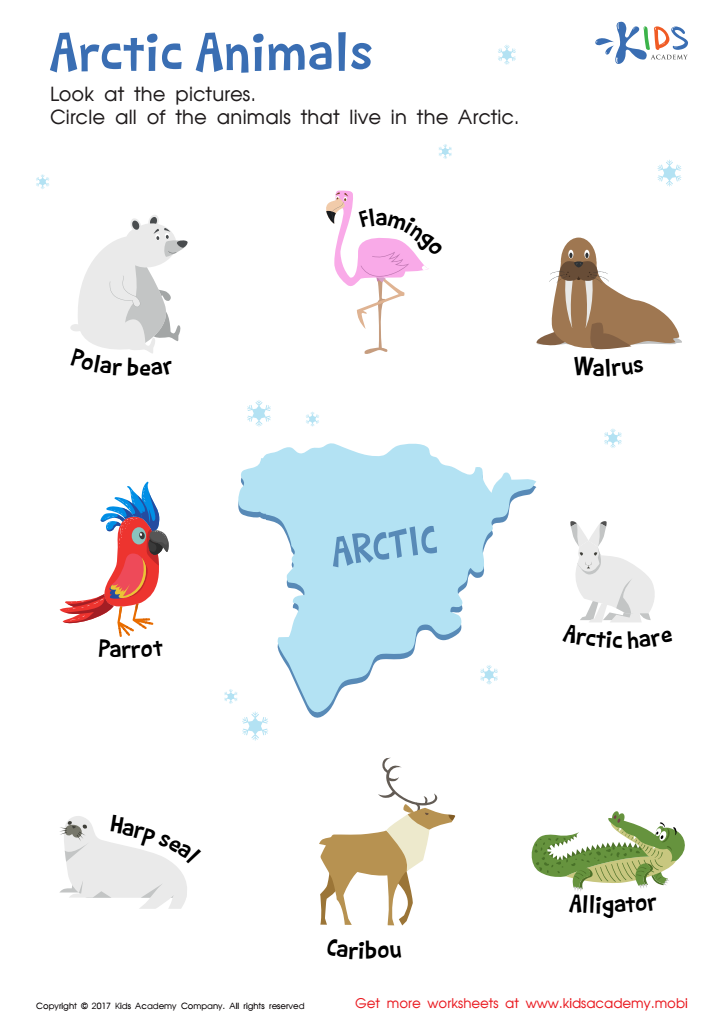
Arctic Animals Worksheet
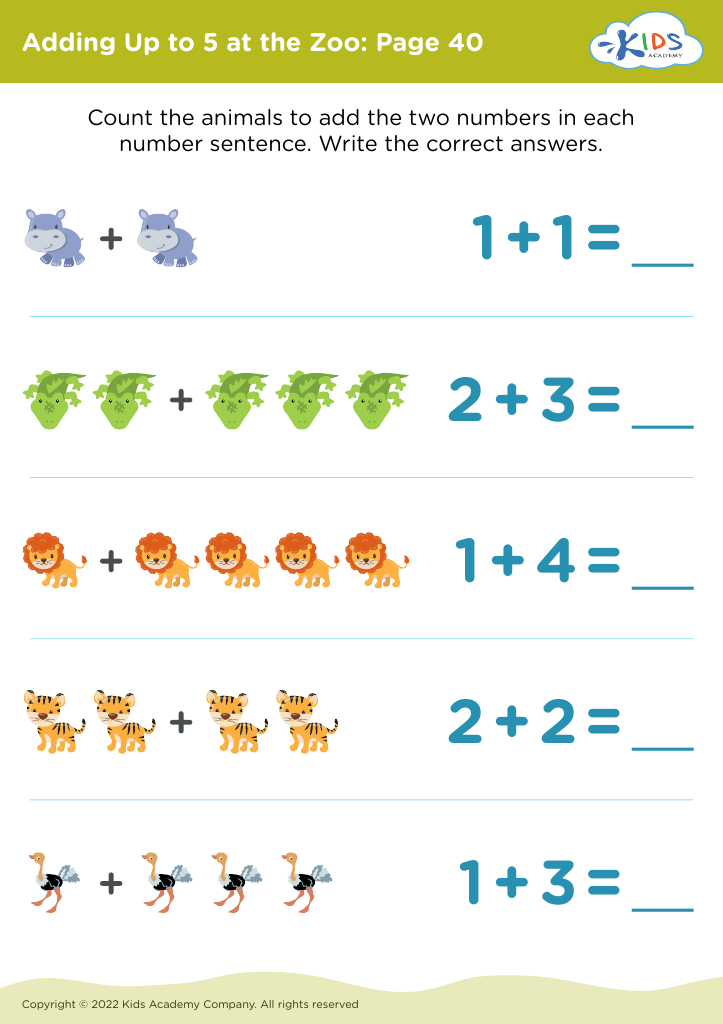

Turkey Thanksgiving Day Worksheet
 Assign to My Students
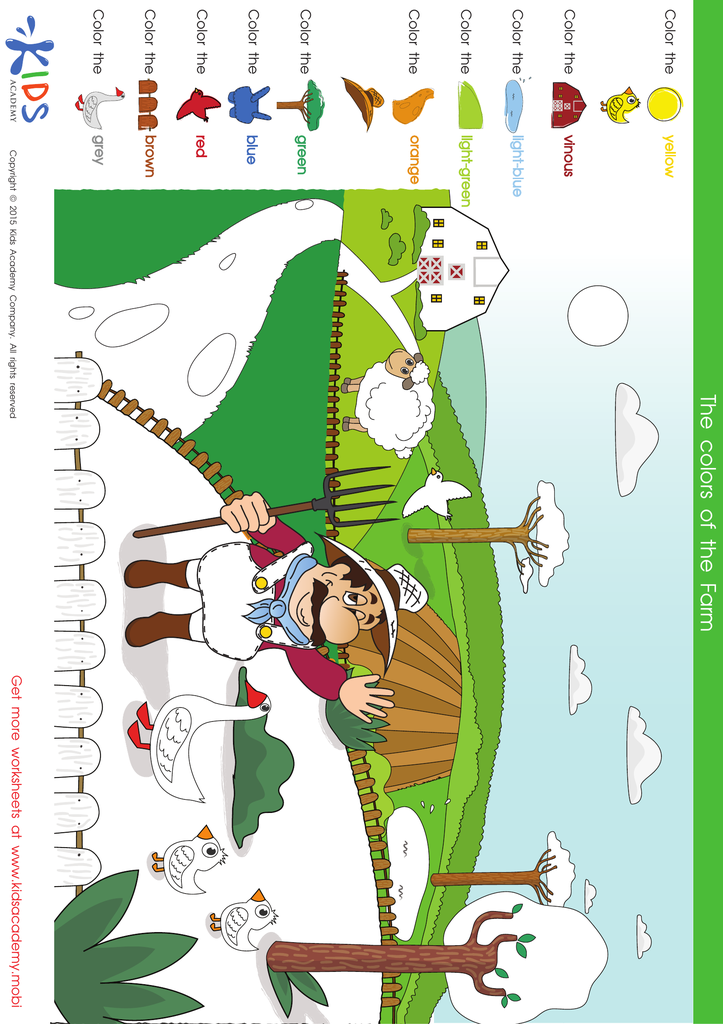
Color the Farmer and His Geese Coloring Pages
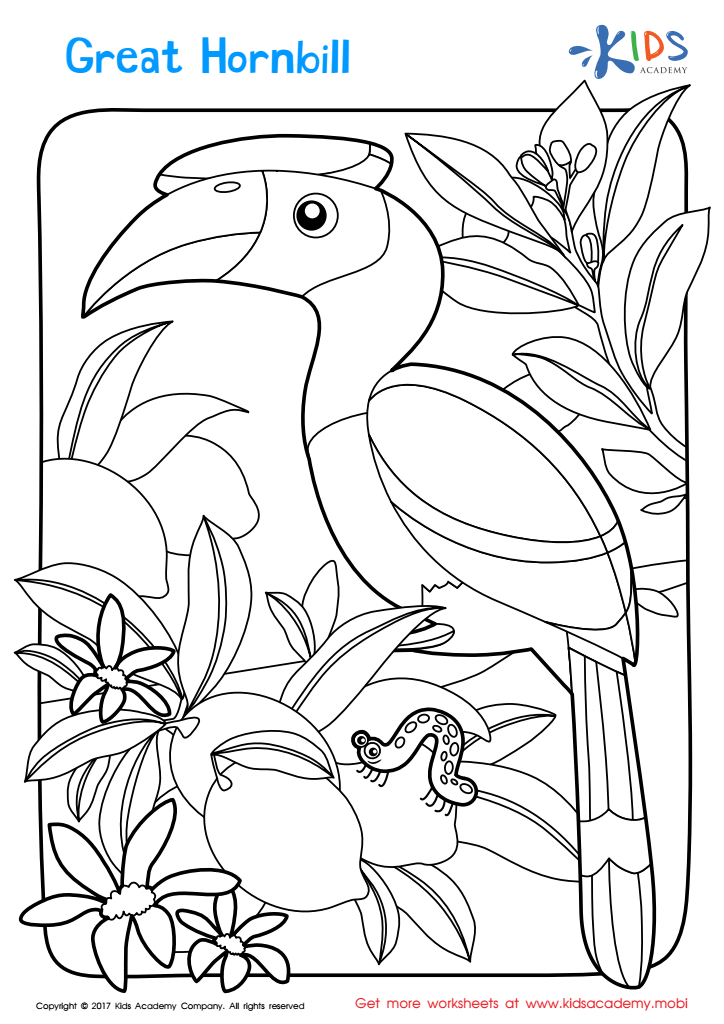
Great Hornbill Worksheet
Assign to My Students


.jpg)



Animal identification is an essential component of early education for children aged 3-5 as it fosters curiosity, critical thinking, and an appreciation for the natural world. By helping young learners identify various animals, parents and teachers can nurture essential cognitive skills, such as observation, comparison, and memory. This foundational understanding encourages children to engage with their environment, fostering a sense of wonder about living beings.
Additionally, early exposure to animal identification helps develop empathy and compassion for animals. As children learn about different species, habitats, and behaviors, they begin to appreciate the role animals play in our ecosystems. This understanding can instill a lifelong interest in nature and conservation.
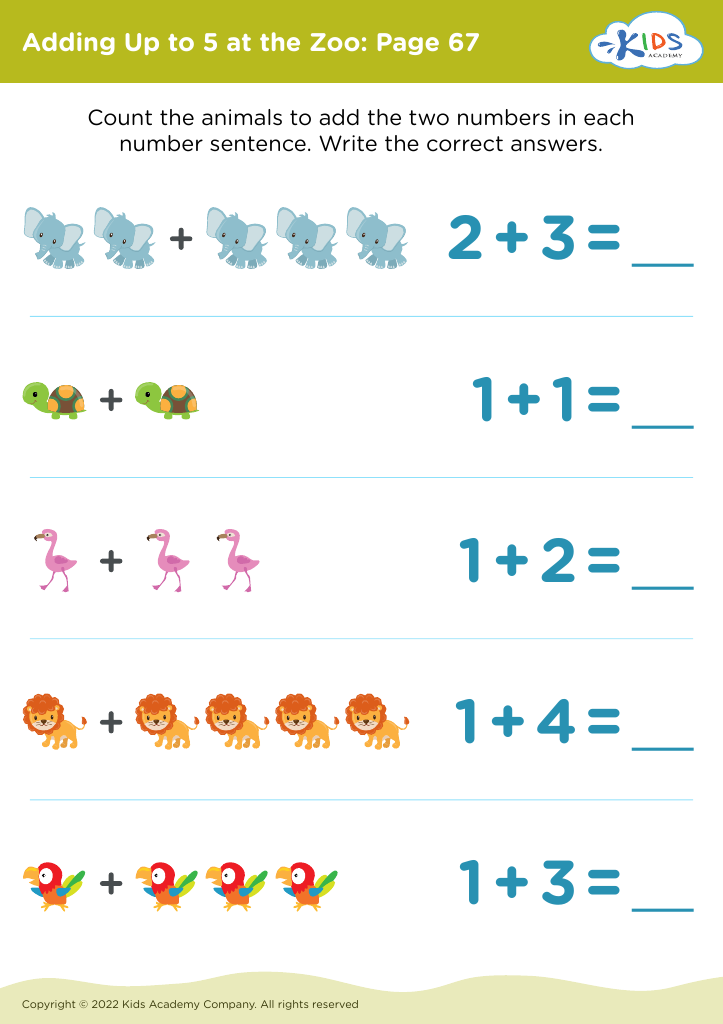
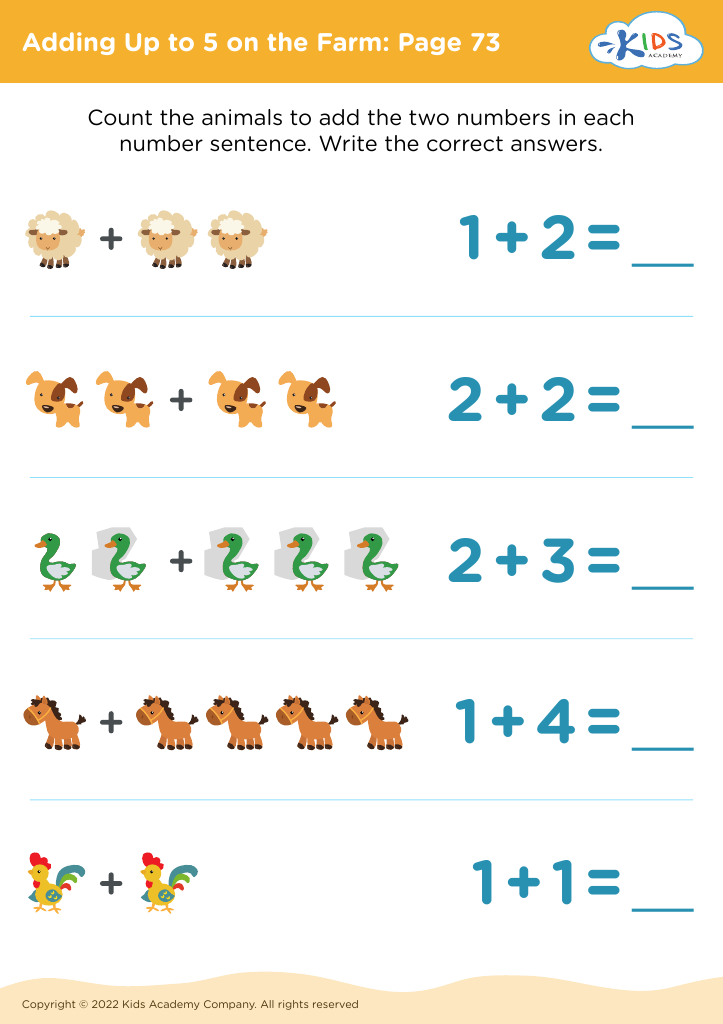
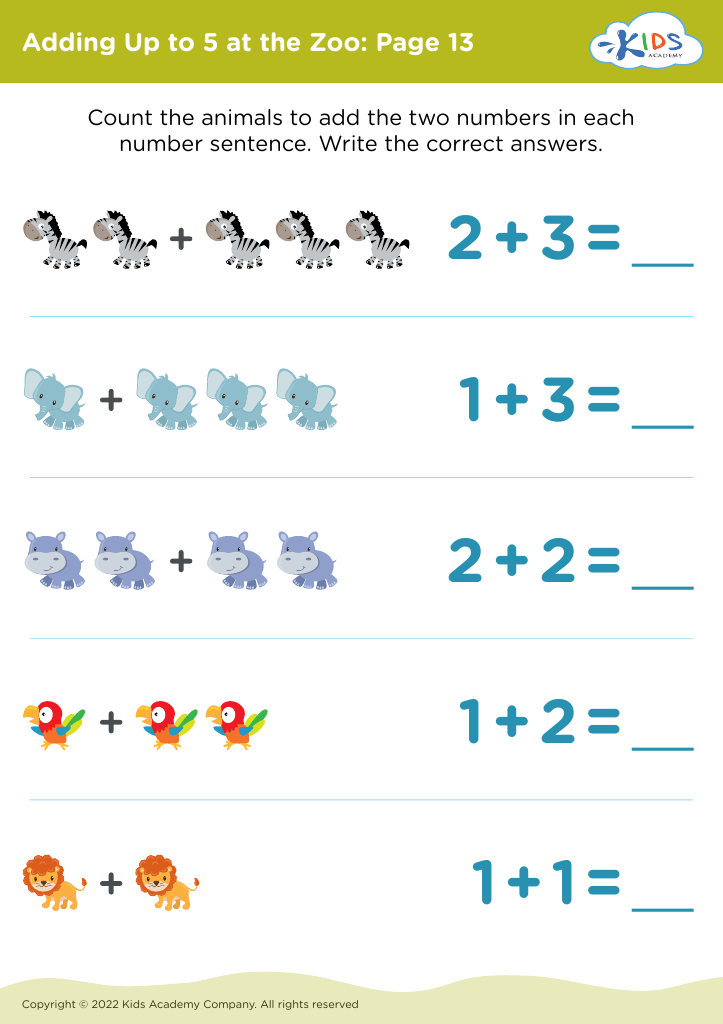
Furthermore, animal identification can be integrated into various subjects. For example, it can enhance language development through learning new vocabulary related to animals, habitats, and their characteristics. It can also support math skills through counting animals and sorting them by categories.
In summary, animal identification provides enriching learning experiences that contribute to cognitive, emotional, and social development in young children. Engaging with this topic sets the stage for future explorations in science and nurtures responsible, caring individuals who value the world around them.








