Associative learning Worksheets for Ages 3-5
3 filtered results
-
From - To
Discover our engaging Associative Learning Worksheets designed specifically for children aged 3-5! These worksheets help young learners make connections between related concepts, enhancing their cognitive skills through fun activities. Featuring colorful illustrations and easy-to-follow instructions, our resources encourage children to associate words, images, and ideas, fostering essential early learning. Ideal for classrooms or at-home learning, these worksheets promote critical thinking and vocabulary development while keeping children entertained. Explore our collection today and watch your child's understanding of relationships grow as they enjoy meaningful learning experiences! Perfect for parents, teachers, and caregivers looking to nurture curiosity and learning in early childhood.
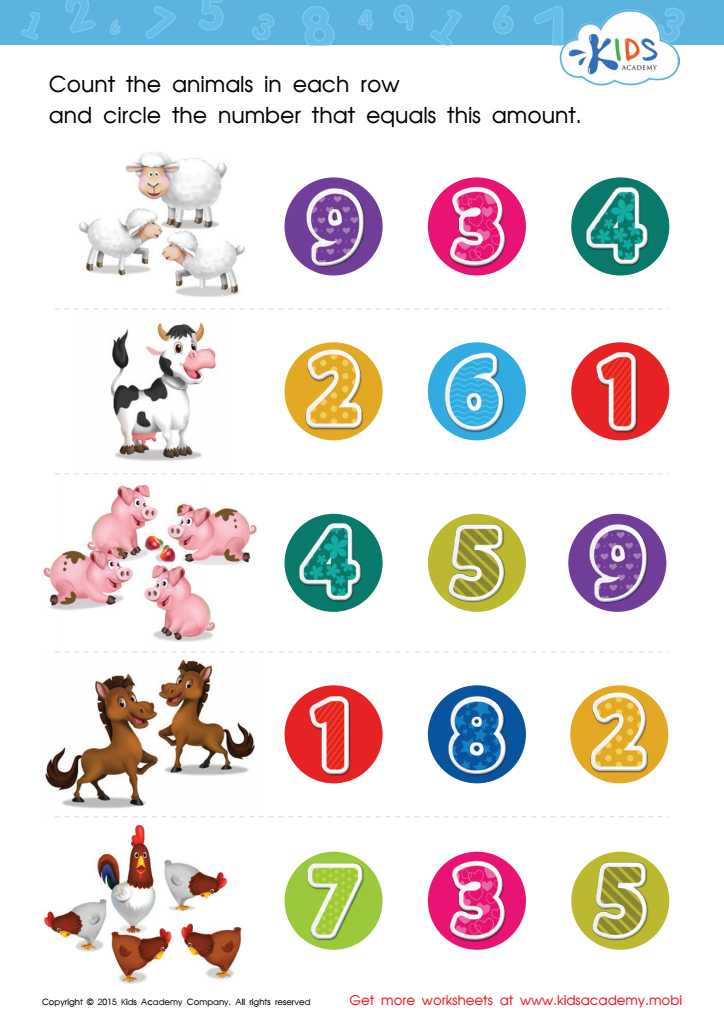
Count and Match 1 – 5 Math Worksheet
 Assign to My Students
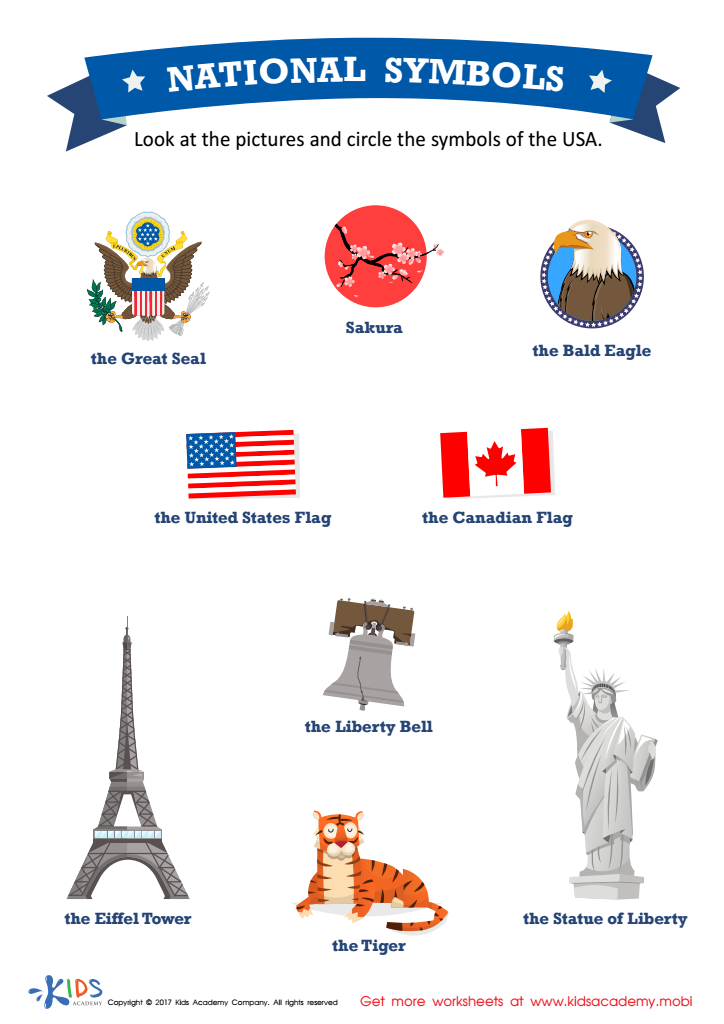
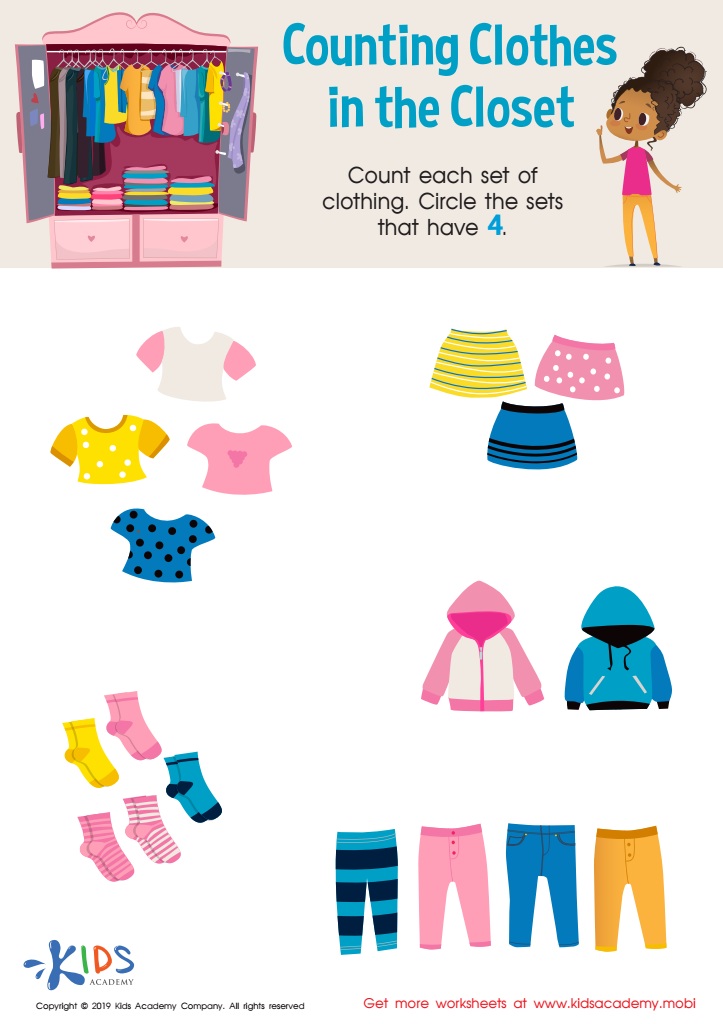
Counting Clothes Worksheet








Associative learning, where children develop connections between ideas, experiences, and stimuli, is crucial for ages 3-5, as it lays the foundation for cognitive and social development. During these formative years, children learn to identify patterns, make predictions, and build relationships between objects and events. This learning process enhances their ability to understand the world around them and fosters critical thinking skills that will benefit them throughout their education.
Parents and teachers should care about associative learning because it aids language acquisition. By associating words with meanings, contexts, and emotions, children broaden their vocabulary and improve communication skills. Additionally, associative learning promotes social interactions; as children connect emotional responses with certain actions or behaviors, they learn to navigate friendships and develop empathy.
Furthermore, engaging in activities that encourage associative learning—like story-telling, sensory play, or music—stimulates curiosity and fosters creativity. These experiences not only enhance cognitive abilities but also improve overall emotional wellbeing and resilience.
Ultimately, supporting associative learning in early education helps equip children with essential tools for problem-solving, reasoning, and adapting. This foundation enables them to become confident, lifelong learners, proficient in various aspects of life and ready to engage with their communities.








