Basic counting skills Worksheets for Ages 3-5
16 filtered results
-
From - To
Enhance your child's early math foundation with our Basic Counting Skills Worksheets designed specifically for ages 3-5. These engaging and colorful worksheets introduce essential counting concepts through fun activities that captivate young learners. Children will practice counting objects, recognizing numerosities, and honing their one-to-one correspondence skills in a playful and interactive way. Each worksheet encourages independent learning and helps build confidence as kids discover the joy of numbers. Whether at home or in the classroom, our carefully crafted materials support developmental milestones, making math exciting for your little ones. Start their counting journey today with our creative and educational resources!
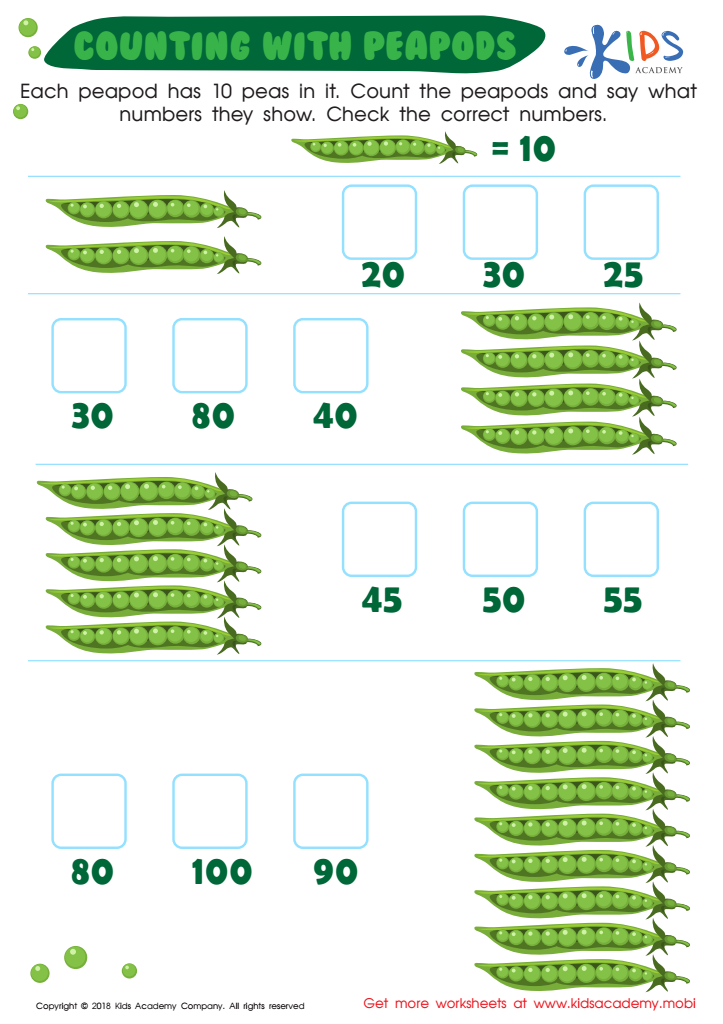
Number Worksheet: Counting With Peapods
 Assign to My Students
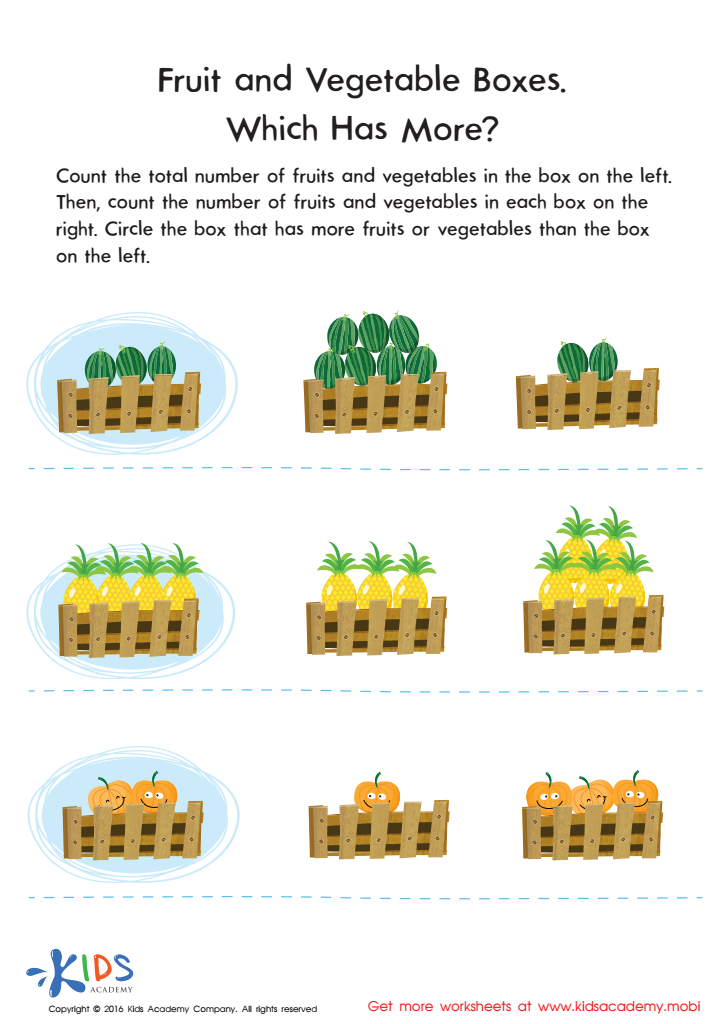
Which Has More? Size Worksheet
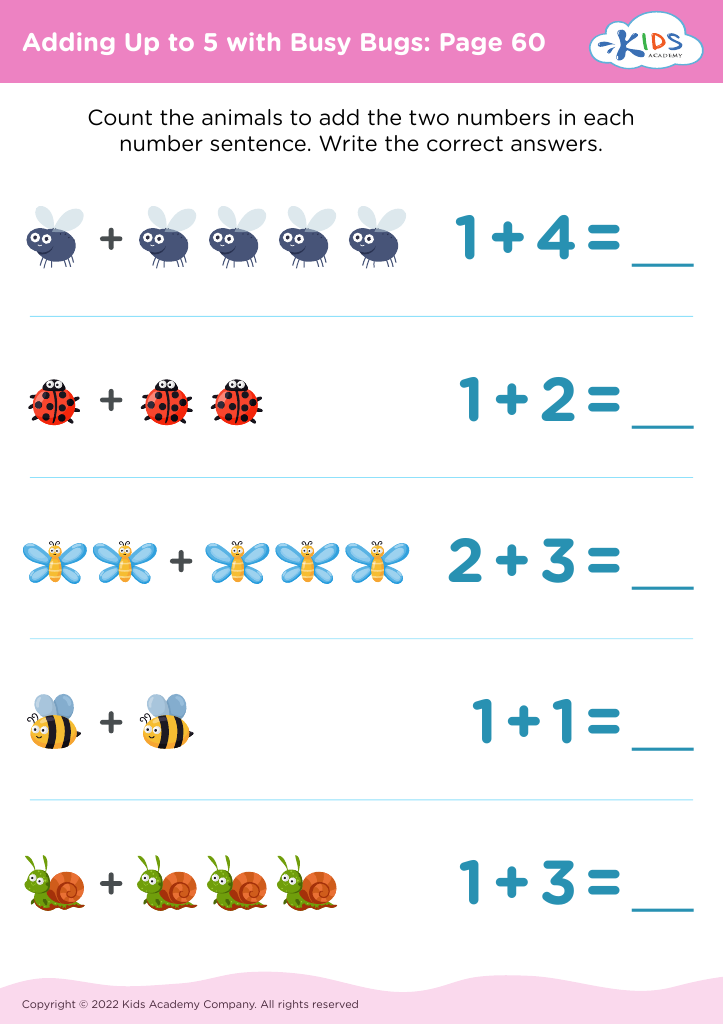
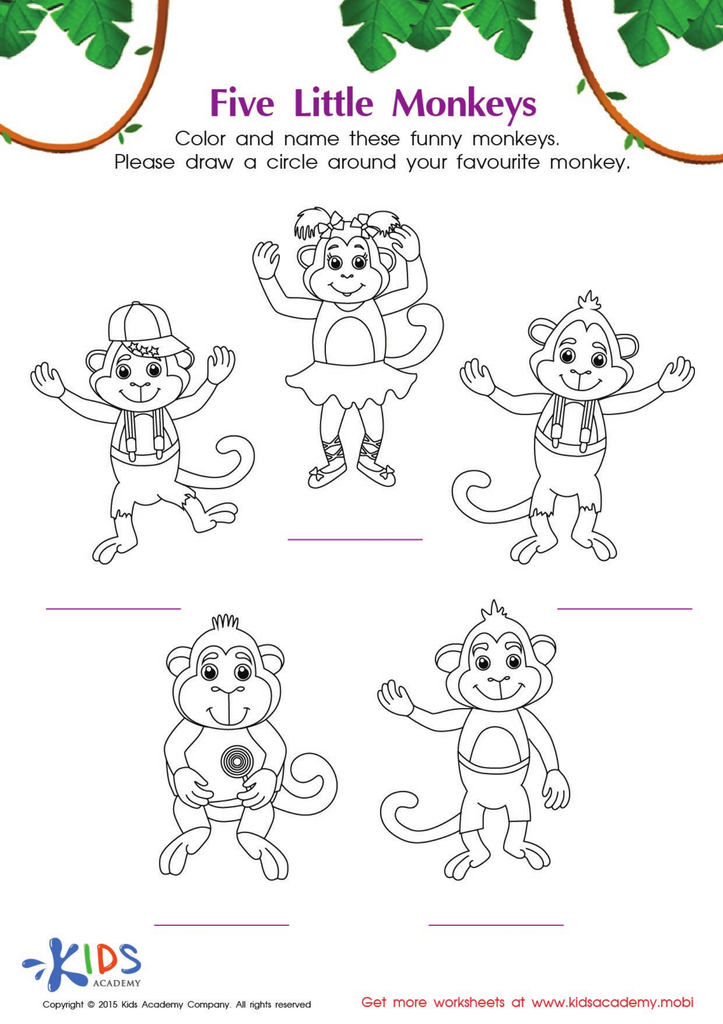
The Five Little Monkeys Coloring Worksheet
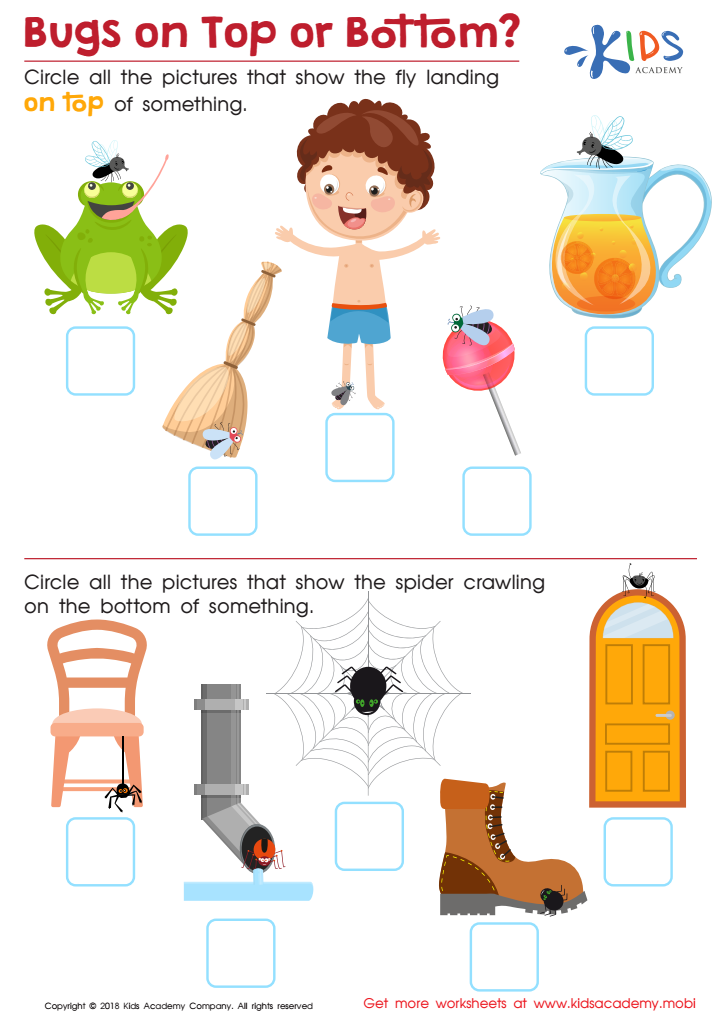
Bugs on Top or Bottom? Worksheet
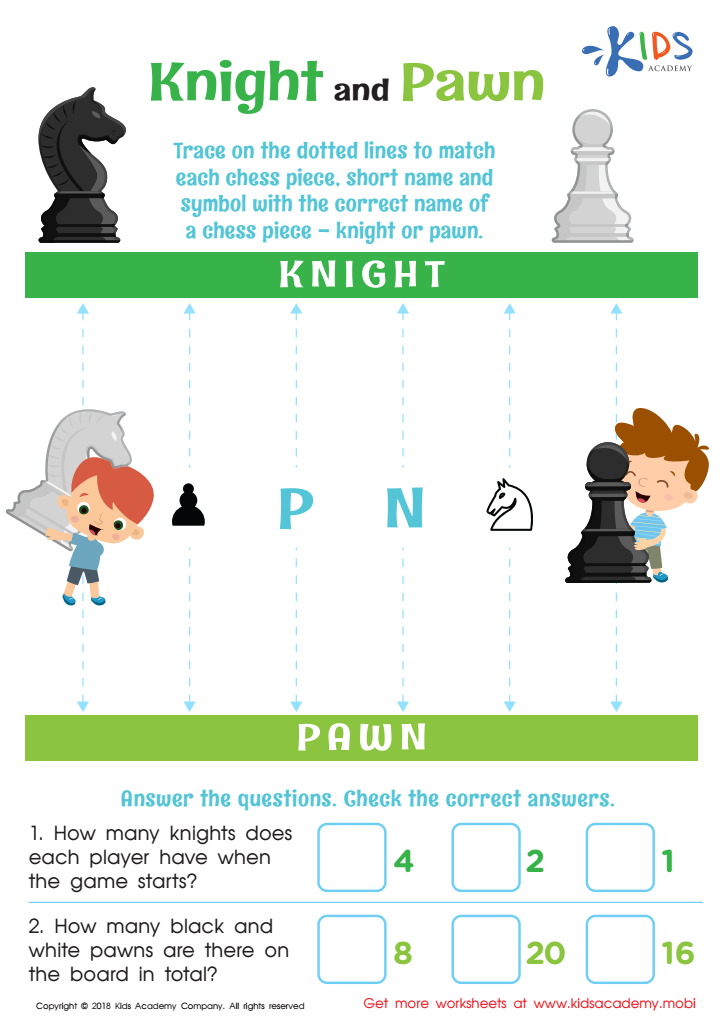
Knight and Pawn Worksheet
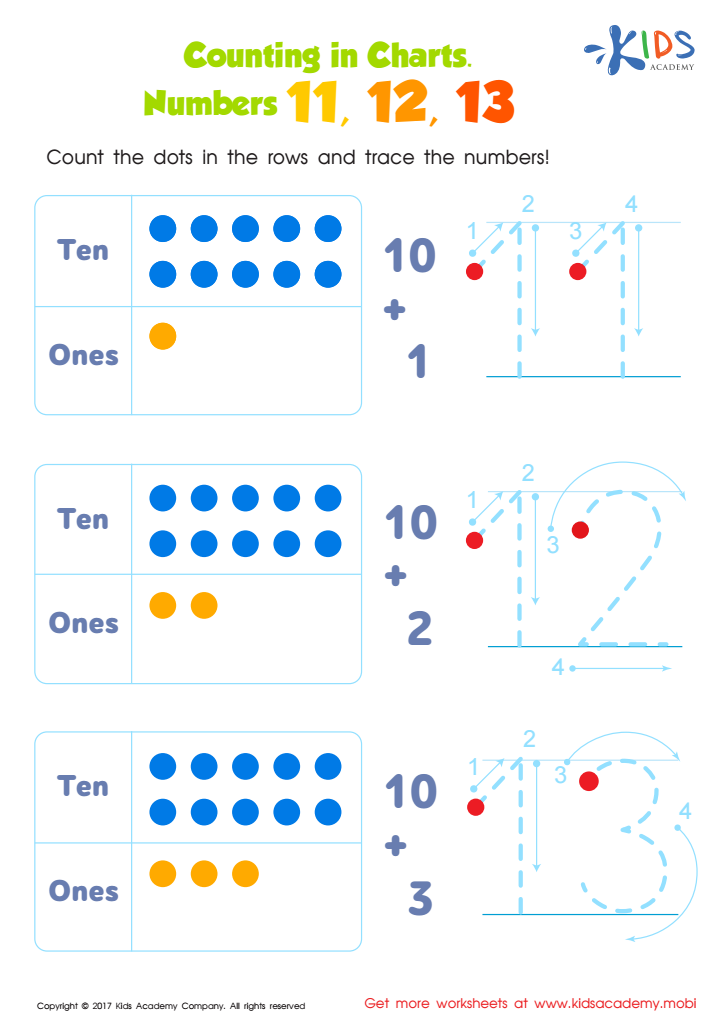
Number Tracing Worksheet For Kindergarten
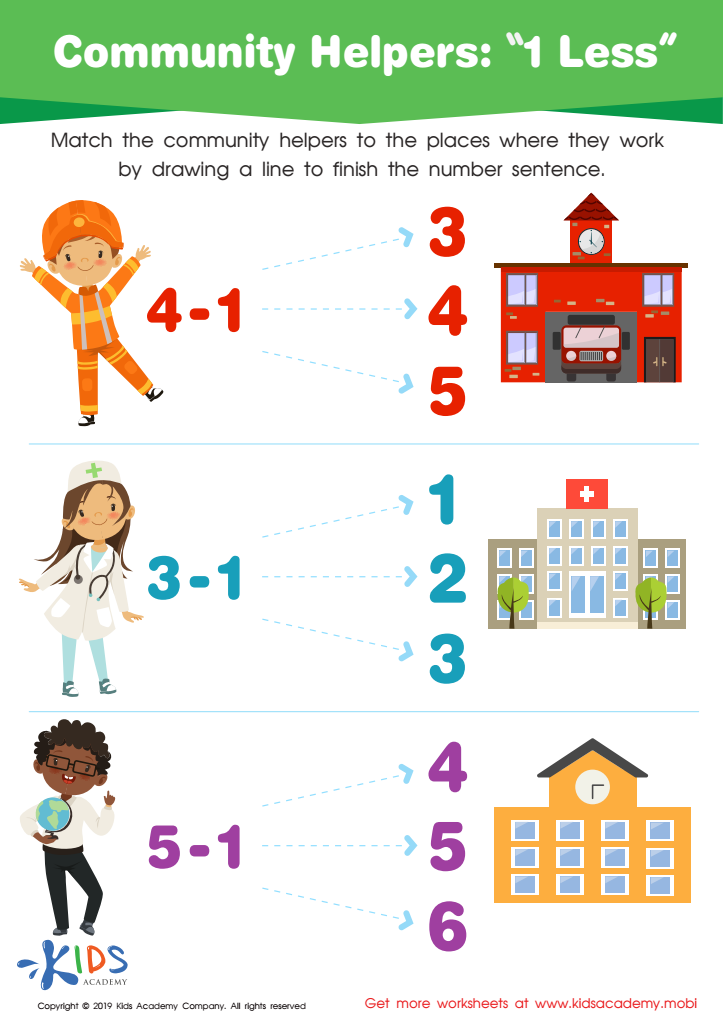
Community Helpers: 1 less Worksheet
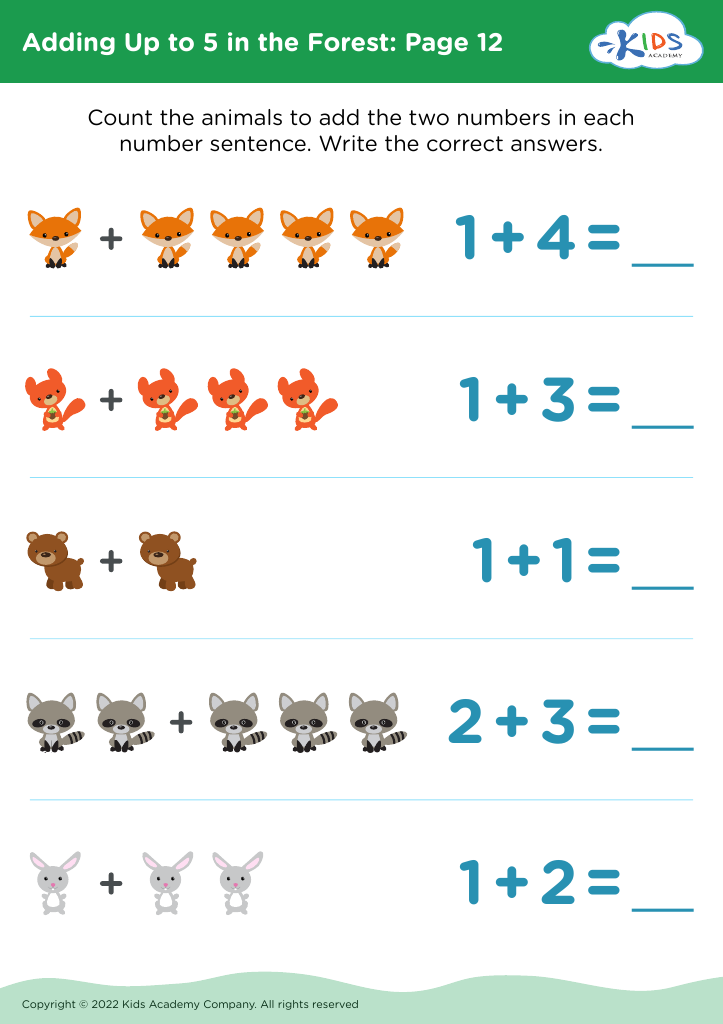
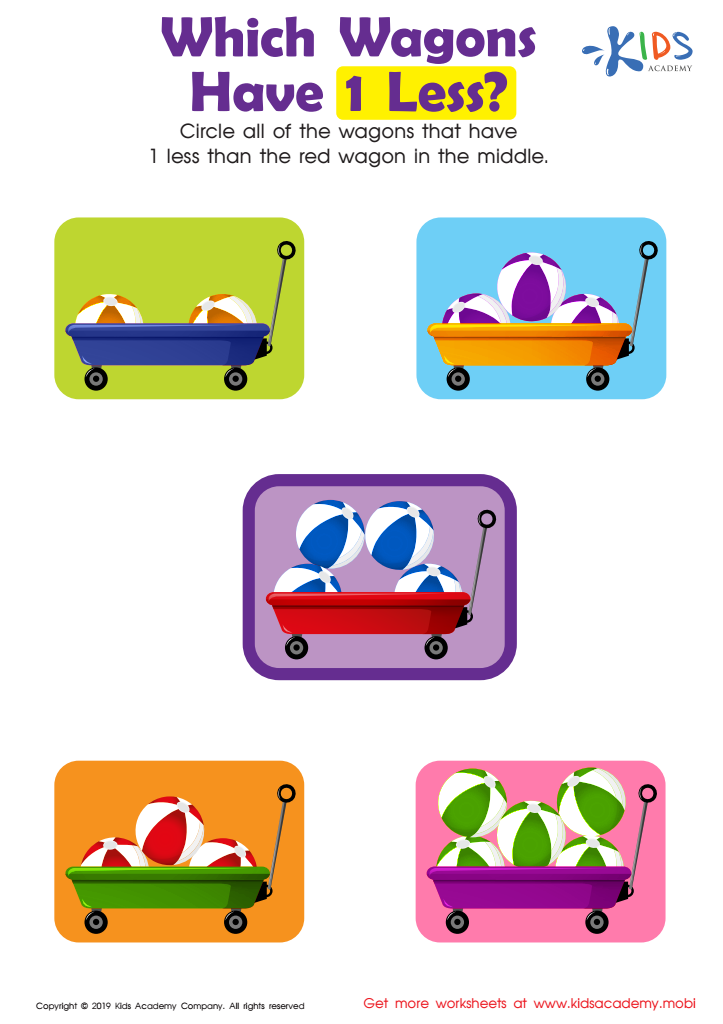
Which Wagons Have 1 Less? Worksheet
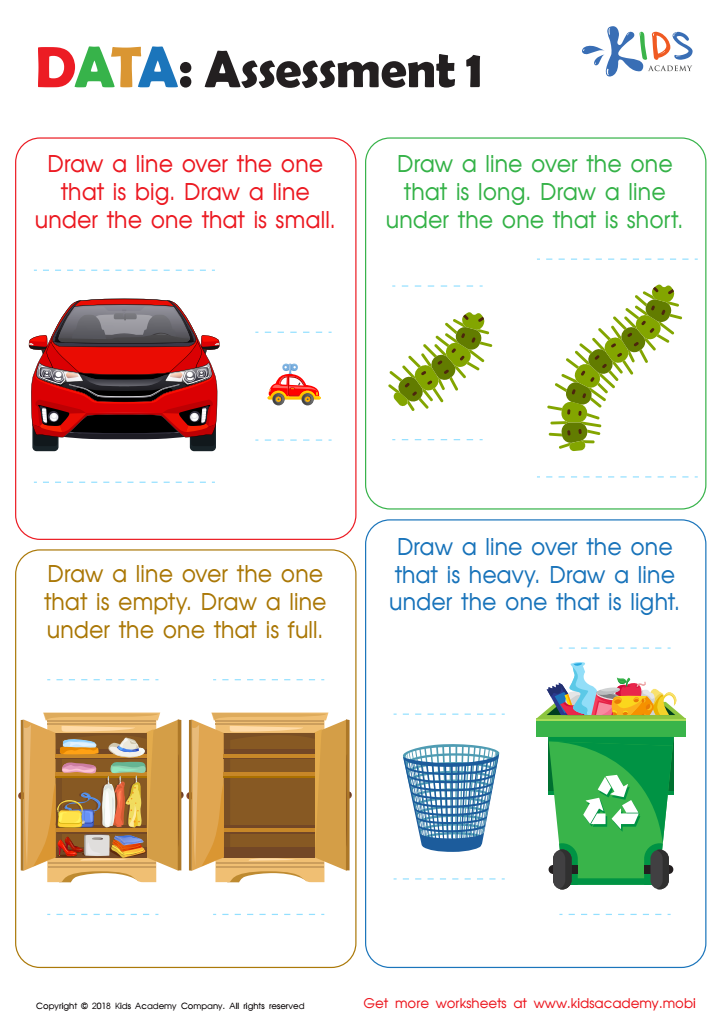
Data: Assessment 1 Worksheet
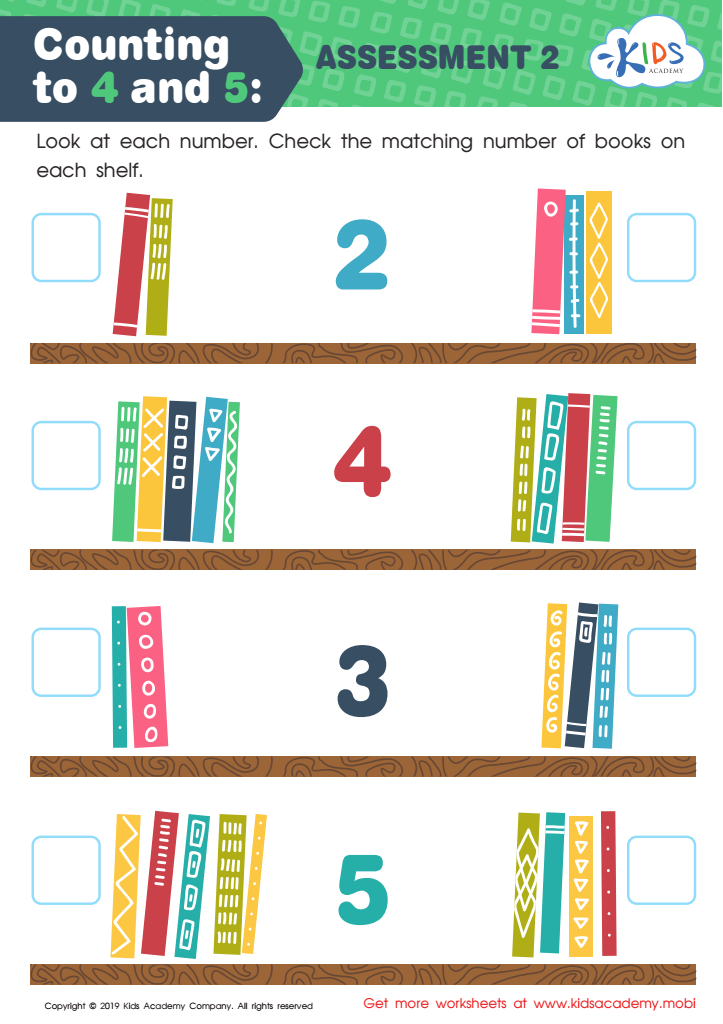
Counting to 4 and 5: Assessment 2 Worksheet
Great Hornbill – Coloring by Numbers
Twinkle, Twinkle, Little Star – Coloring by Numbers
Little Chef – Coloring by Numbers








Basic counting skills for children aged 3 to 5 are crucial foundations for their overall cognitive development and future academic success. At this stage, young learners are building essential numerical understandings that influence their mathematical abilities later on. When parents and teachers prioritize counting skills, they facilitate the development of critical thinking, problem-solving, and language skills.
Counting not only introduces early math concepts but also enhances a child’s understanding of quantity, order, and patterns. Engaging with numbers through playful activities, such as counting toys or singing number songs, helps children grasp these concepts naturally and joyfully. This age is also pivotal for fostering a positive attitude towards math, as children who receive early experiences in counting are more likely to feel confident and engaged in more complex mathematical tasks later in their schooling.
Moreover, counting skills enhance everyday experiences, helping children navigate real-life scenarios, such as sharing snacks or understanding routine schedules. The interactions children have regarding counting can strengthen relationships with caregivers by providing opportunities for collaborative learning. In short, cultivating basic counting skills in young learners serves as a vital stepping stone, ensuring they thrive in both academic and social environments.








