Counting skills Worksheets for Ages 3-5 - Page 14
321 filtered results
-
From - To
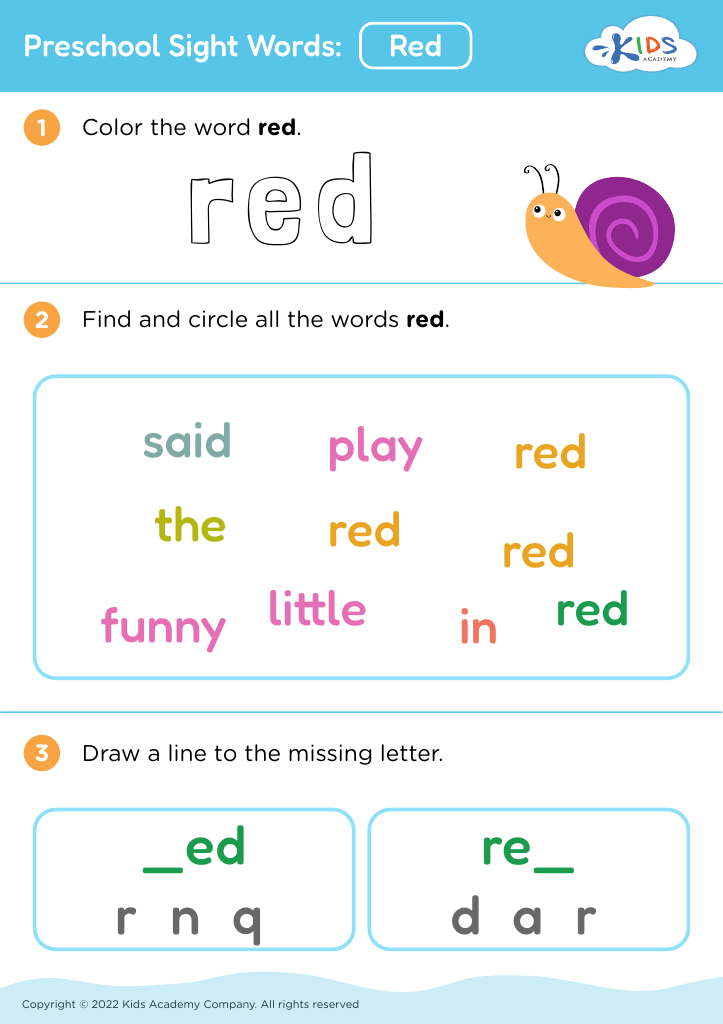
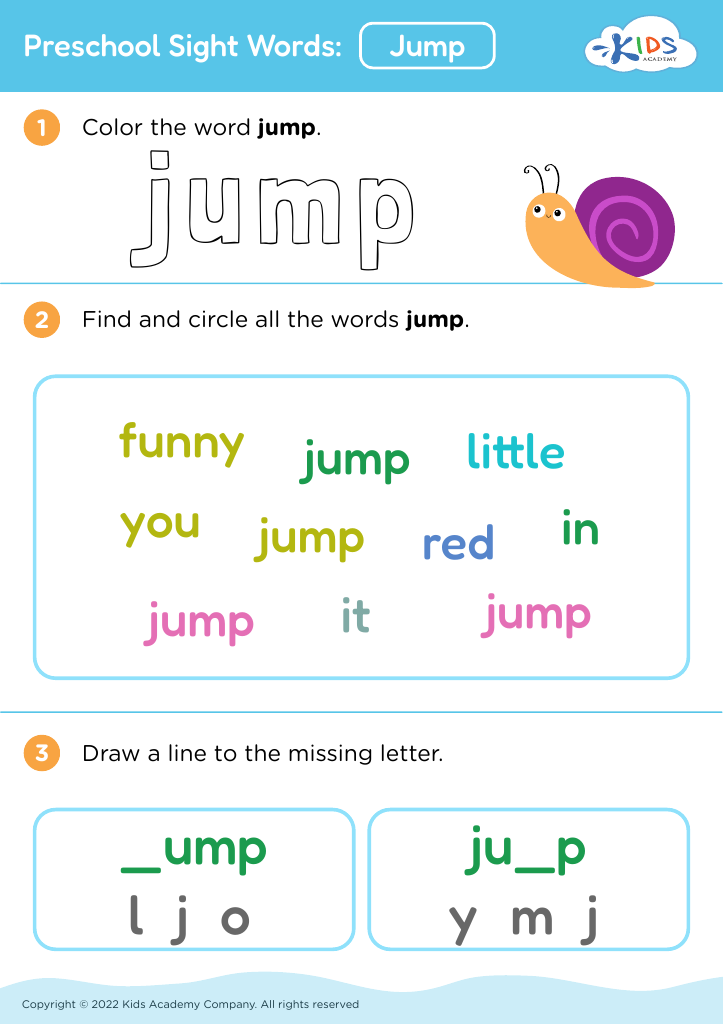
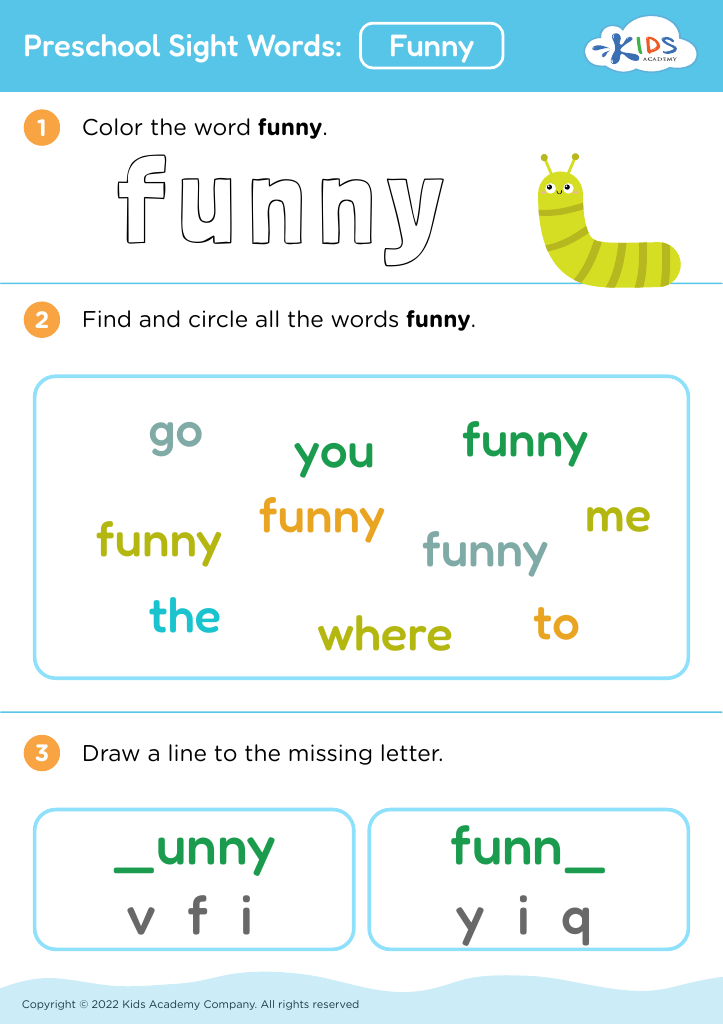
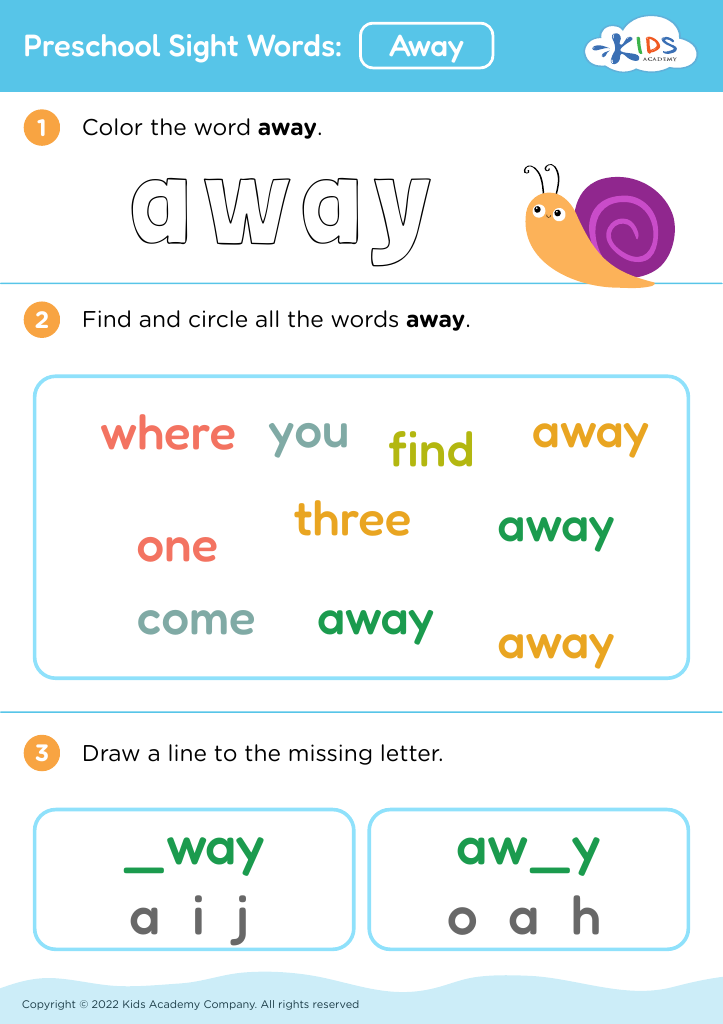








Counting skills are foundational for young children's cognitive development and future academic success. For children aged 3-5, mastering counting is one of the first steps in mathematical learning. When parents and teachers prioritize counting skills, they help children develop essential abilities such as number recognition, one-to-one correspondence, and the understanding of quantity. These skills set the stage for more complex mathematical concepts like addition and subtraction later on.
Moreover, counting provides opportunities for social interaction and language development. Engaging in counting activities can enhance vocabulary as children learn to use number words and descriptive terms. It fosters critical thinking and problem-solving skills as children explore patterns and make comparisons.
Additionally, nurturing a strong foundation in counting supports a child’s overall confidence in their abilities. When children experience success in counting, they are more likely to approach future challenges in math with a positive, can-do attitude. By actively engaging in counting games and activities at home and in educational settings, parents and teachers contribute significantly to children's readiness for future learning and their ability to navigate everyday situations involving numbers. Ultimately, emphasis on counting skills lays the groundwork for a lifelong appreciation of learning and numeracy.








