Critical Thinking Worksheets for Ages 3-5 - Page 3
64 filtered results
-
From - To
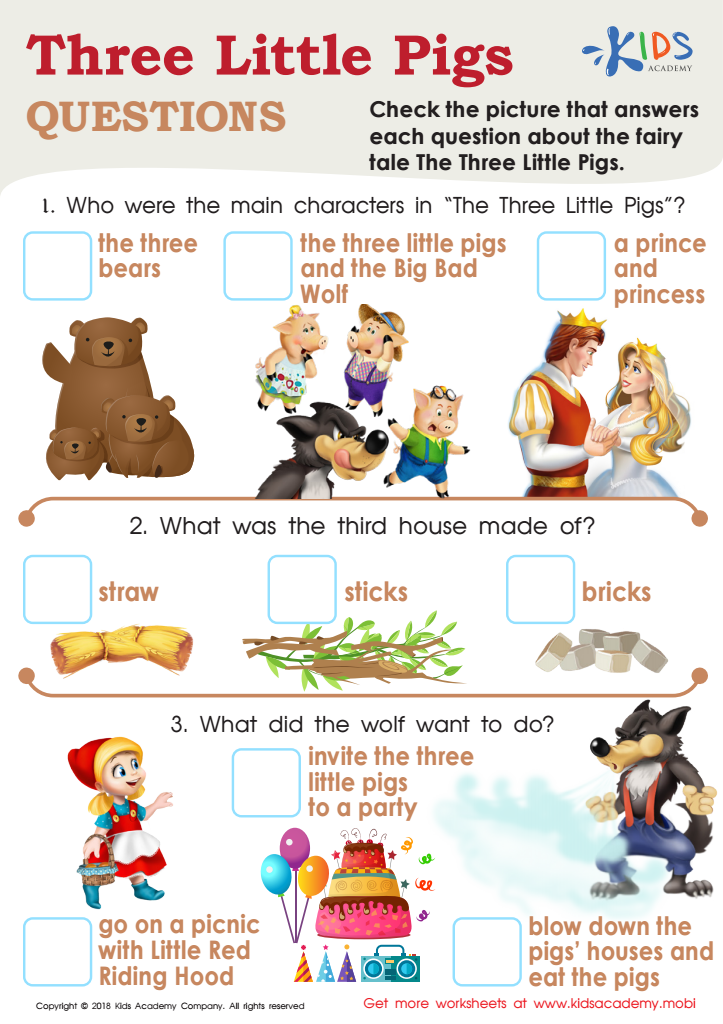
Three Little Pigs Questions Worksheet
 Assign to My Students
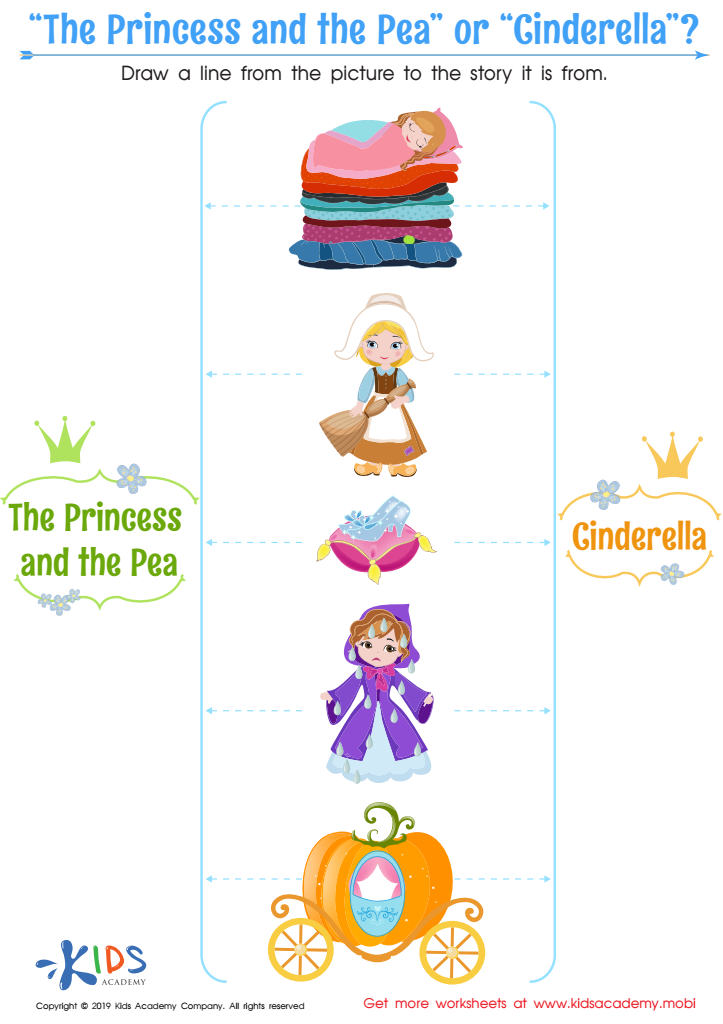
“The Princess and the Pea” or “Cinderella” Worksheet

Questions About Stories: Assessment 1 Worksheet
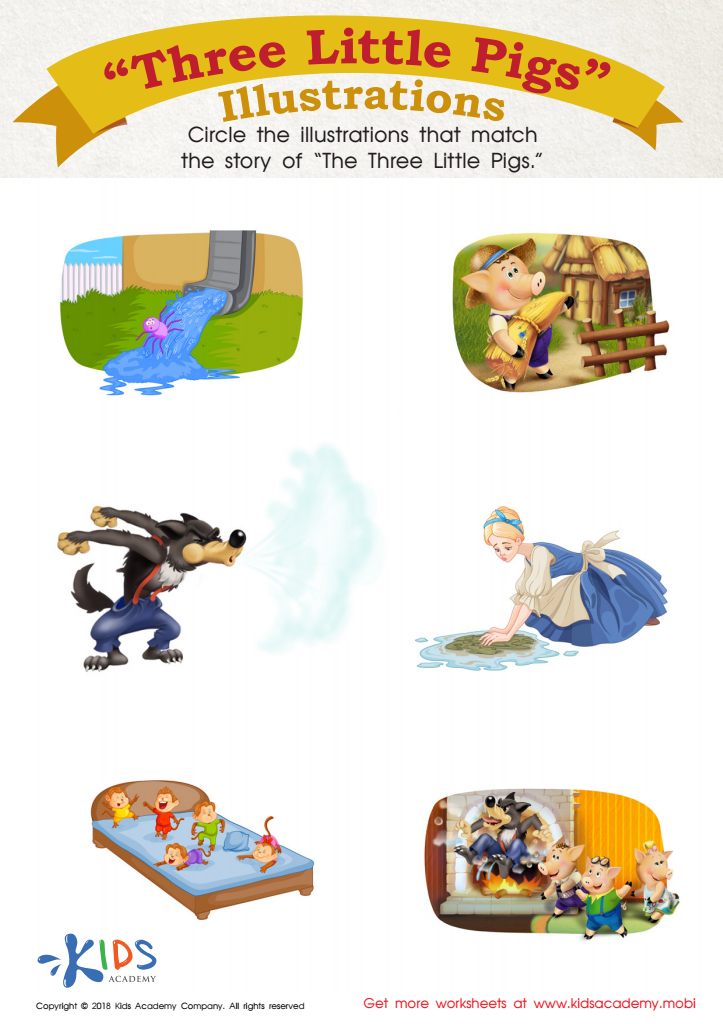
Three Little Pigs: Illustrations Worksheet
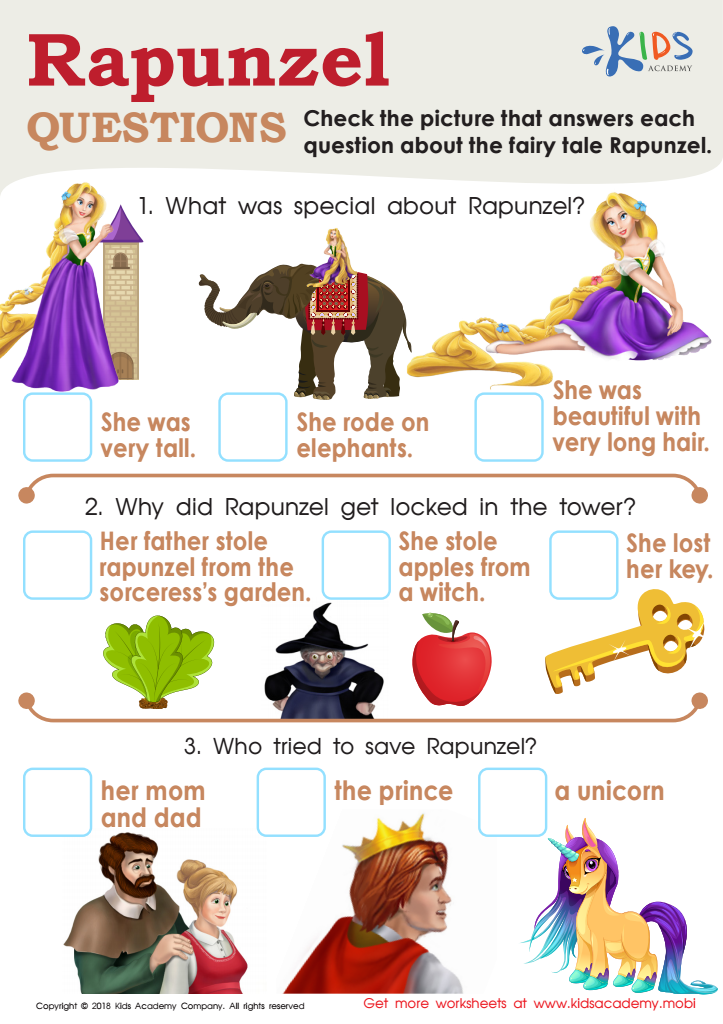
Rapunzel Questions Worksheet
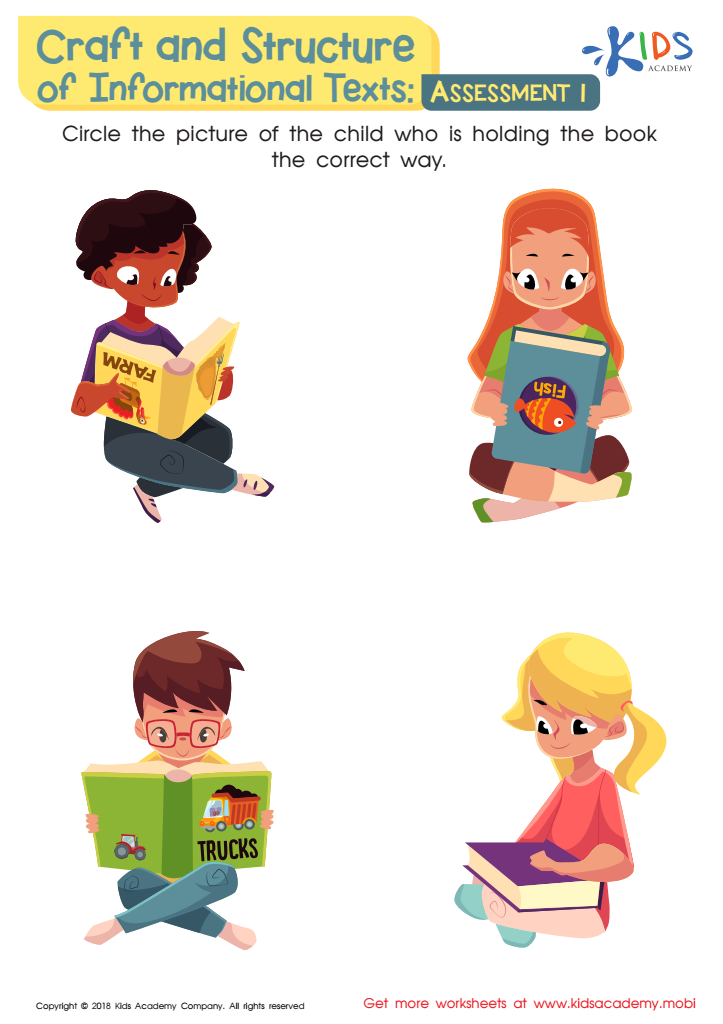
Craft and Structure of Informational Texts: Assessment 1 Worksheet
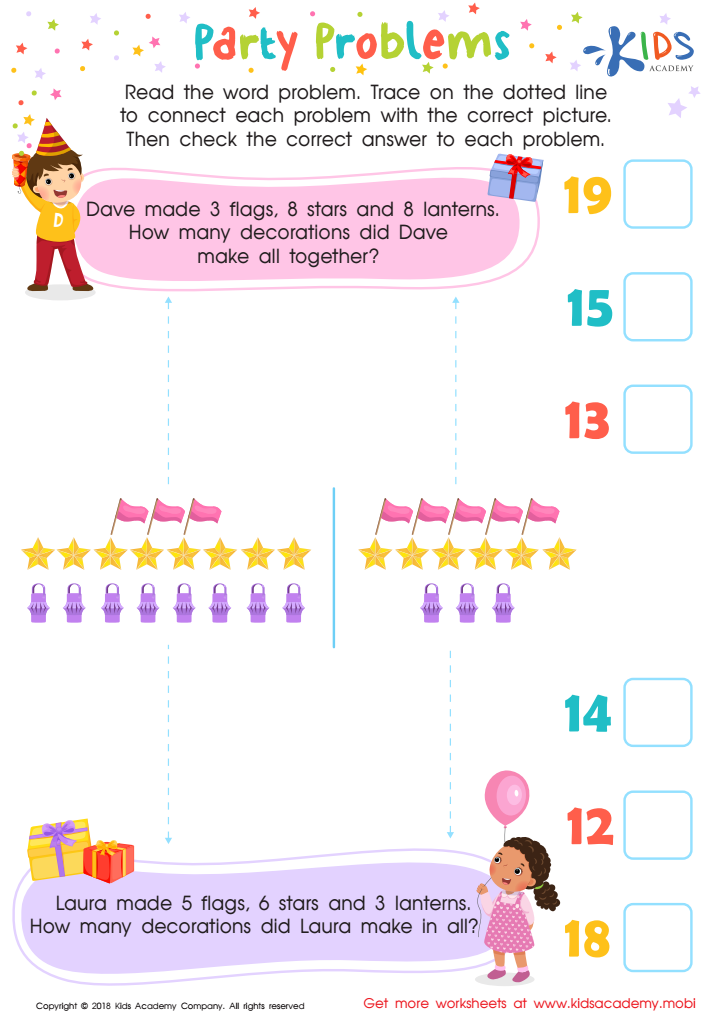
Party Problems Worksheet
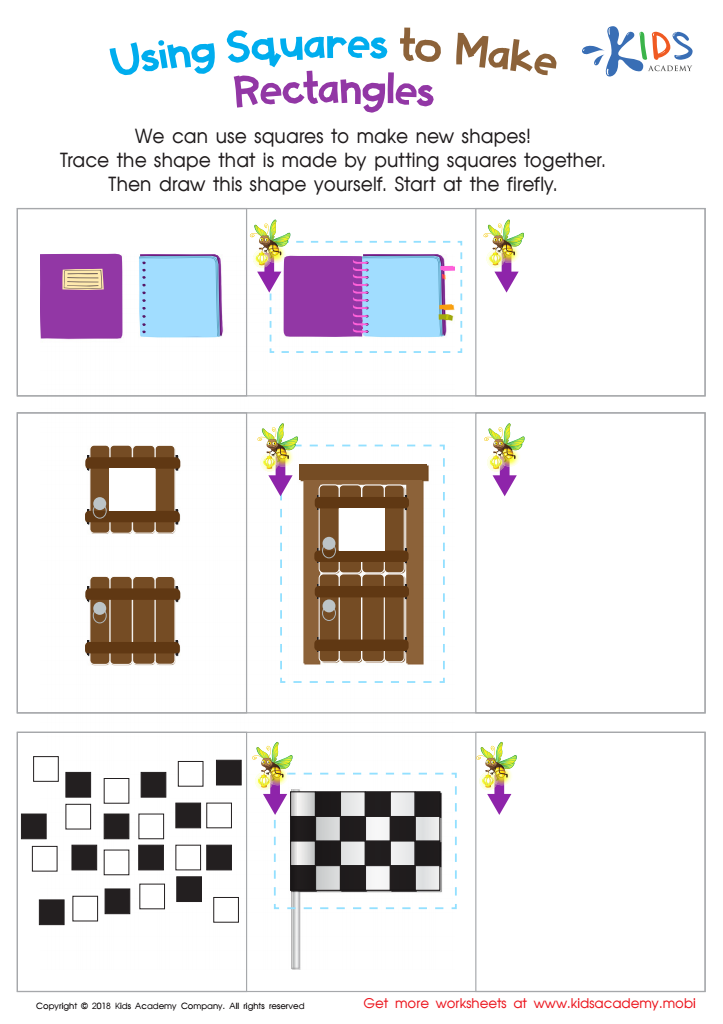
Using Squares to Make Rectangles Worksheet
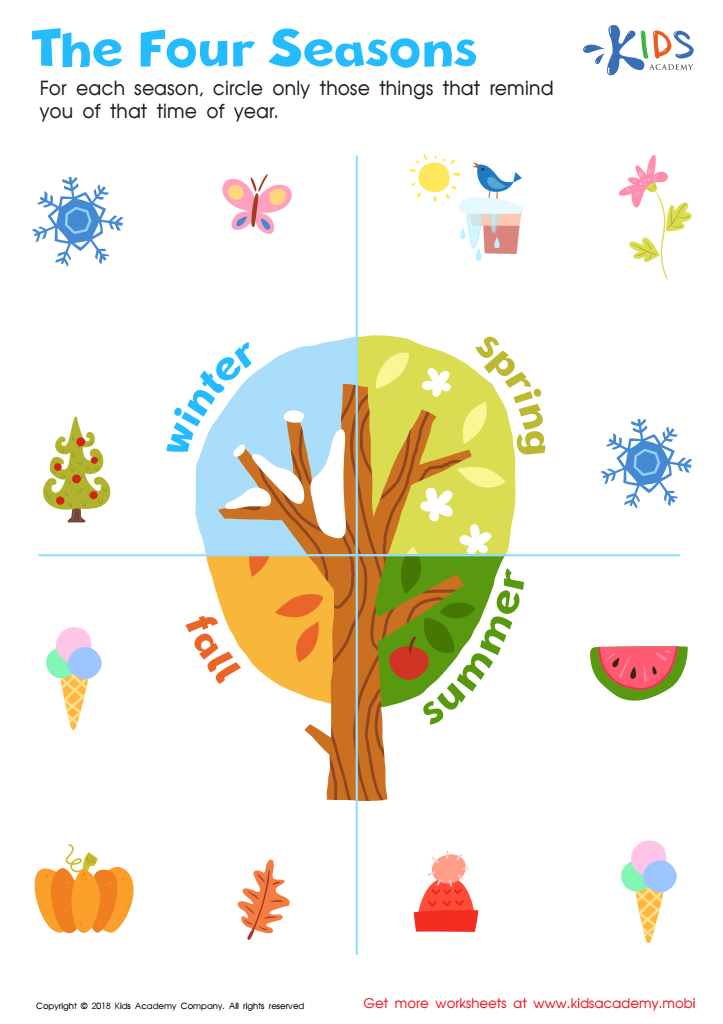
The Four Seasons Worksheet
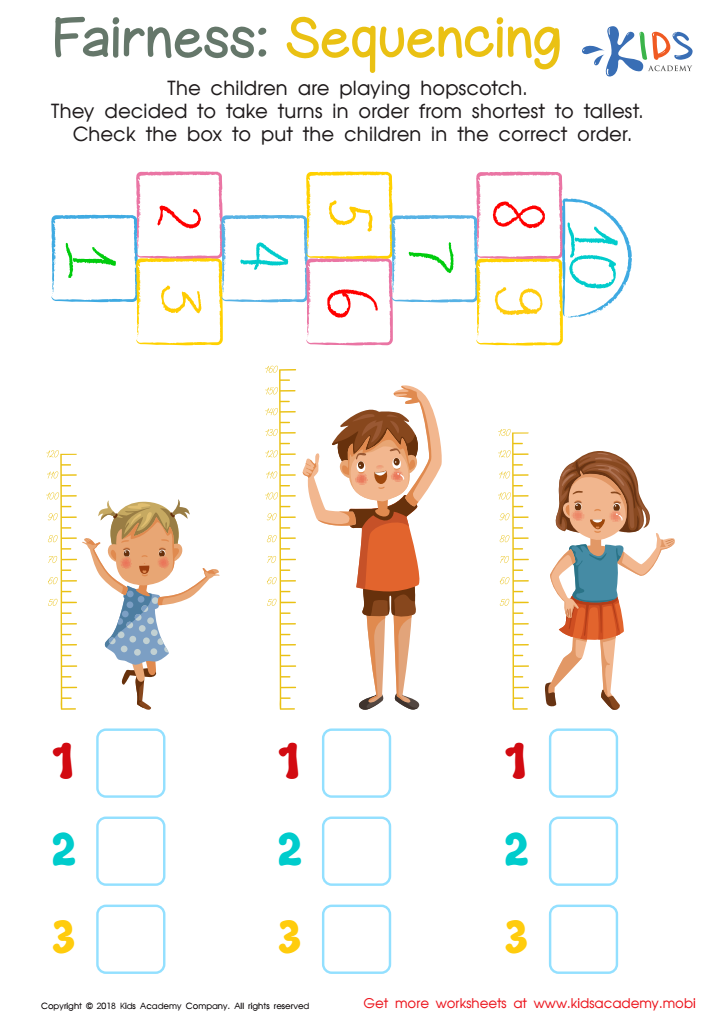
Fairness: Sequencing Worksheet
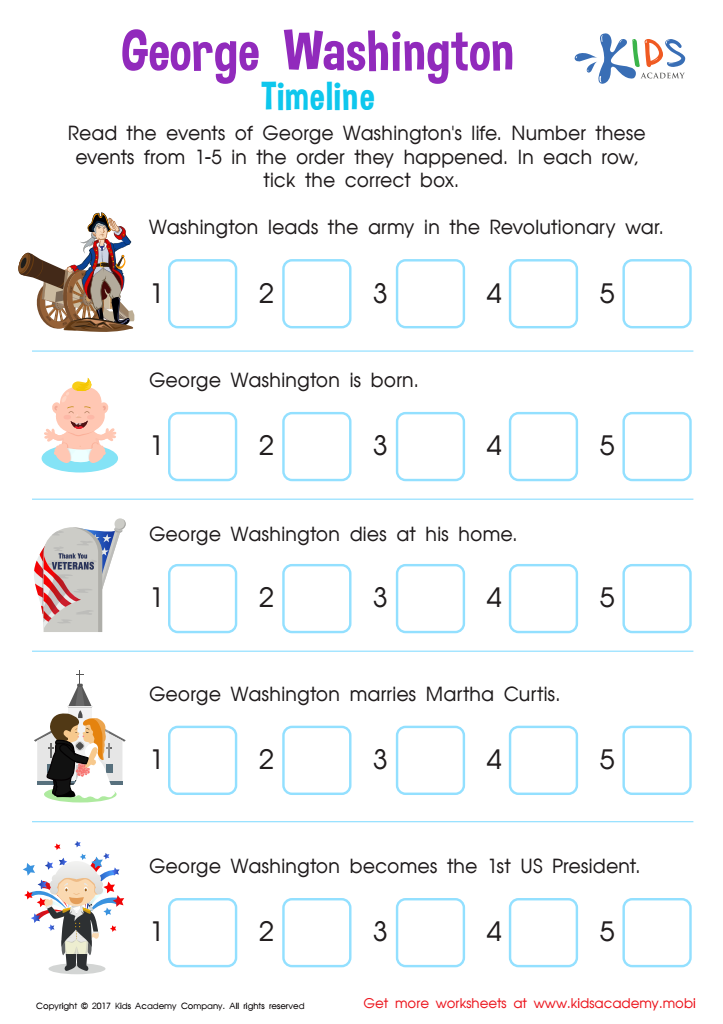
George Washington Timeline Worksheet
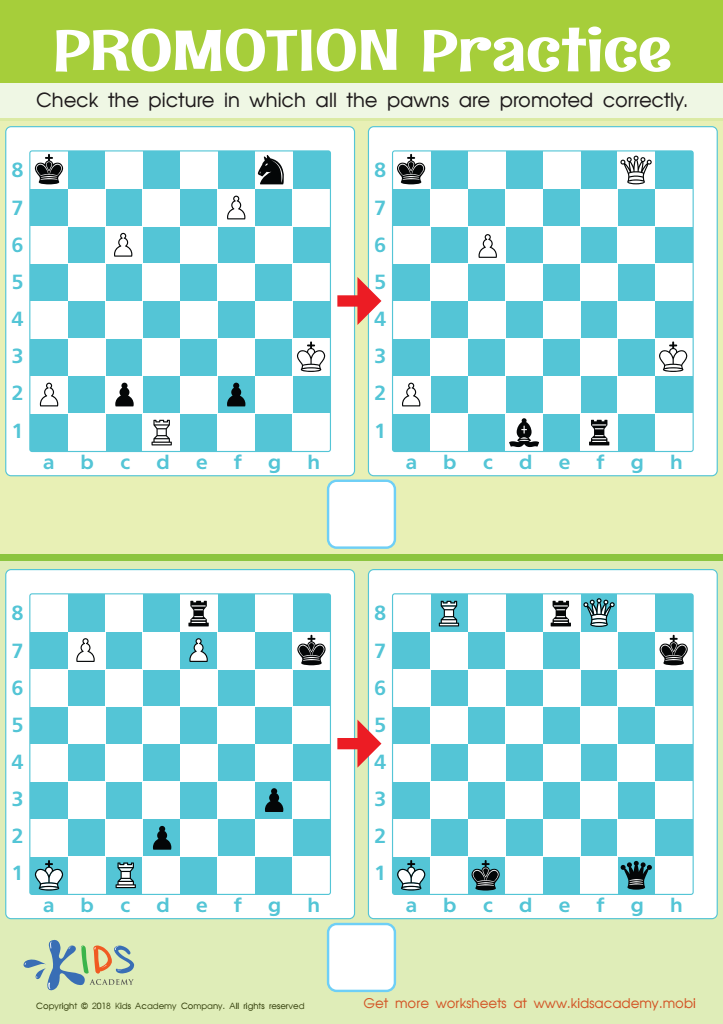
Promotion Practice Worksheet
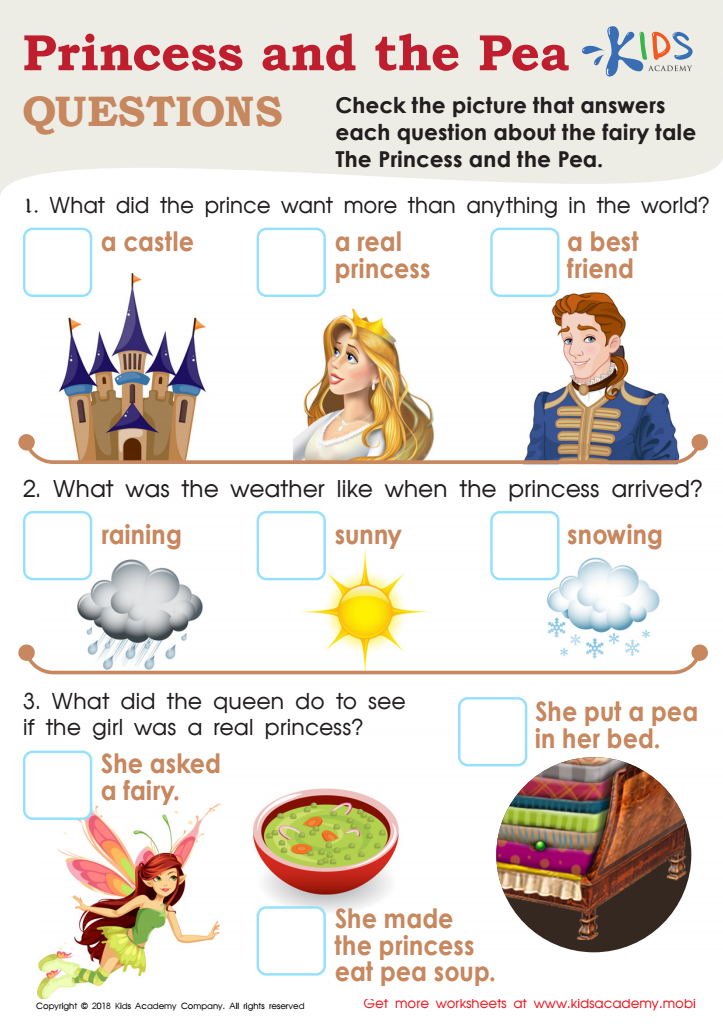
Princess and the Pea Questions Worksheet









Critical thinking is a foundational skill that enriches a child's cognitive development, especially between the ages of 3 to 5. During these formative years, children begin to learn how to analyze, evaluate, and make informed decisions. Teachers and parents should prioritize fostering critical thinking in young children because it lays the groundwork for future learning and problem-solving abilities.
By encouraging critical thinking, adults can help children develop curiosity and creativity. Through engaging activities, such as open-ended questions and play-based learning, educators and parents can nurture children's ability to think independently and explore multiple perspectives. This age group is particularly receptive to new ideas, and fostering critical thinking helps them gain confidence in their abilities and cultivate resilience in facing challenges.
Additionally, early exposure to critical thinking helps children develop essential communication skills, as they learn to articulate their thoughts and defend their reasoning. In a world that increasingly values innovation and adaptive thinking, teaching these skills at a young age ensures that children are better prepared for future academic and social challenges. In essence, prioritizing critical thinking during early education is an investment in a child's lifelong learning and success.








