Enhancing reading skills Worksheets for Ages 3-5
8 filtered results
-
From - To
Enhance your child's reading skills with our engaging worksheets designed specifically for ages 3-5. Our resources focus on phonemic awareness, vocabulary development, and sight words, providing a fun and interactive way to nurture early literacy. Each worksheet features colorful illustrations and age-appropriate exercises that spark curiosity and joy in learning. These activities support key reading concepts and promote cognitive development, ensuring a solid foundation for future academic success. Perfect for parents and educators, our worksheets make reading practice enjoyable and accessible, building confidence in young learners. Explore our collection today to inspire a lifelong love of reading!
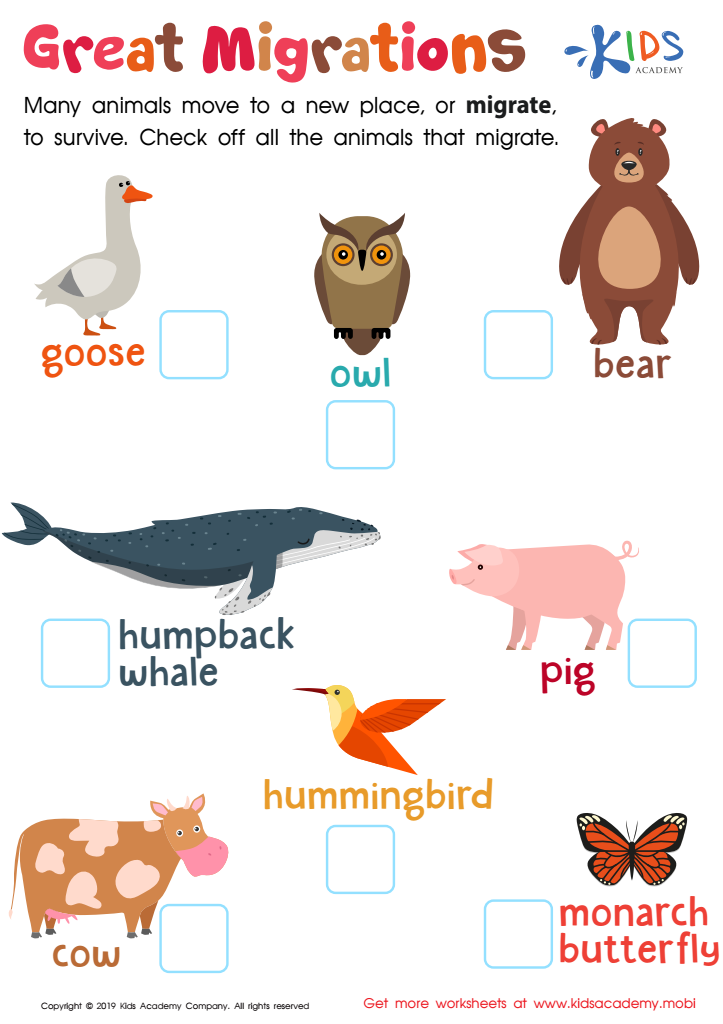
Great Migrations Worksheet
 Assign to My Students
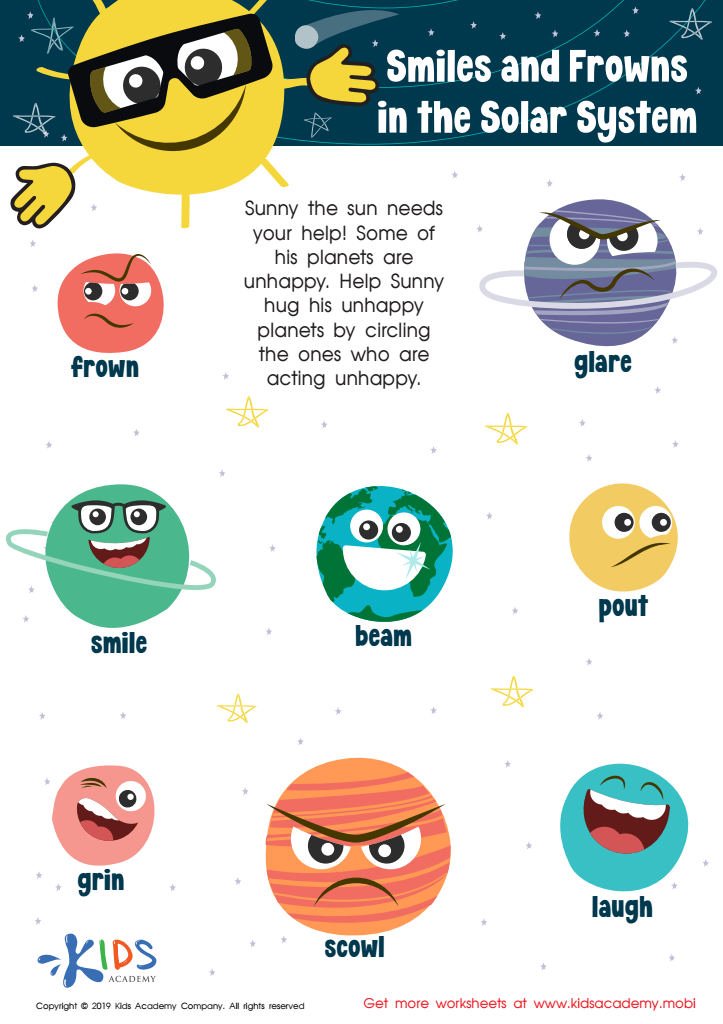
Smile and Frowns in the Solar System Worksheet
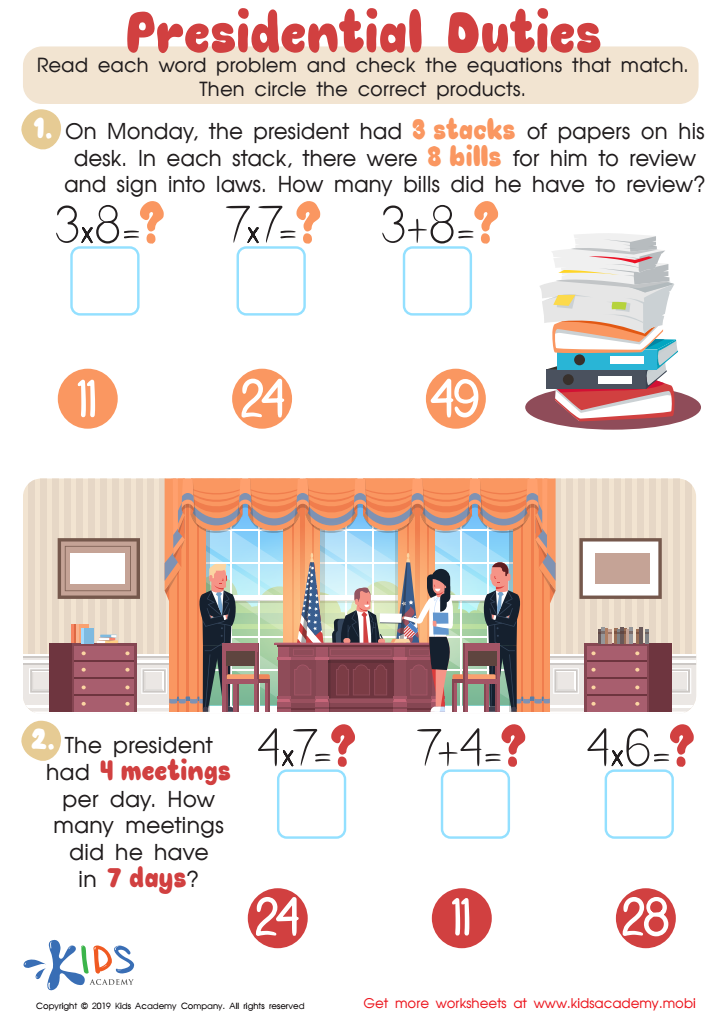
Presidential Duties Worksheet
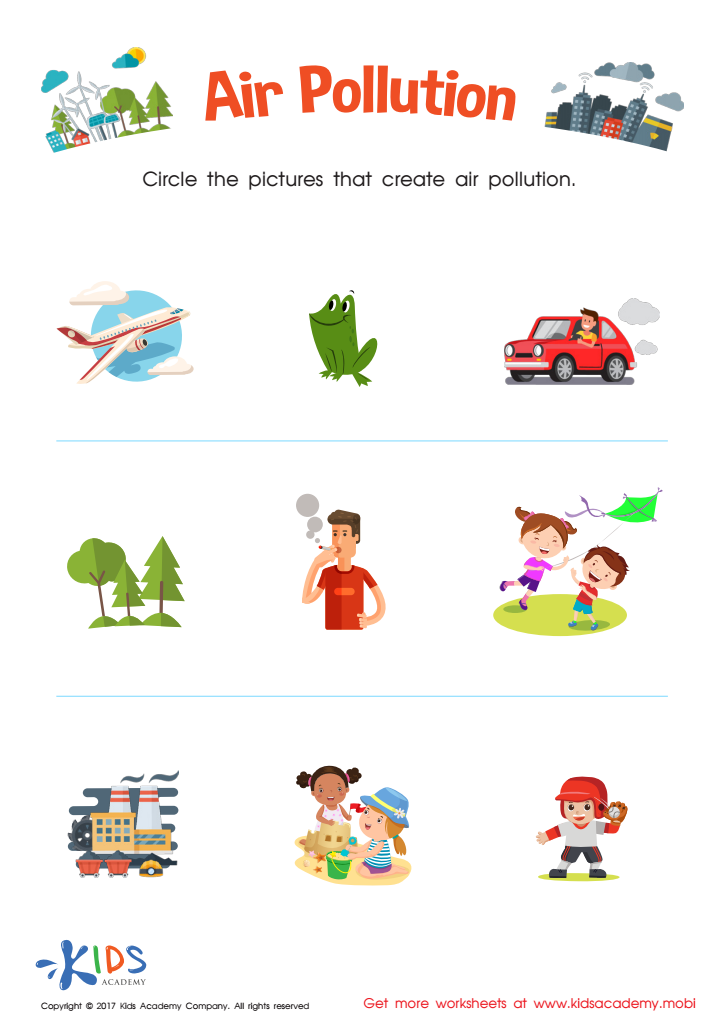
Air Pollution Worksheet
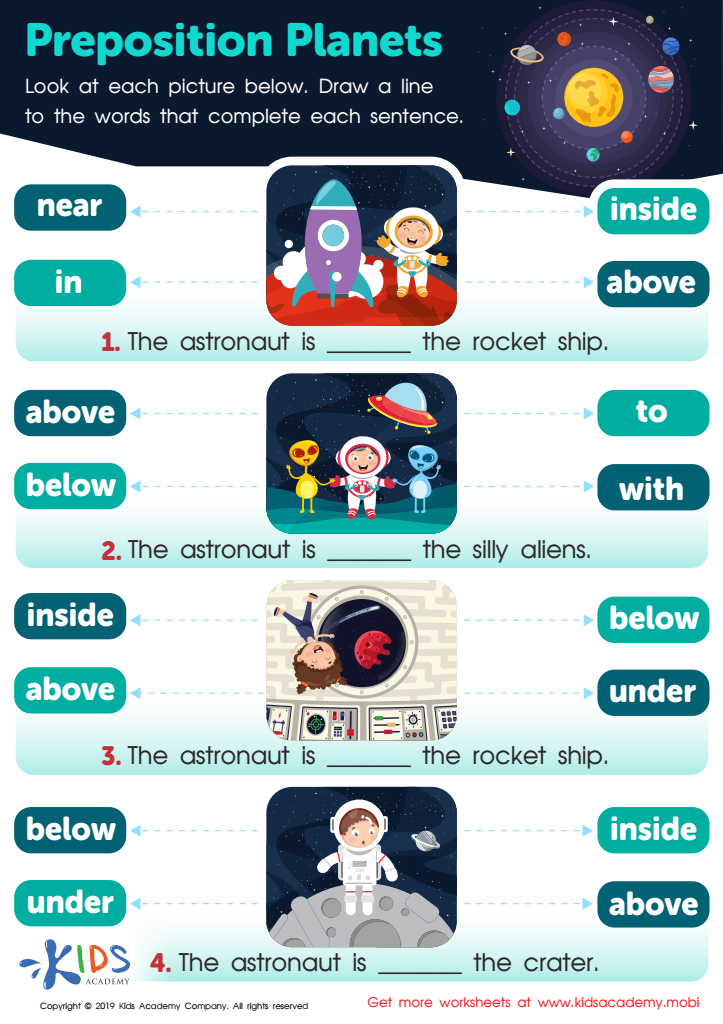
Preposition Planets Worksheet

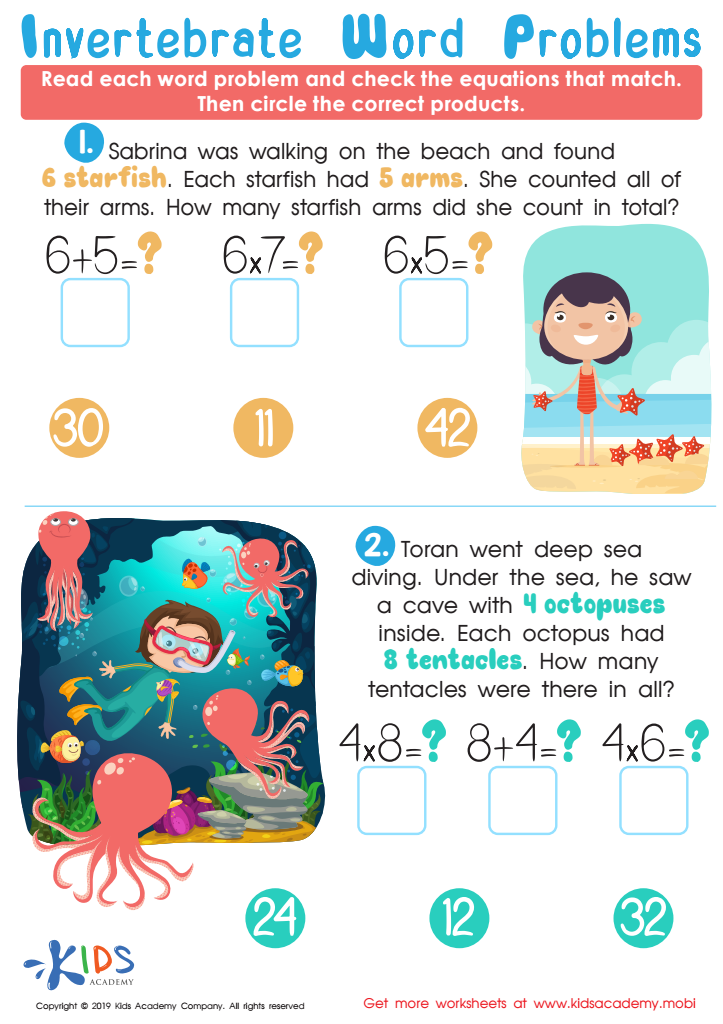
Invertebrate Problems Worksheet
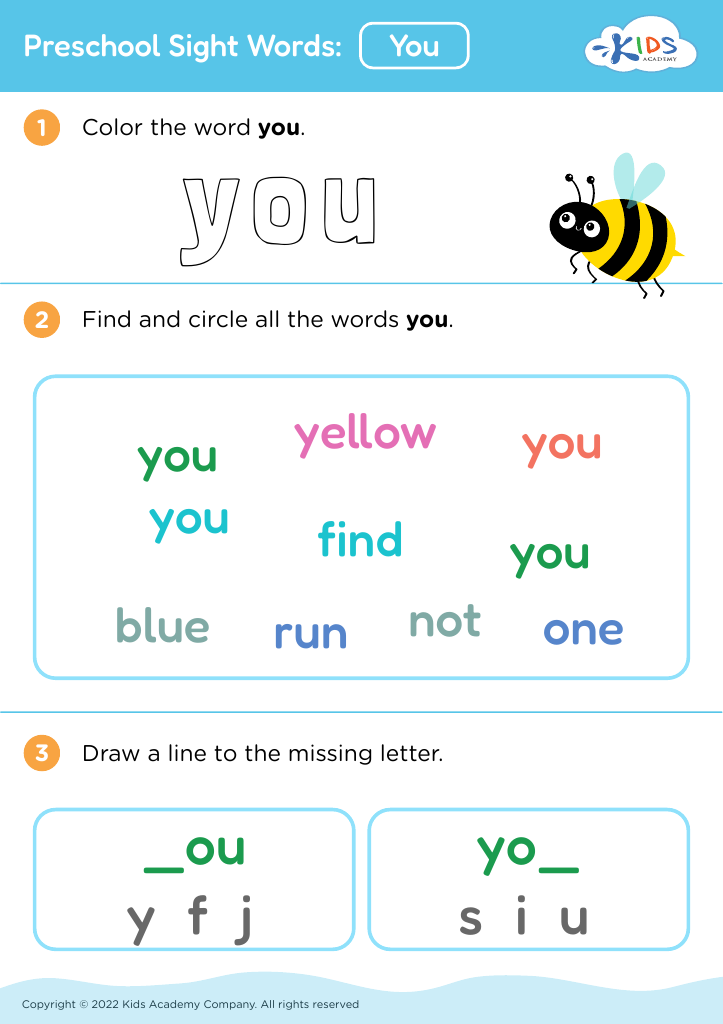






.jpg)

Enhancing reading skills for ages 3-5 is crucial as it lays the foundation for a child's academic success and lifelong love for learning. During these formative years, children are exceptionally receptive to language and literacy development. Engaging them in reading activities helps expand their vocabulary, understanding of sentence structure, and overall communication skills. By fostering early reading habits, parents and teachers can significantly influence children's cognitive growth and ability to express themselves.
Moreover, reading promotes critical thinking and imagination, encouraging creativity through storytelling and exploration. Early exposure to books and printed materials also enhances cognitive skills such as recall, comprehension, and analysis. These skills are essential for later academic tasks, notably in subjects like math and science, which require strong literacy abilities.
Investing time in reading with young children strengthens the parent-child bond and builds confidence. Children who read early often exhibit better attention spans and are more prepared for the school environment. Additionally, enhancing reading skills in this age group can help prevent literacy challenges in later years, fostering a more equitable educational environment. Overall, prioritizing early reading development leads to happier, more successful learners equipped for future challenges.








