Hand-eye Coordination Worksheets for Ages 3-5 - Page 4
84 filtered results
-
From - To
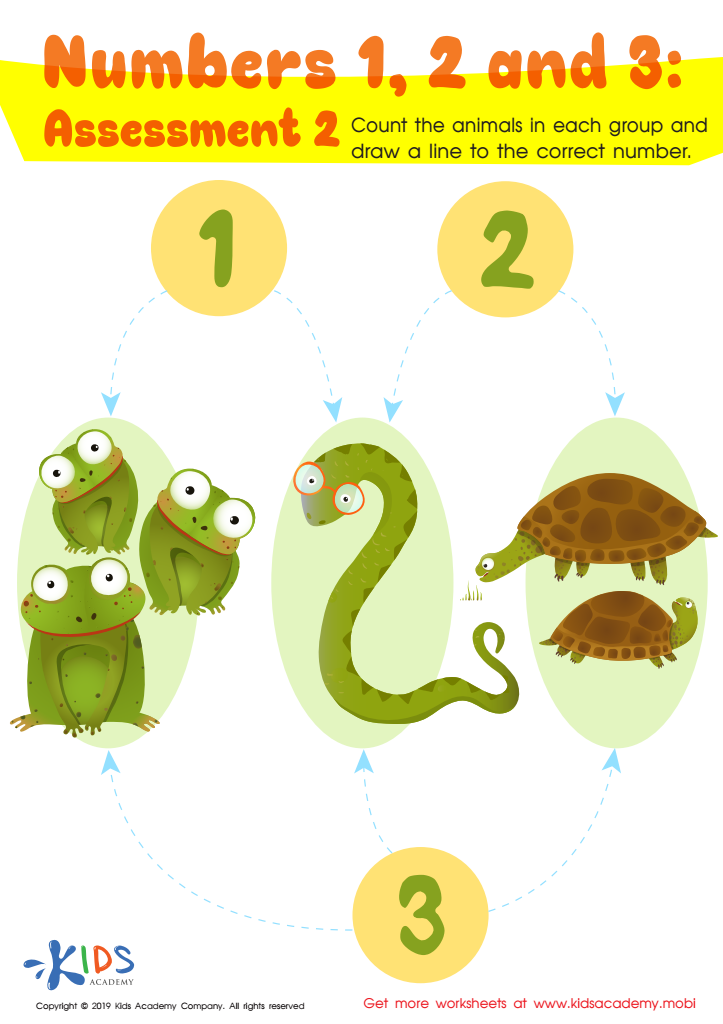
Numbers 1, 2 and 3: Assessment 2 Worksheet
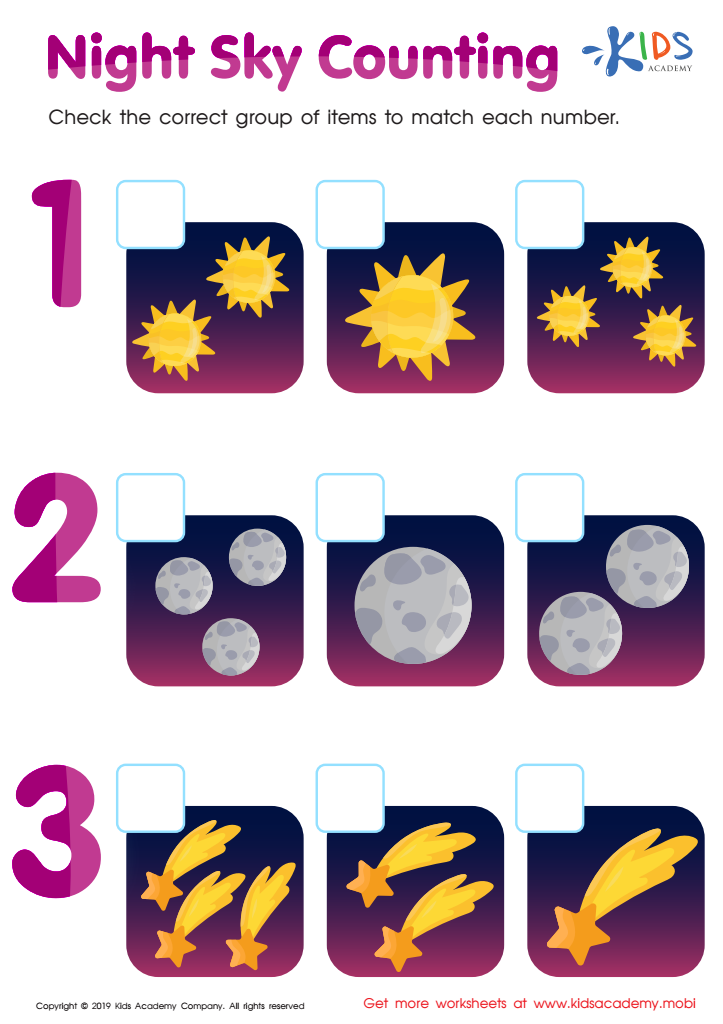
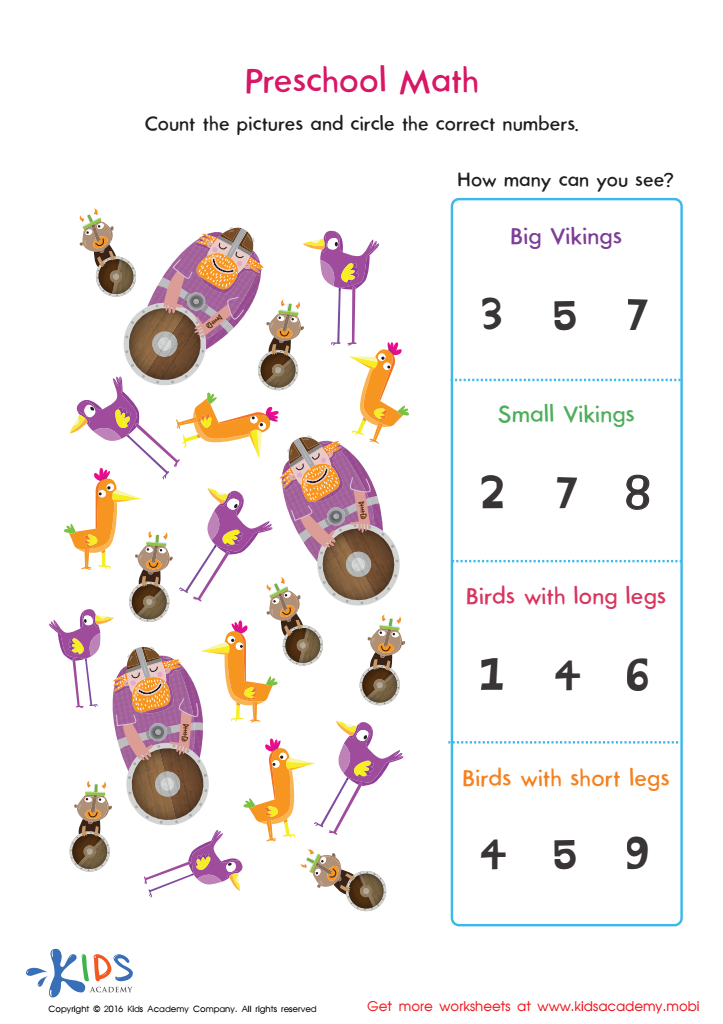
Night Sky Counting Worksheet
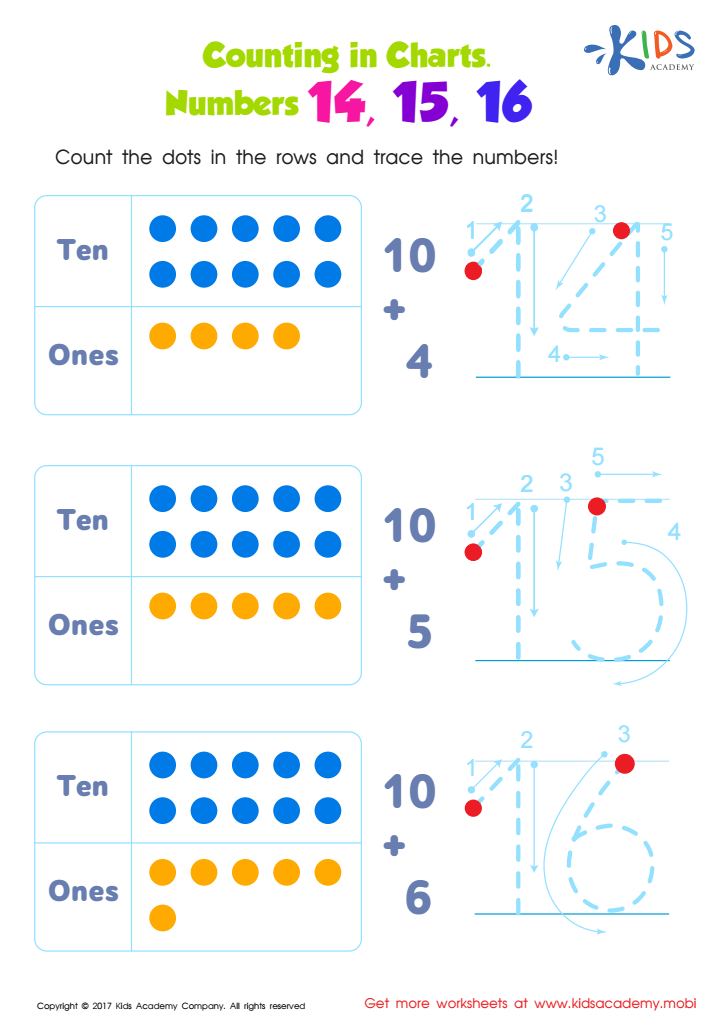
Number Tracing Worksheet
Tower Coloring Page
 Assign to My Students
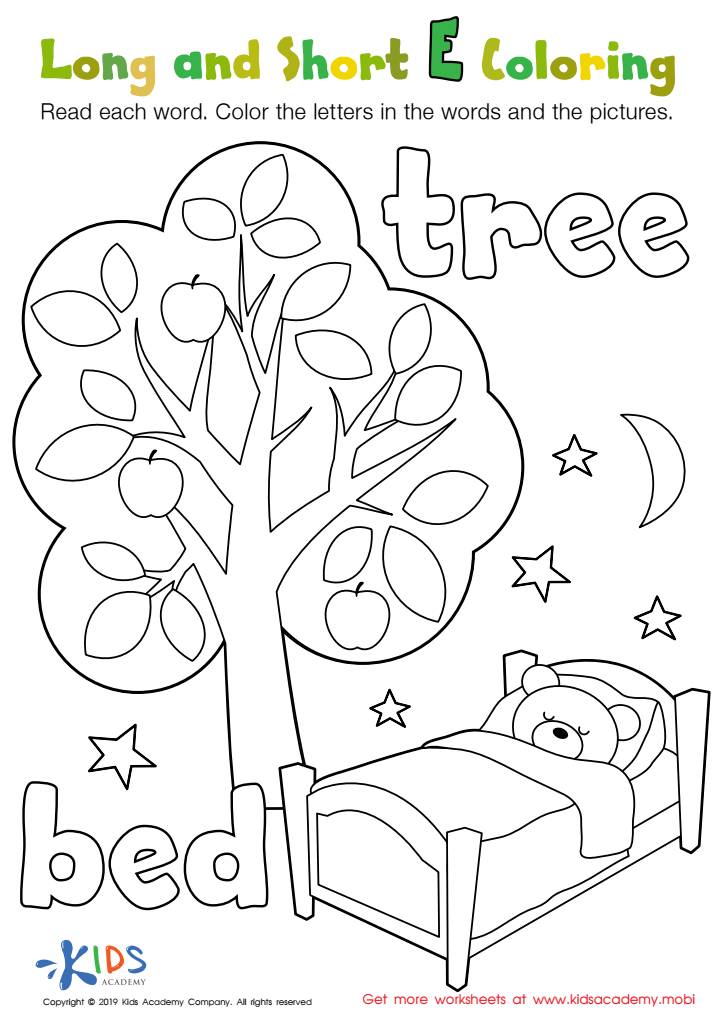
Long and Short E Worksheet
Assign to My Students
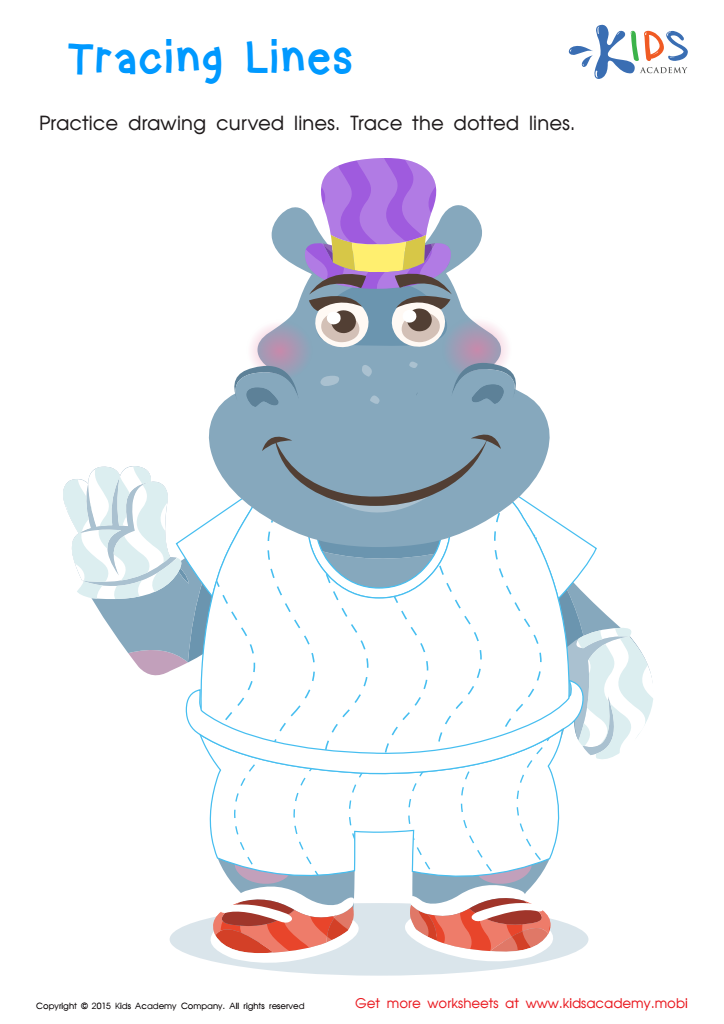
Tracing Lines Worksheet

Letter D Tracing Page
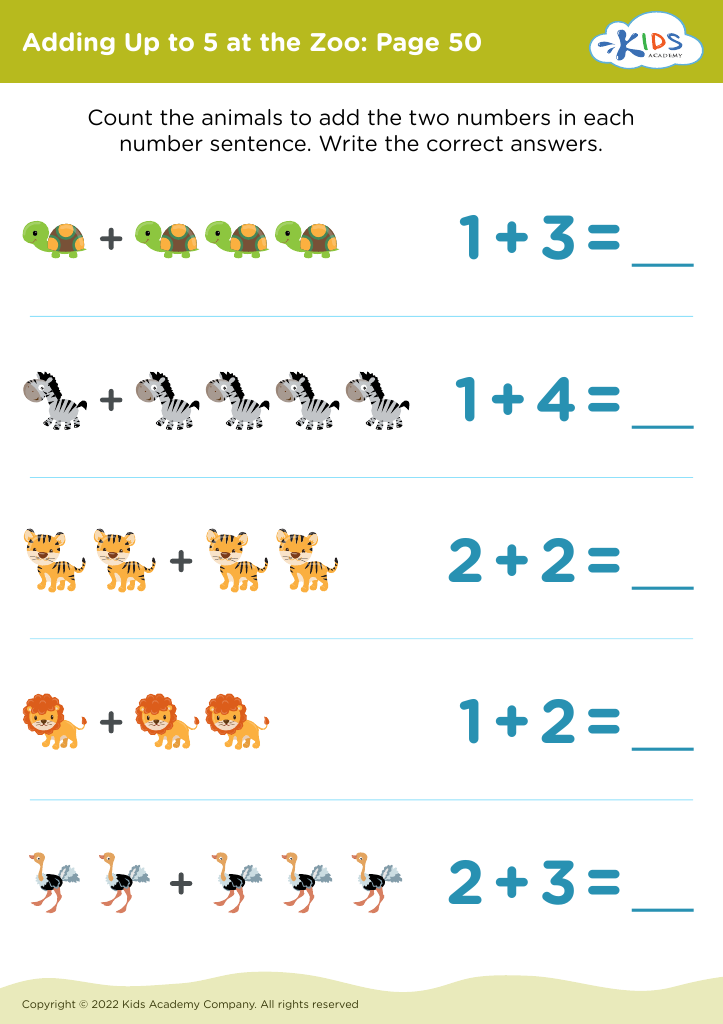
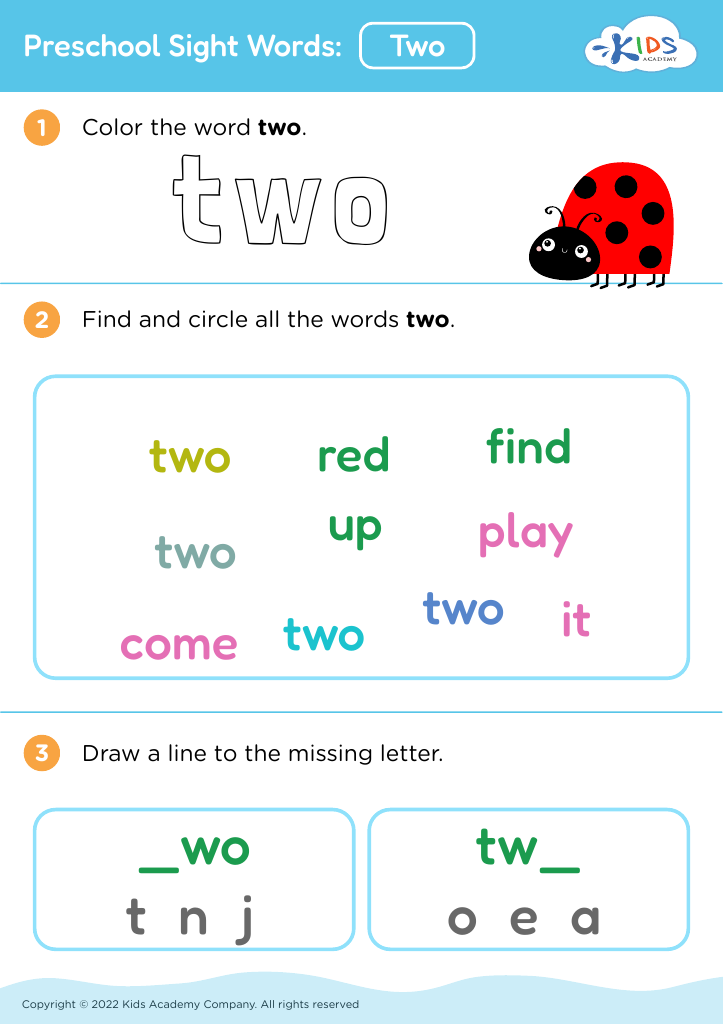
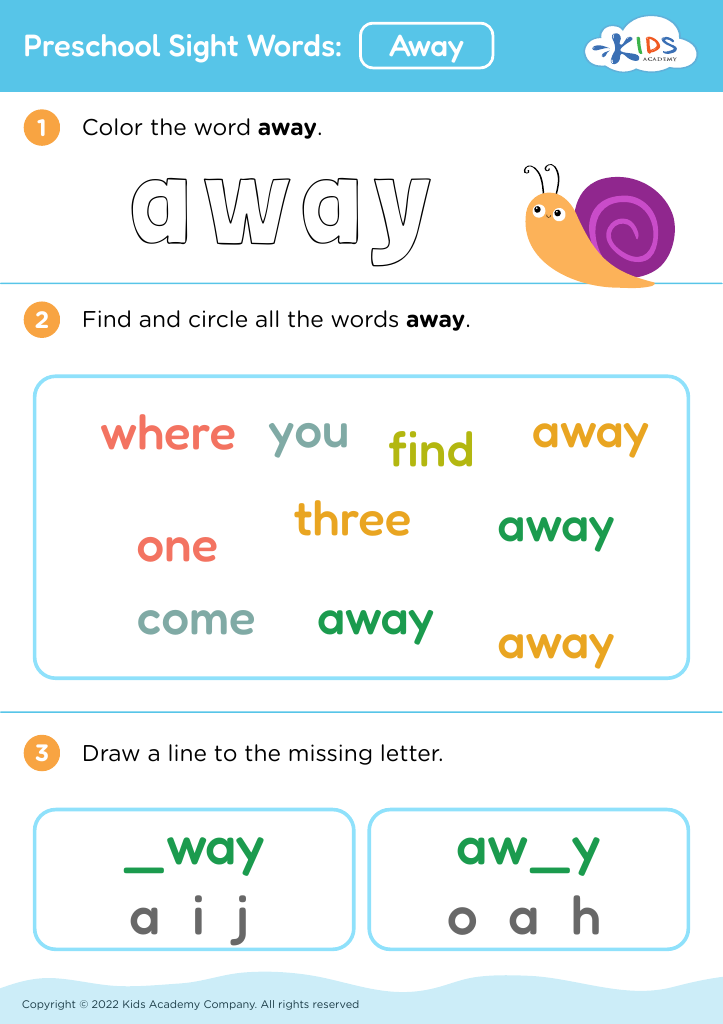






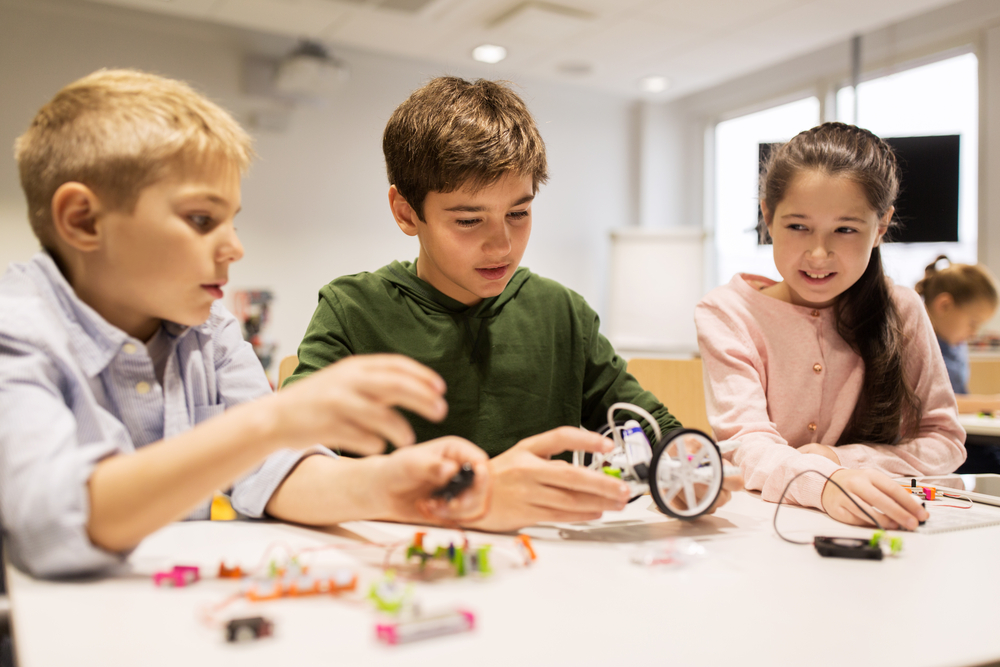
Hand-eye coordination is a vital skill for children aged 3-5, making it an important focus for parents and teachers. At this developmental stage, children are rapidly growing and mastering essential physical skills that lay the foundation for future learning. When hand-eye coordination is nurtured, children enhance their ability to perform everyday tasks, such as writing, drawing, using utensils, and tying shoelaces, fostering independence and confidence.
Additionally, improved hand-eye coordination supports the development of cognitive skills and spatial awareness. Activities that promote this coordination, such as puzzles, stacking blocks, or simple sports, require children to process visual information and translate it into precise motor actions, thereby strengthening their brain connections.
For educators, integrating hand-eye coordination exercises into the curriculum is fundamental, as these activities can facilitate engagement and proficiency in other areas, such as literacy and mathematics. Parents can reinforce these skills at home through playful interactions, like playing catch or arts and crafts, enhancing both fine and gross motor skills while creating valuable bonding moments. By prioritizing hand-eye coordination, parents and teachers set the groundwork for a child’s overall physical, cognitive, and emotional development.








