History knowledge Worksheets for Ages 3-5
4 filtered results
-
From - To
Discover an engaging collection of History Knowledge Worksheets tailored for ages 3-5. Our captivating printable worksheets introduce young learners to fundamental historical concepts through fun and interactive activities. With cheerful illustrations and age-appropriate content, these worksheets make learning about the past both exciting and accessible. Perfect for developing early critical thinking skills, they cover a range of topics from significant events to famous monuments. Designed to spark curiosity and foster a love for history, our worksheets offer a delightful start to your child's educational journey. Empower your preschooler's understanding of history with our thoughtfully crafted resources.
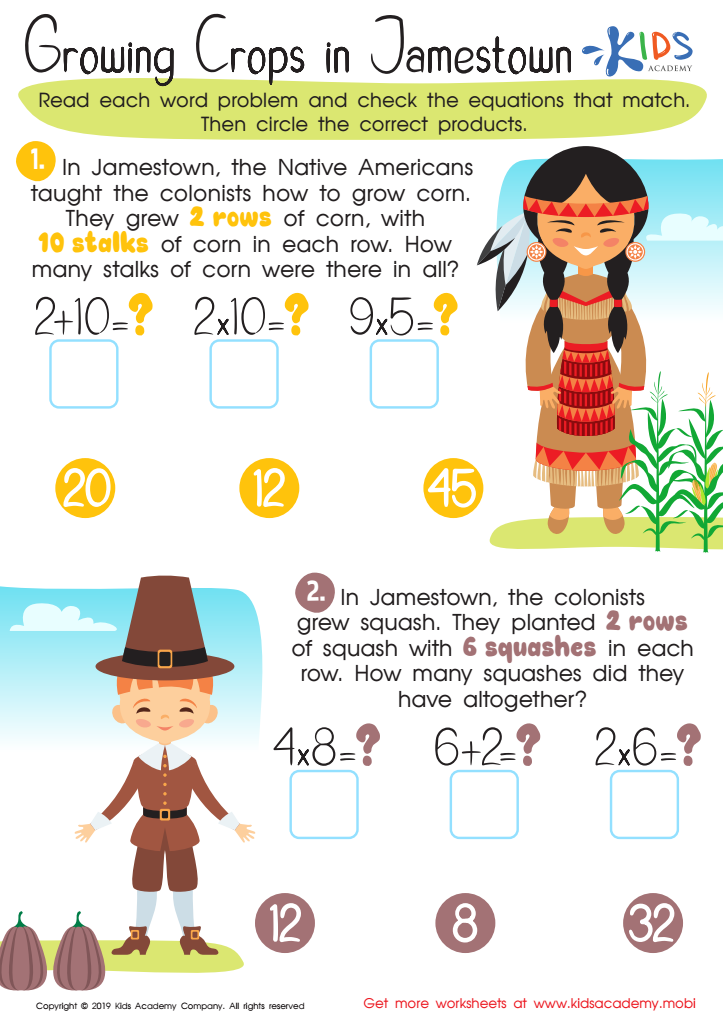
Growing Jamestown Worksheet
 Assign to My Students
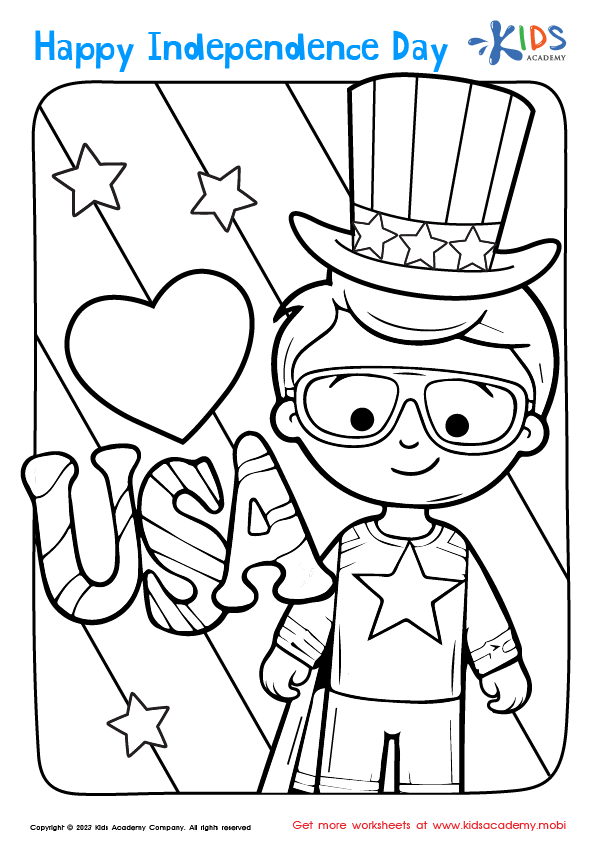
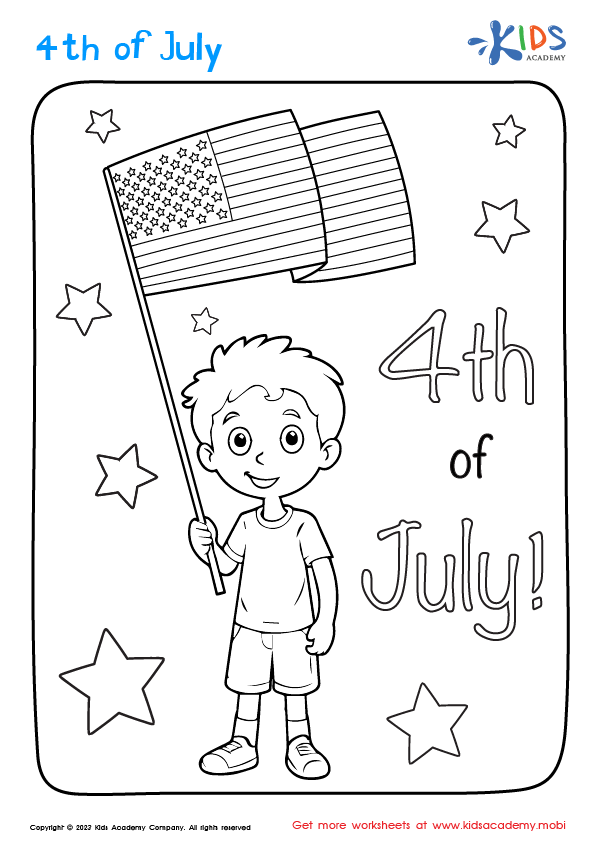
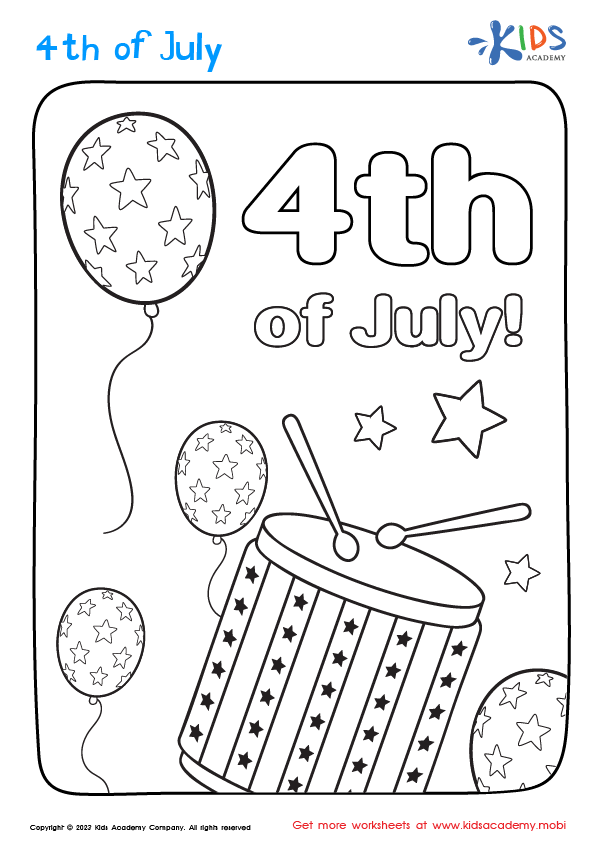





Understanding history, even at a young age, can be incredibly beneficial for children aged 3-5. Learning about history helps develop a sense of identity and belonging. By hearing stories about the past, children can understand their place in the world — be it within a family, community, or culture. This sense of identity is vital for building self-esteem and confidence.
Moreover, historical knowledge sparks curiosity and encourages critical thinking. By engaging with simple stories and events from history, children naturally start to ask questions and seek information. This fosters a love for learning and helps develop cognitive skills such as memory, attention, and logical reasoning.
Additionally, learning history helps cultivate empathy and moral understanding. When children learn about different lives and societies, it broadens their perspectives and encourages them to appreciate diversity. They start to understand that others may have different experiences, which fosters social harmony and tolerance from a young age.
Beyond these benefits, discussing historical events and figures provides invaluable opportunities for language development. Parents and teachers can use stories to introduce new vocabulary, discuss complex ideas in simple terms, and enhance communication skills.
By nurturing an early interest in history, parents and teachers can lay the groundwork for well-rounded, thoughtful individuals who are aware of and engaged with the world around them.








