Identifying shapes Worksheets for Ages 3-5
8 filtered results
-
From - To
Discover our engaging "Identifying Shapes Worksheets" designed specifically for ages 3-5! These worksheets aim to introduce young learners to basic shapes such as circles, squares, triangles, and more. Each activity is thoughtfully crafted to enhance shape recognition, critical thinking, and fine motor skills through fun, hands-on exercises. Children will enjoy colorful illustrations and interactive challenges that make learning shapes enjoyable. Perfect for parents and educators, these worksheets can be easily printed for both classrooms and home use. Start building a strong foundation in geometry while sparking creativity and curiosity in your little ones today! Explore, learn, and watch their shapes knowledge grow!
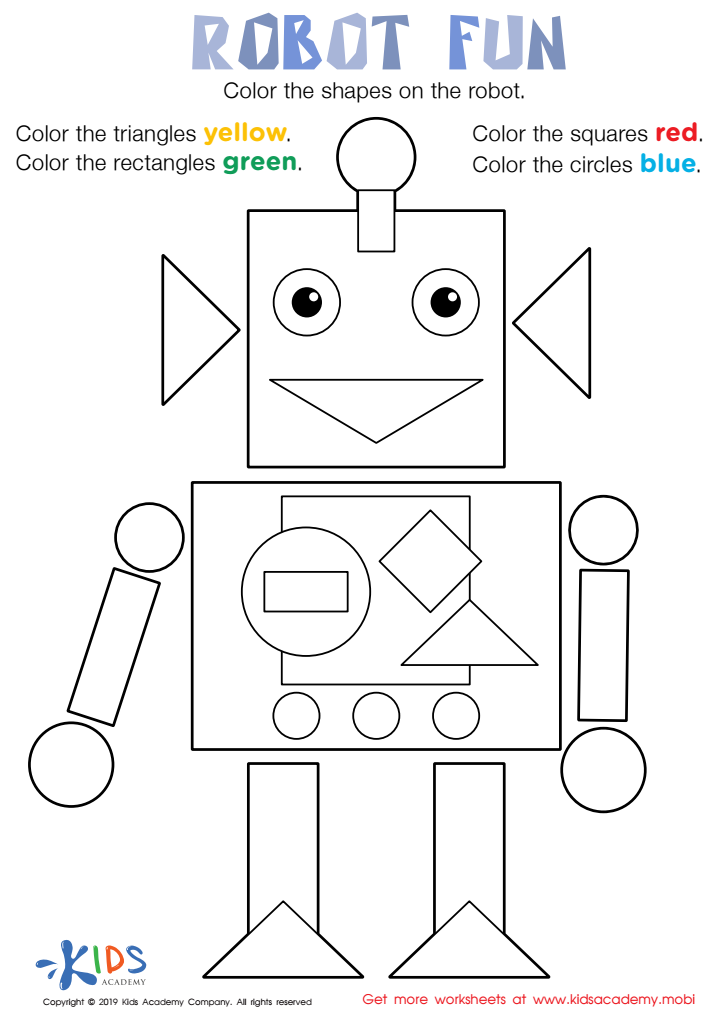
Robot Fun Worksheet
 Assign to My Students
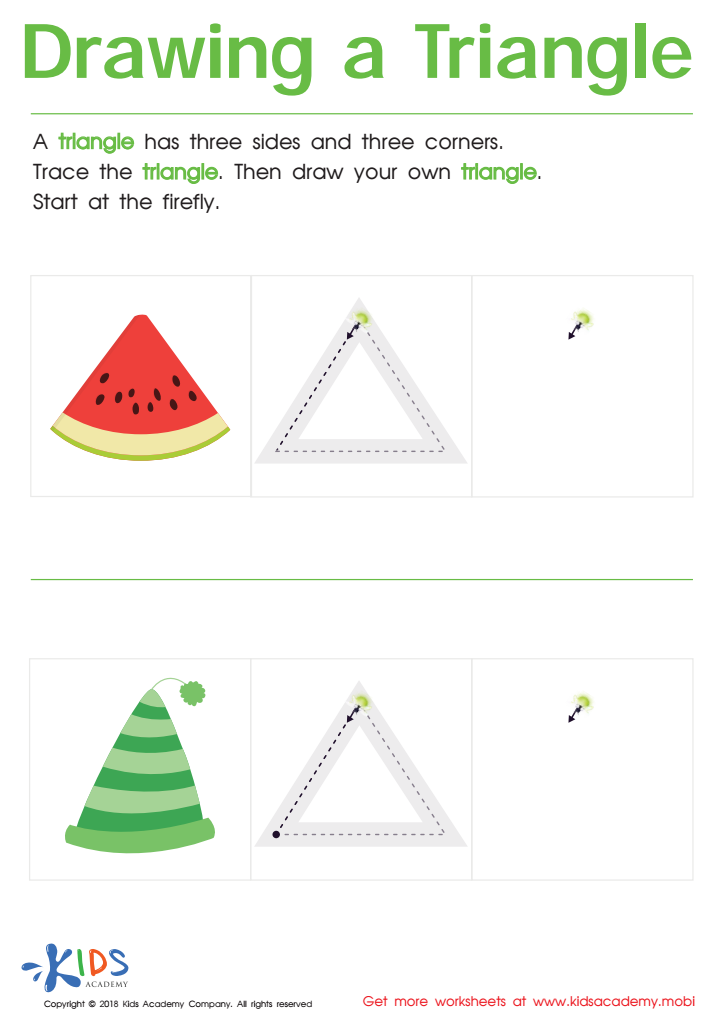
Drawing a Triangle Worksheet
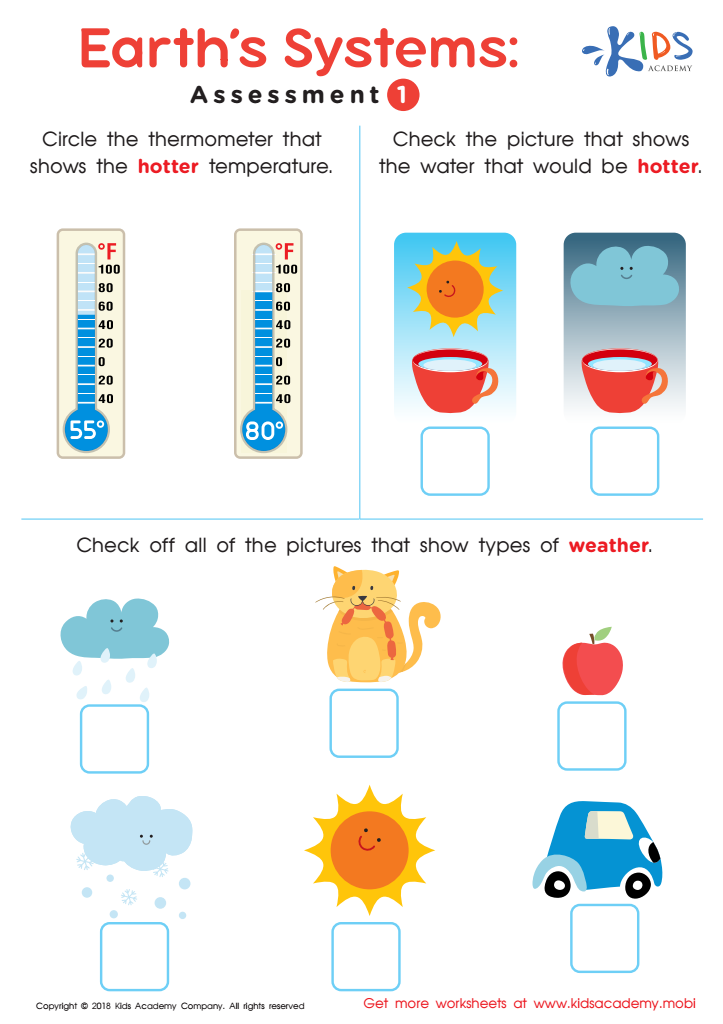
Earth's Systems: Assessment 1
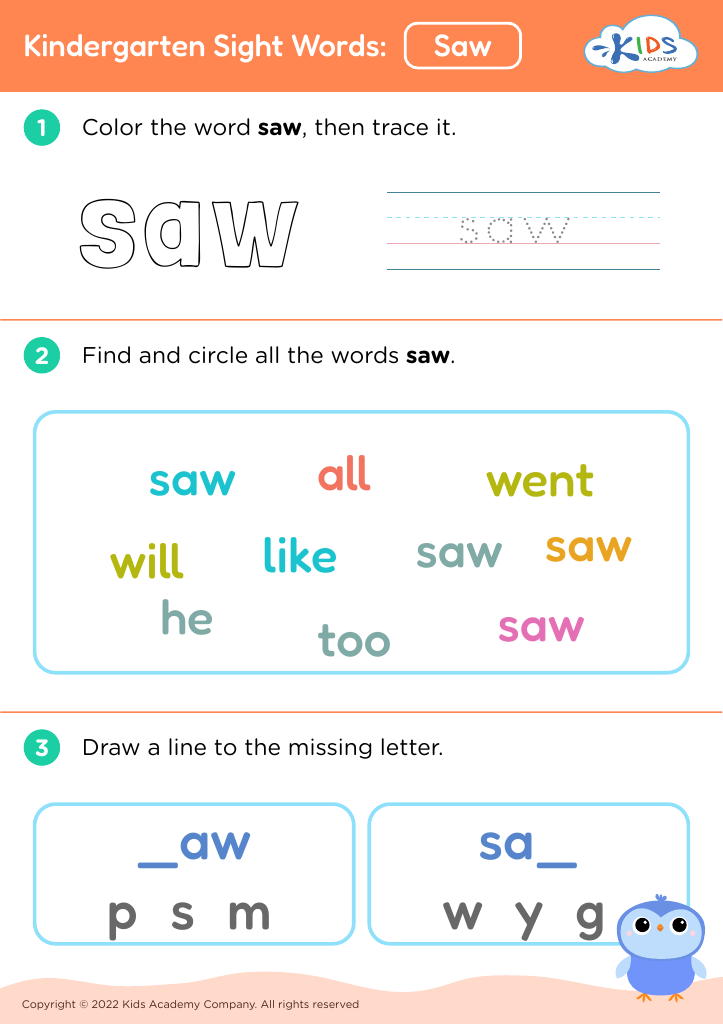








Identifying shapes is a fundamental skill for children ages 3-5 that lays the groundwork for their mathematical understanding and cognitive development. At this age, children are naturally curious and inclined to explore their environment. By focusing on shape recognition, parents and teachers can enhance their visual perception and critical thinking skills. Recognizing shapes helps children make sense of the world around them, as shapes are integral to objects they encounter every day.
Additionally, identifying shapes fosters spatial awareness, problem-solving abilities, and creative thinking. These skills are vital as children progress in their education, influencing their proficiency in mathematics and science later on. Engaging in shape-related activities also encourages fine motor skills, as children manipulate objects, draw shapes, and participate in crafts.
Moreover, shape identification promotes language development as children learn to name and describe different shapes, enriching their vocabulary. Positive reinforcement from parents and teachers during these activities nurtures a supportive learning environment, making the process enjoyable and engaging. Ultimately, emphasizing shape recognition cultivates a solid foundation for lifelong learning, preparing young learners for future challenges in school and beyond. Thus, it is essential for parents and teachers to prioritize shape identification in early childhood education.








