Improve vocabulary Worksheets for Ages 3-5
4 filtered results
-
From - To
Improve Vocabulary Worksheets for Ages 3-5
Enhance your child's language development with our engaging vocabulary worksheets designed for ages 3-5! These interactive and colorful activities are perfect to introduce young learners to new words and concepts. Each worksheet is tailored to spark curiosity and encourage early literacy skills through fun exercises, including matching words with pictures, fill-in-the-blank sentences, and word puzzles. As children explore various themes, they will build their vocabulary while enjoying creative play. Our worksheets create a strong foundation for communication and reading readiness, setting the stage for lifelong learning. Download and watch your little ones grow their vocabulary today!
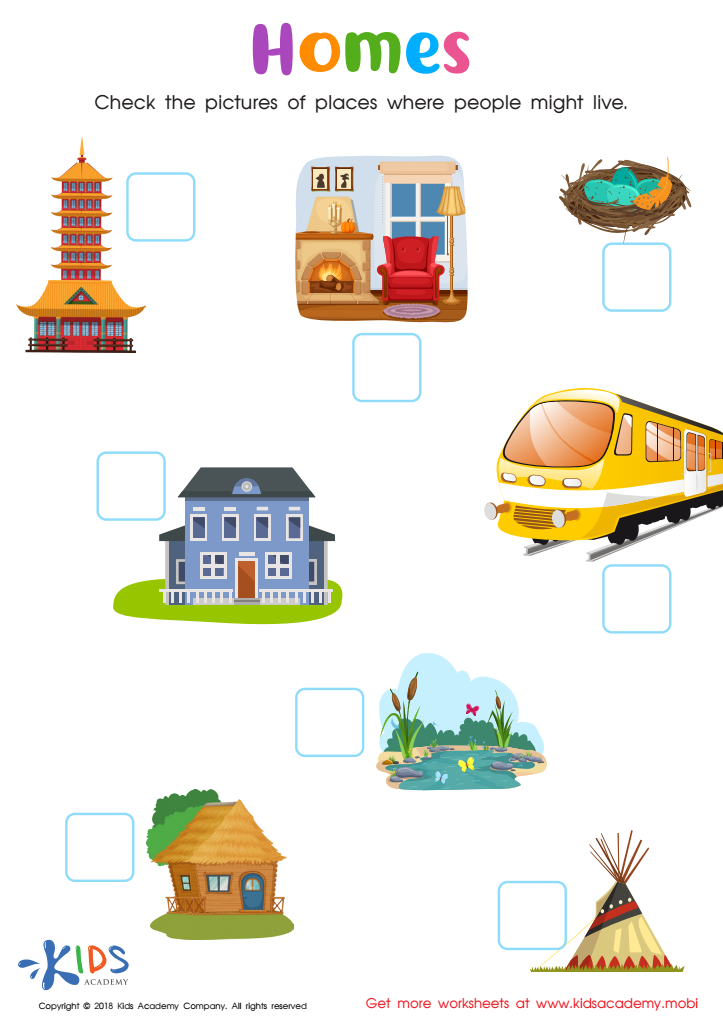
Homes Worksheet
 Assign to My Students
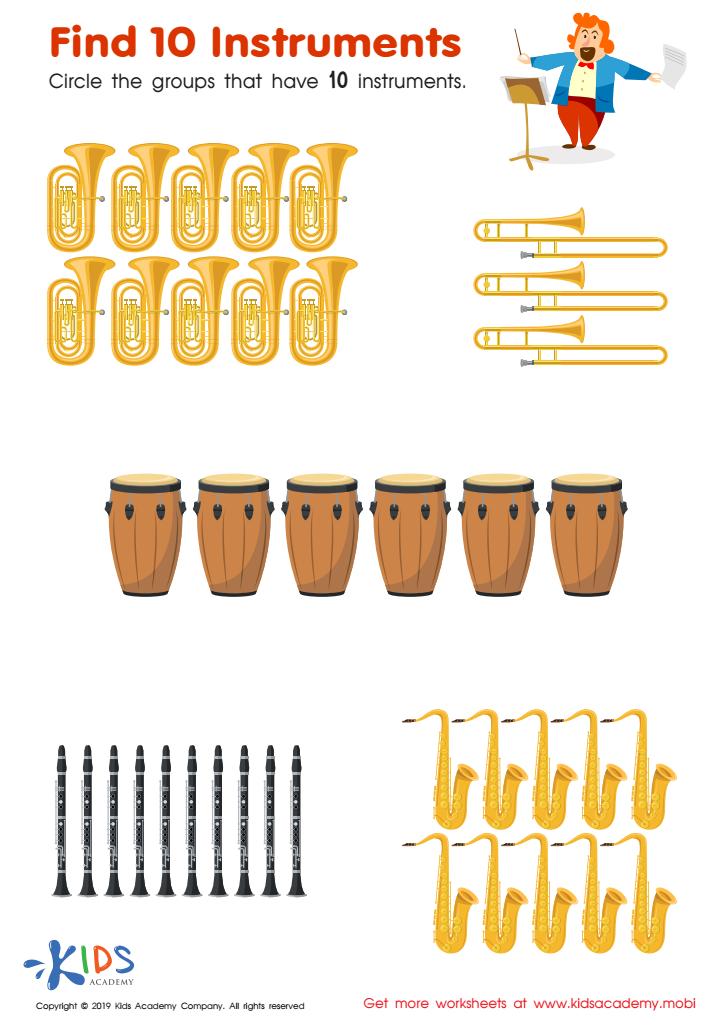
Find 10 Instruments Worksheet
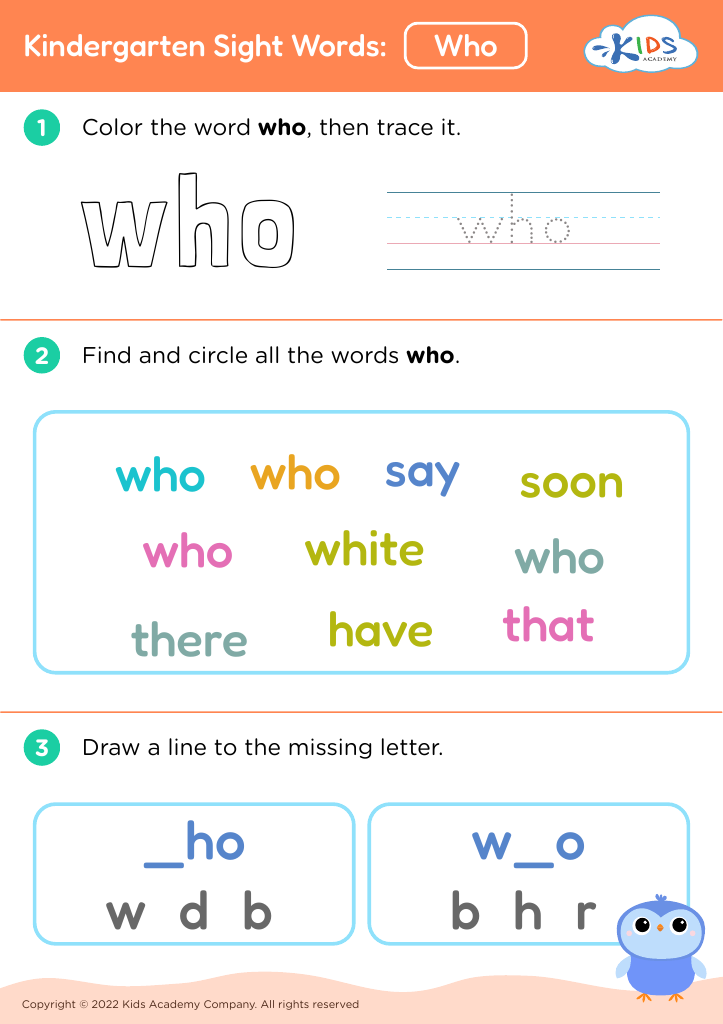







Improving vocabulary in children aged 3 to 5 is crucial for their overall development and future educational success. During this formative period, children acquire language skills at an astonishing rate. A rich vocabulary not only enhances their communication abilities but also supports cognitive development, critical thinking, and social interactions.
When parents and teachers prioritize vocabulary-building strategies, children are better equipped to express their thoughts, feelings, and needs. This lays a foundation for effective communication, fostering confidence in social situations and during classroom discussions. Understanding and using a diverse range of words also enhances reading comprehension and inspires a love for books, setting the stage for lifelong learning.
Furthermore, a strong vocabulary allows for deeper emotional expression, helping children articulate their experiences and navigate their feelings, which is vital for emotional intelligence and resilience. Engaging in conversations, reading aloud, and introducing new words through play are meaningful ways to enrich a child’s vocabulary.
In summary, by focusing on vocabulary development, parents and teachers significantly influence children’s academic prospects, emotional health, and social skills, ultimately preparing them for a successful future in learning and life.








