Math fluency Worksheets for Ages 3-5
3 filtered results
-
From - To
Discover our engaging math fluency worksheets designed specifically for children aged 3-5! These fun and interactive activities help preschoolers build essential foundational math skills through hands-on practice. Our worksheets cover a variety of topics, including number recognition, simple addition and subtraction, and shapes, fostering a love for math early on. Perfect for homeschoolers or classroom settings, these resources encourage learning through play. With colorful illustrations and age-appropriate challenges, kids will enjoy developing their math fluency while enhancing their cognitive skills. Explore our collection today and watch your little ones develop confidence in their math abilities!
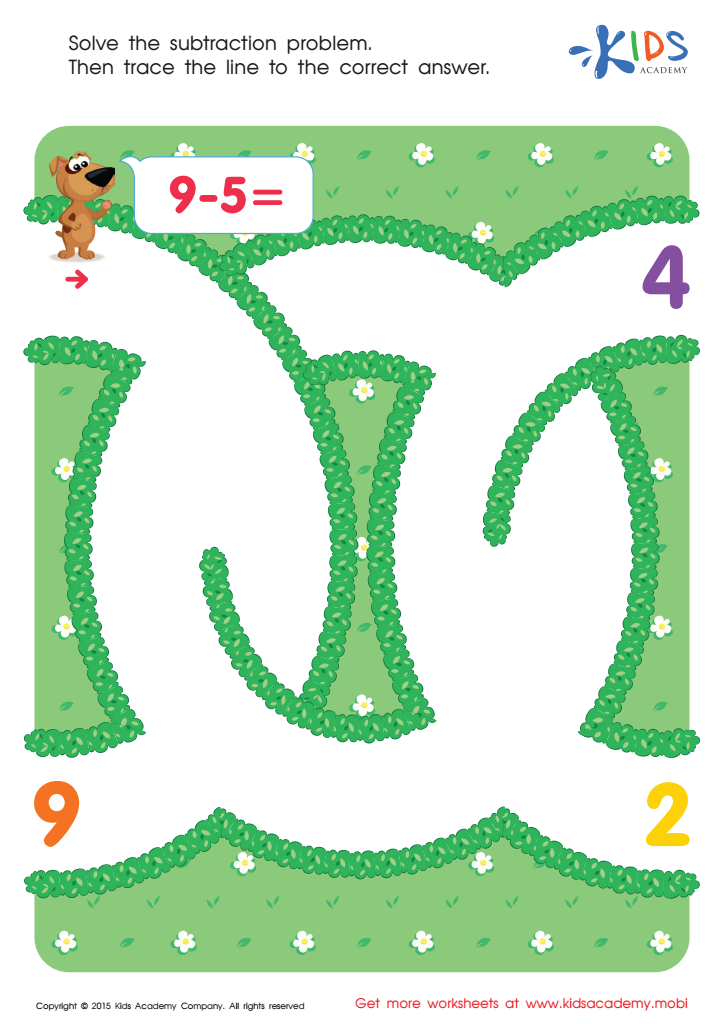
Subtraction Nine And Five Worksheet
 Assign to My Students
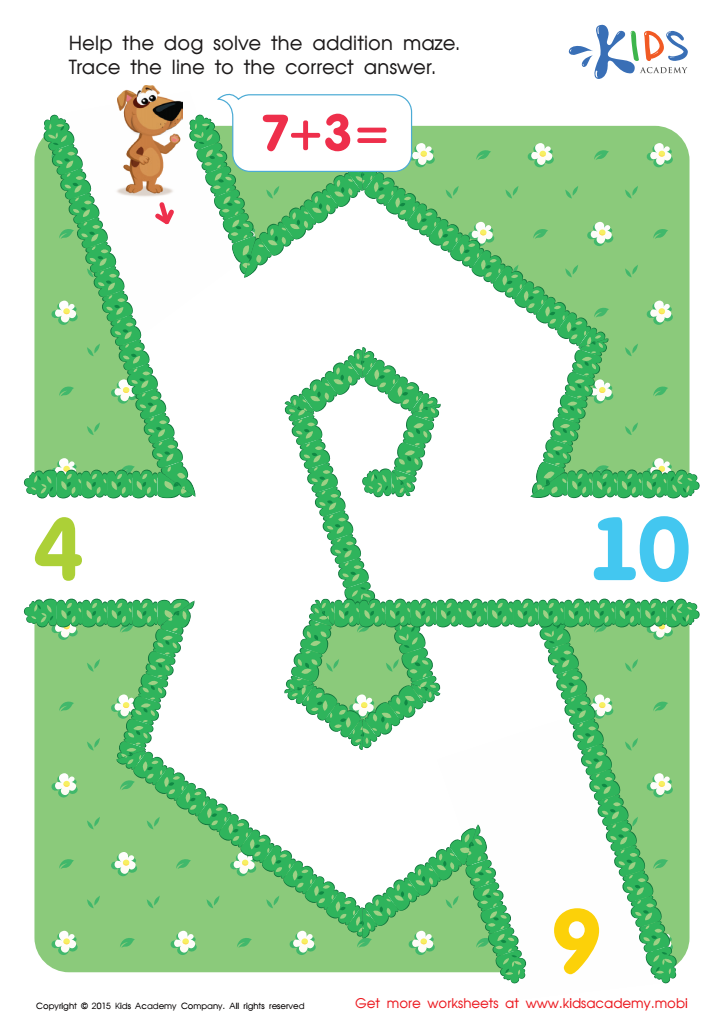
Seven Plus Three Worksheet
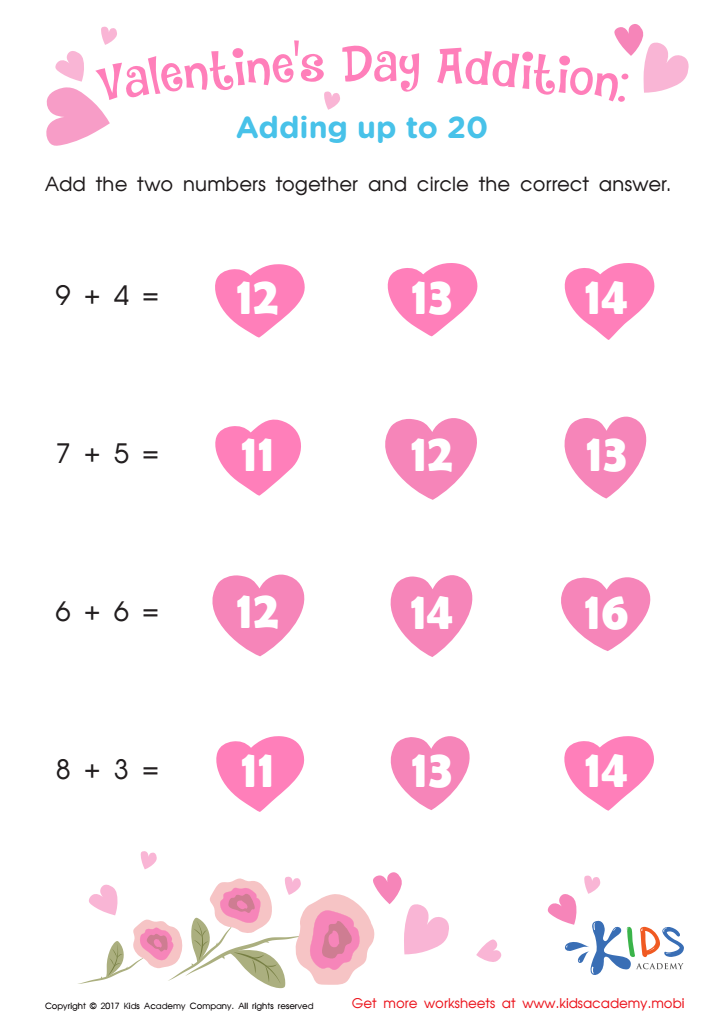
Valentine's Day Addition Worksheet







Math fluency in children aged 3-5 is crucial for several reasons. Firstly, this age is a foundational period for developing mathematical understanding and skills. Early exposure to math concepts, such as counting, number recognition, and basic operations, lays the groundwork for more complex mathematical thinking in later years.
Fluency in math also enhances critical problem-solving skills. When children engage with numbers frequently, they learn to recognize patterns and relationships, which fosters logical thinking and reasoning ability. This mental agility is not only beneficial in math but also in other academic subjects.
Moreover, math fluency helps build confidence. Children who feel comfortable with basic math concepts are more likely to participate actively in learning and engage in classroom activities. This positive attitude can lead to a lifelong appreciation for math and learning in general.
Furthermore, math fluency plays a role in everyday life, influencing skills like budgeting, cooking, and spatial awareness. When parents and teachers prioritize math fluency in the early years, they equip children with the necessary tools to navigate both academic challenges and real-world situations effectively. Investing in math readiness during these formative years ultimately promotes success in future education and beyond.








