Number Matching Worksheets for Ages 3-5
4 filtered results
-
From - To
Explore our engaging Number Matching Worksheets designed specifically for ages 3-5. Perfect for enhancing early numeracy skills, these vibrant, fun sheets help young learners identify and match numbers. Tailored to elevate their counting abilities, each worksheet combines colorful illustrations with hands-on activities, fostering both excitement and skill development. Printable and easy to use, these educational resources are ideal for parents and teachers looking to enrich their preschoolers' mathematical understanding. Unlock your child's potential and make learning numbers a joyous experience with our expert-designed worksheets. Start their numerical journey today!
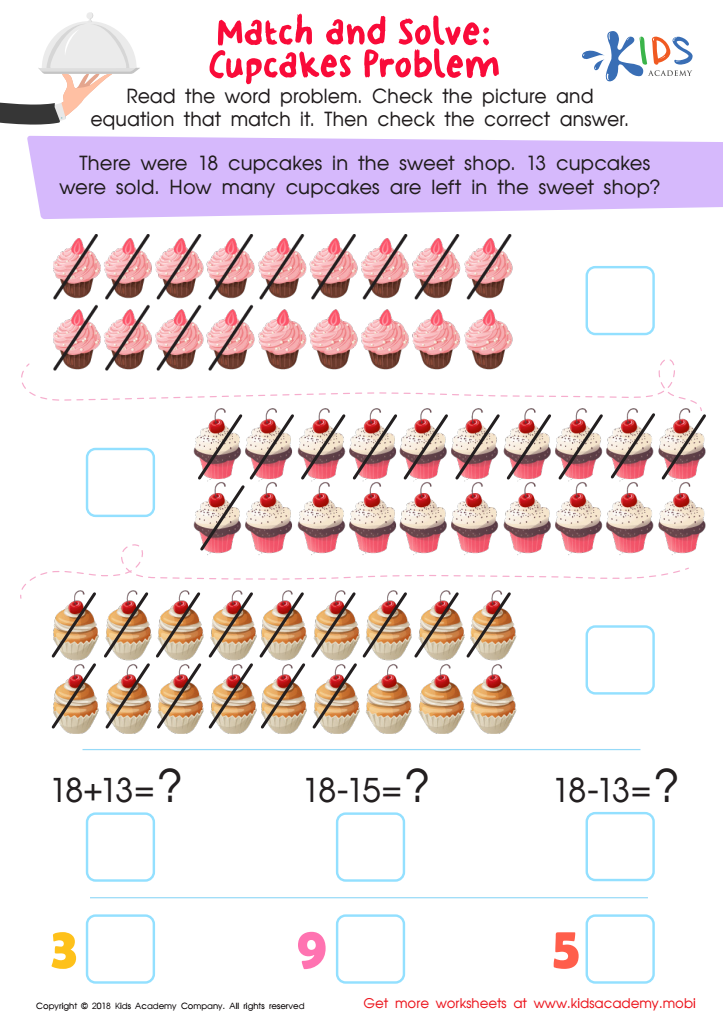
Match and Solve: Cupcakes Problem Worksheet
 Assign to My Students
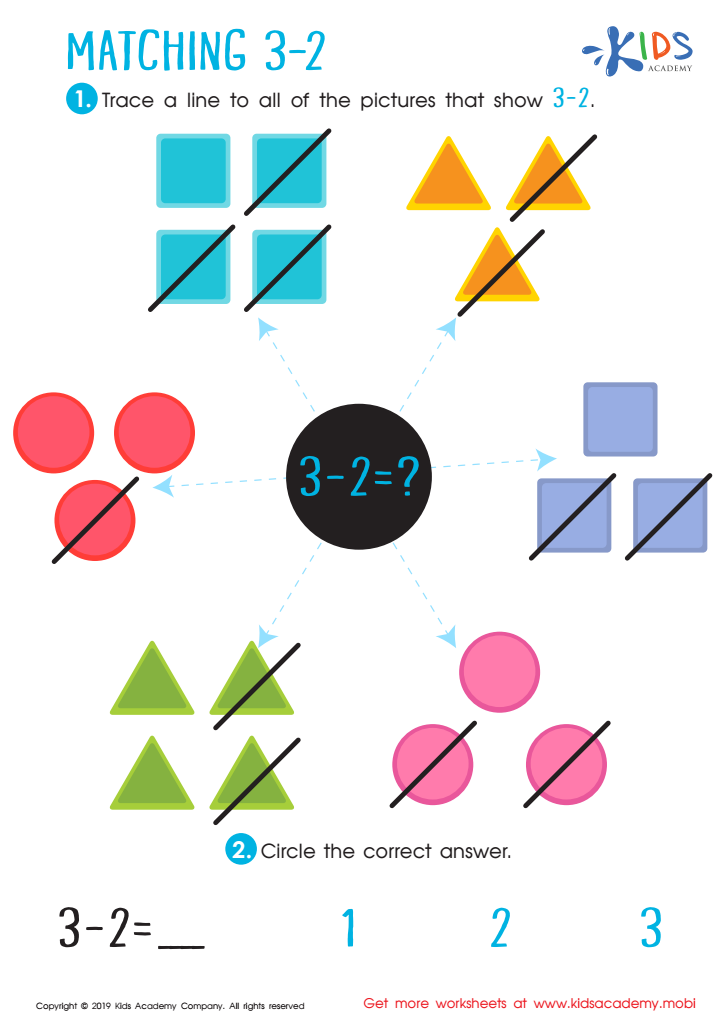
Matching 3-2 Worksheet
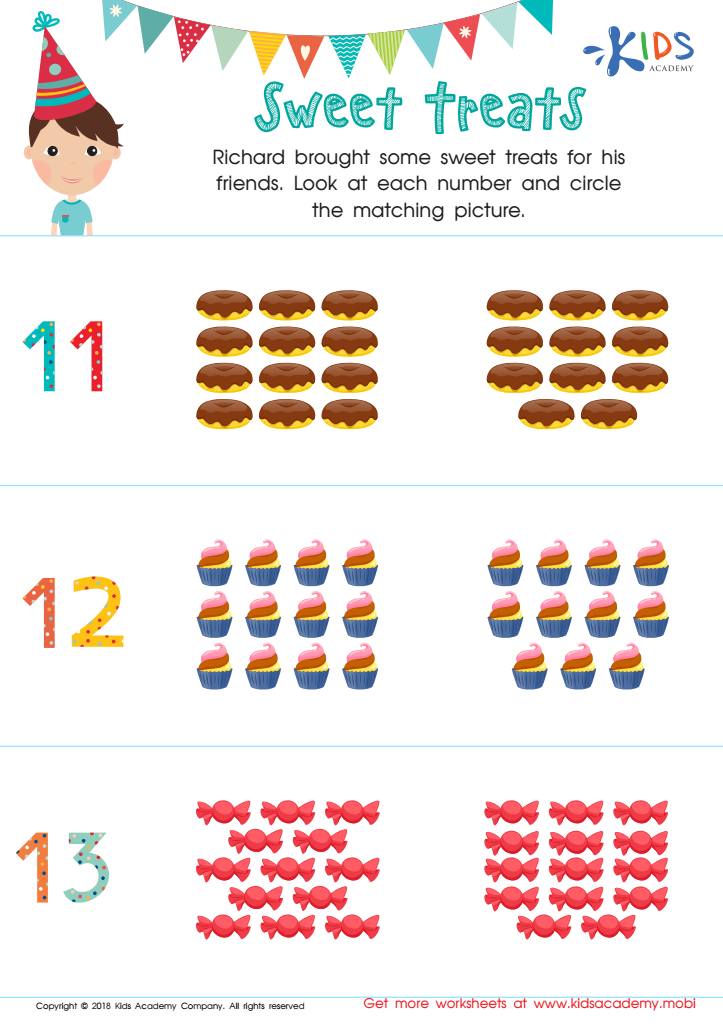
Kindergarten Math Worksheet Matching Numbers
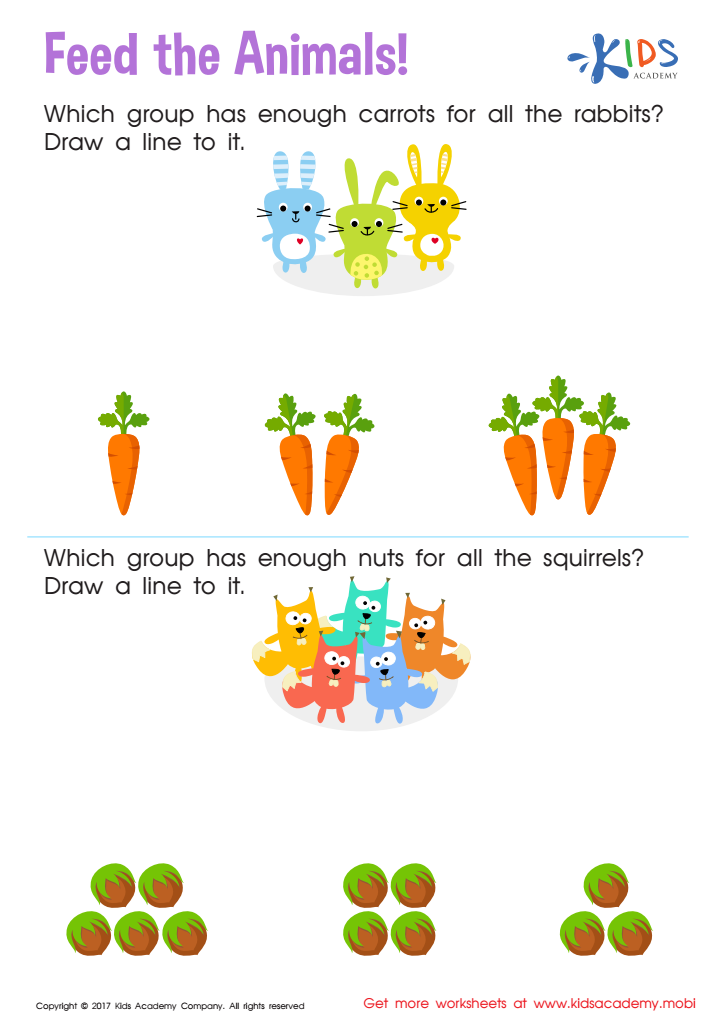
Count and Match: Feed the Animals Worksheet





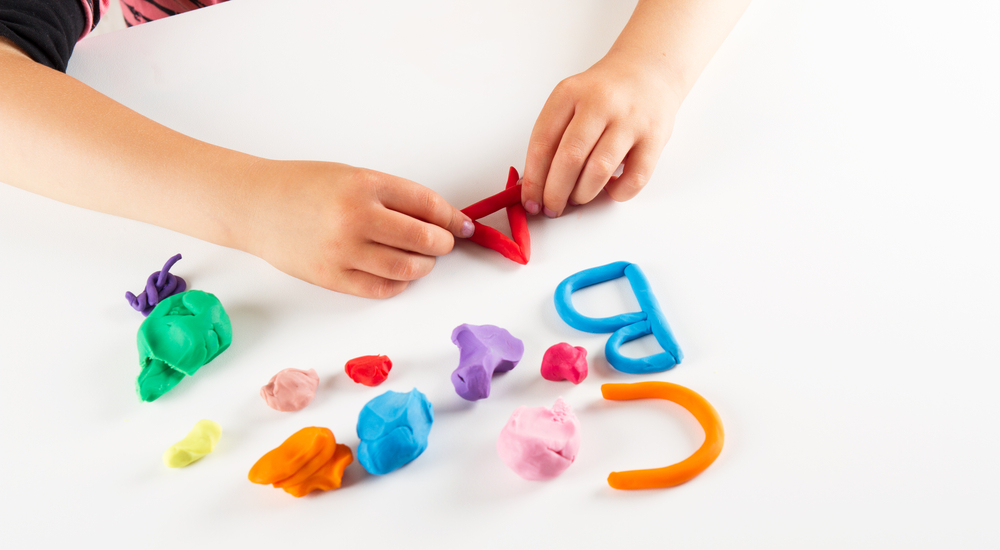


Number matching is a foundational skill that plays a critical role in early childhood development, laying the groundwork for future mathematical understanding. For children aged 3-5, engaging in number matching promotes several key areas of cognitive growth. Firstly, it enhances number recognition by helping young learners associate numerical symbols (like "1," "2," or "3") with corresponding quantities, thereby building a robust concept of numbers.
Secondly, number matching exercises improve fine motor skills as children typically handle manipulatives such as blocks, cards, or beads to make matches. This hands-on interaction aids in the development of hand-eye coordination and dexterity.
Additionally, these activities cultivate problem-solving skills. Through trial and error, children learn to strategize and make logical connections, enhancing their critical thinking abilities. Number matching also encourages pattern recognition and sequencing, vital components of mathematical reasoning.
Socially and emotionally, number matching can be a collaborative and engaging activity. Working with peers or adults fosters communication and cooperative learning. It builds confidence as children experience successes in these exercises, nurturing a positive attitude toward learning and mathematical exploration.
Ultimately, investing in number matching for young children sets a strong educational foundation, ensuring they are well-prepared for more complex mathematical concepts in later years.








