Phonics Skills Worksheets for Ages 3-5 - Page 2
33 filtered results
-
From - To
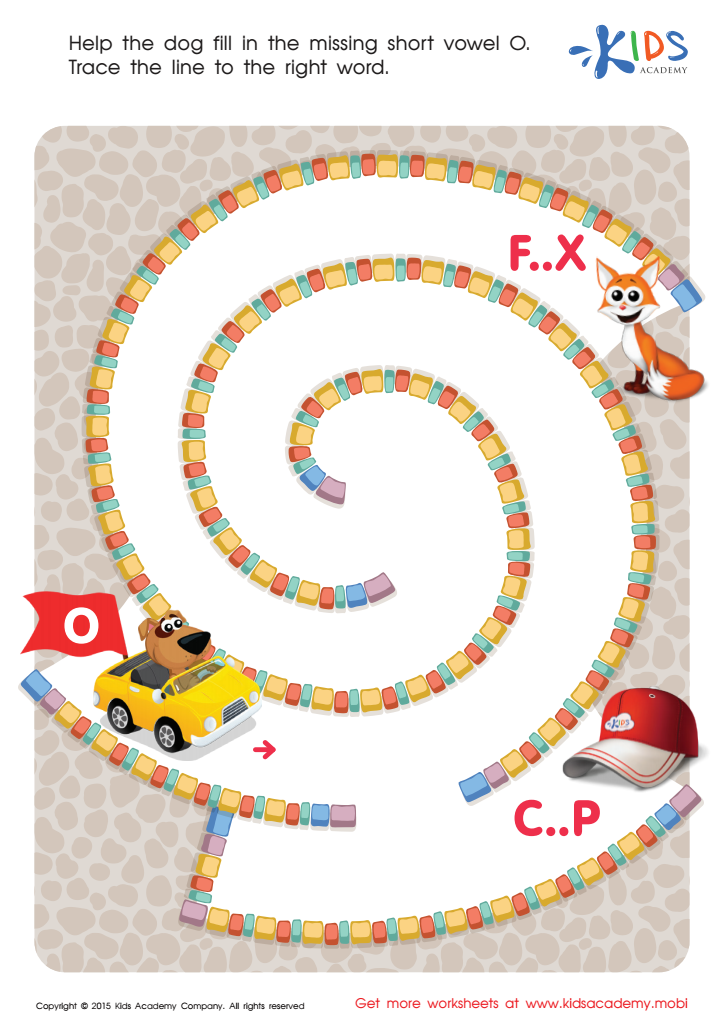
Short Vowel Sound O Worksheet
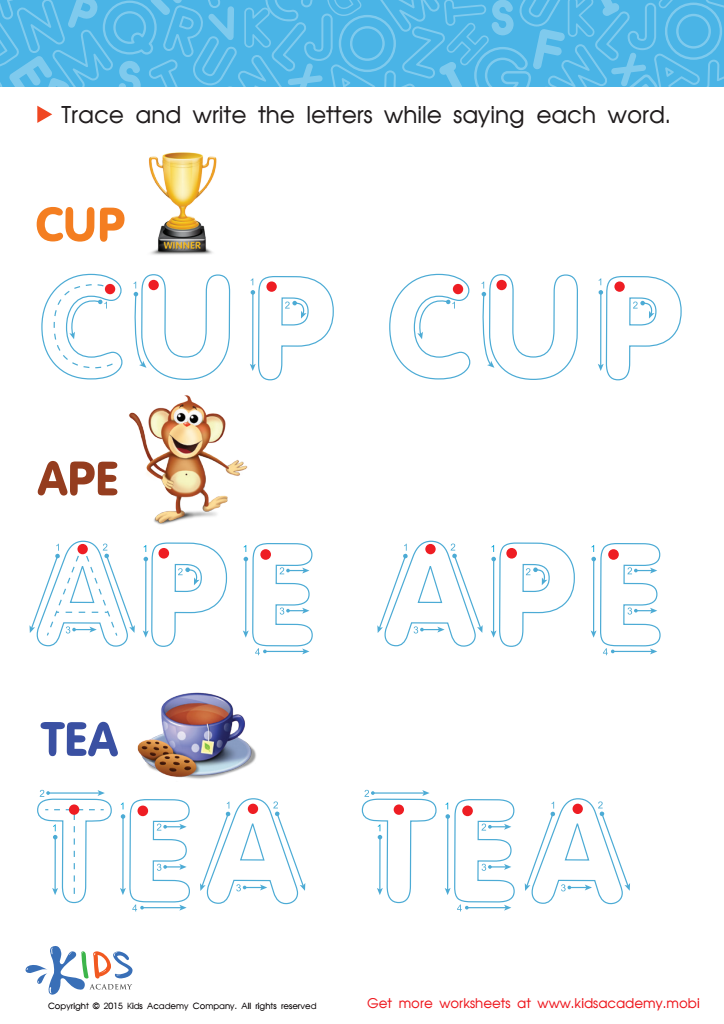
A Cup, an Ape and Tea Spelling Worksheet
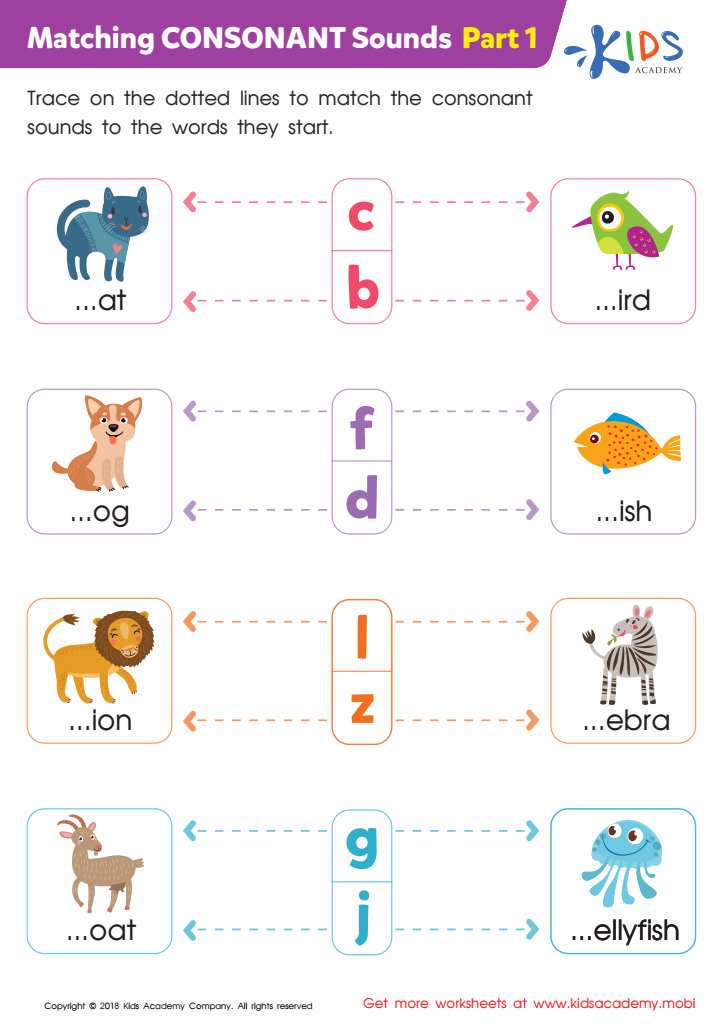
Matching Consonant Sounds: Part 1 Worksheet
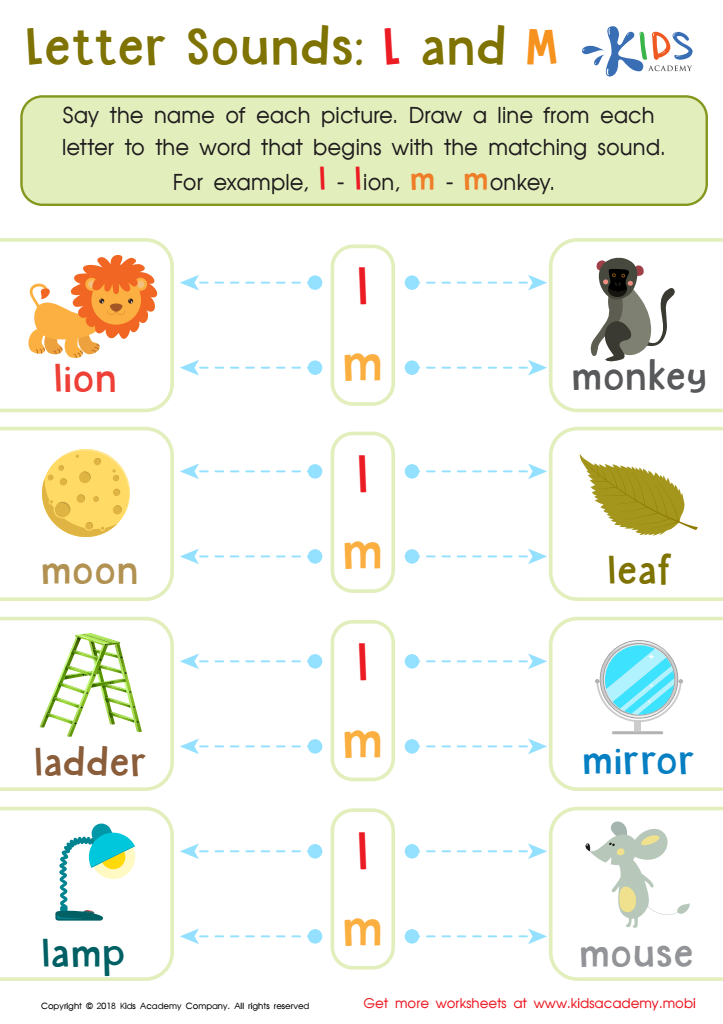
Letter l and M Sounds Worksheet
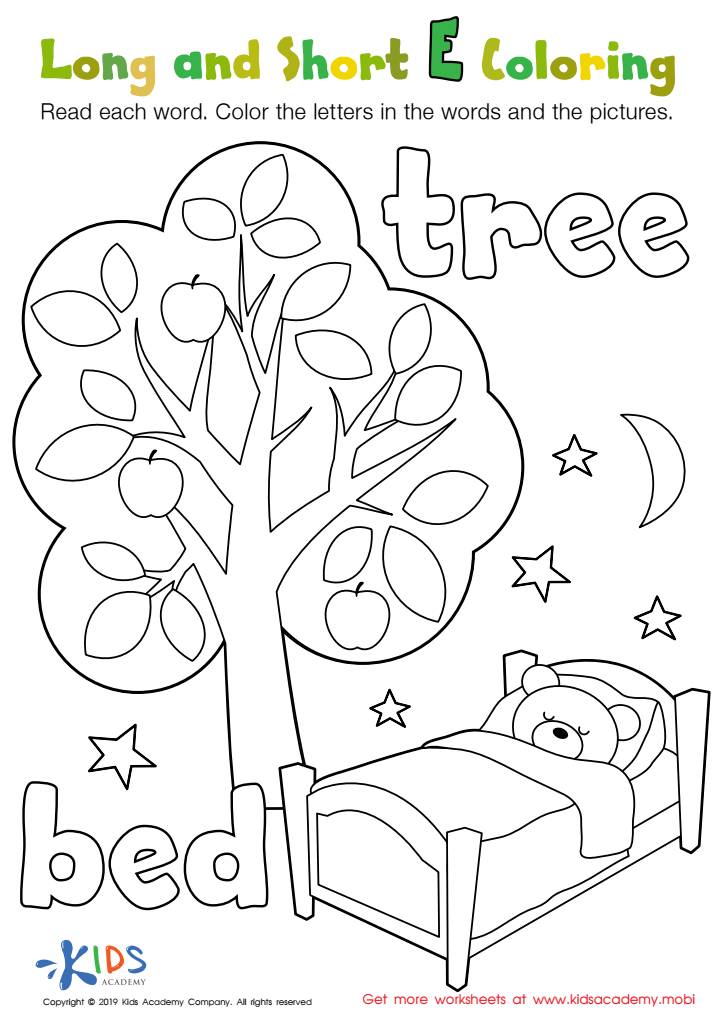
Long and Short E Worksheet
 Assign to My Students
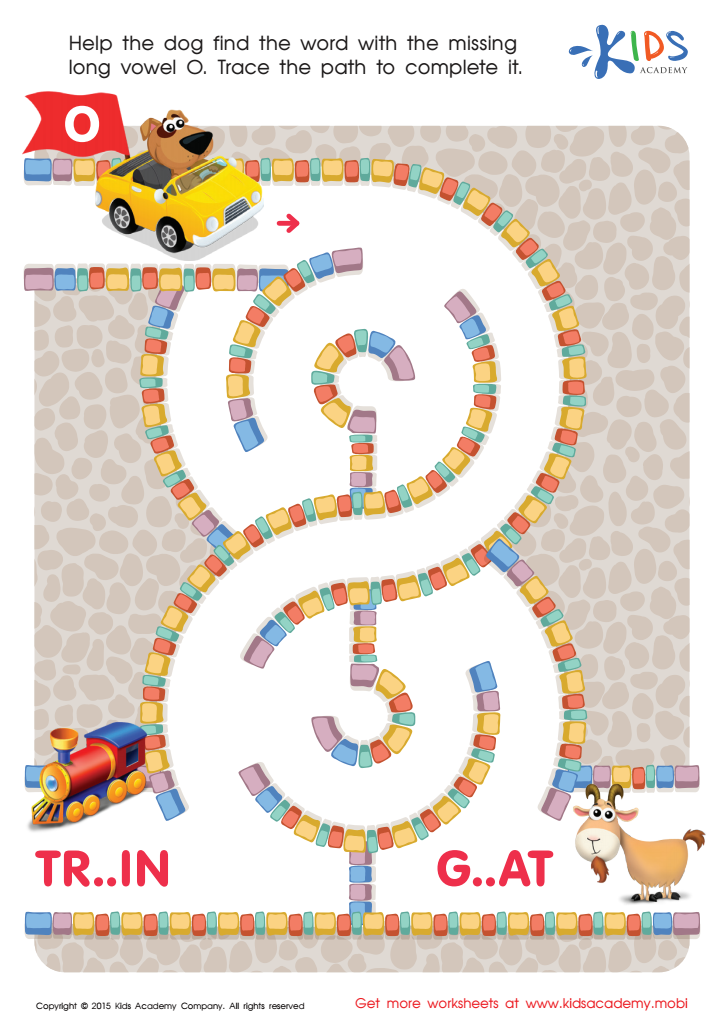
Long Vowel Sound O Worksheet
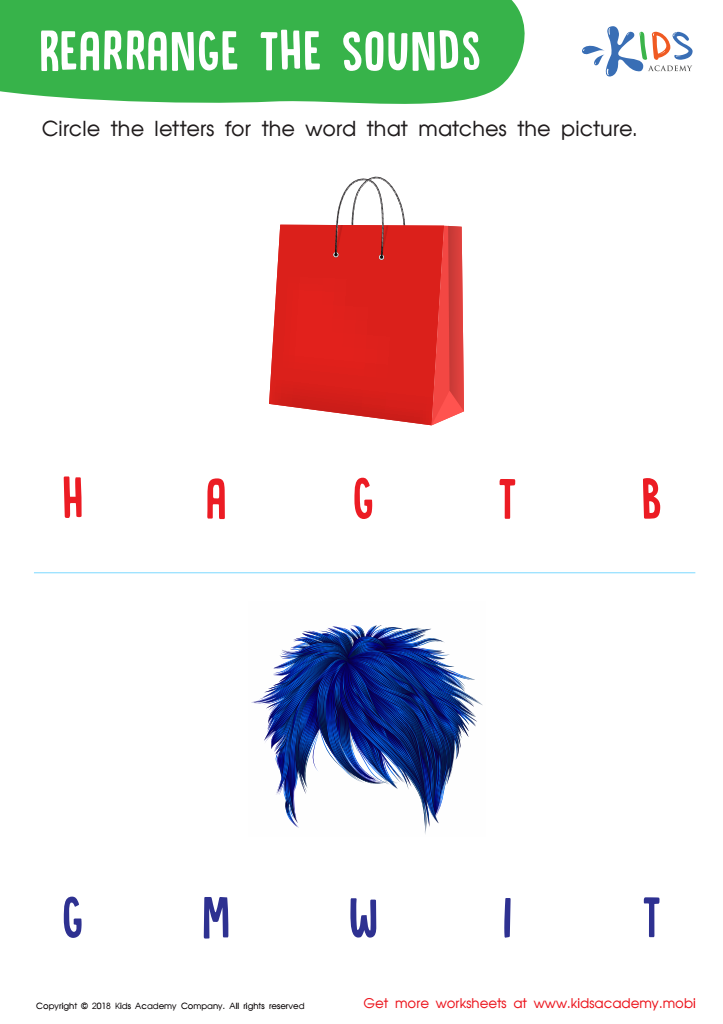
Rearrange the Sounds Worksheet
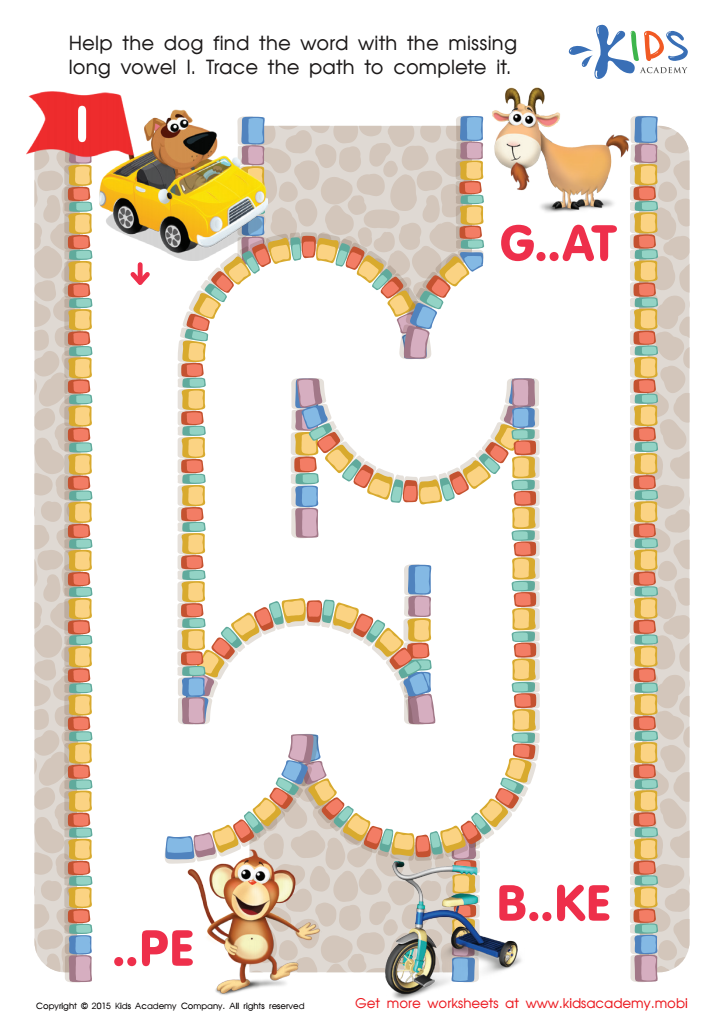
Long Vowel Sound I Worksheet
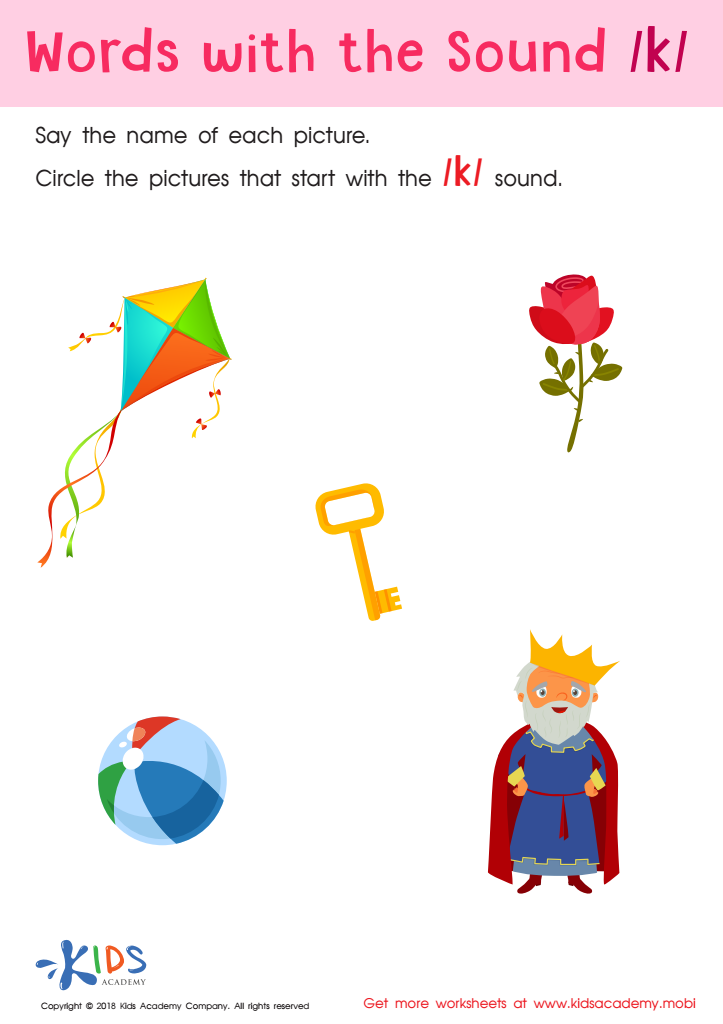
Words with sound k Reading Worksheet








Phonics skills are crucial for young children aged 3-5, as they form the foundation for reading and writing. At this impressionable age, children's brains are highly receptive to language acquisition. By focusing on phonics, parents and teachers can help develop their ability to recognize sounds, which enhances literacy skills and boosts overall cognitive development.
Engaging in phonics activities at this stage promotes letter-sound associations, essential for decoding words. When children understand how sounds correspond to letters, they can begin to tackle reading independently, fostering confidence and a love for literature. Additionally, phonics contributes to vocabulary expansion and comprehension skills, critical components of academic success.
Further, early phonics intervention can address potential literacy challenges before they manifest into more significant issues. By instilling phonetic skills early on, educators create a positive, nurturing environment that encourages exploration and learning. This early emphasis on phonics enables children to develop critical thinking abilities and creativity, laying the groundwork for continued educational growth throughout their lives.
In summary, parents and teachers should prioritize phonics for children ages 3-5 as it supports literacy development, cognitive growth, and prepares them for future academic success.








