Problem Solving Worksheets for Ages 3-5
24 filtered results
-
From - To
Discover our engaging Problem Solving Worksheets designed specifically for children ages 3-5! These fun and interactive activities help develop critical thinking skills and nurture creativity in young learners. Our worksheets are tailored to encourage problem-solving abilities through colorful illustrations and age-appropriate challenges, making learning enjoyable and effective. Each worksheet promotes essential cognitive development, helping children learn to identify problems, analyze situations, and develop solutions. Ideal for both at-home and classroom settings, our resources provide parents and educators with valuable tools to foster a positive learning environment. Download our Problem Solving Worksheets today and start your child's journey to becoming a confident problem-solver!
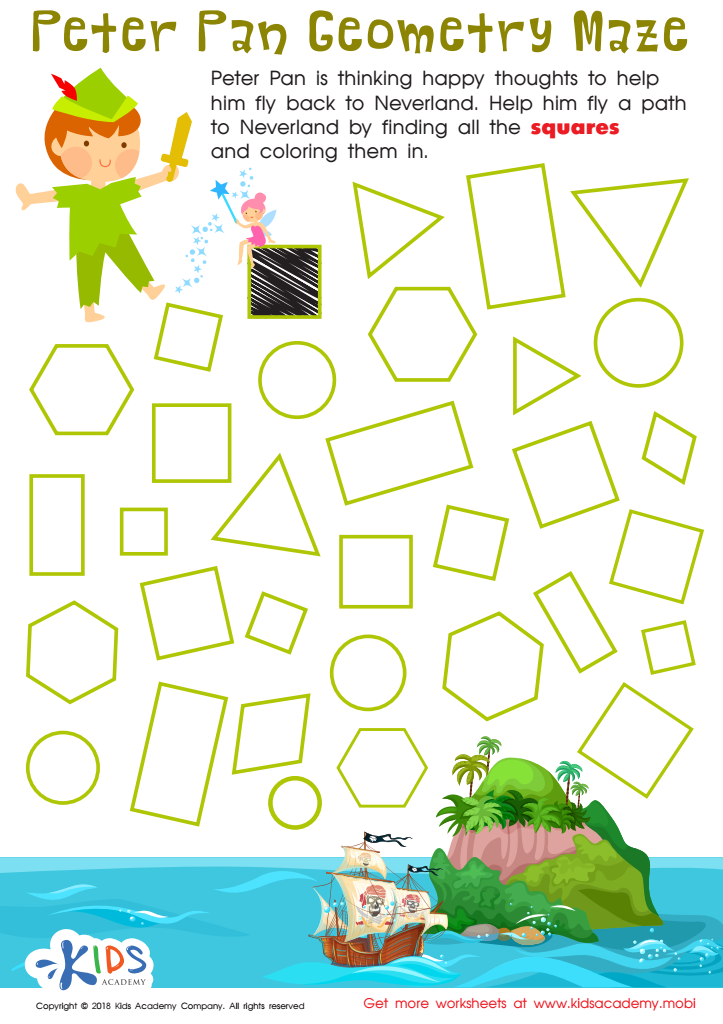
Peter Pan Worksheet
 Assign to My Students
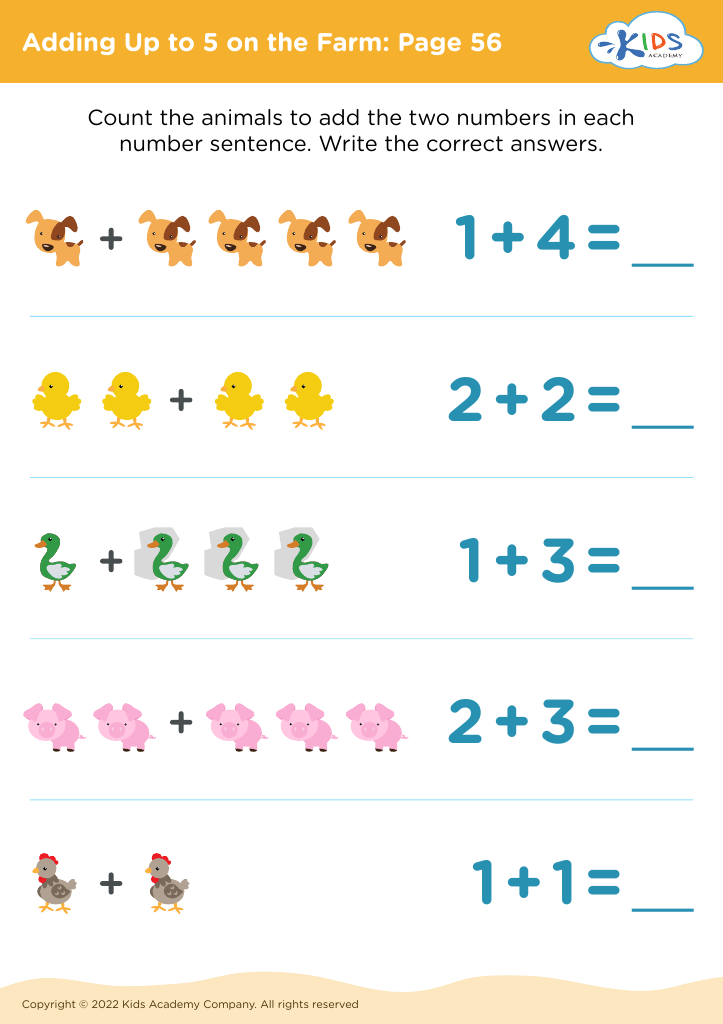
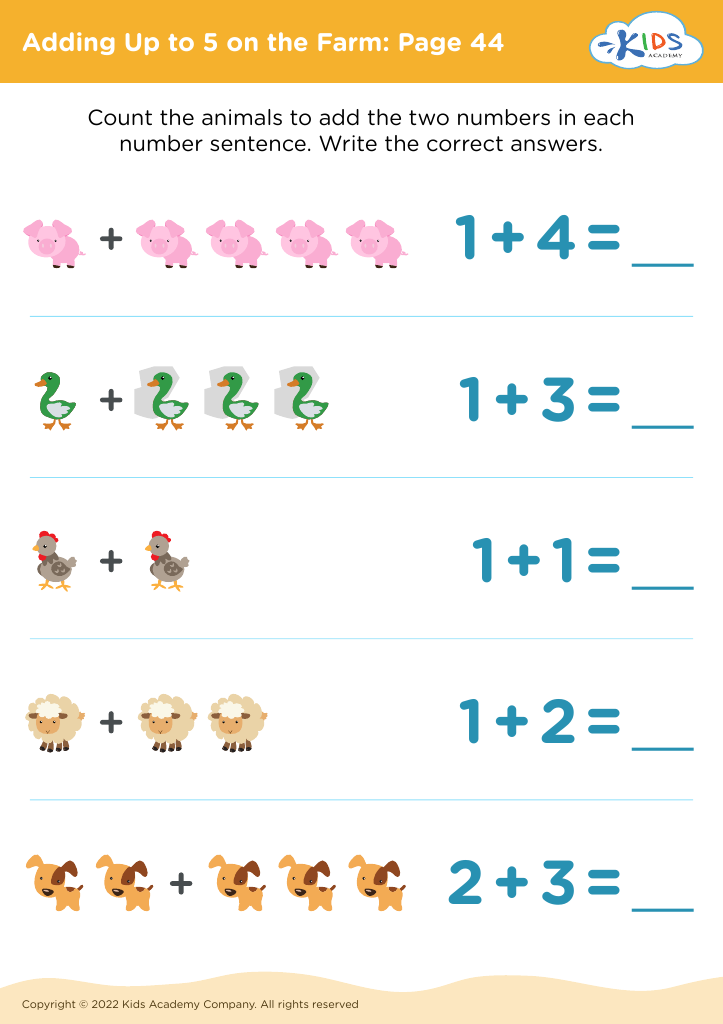
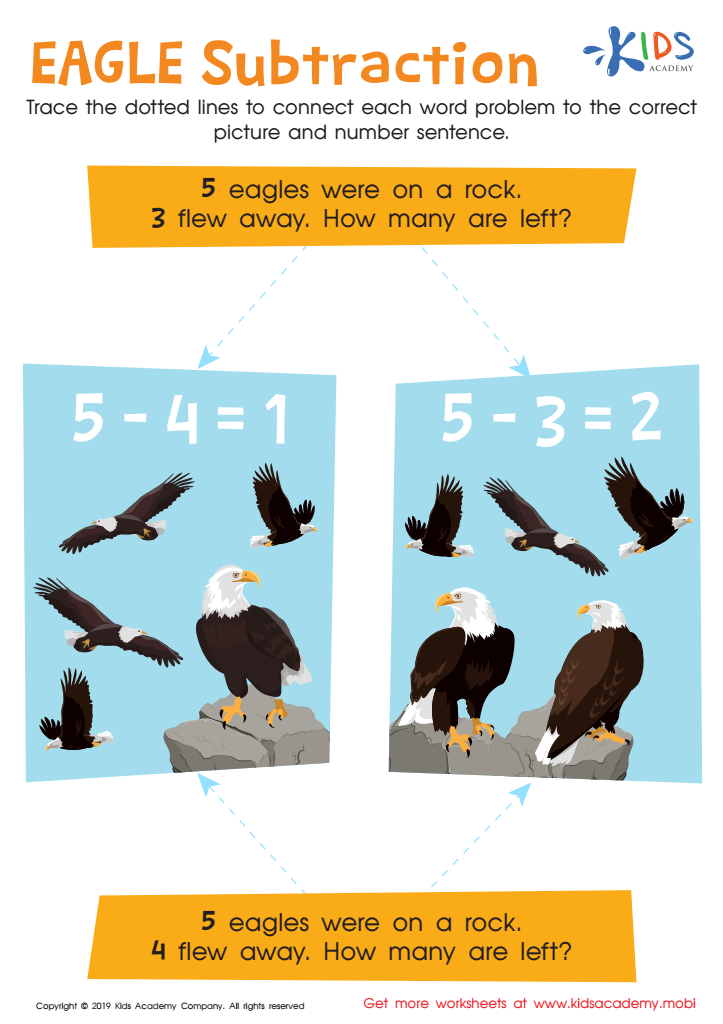
Eagle Subtraction Worksheet
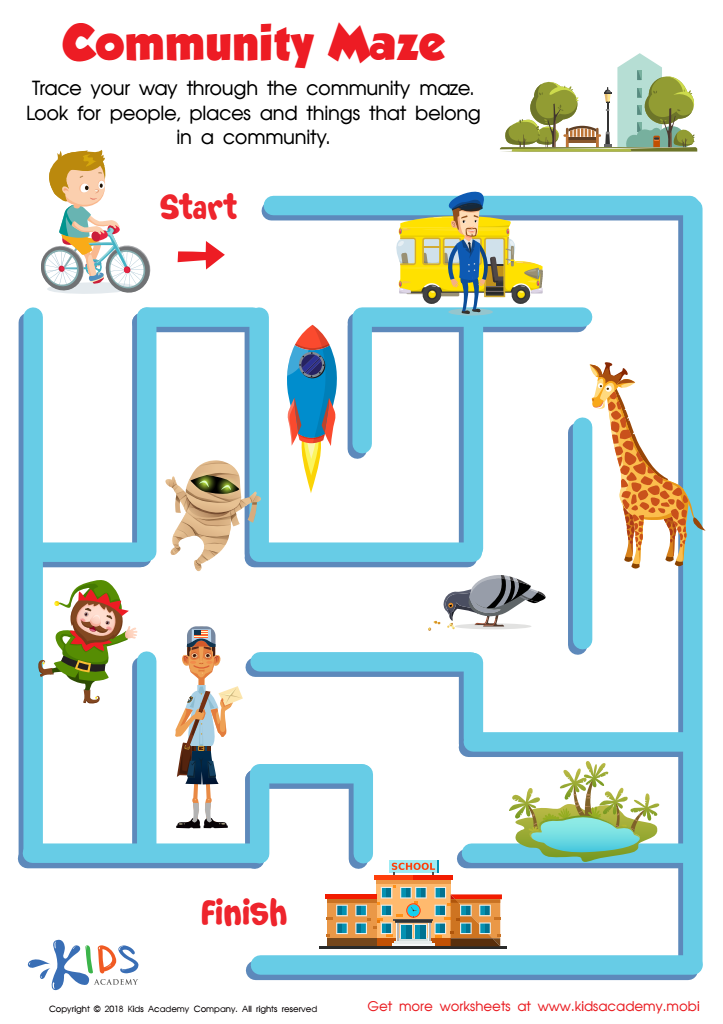
Community Maze Worksheet
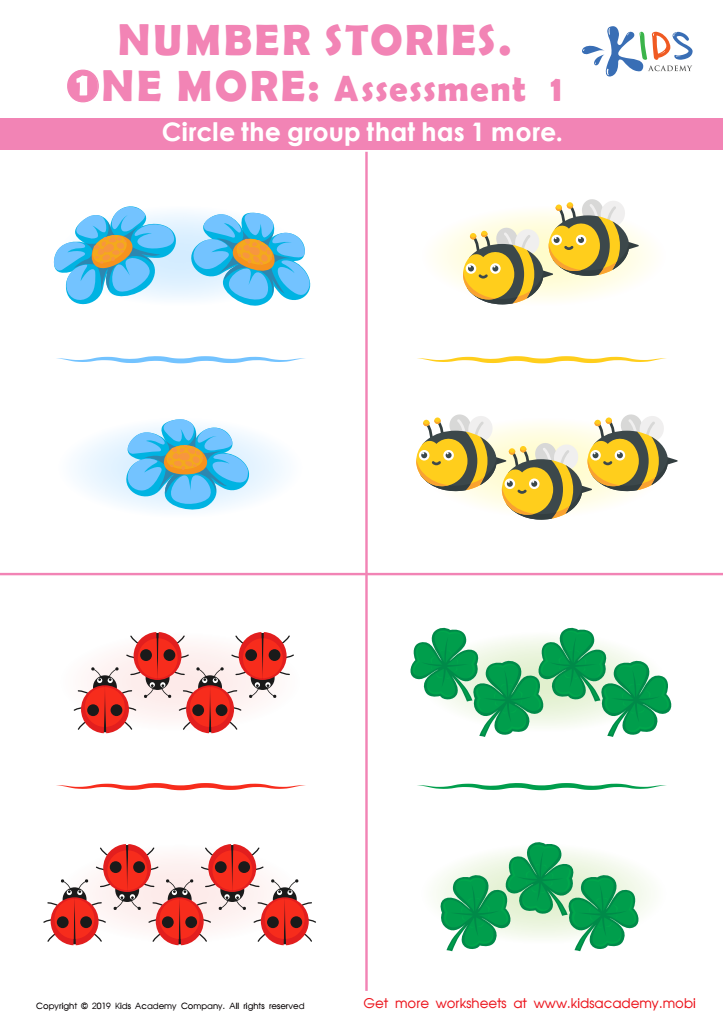
Number Stories One More – Assessment 1 Worksheet
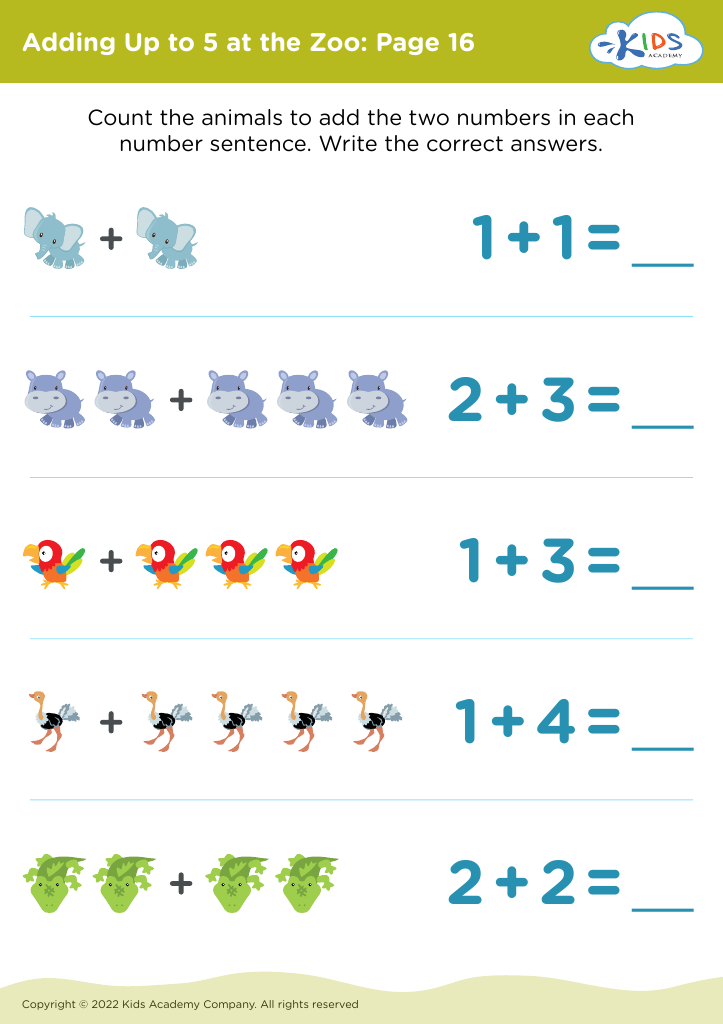
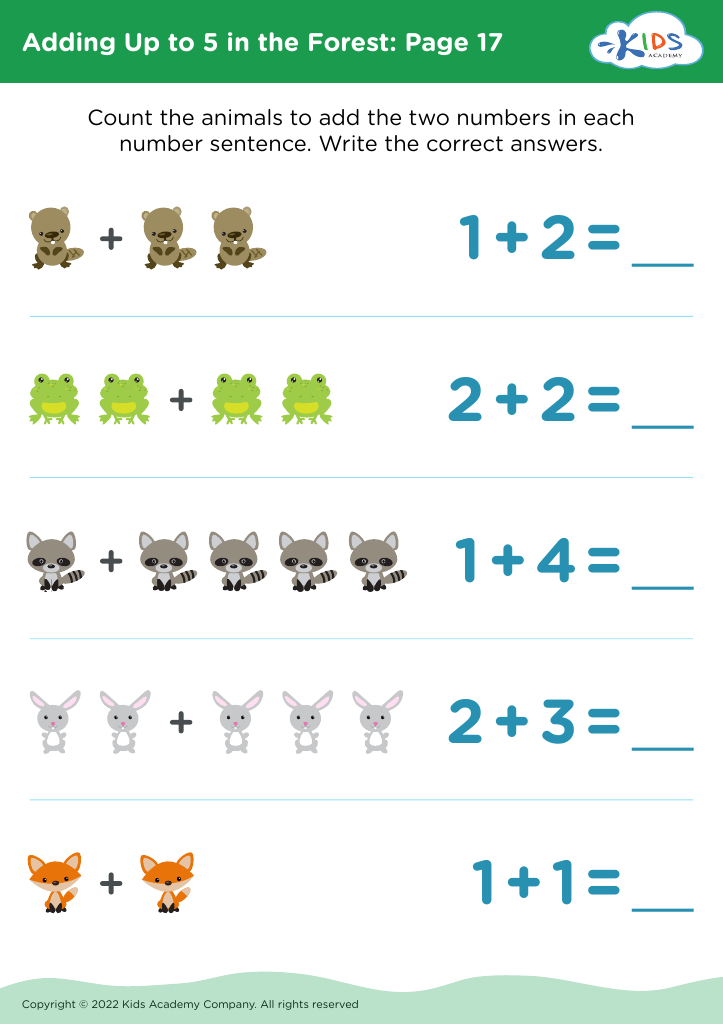
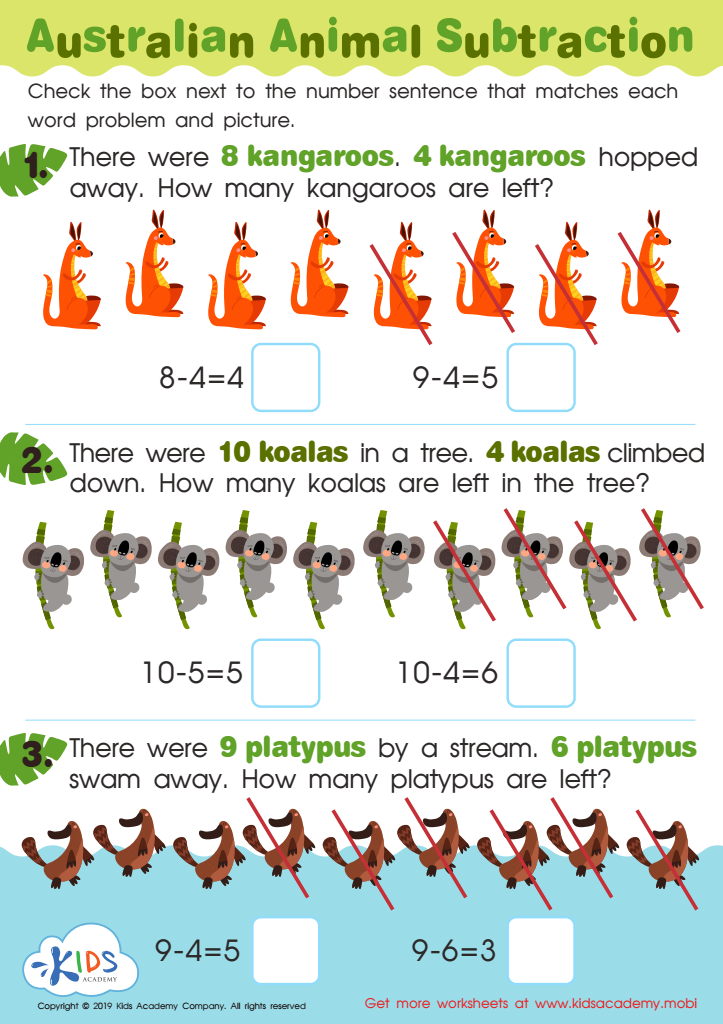
Australian Animal Subtraction Worksheet
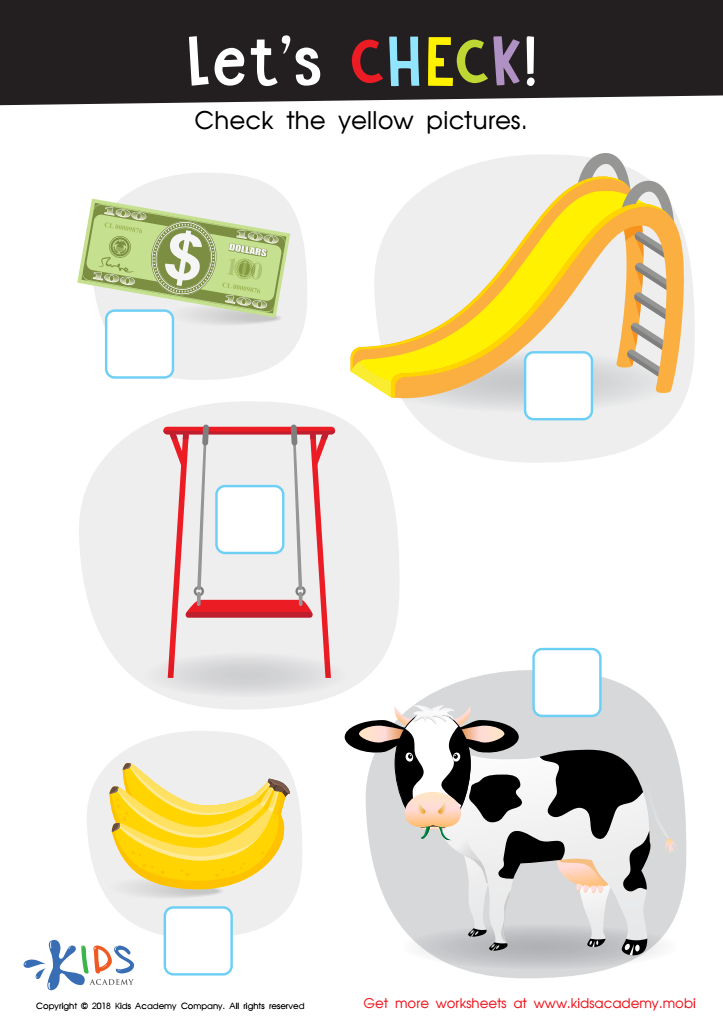
Let's Check! Worksheet
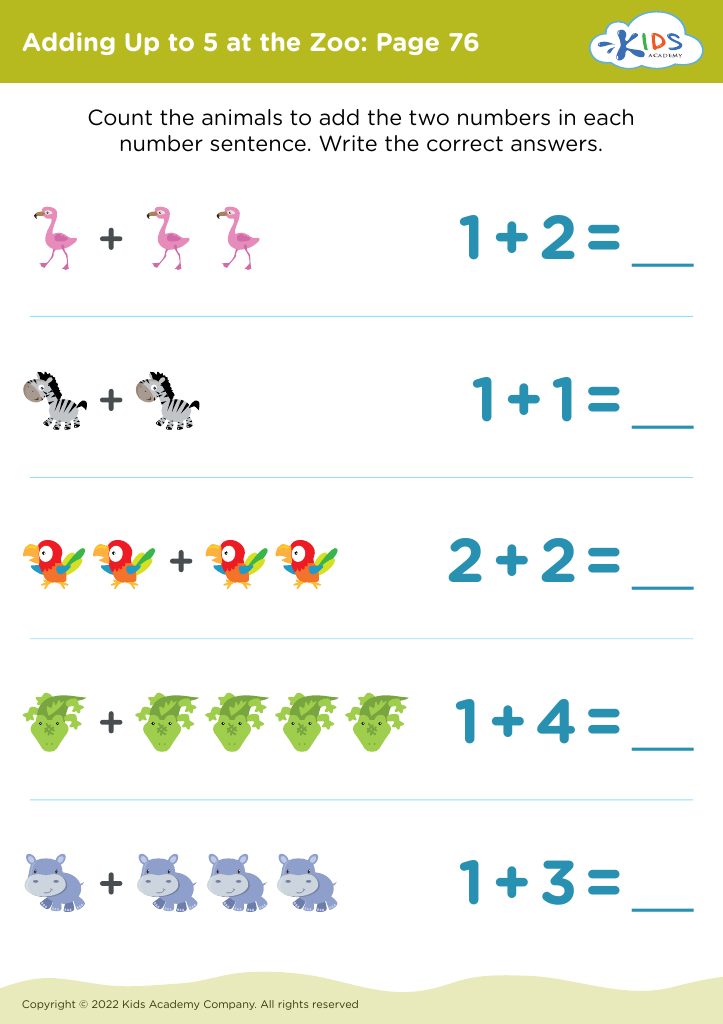
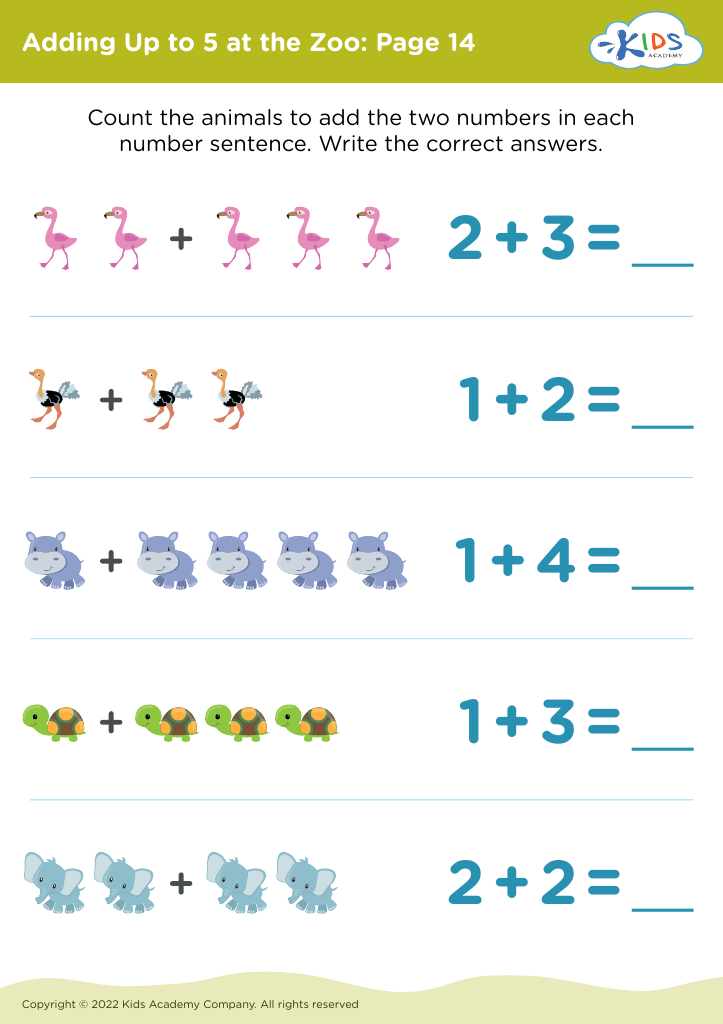

Skater Maze Worksheet
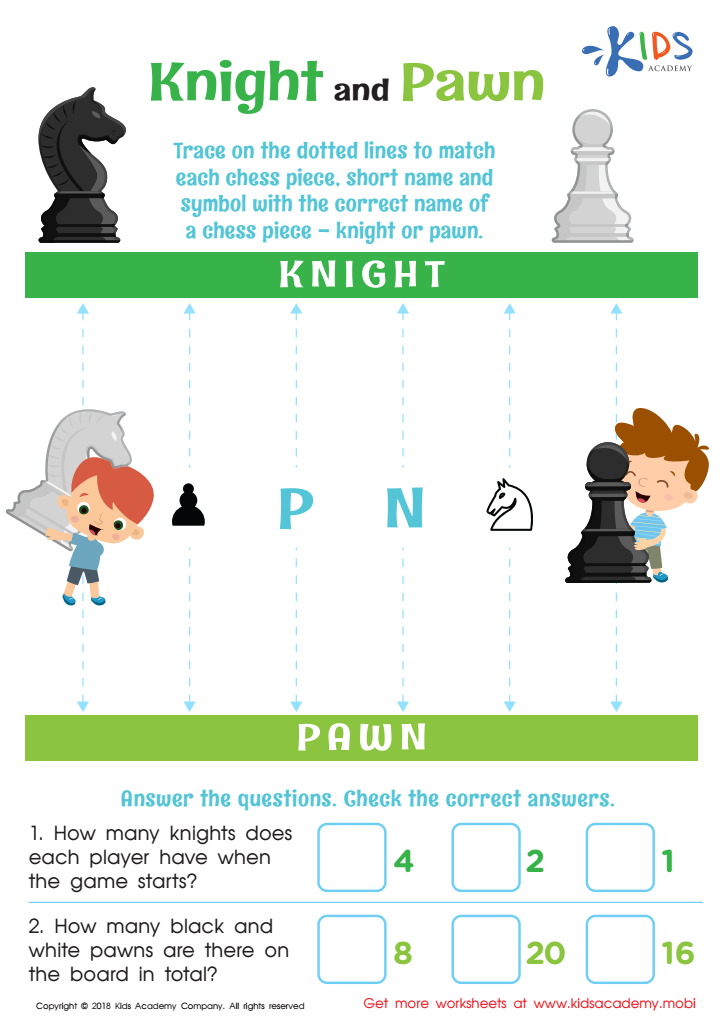
Knight and Pawn Worksheet
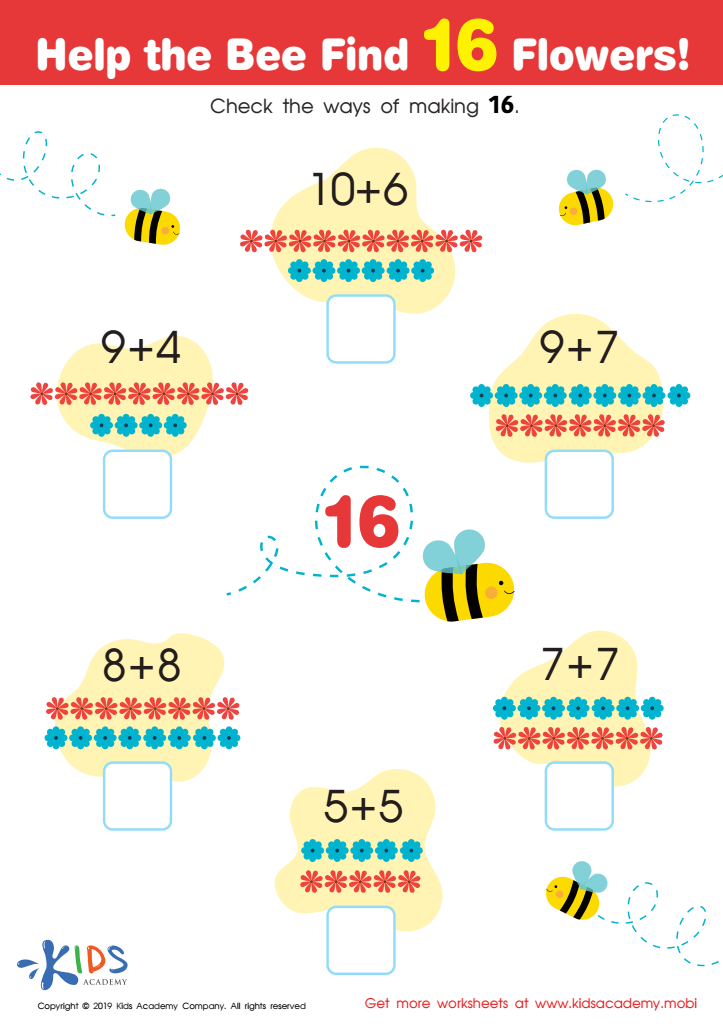
Help the Bee Find 16 Flowers Worksheet
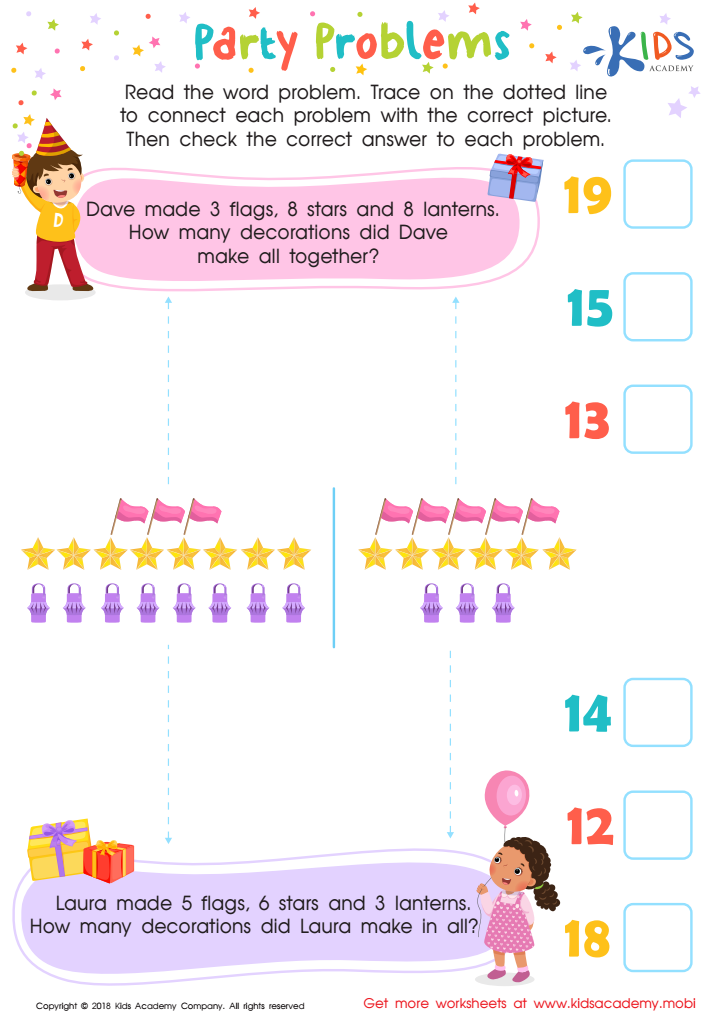
Party Problems Worksheet
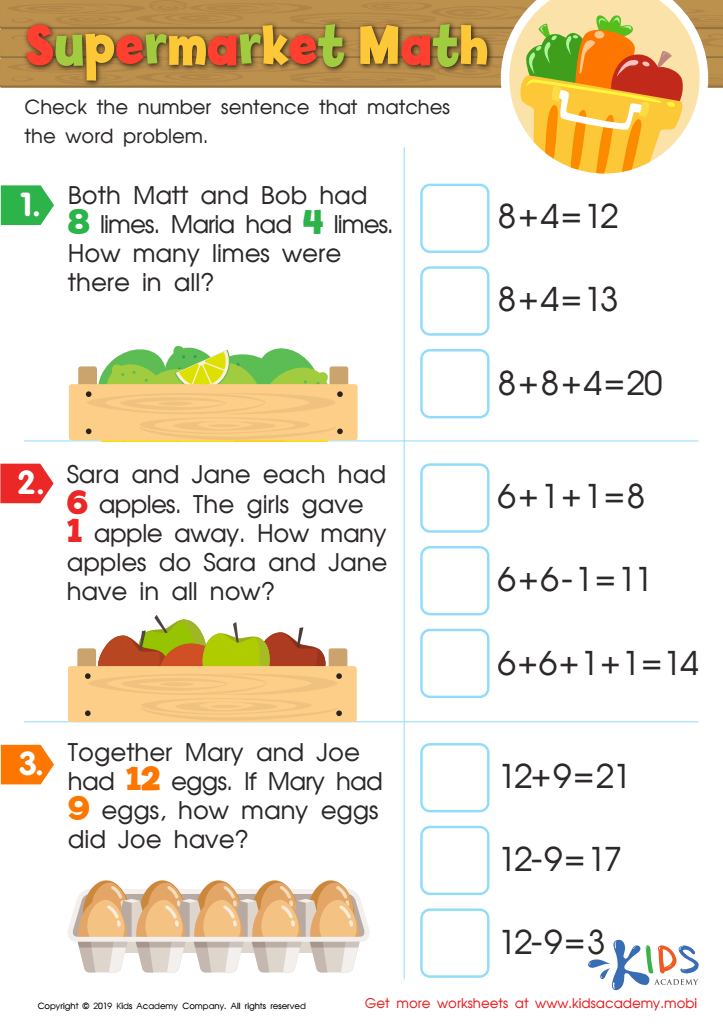
Supermarket Math Worksheet
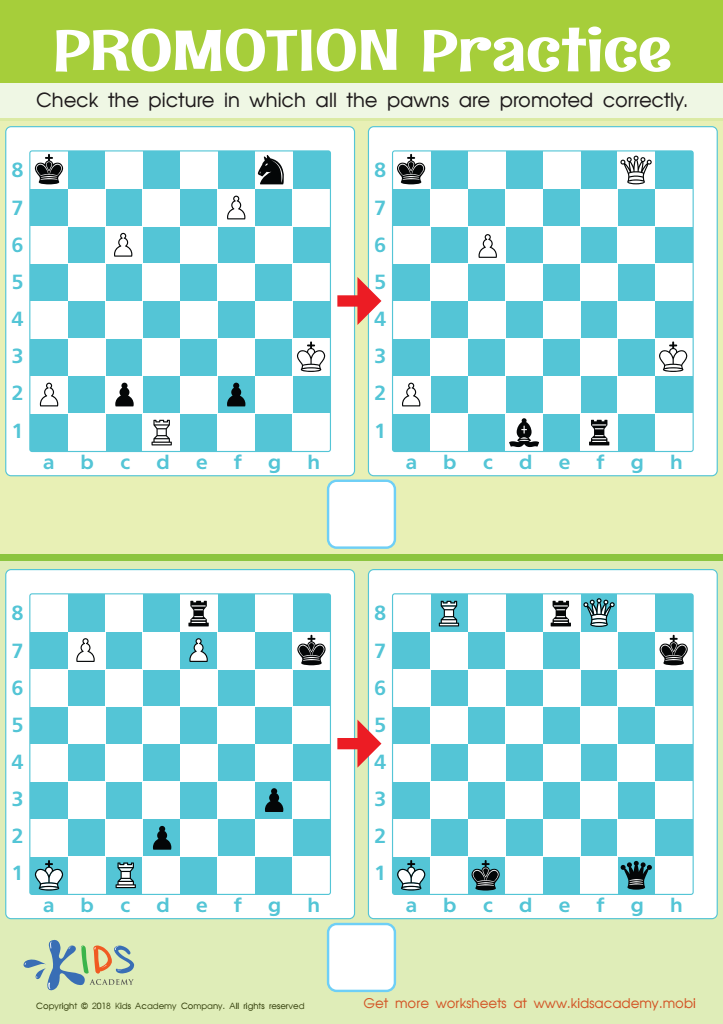
Promotion Practice Worksheet
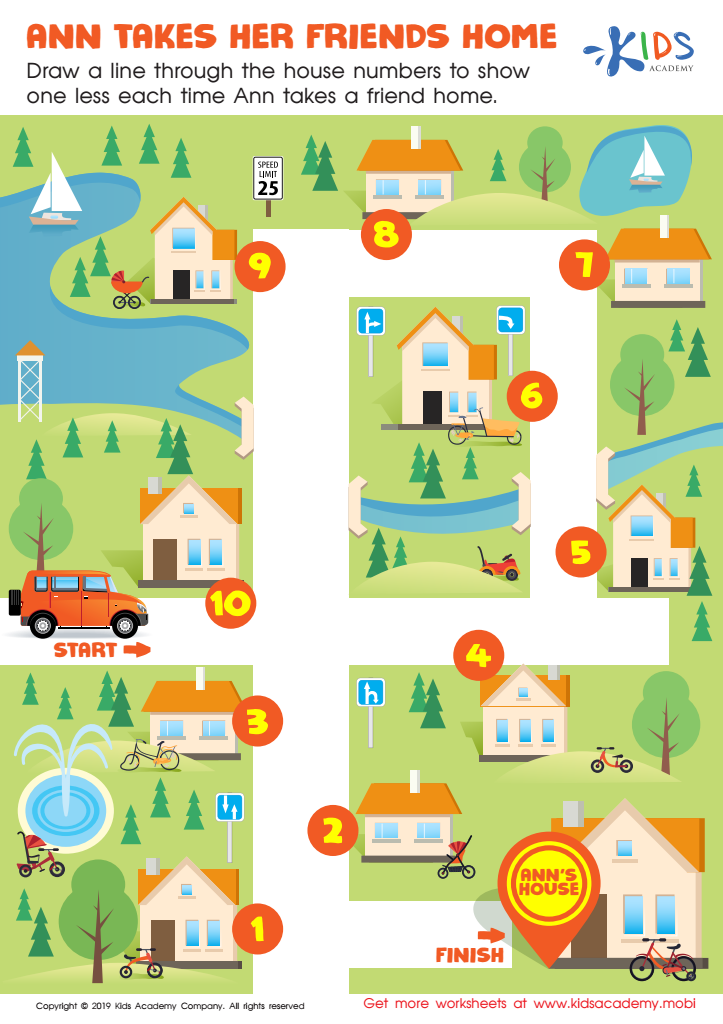
Ann Takes her Friends Home Worksheet
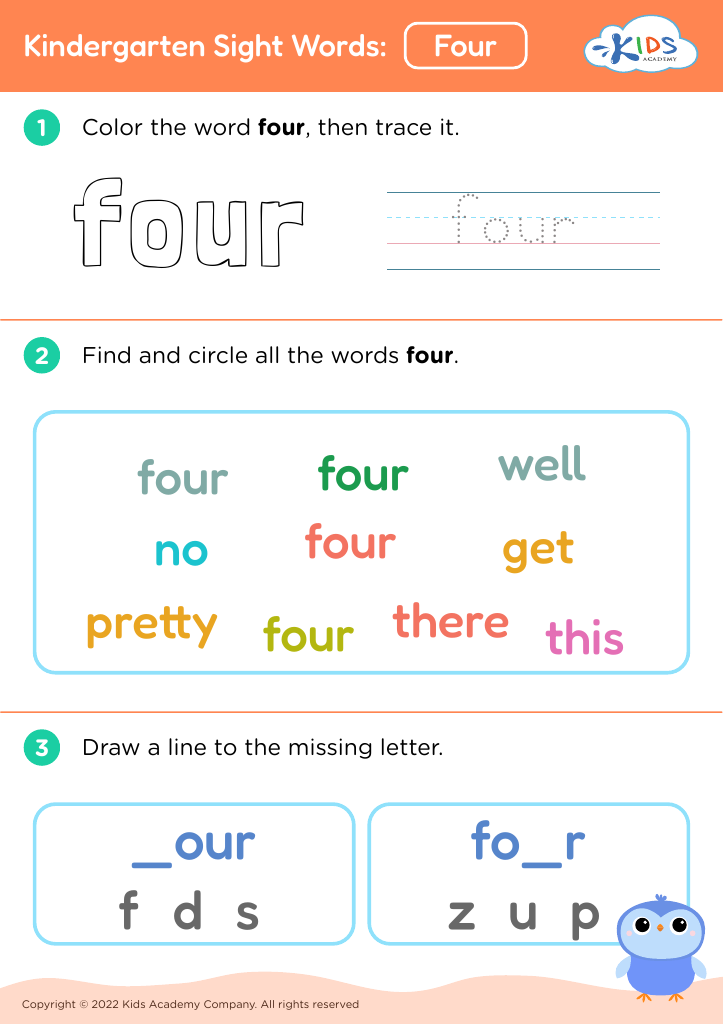






.jpg)

Problem solving is a crucial skill that lays the foundation for future learning and development in children aged 3-5. During these formative years, children are naturally curious and eager to understand the world around them. Engaging them in problem-solving activities enhances critical thinking, creativity, and independence.
Parents and teachers play a key role in nurturing this skill by creating an environment where exploration and experimentation are encouraged. When children tackle challenges, whether figuring out how to stack blocks or navigating social interactions, they develop resilience and adaptability. These experiences build confidence and improve decision-making abilities, helping children handle future challenges effectively.
Moreover, early exposure to problem-solving fosters essential cognitive skills, such as reasoning and logical thinking. It supports emotional development as children learn to manage frustration and celebrate successes.
Incorporating problem-solving into daily activities, such as interactive games and collaborative projects, transforms learning into an enjoyable adventure. As children learn to approach problems systematically, they cultivate a lifelong love for learning. Therefore, parents and teachers should prioritize problem-solving, ensuring that children are well-equipped to thrive in diverse situations as they grow and face new challenges.








