Understanding number sequence Worksheets for Ages 3-5
3 filtered results
-
From - To
Discover our engaging "Understanding Number Sequence Worksheets for Ages 3-5," designed to help young learners grasp fundamental counting skills through interactive and fun activities. These worksheets encourage children to identify, arrange, and fill in number sequences while promoting cognitive development and early math understanding. Each activity is thoughtfully crafted to captivate young minds, encouraging them to explore numbers in a playful way. Seamlessly aligned with early childhood education standards, our materials foster independent learning and strengthen problem-solving abilities. Perfect for classroom use or at-home learning, our worksheets provide an enjoyable way for children to build a solid mathematical foundation. Start exploring today!
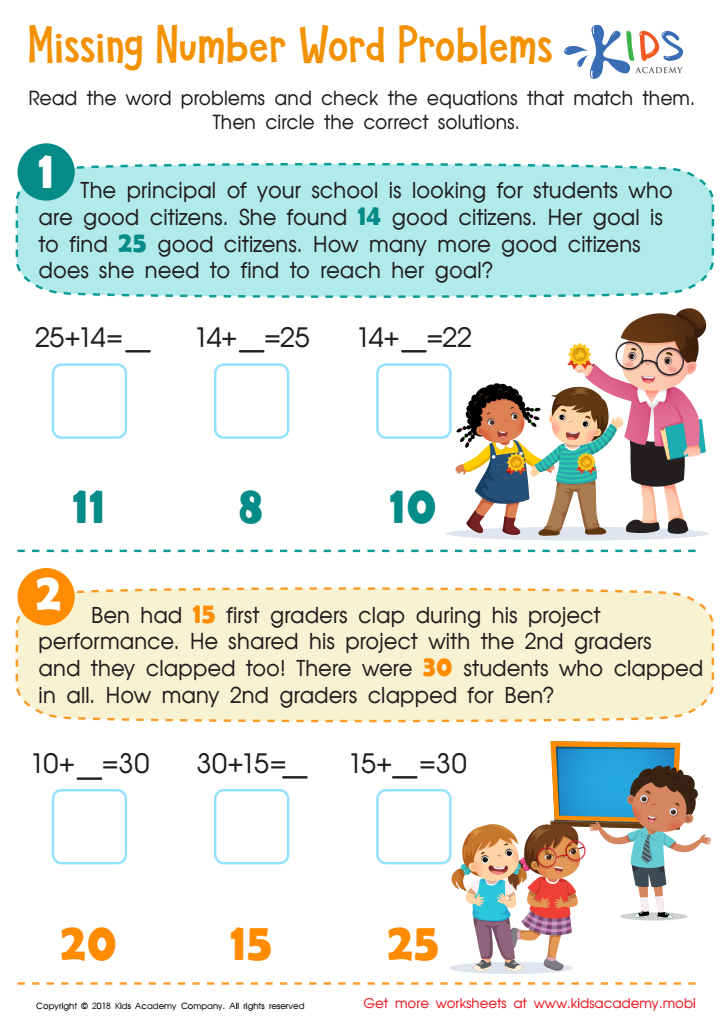
Missing Number Word Problems Worksheet
 Assign to My Students
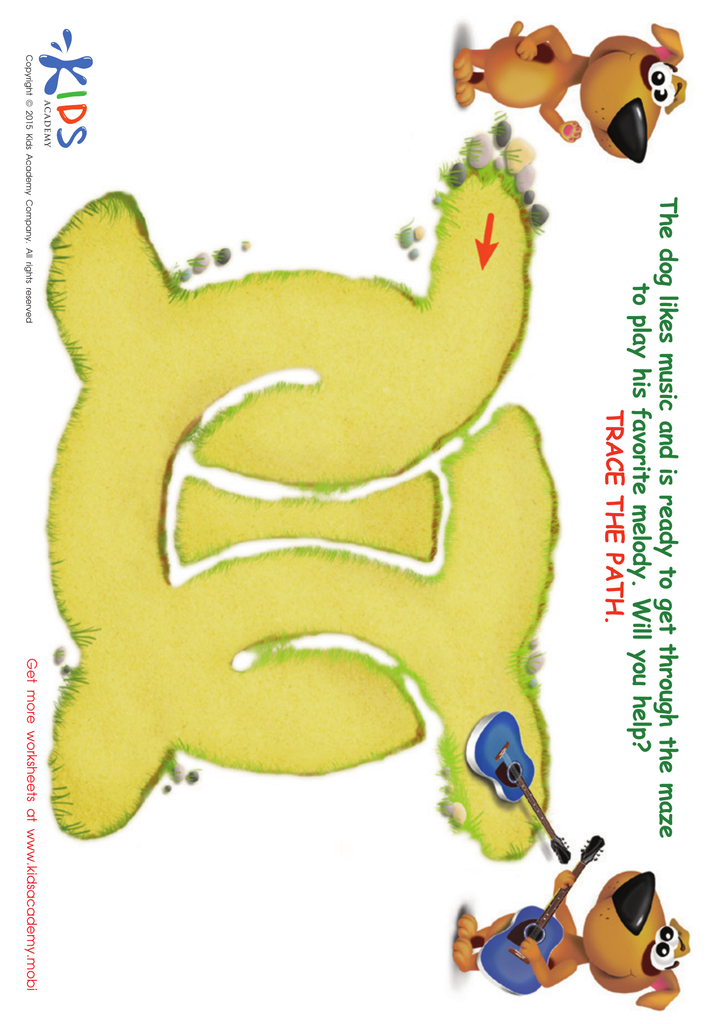
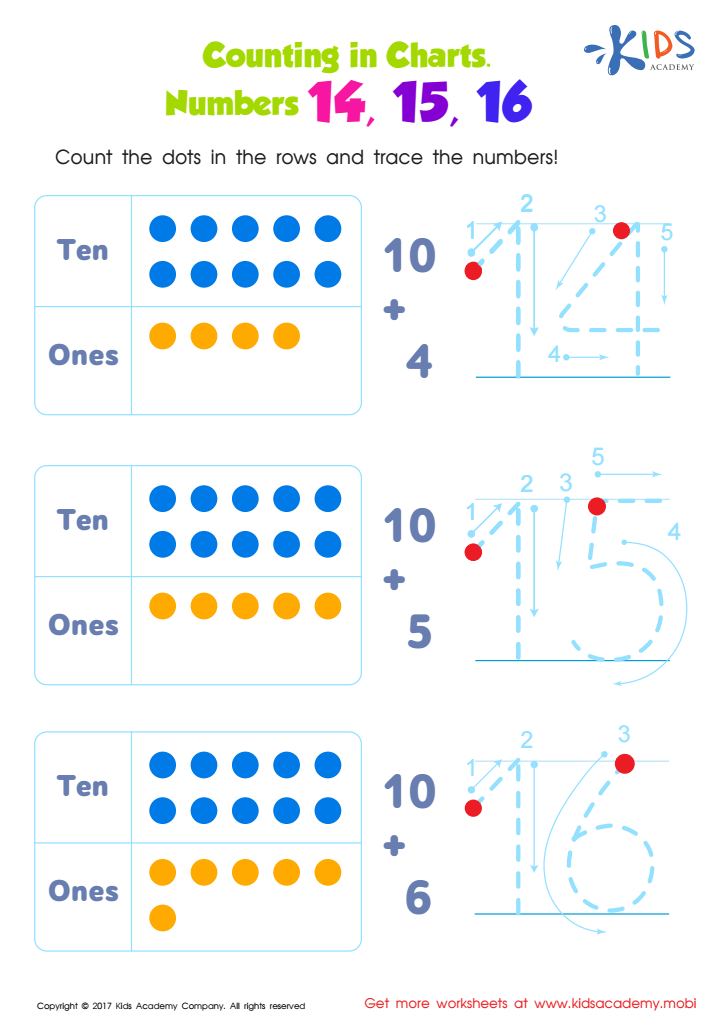
Number Tracing Worksheet






Understanding number sequences is a fundamental skill for children aged 3 to 5, as it lays the groundwork for their future mathematical abilities. At this stage, children begin to explore numbers and recognize patterns, which are essential for problem-solving and critical thinking. This early understanding fosters numerical fluency, helping children learn to count, compare quantities, and comprehend basic arithmetic concepts.
Parents and teachers should prioritize this learning because it enhances cognitive development. Number sequences teach children to predict what comes next, strengthening their logical reasoning skills and ability to focus. Additionally, the ability to recognize patterns supports literacy development, as both number sequences and phonetic patterns rely on similar cognitive processing.
Moreover, a strong foundation in number sequences can significantly reduce anxiety associated with math in later years. Children who are confident early in their numerical skills are more likely to enjoy math-related activities and excel in them, creating a positive attitude towards learning overall. Involving parents in this learning process through games and everyday activities, like counting steps or recognizing patterns in nature, makes learning bonding experiences, reinforcing not just mathematical skills but also family connections. Therefore, nurturing this understanding is vital for holistic child development.








