Visual discrimination skills Worksheets for Ages 3-5
7 filtered results
-
From - To
Unlock the power of keen observation with our Visual Discrimination Skills Worksheets for ages 3-5. Designed to enhance young learners' abilities to notice similarities and differences, these vibrant and engaging worksheets help children sharpen critical skills. Through fun activities like matching, sorting, and spotting discrepancies, your child will develop essential pre-reading abilities and improve attention to detail. Ideal for both parents and educators, our carefully crafted worksheets promote cognitive development and prepare kids for a lifetime of learning. Get started today to support your child’s growth with these enjoyable and educational resources!
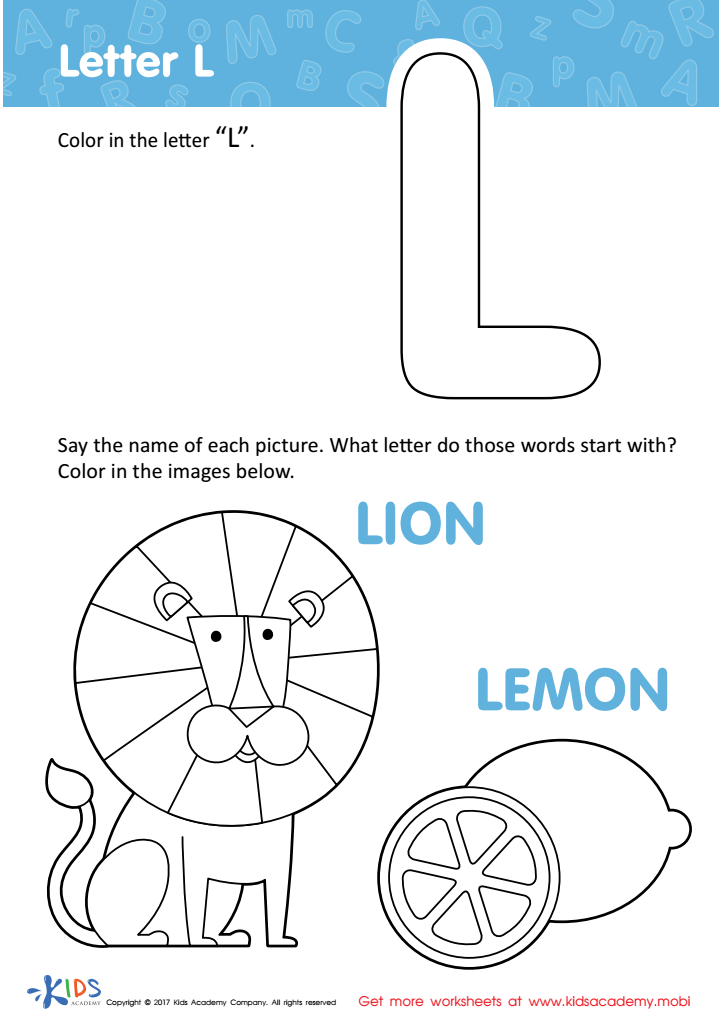
Letter L Coloring Sheet
 Assign to My Students
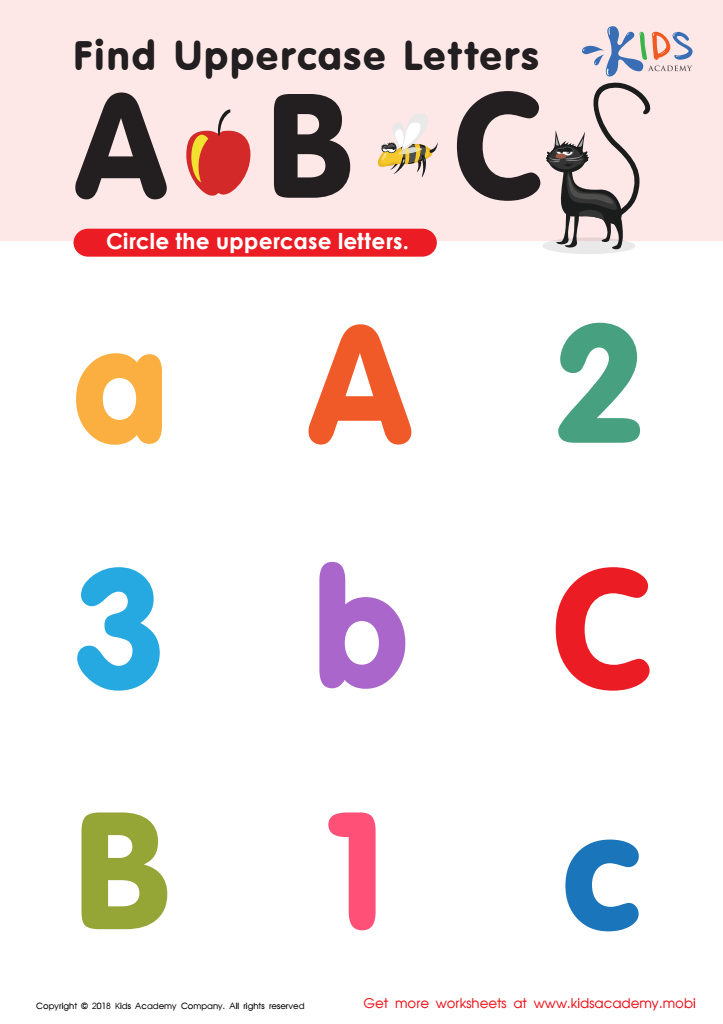
Find Uppercase Letters A, B, and C Worksheet
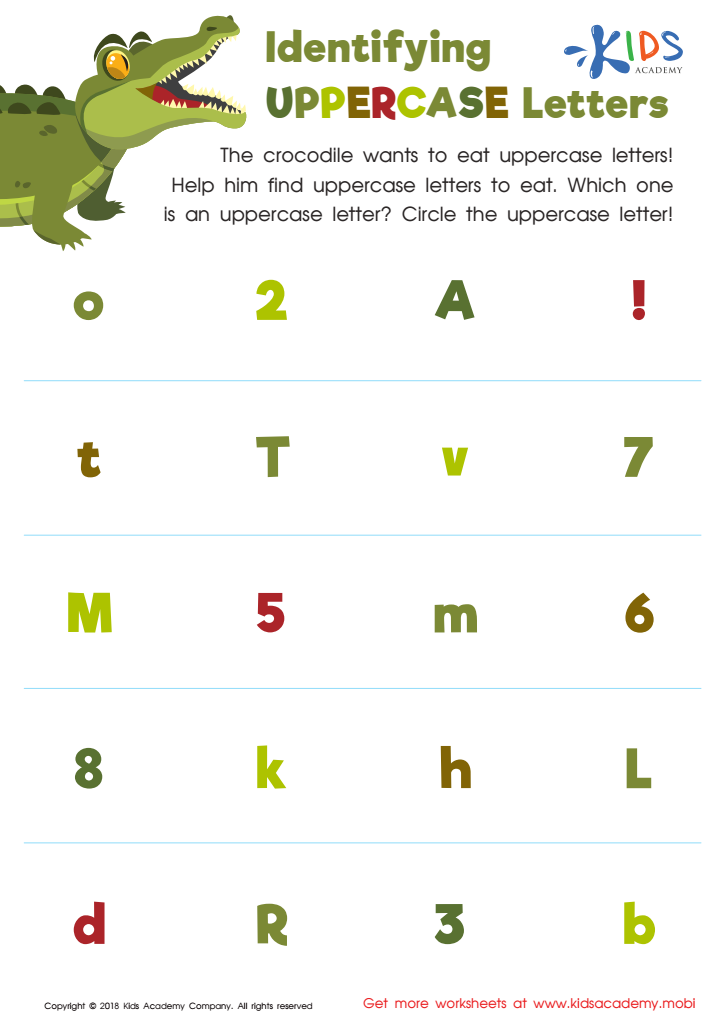
Identifying Uppercase Letters Worksheet

Find lowercase letters a b c Worksheet
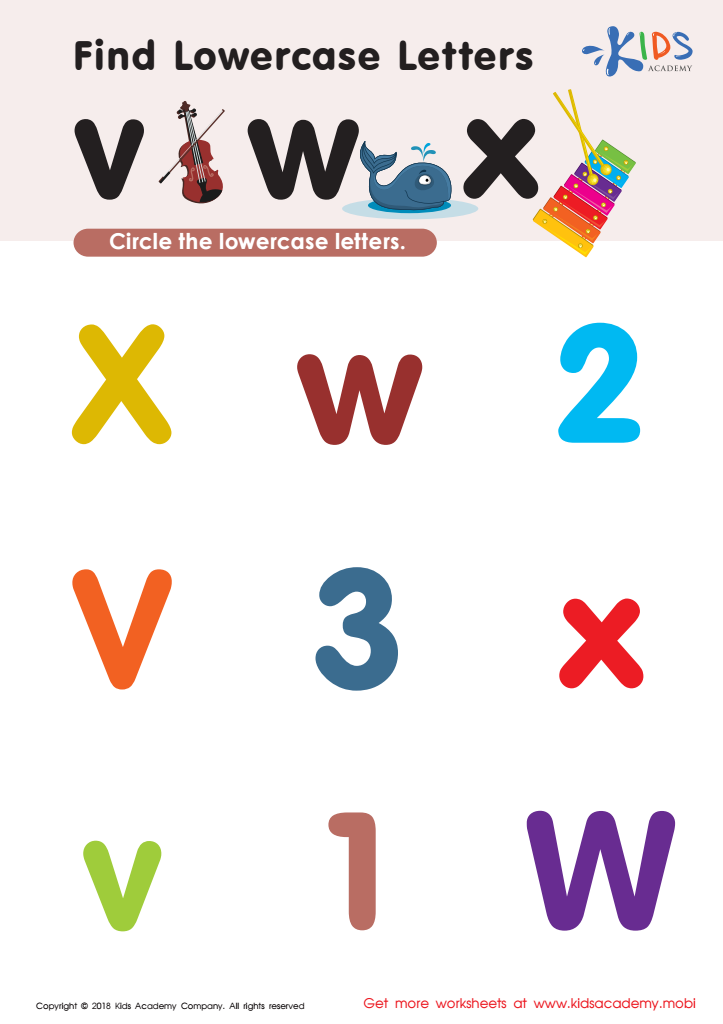
Find Lowercase Letters v w x Worksheet
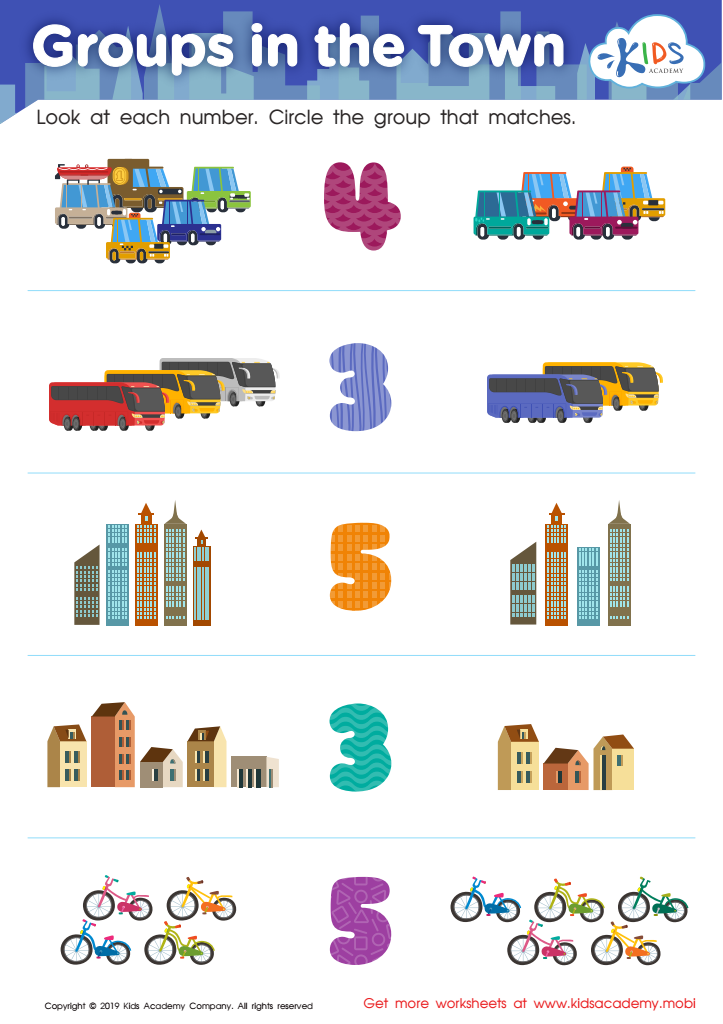
Groups in the Town Worksheet
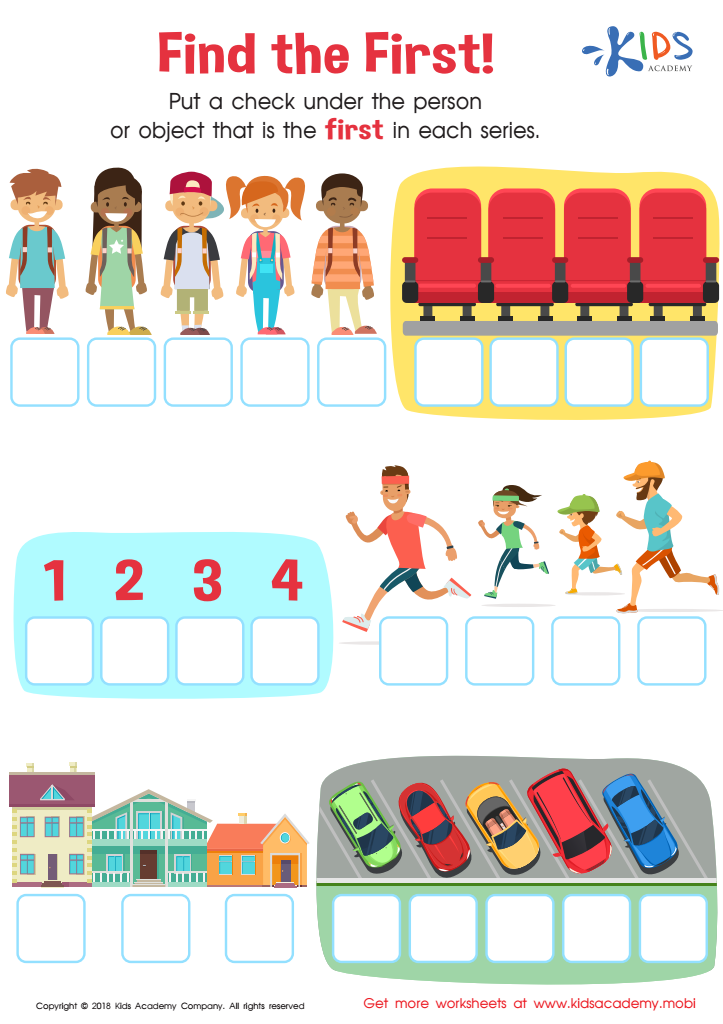
Find the First! Worksheet






Visual discrimination skills are crucial for young children, particularly between the ages of 3-5, as they form the foundation for many aspects of learning and daily life. These skills enable children to distinguish differences and similarities between objects, shapes, patterns, and letters.
Firstly, strong visual discrimination skills are integral to the development of reading abilities. Children need to identify subtle differences in letter shapes to avoid confusion between similar looking letters like 'b' and 'd' or 'p' and 'q'. This competency directly impacts their ability to read words accurately, fostering better literacy skills.
Secondly, visual discrimination is essential for mathematical learning and problem-solving. Recognizing patterns, sorting objects by size, shape, or color, and differentiating between numbers strengthens early computational skills and logical reasoning.
Additionally, strong visual discrimination impacts everyday tasks and social interactions. Being able to identify and organize objects helps children manage their personal spaces and belongings. On a social level, it enables them to read facial expressions and body language, facilitating better peer interactions and communication.
By nurturing visual discrimination skills, parents and teachers help children build a solid educational foundation and practical everyday skills, supporting their holistic development and making learning experiences more enjoyable and effective.








