Visual interpretation Worksheets for Ages 3-5
7 filtered results
-
From - To
Discover our engaging Visual Interpretation Worksheets designed specifically for children ages 3-5. These worksheets foster critical thinking and enhance visual perception skills through fun and interactive activities. Children will enjoy identifying shapes, colors, and patterns while developing their understanding of visual cues. Our resources are tailored to promote cognitive and motor skills, preparing young learners for future challenges. With easy-to-follow instructions and vibrant illustrations, each worksheet encourages creativity and imagination. Perfect for home or classroom use, these worksheets provide endless learning opportunities, ensuring your little ones gain confidence and curiosity in their visual interpretation abilities. Explore our collection and watch them thrive!
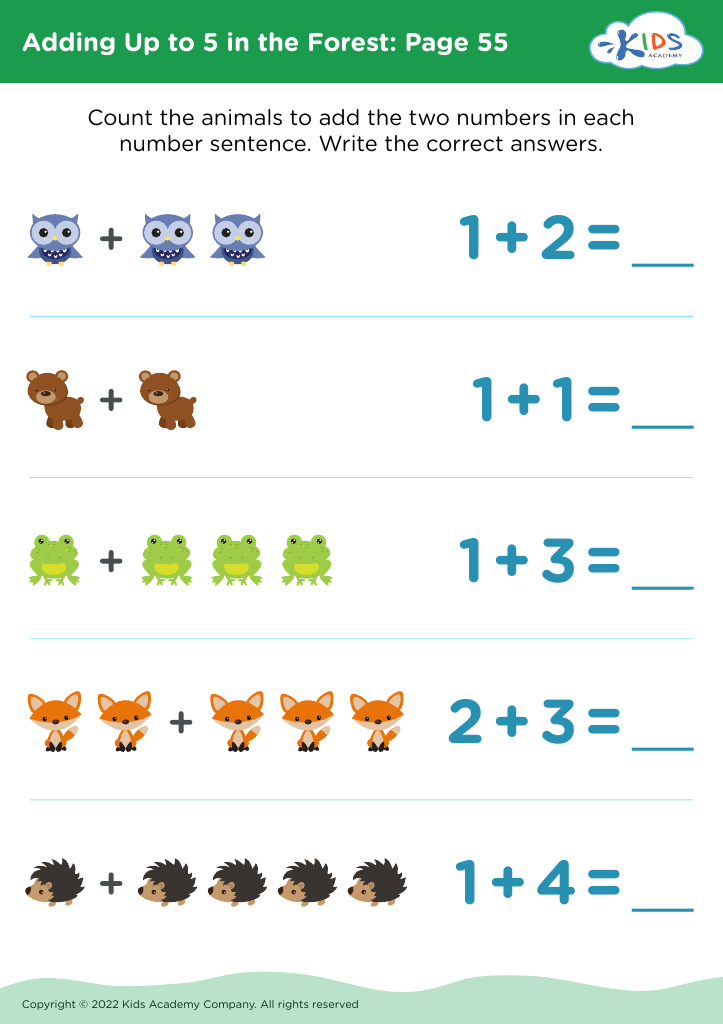
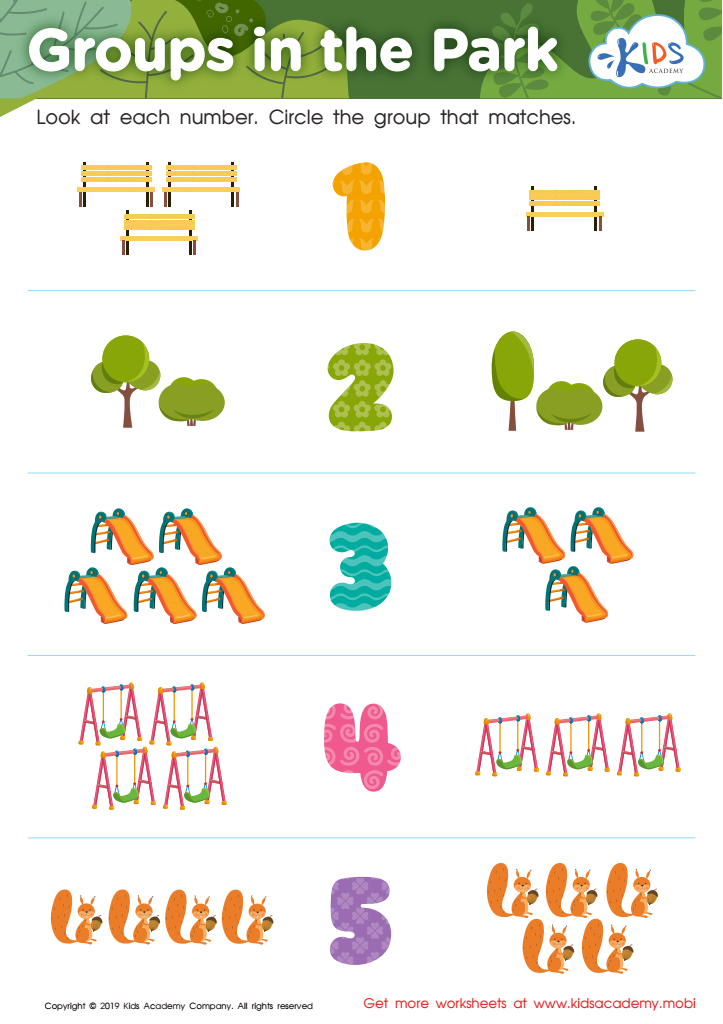
Groups in the Park Worksheet
 Assign to My Students
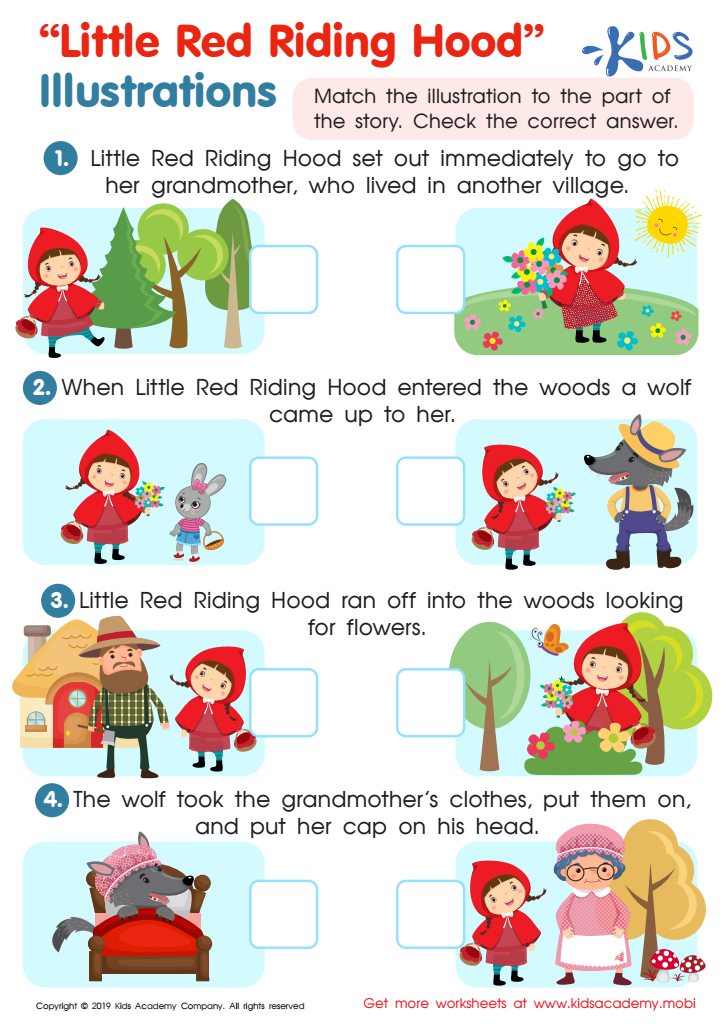
Little Red Riding Hood: Illustrations Worksheet
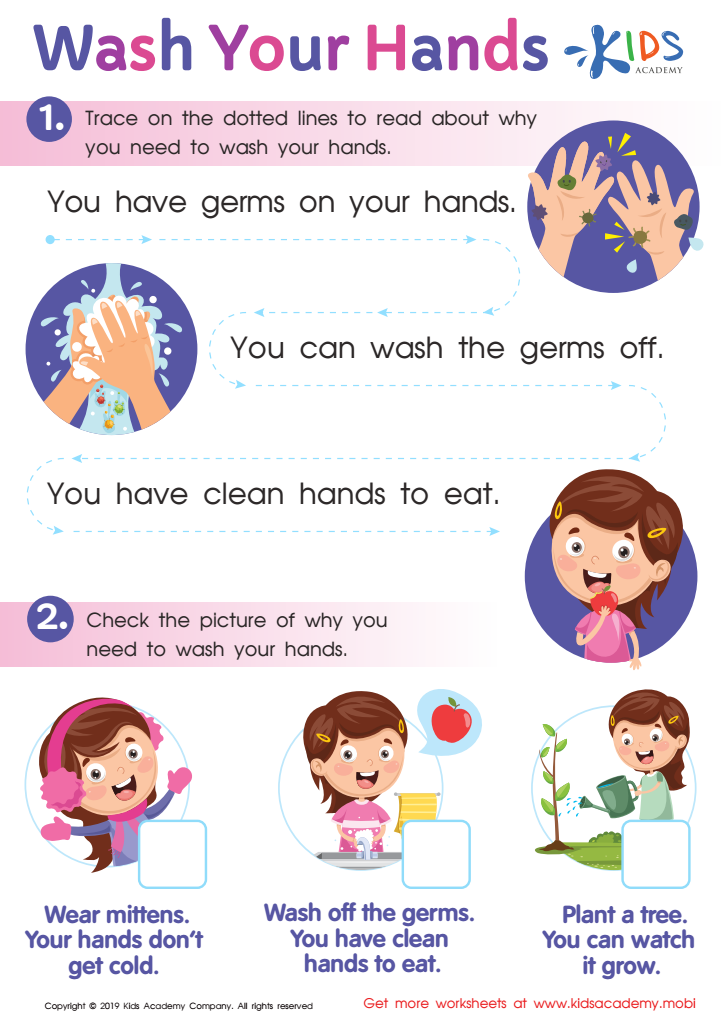
Wash Your Hands Worksheet
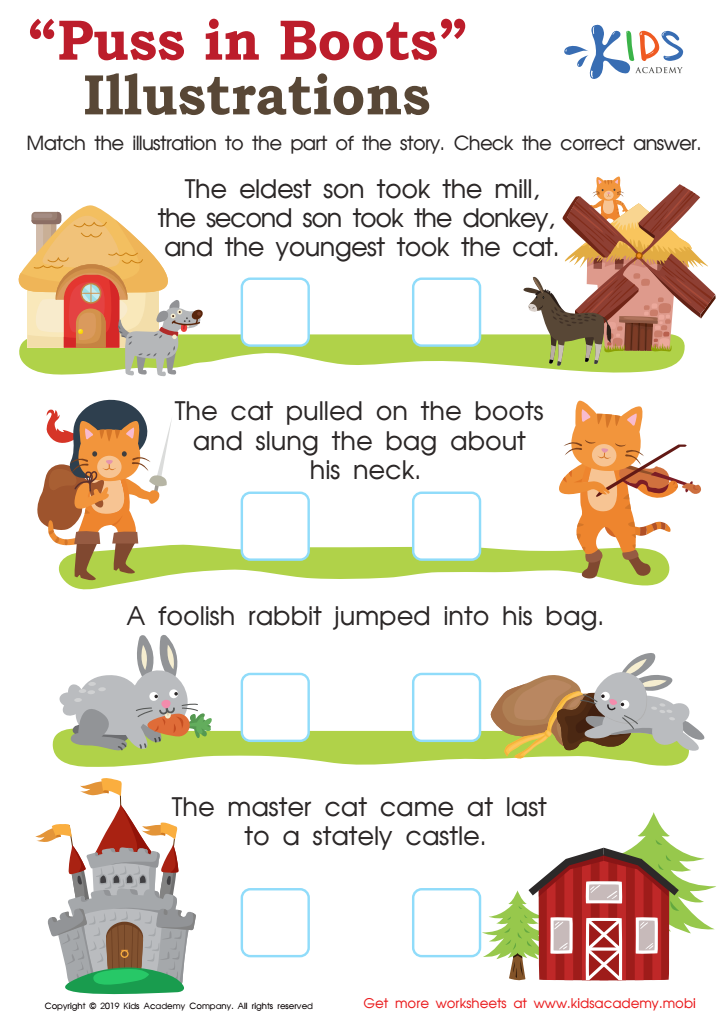
Puss in Boots Illustrations Worksheet
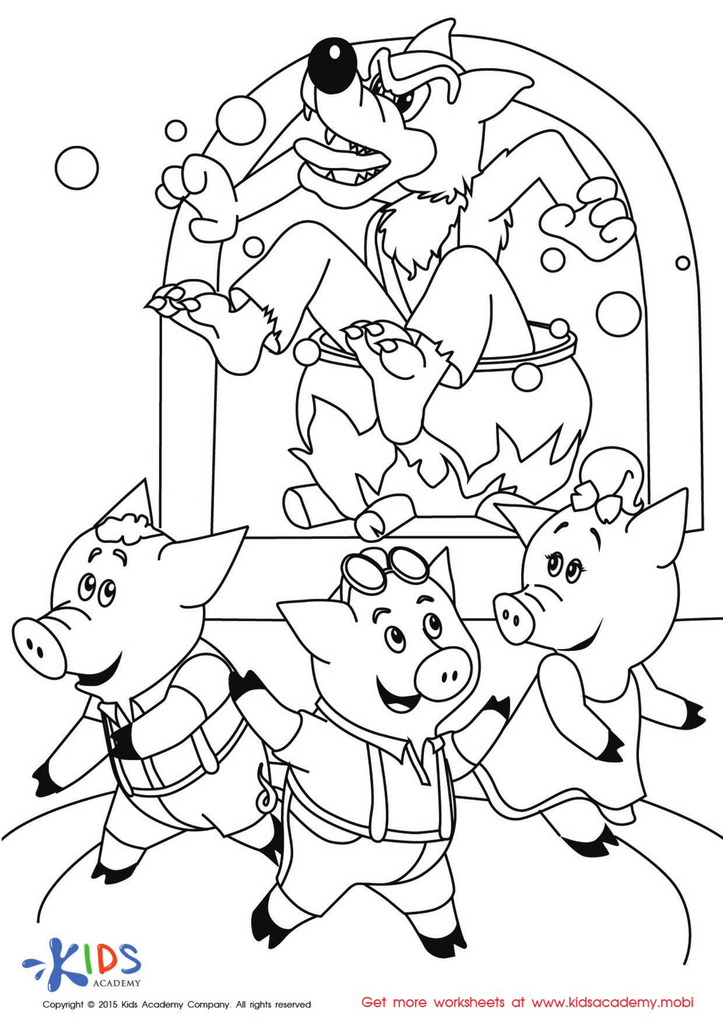
The Three Little Pigs and The Big Bad Wolf Printable







Visual interpretation is a crucial skill for children aged 3 to 5 because it lays the foundation for their cognitive development and future learning capabilities. At this stage, children are naturally curious and actively engaged in exploring the world around them. Teachers and parents should prioritize visual interpretation as it enhances children's critical thinking, problem-solving abilities, and creativity.
Engaging with visual materials—such as pictures, diagrams, and symbols—helps children learn to make connections between what they see and understand in their environment. It aids in developing language skills, as children learn to name objects, describe actions, and share their thoughts about visuals. Moreover, effective visual interpretation fosters imagination, enabling children to visualize scenarios or outcomes in their minds, which is key to artistic expression and storytelling.
Additionally, strong visual interpretation skills are essential in today’s screen-filled world, helping children navigate images in books, media, and educational platforms. Encouraging these skills from an early age can boost confidence and promote a love for learning. Ultimately, when parents and teachers emphasize visual interpretation, they empower children with the tools necessary to thrive academically, socially, and emotionally. Investing in these skills today paves the way for more rounded, capable learners in the future.








