Visual recognition Worksheets for Ages 3-5
6 filtered results
-
From - To
Enhance your child’s visual recognition skills with our engaging worksheets designed specifically for ages 3-5! These vibrant and interactive activities encourage young learners to identify, compare, and match objects, colors, and shapes, fostering a strong foundation for their cognitive development. Each worksheet is thoughtfully created to be fun and educational, capturing the interest of early learners while promoting essential skills such as focus, attention to detail, and critical thinking. Perfect for classrooms or at-home learning, our visual recognition worksheets provide a variety of exercises that make learning enjoyable. Explore our collection today to empower your child's learning journey!
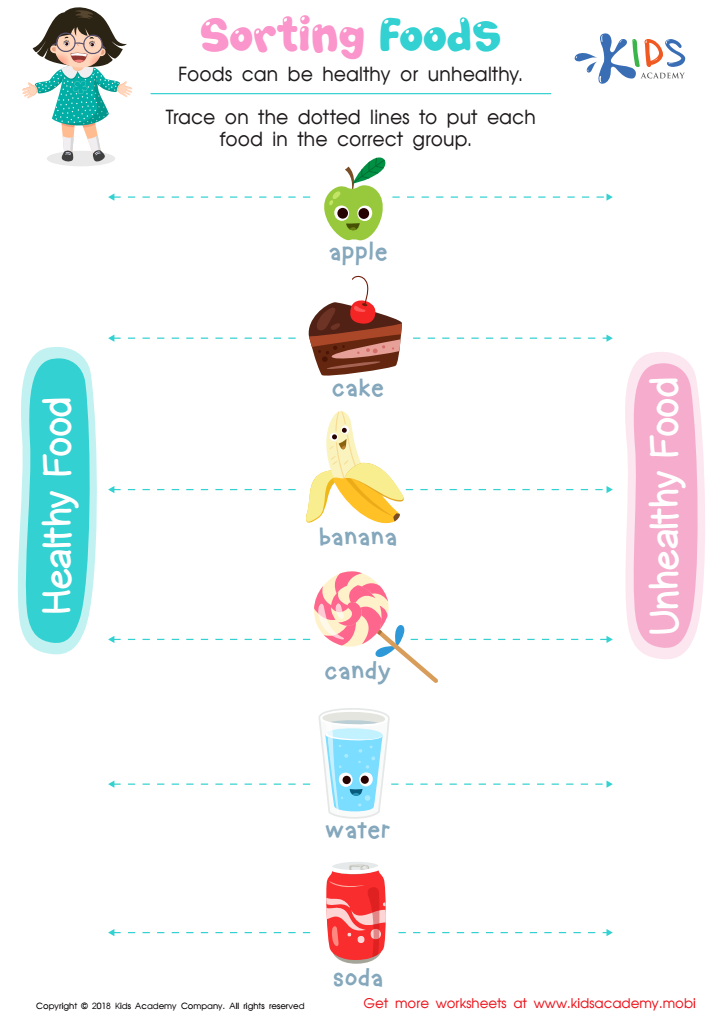
Sorting Food Worksheet
 Assign to My Students
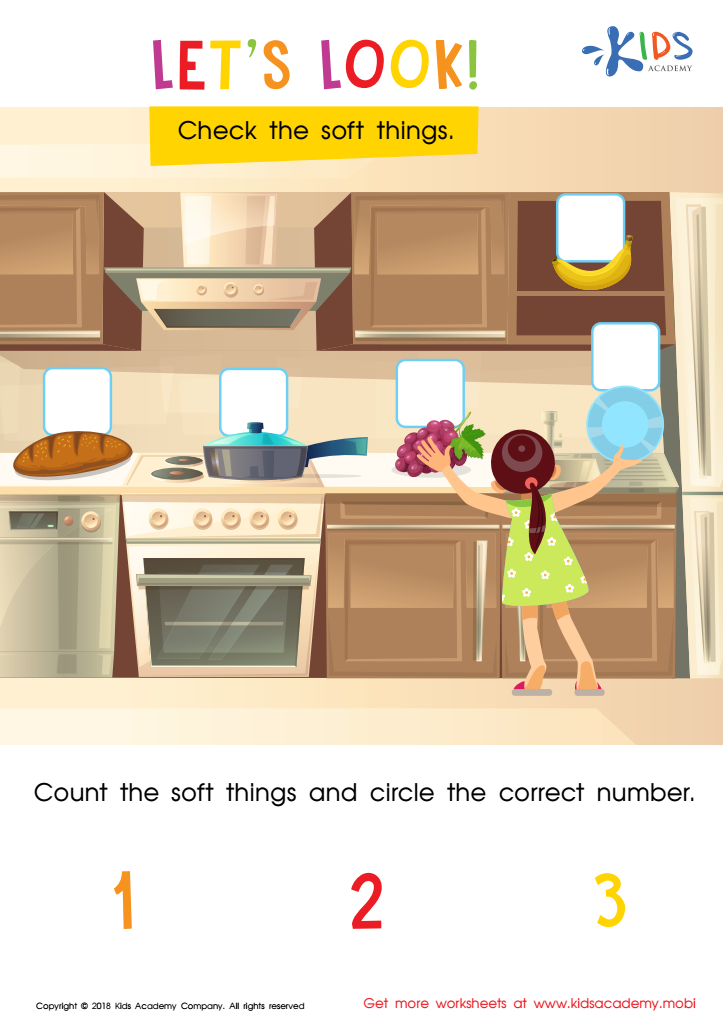
Let's Look! Assessment Worksheet
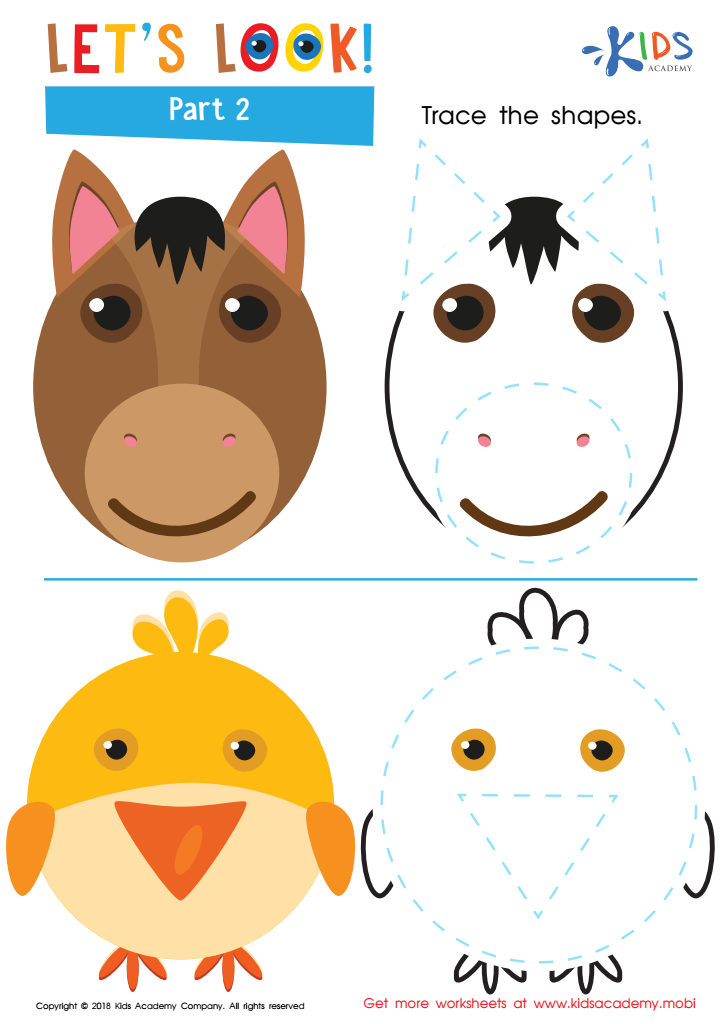
Let's Look! Part 2 Worksheet
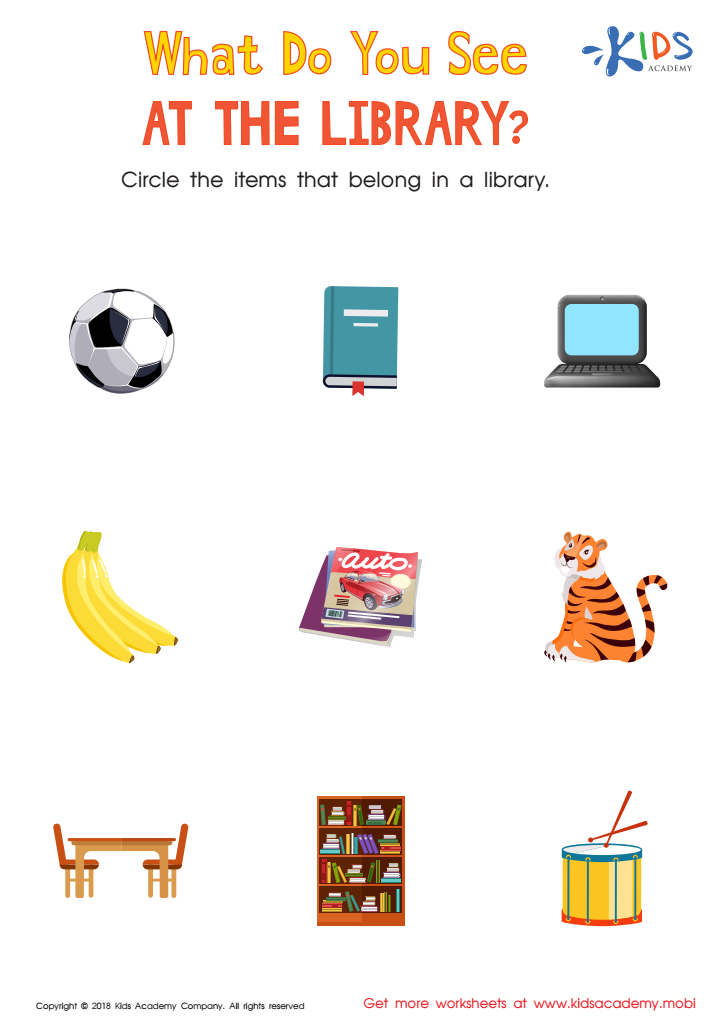
What Do you See at the Library? Worksheet
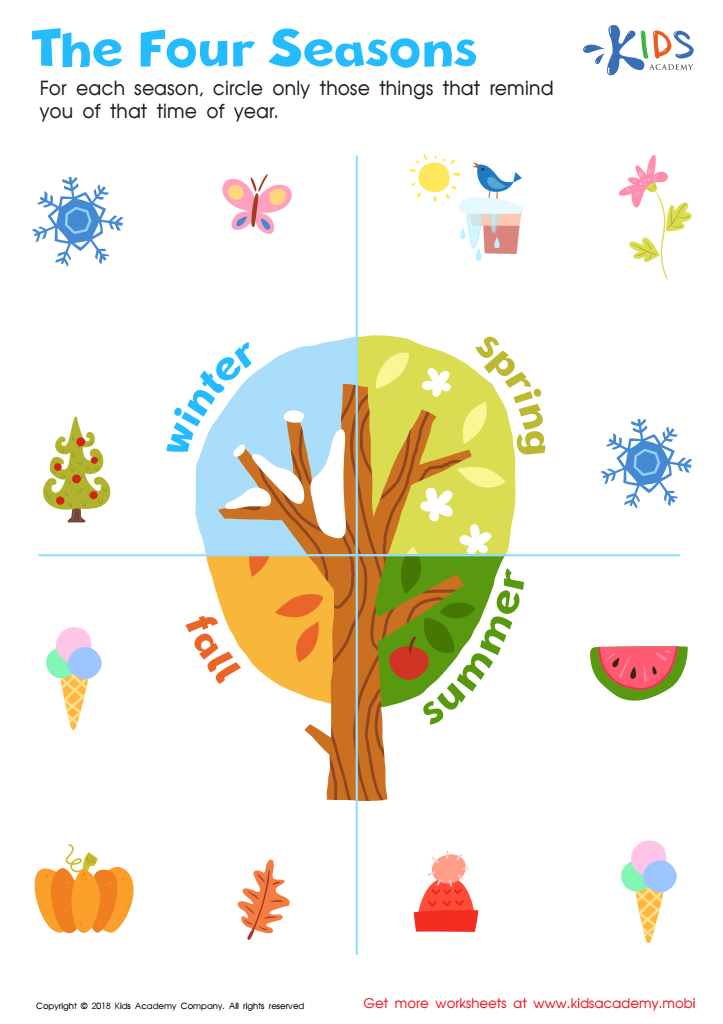
The Four Seasons Worksheet
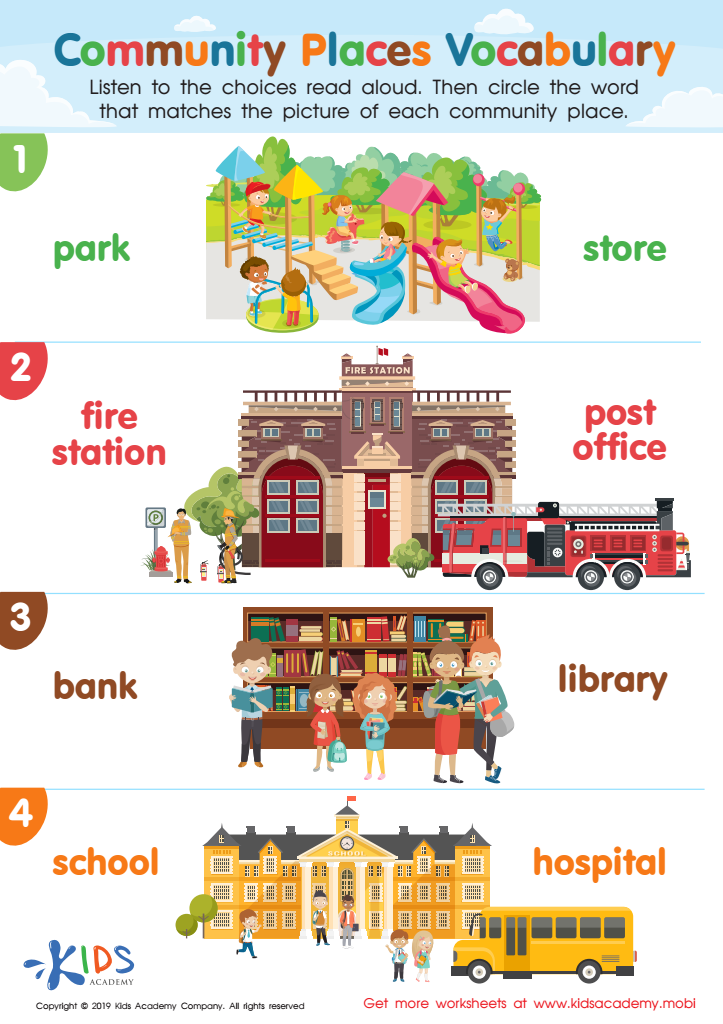
Community Places Vocabulary Worksheet



.jpg)




Visual recognition is a crucial skill for children aged 3-5, as it lays the foundation for various areas of learning and development. During these formative years, children are like sponges, absorbing information from their surroundings. Visual recognition helps young children identify and differentiate between shapes, colors, letters, and everyday objects, which enhances their cognitive development.
For parents and teachers, nurturing this skill is essential because it directly impacts reading readiness and early literacy. By recognizing letters and words, children can progress towards reading and writing, ultimately supporting their communication skills. Moreover, visual recognition fosters problem-solving abilities as children learn to analyze their environment and make connections.
Additionally, strong visual recognition aids in social interaction. By recognizing faces and expressions, children can better understand social cues and build relationships with peers. This is vital for emotional and social development, which is equally as important as academic growth.
In summary, by emphasizing visual recognition, parents and teachers provide children with the tools they need for success in school and life. Investing time in activities that enhance these skills can significantly enrich a child's educational journey.








