Enhance your child's early literacy skills with our engaging word identification worksheets designed for ages 3-5! These interactive printables introduce young learners to essential vocabulary, helping them recognize and understand key words as they begin their reading journey. Each worksheet features colorful illustrations and simple activities that make learning fun and effective. From matching words to pictures to identifying letters, these resources promote language development and confidence in word recognition. Perfect for homeschooling or classroom use, our worksheets set the stage for lifelong reading success. Explore our collection today and support your child's love for learning!

Check out this FREE "Word identification" Trial Lesson for age 3-5!

Schools

Favorites
With answer key
Interactive
  • 3-5
  • Word identification
Phonics for Kids | Long Vowel Sound A | PDF Worksheet 1

Long Vowel Sound A Worksheet

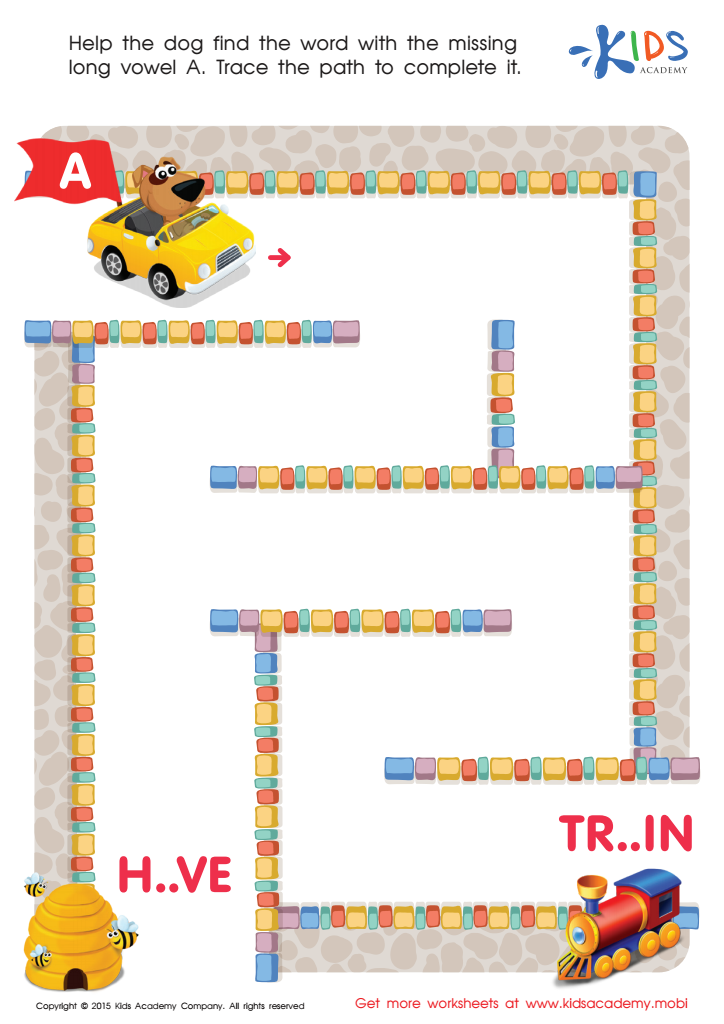
Teach your young learner about the long vowel A with this colorful free printable phonics worksheet. The long vowel A says its name while the short vowel A does not. Complete the worksheet by tracing the root to the toy train and helping the dog by filling in the missing letter A. Have them practice writing and spelling with phonics while having fun!
Long Vowel Sound A Worksheet
Worksheet
Identify Individual Words Worksheet

Identify Individual Words Worksheet

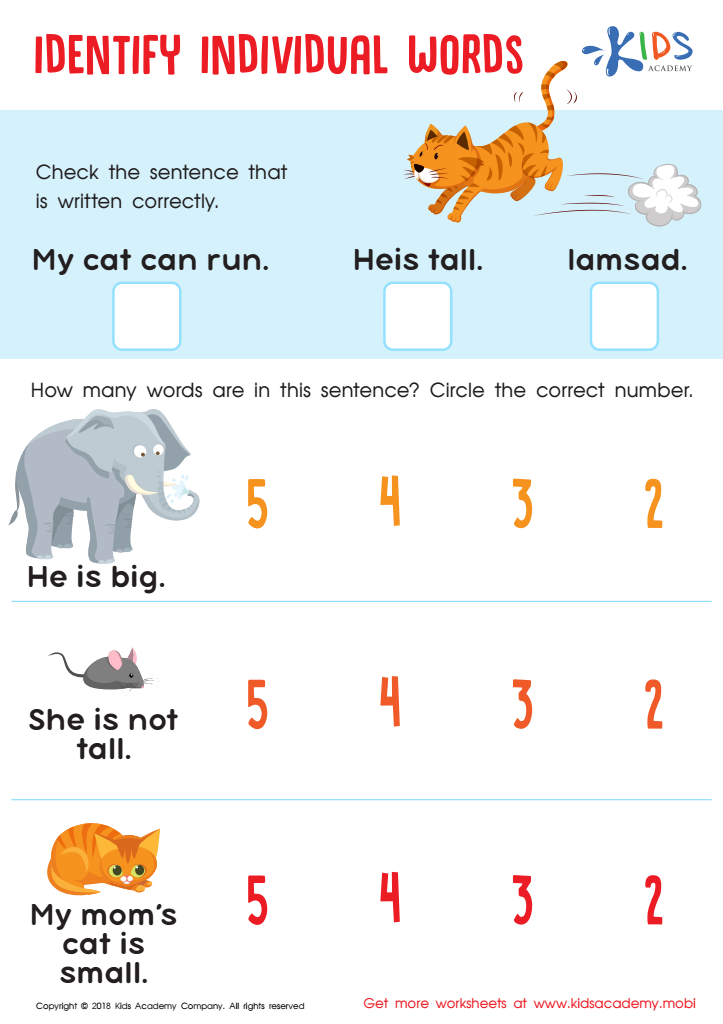
Does your child have trouble constructing sentences? Check out this worksheet! It will help them identify words that make up sentences and assess how well they can read and answer questions. The first part tests how well they can recognize a written sentence. The second part has them read questions and circle the correct number of words. Give it a try!
Identify Individual Words Worksheet
Worksheet
What Do you See at School? Worksheet

What Do you See at School? Worksheet

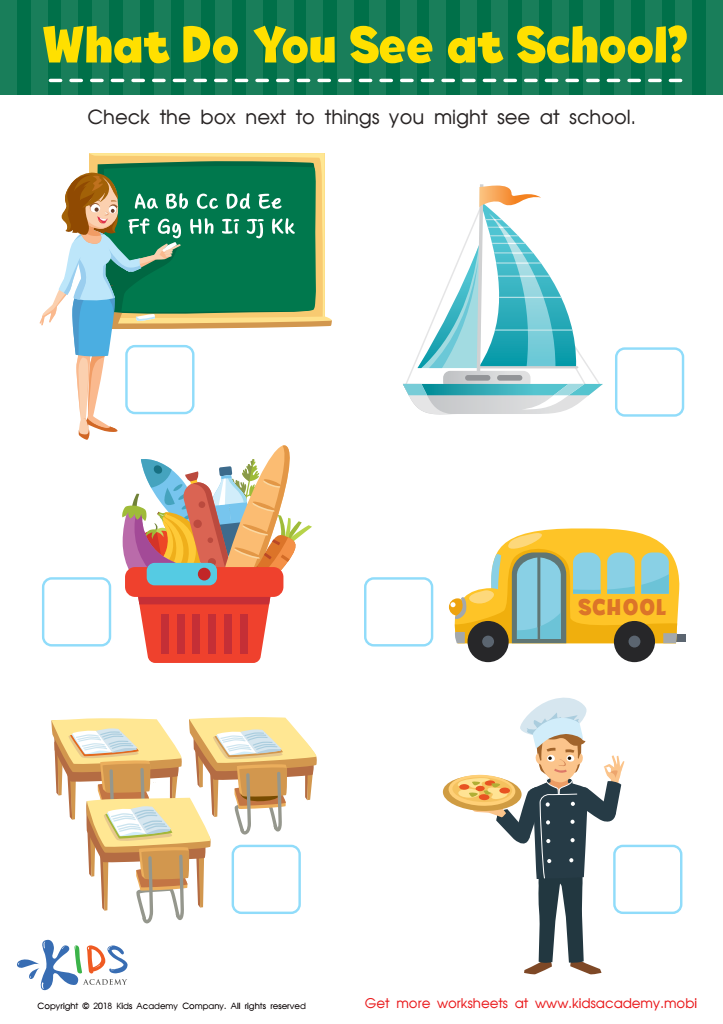
Have your kids give you a list of things they see at school. Then, view the worksheet together. Ask them to check the boxes next to the school items. Look for objects that can be found at school and those that don't belong. This is a great way to check their knowledge of what they see at school daily, except on weekends and holidays.
What Do you See at School? Worksheet
Worksheet
Phonics for Kids | Short Vowel Sound E | PDF Worksheet 1

Short Vowel Sound E Worksheet

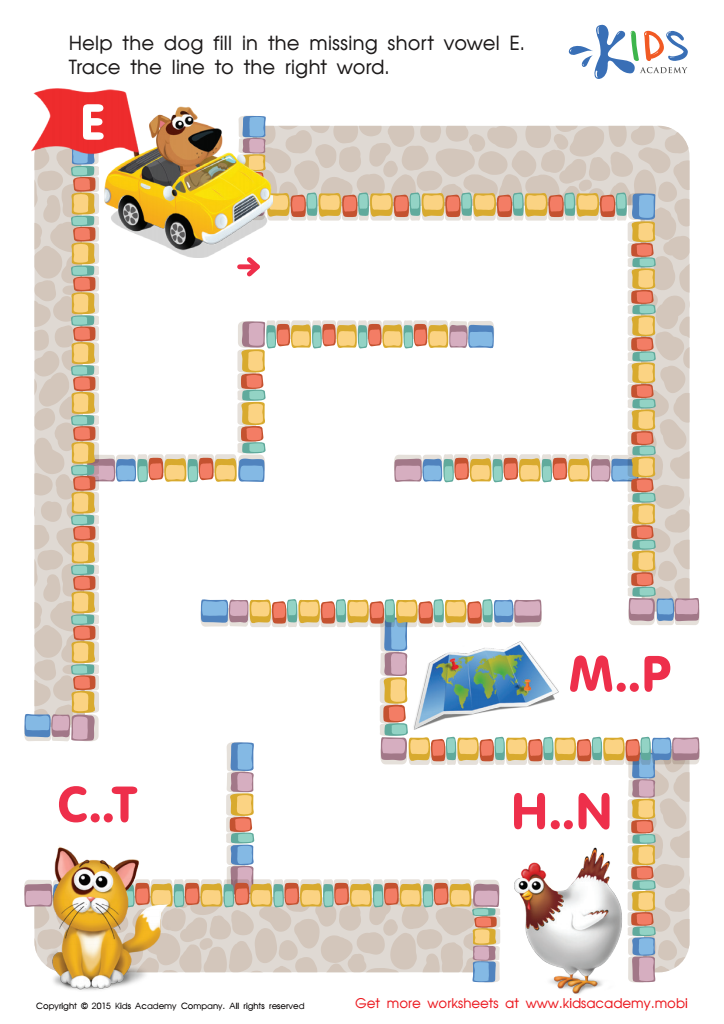
This free printable phonics worksheet helps kids learn the short vowel sound E. Kids need to help the dog complete the word “hen” by finding their way through a maze. It teaches kids to see the connection between letters and sounds and also strengthens their writing and spelling skills. Fun and educational, this phonics worksheet is great for kids. Want more? Check out here.
Short Vowel Sound E Worksheet
Worksheet
Phonics and Word Recognition: Assessment 1 ELA Worksheet


Phonics and Word Recognition: Assessment 1 ELA Worksheet

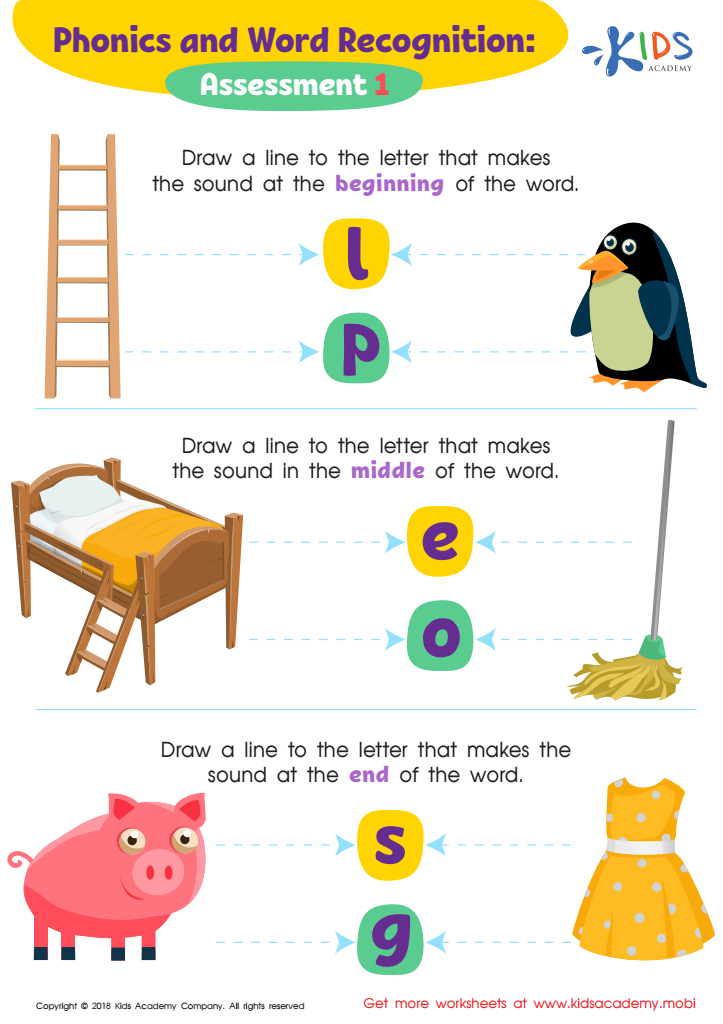
This fun worksheet tests your child's sound recognition skills for each part of a word. Ask your child to name each image and trace the line to match it with the corresponding letter. Listen for beginning sounds on 1st, middle sounds on 2nd, and ending sounds on 3rd. Encourage learning with this colorful and interactive activity!
Phonics and Word Recognition: Assessment 1 ELA Worksheet

Worksheet


Word identification is a crucial skill for children aged 3-5 as it lays the foundation for literacy development. At this stage, children are beginning to understand that words carry meaning and that they can be broken down into sounds. By focusing on word identification, parents and teachers help children develop phonemic awareness, which involves recognizing and manipulating individual sounds in words. This skill is essential for effective reading and writing later on.

Additionally, early word identification supports vocabulary expansion. When children can recognize and identify words, they are more likely to engage in conversations and read more, leading to richer language experiences. It fosters comprehension skills, enabling children to understand and enjoy stories, and cultivate a love for reading.

Moreover, skillful word identification promotes self-confidence. As children learn to identify words, they gain assurance in their abilities, motivating them to take on new challenges in learning. For educators and caregivers, nurturing this skill in the early years creates a supportive environment facilitating literacy growth, ultimately preparing children for academic success and lifelong learning. Therefore, investing time in word identification can significantly impact a child's educational journey and future opportunities.