Animal recognition Adding at the Zoo Worksheets for Ages 3-5
43 filtered results
-
From - To
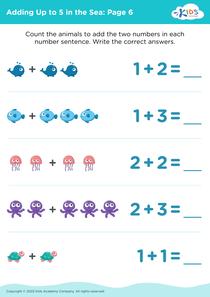
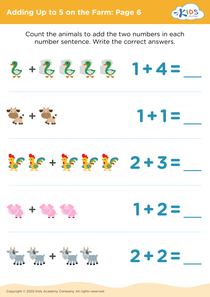
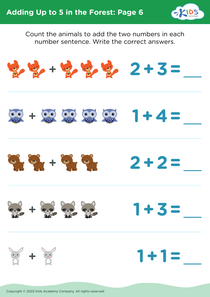
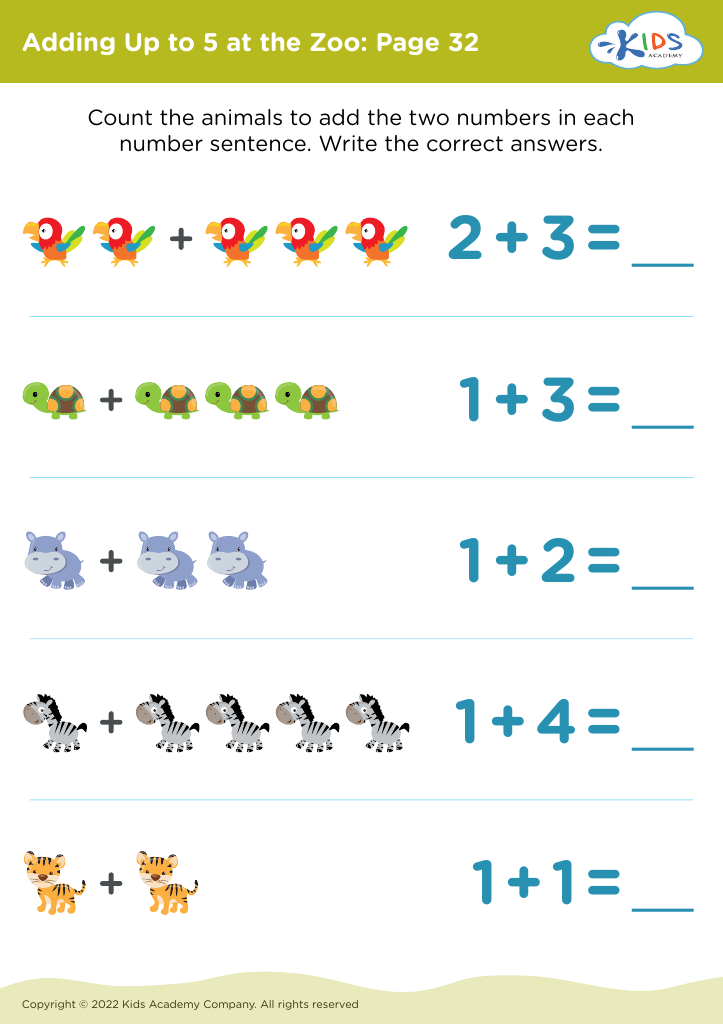
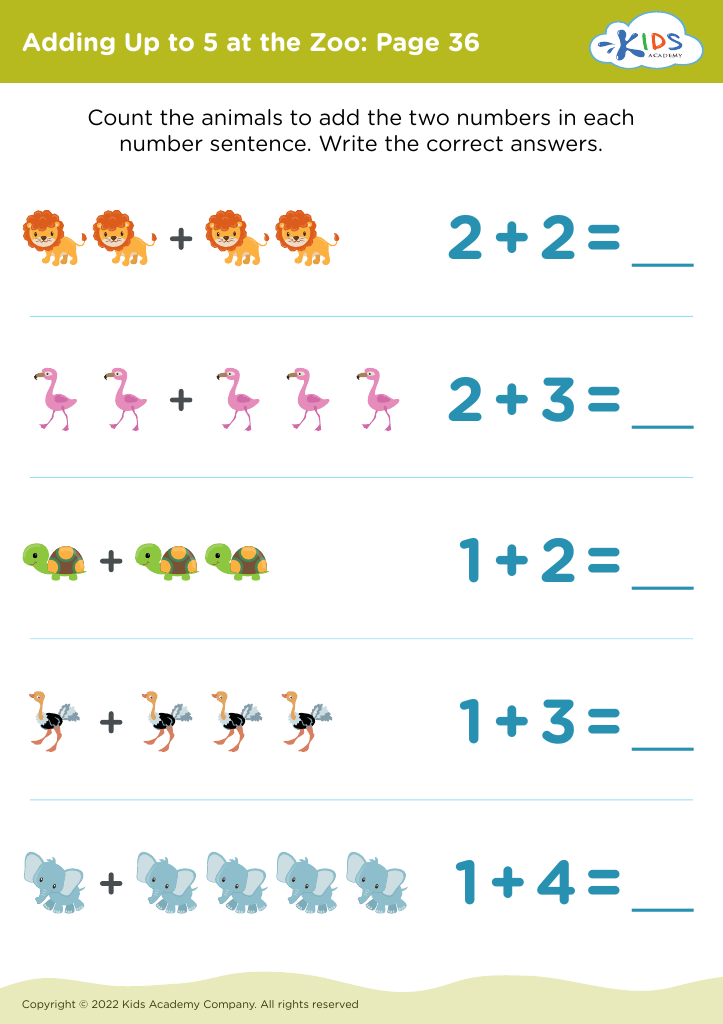
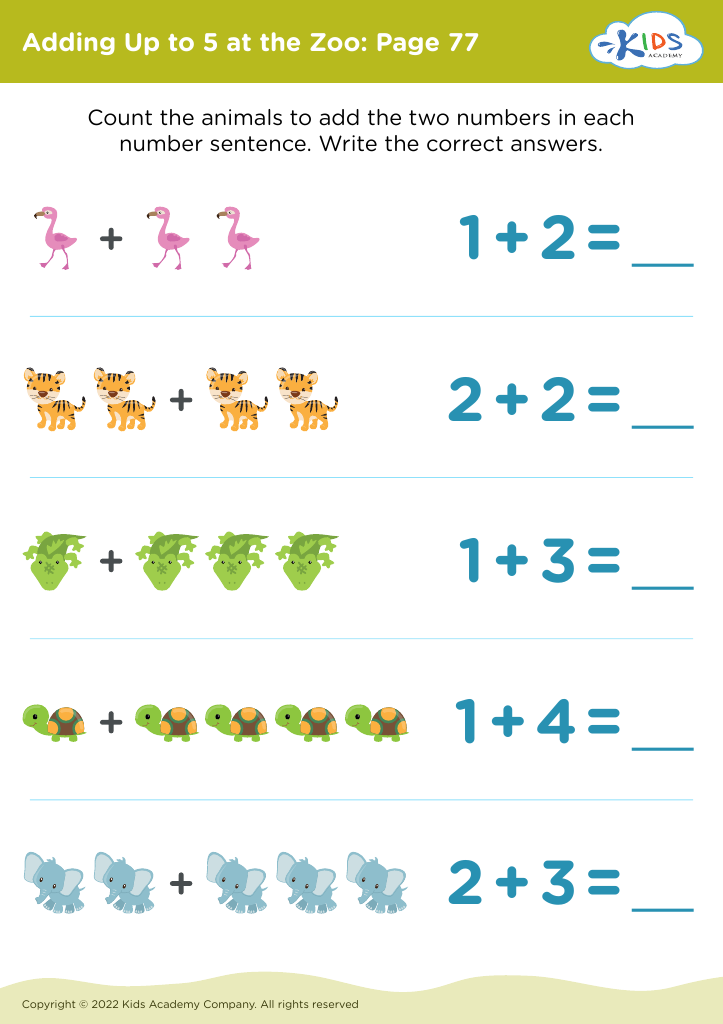
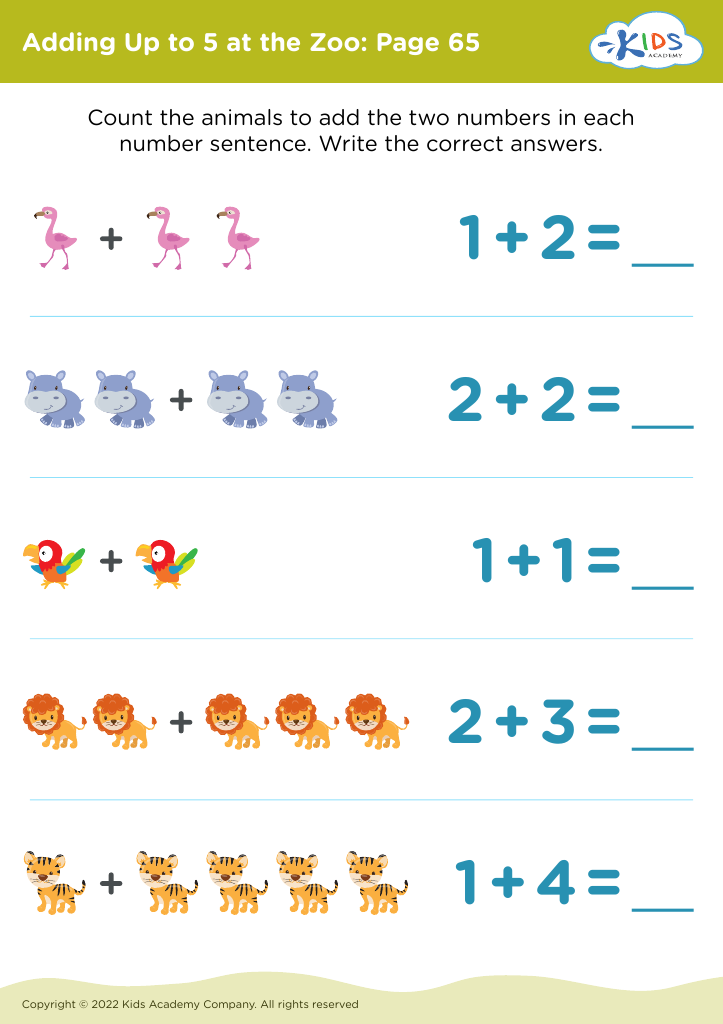
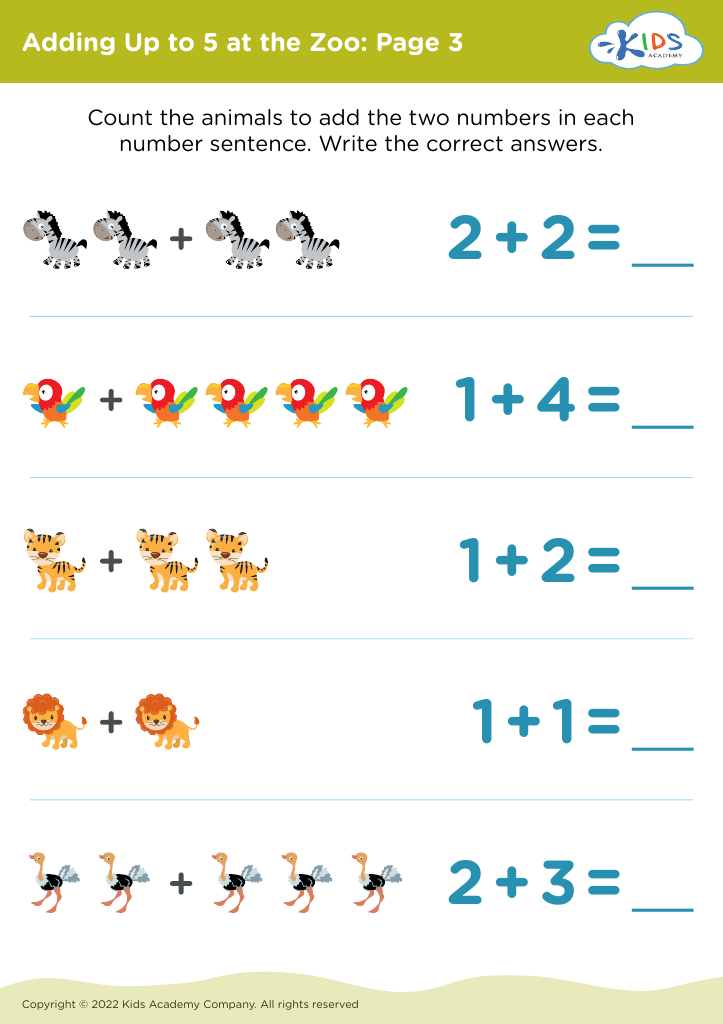
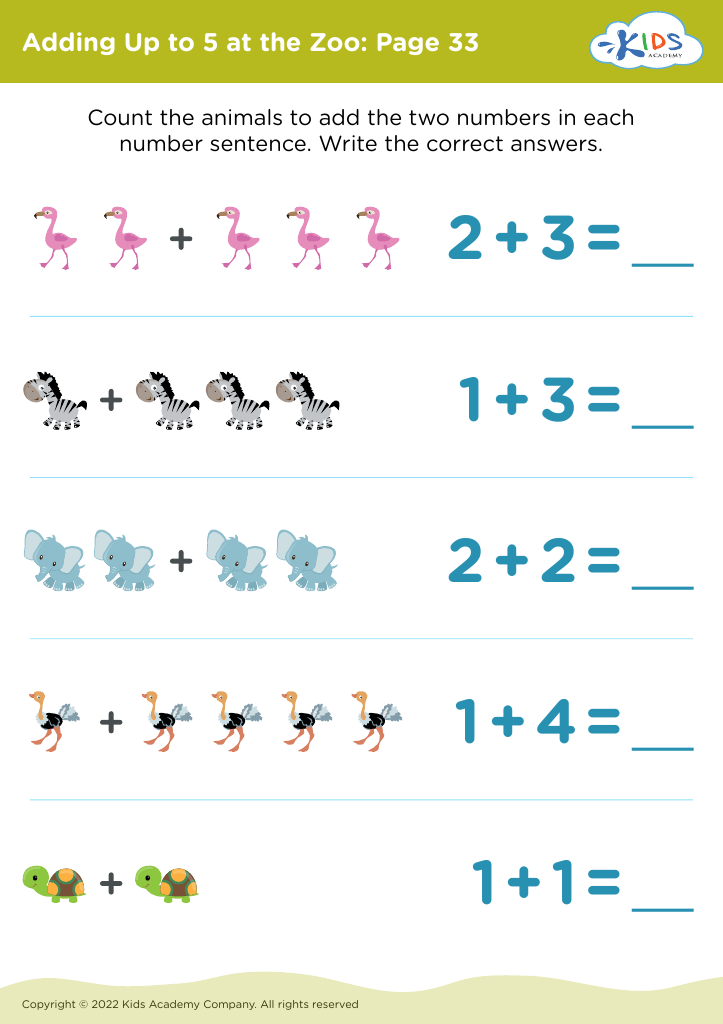
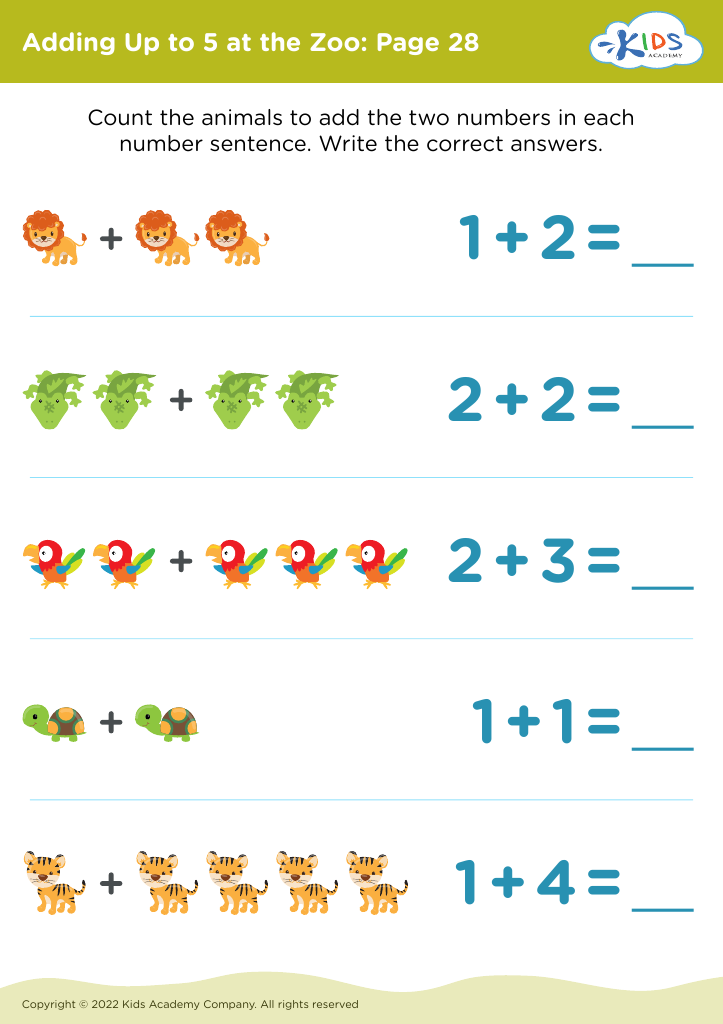
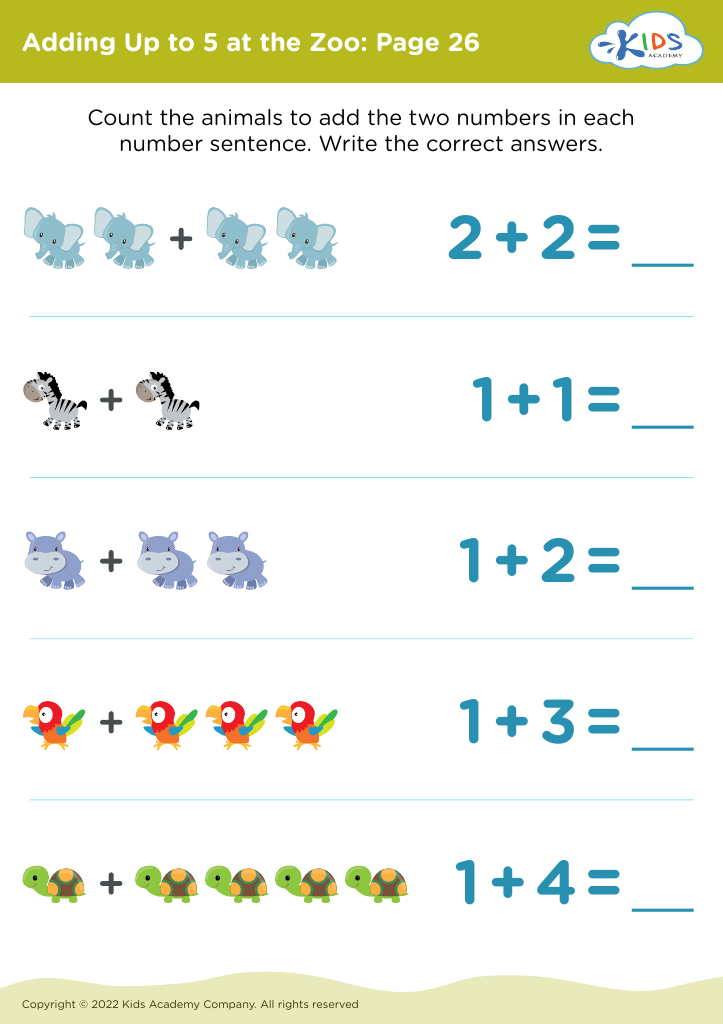
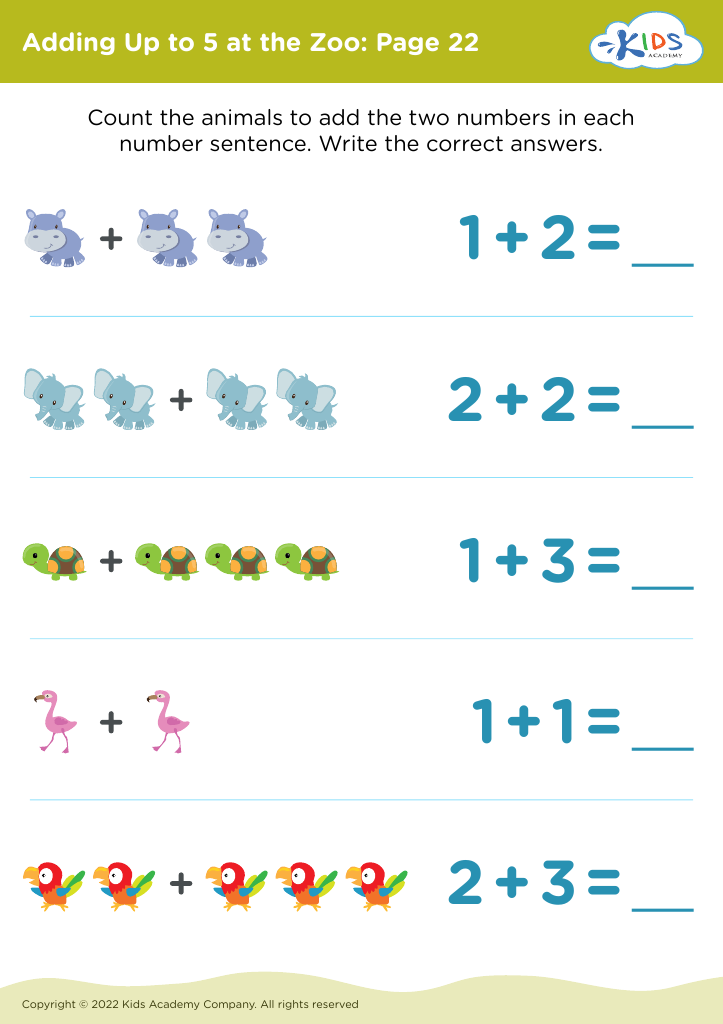
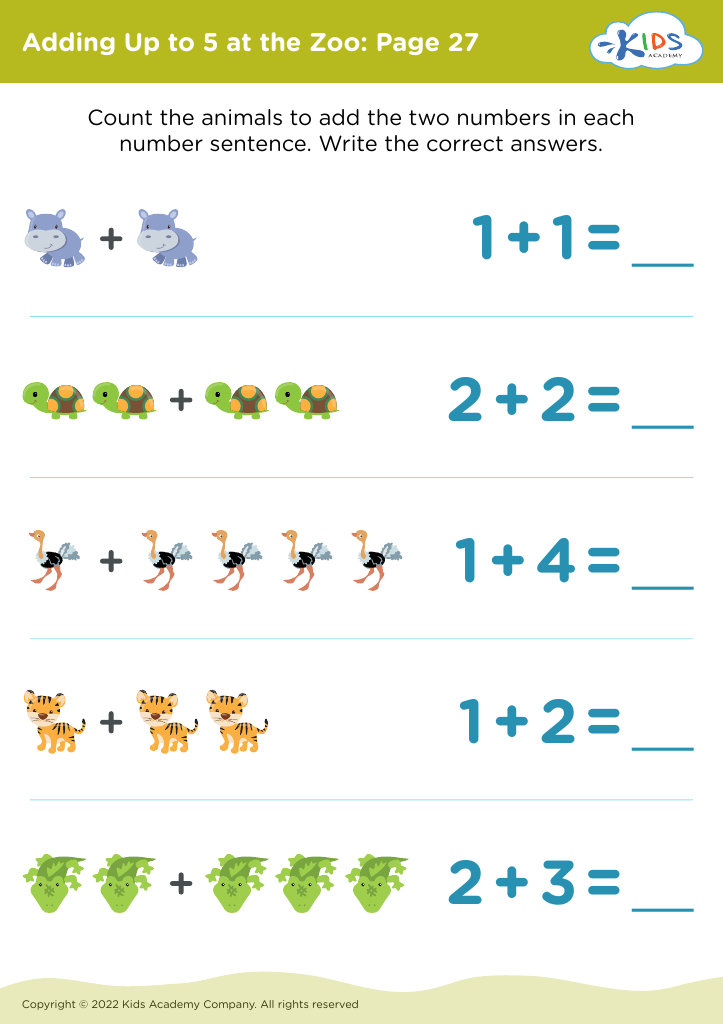
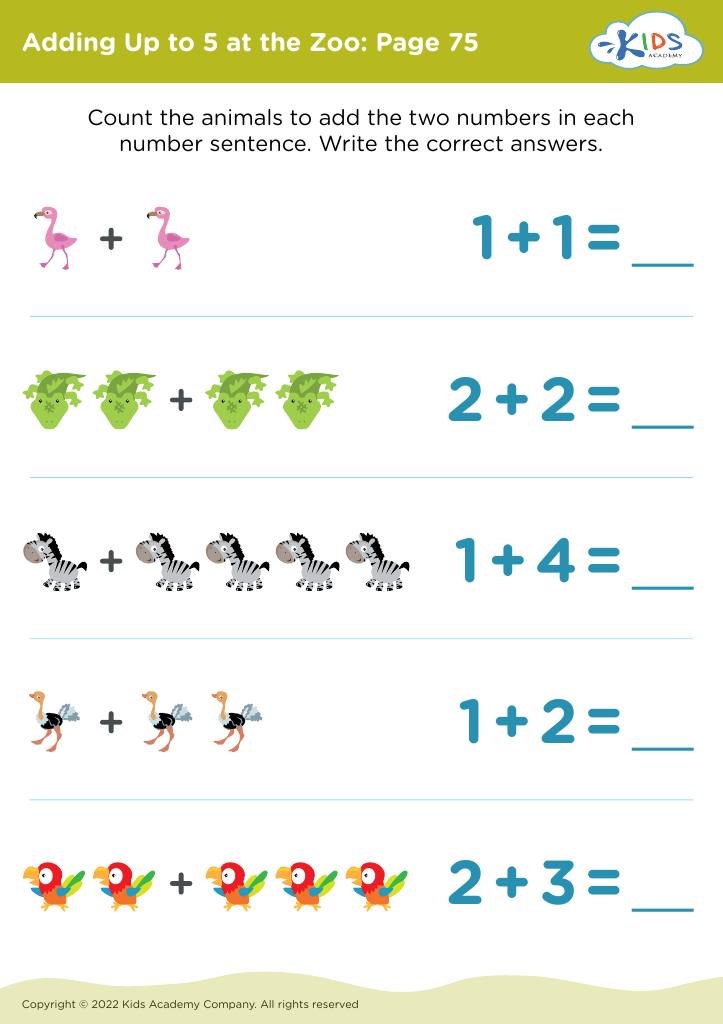
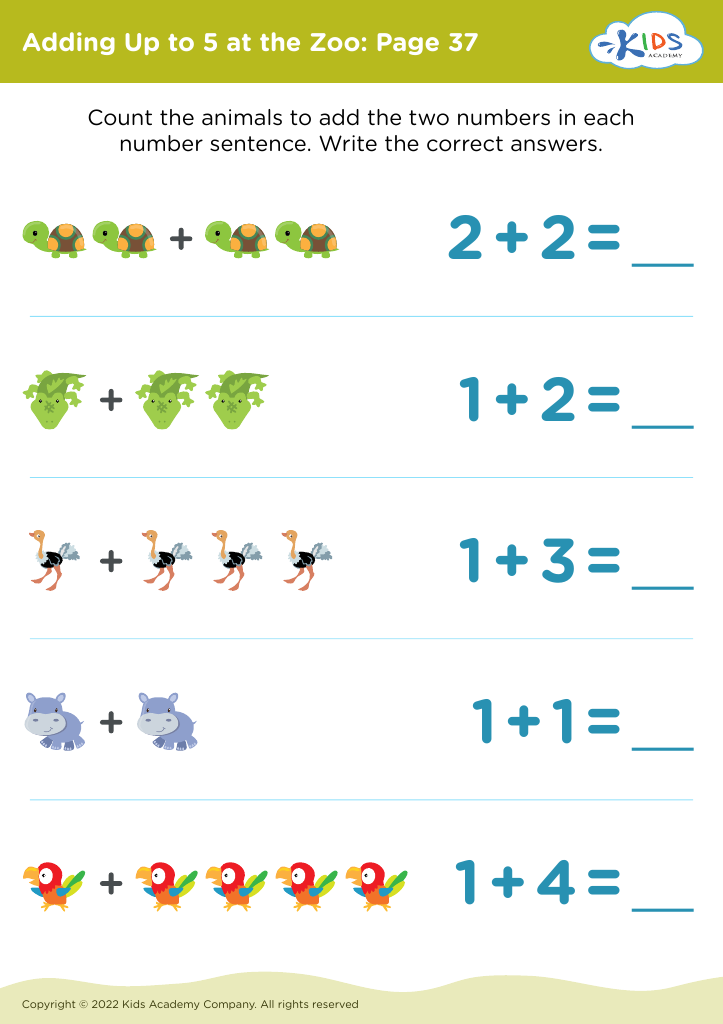
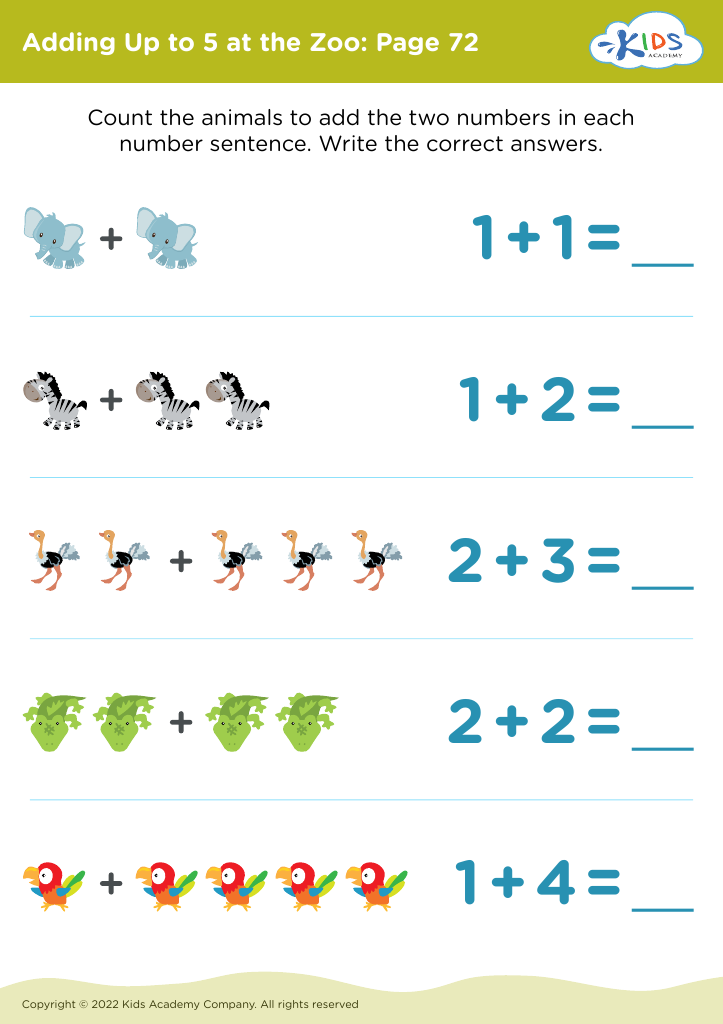
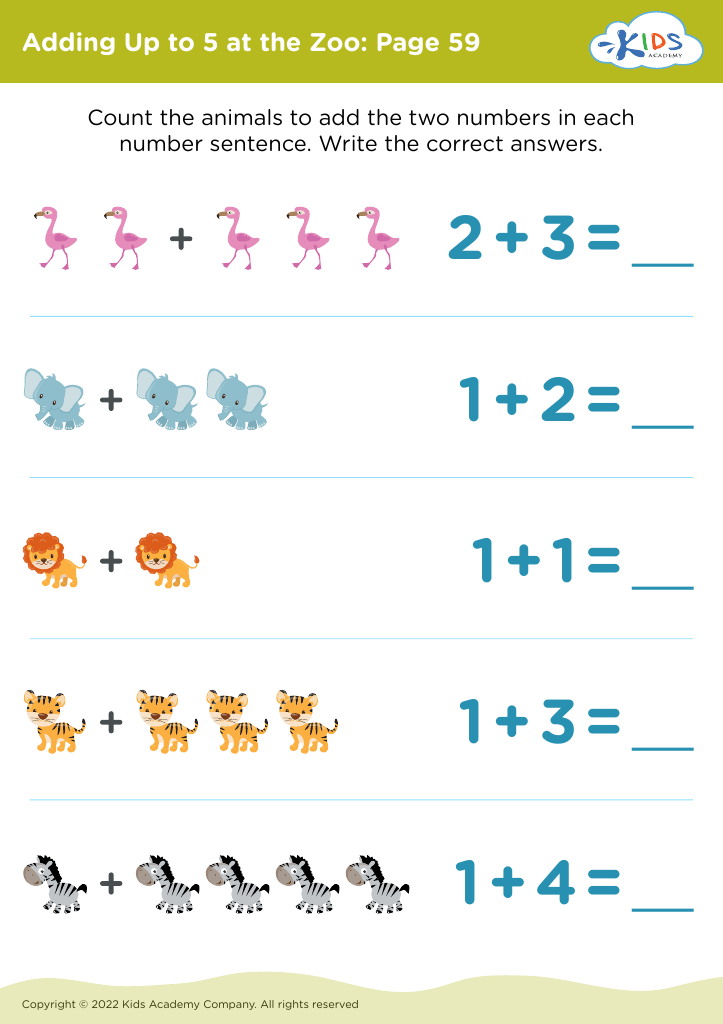
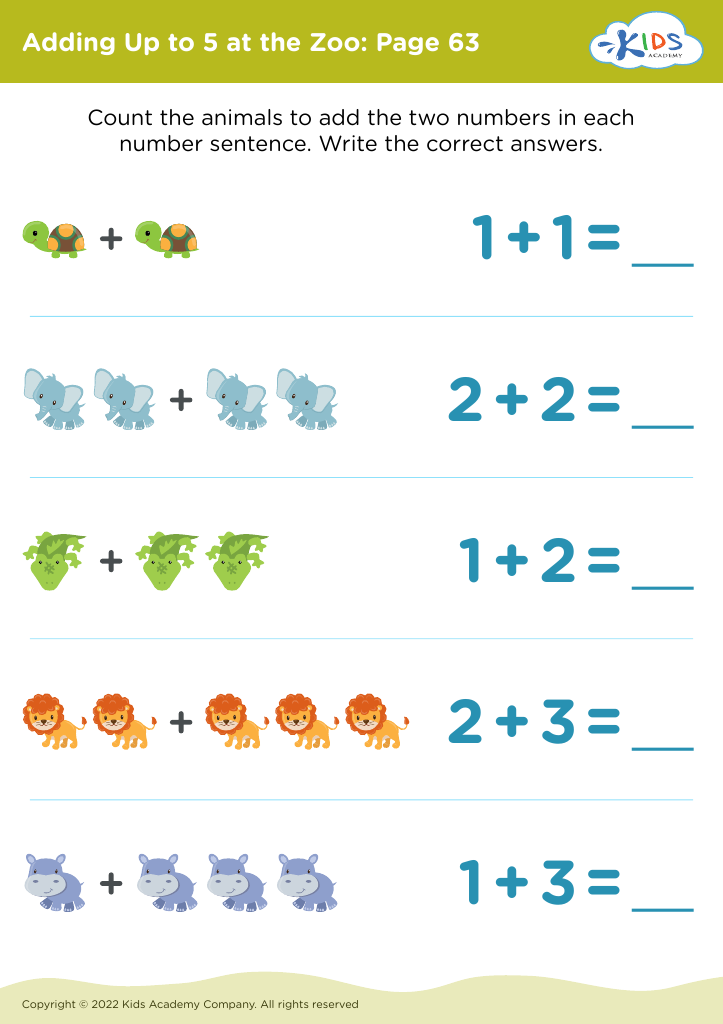
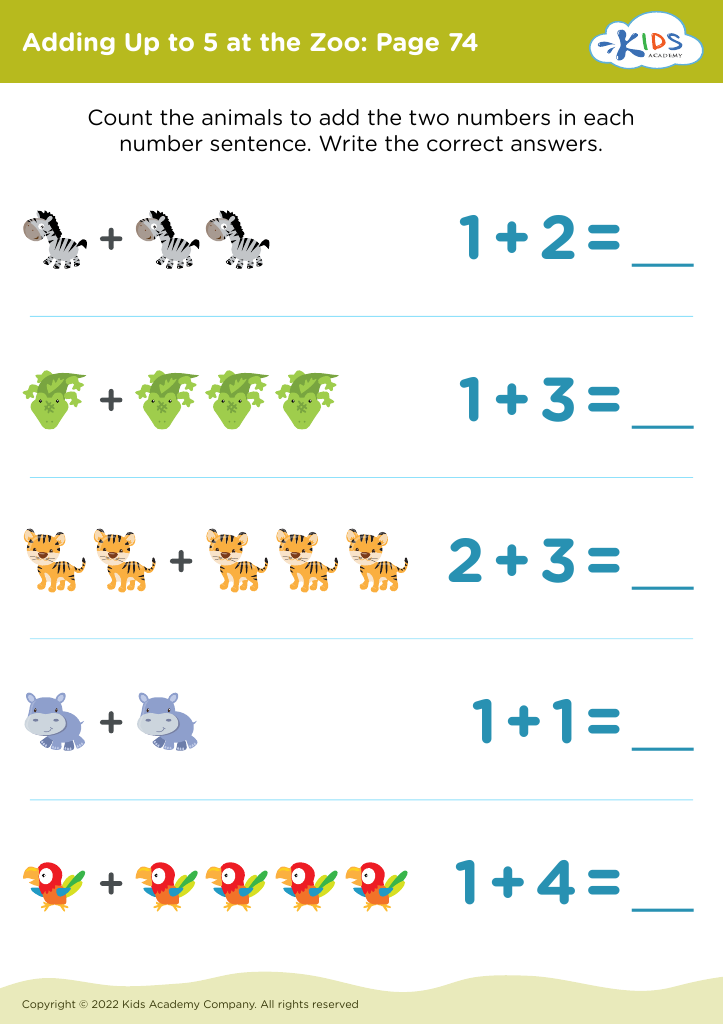
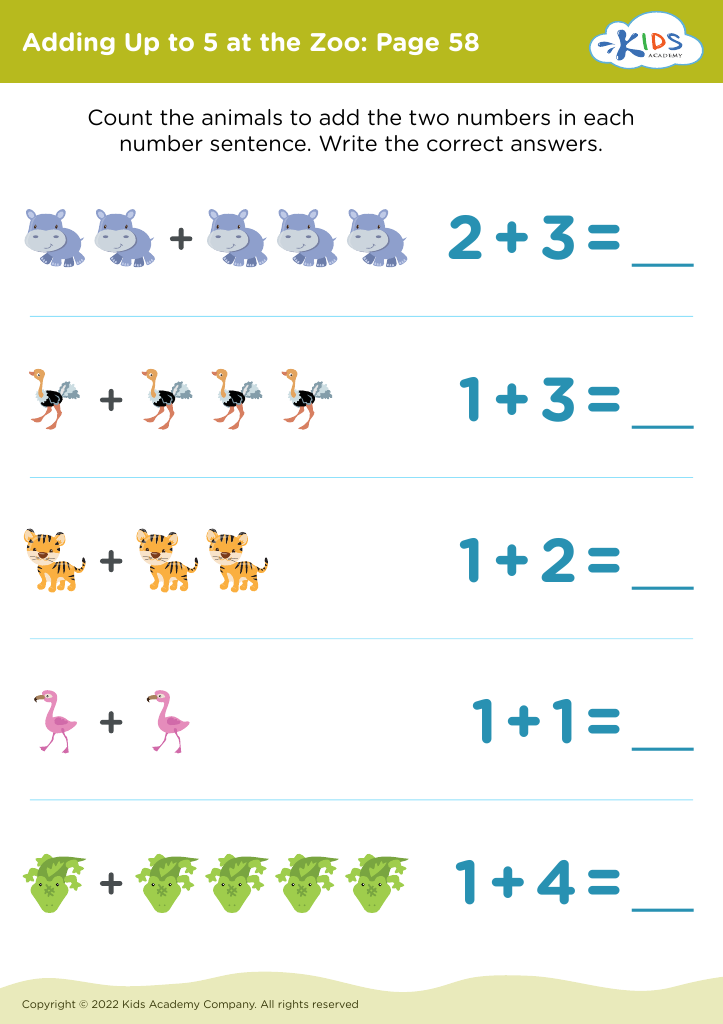
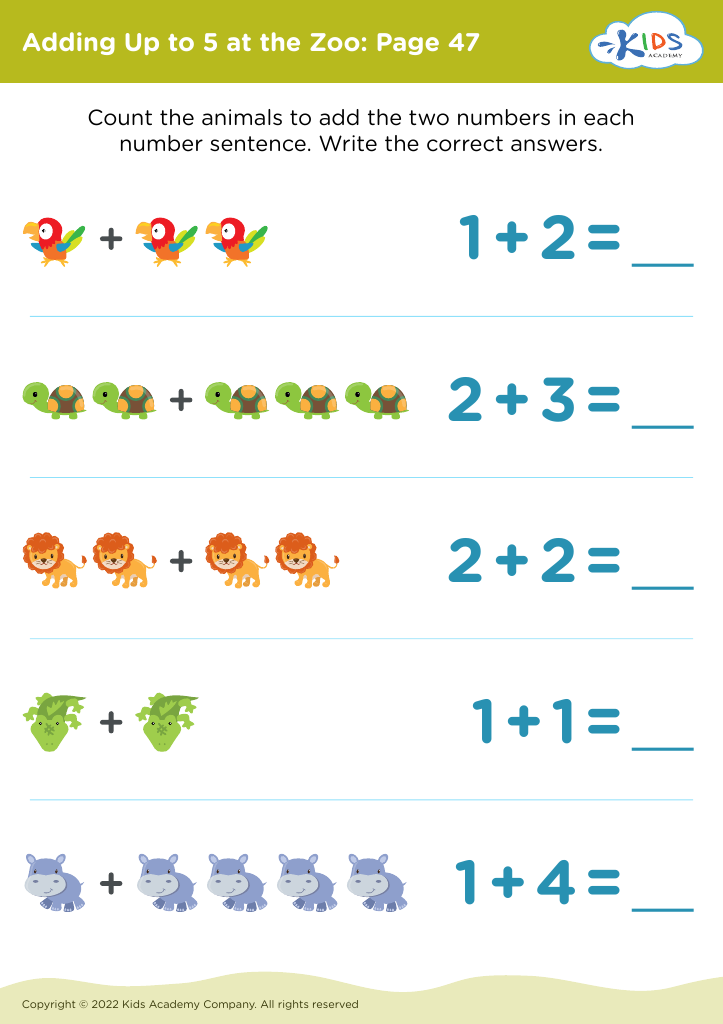
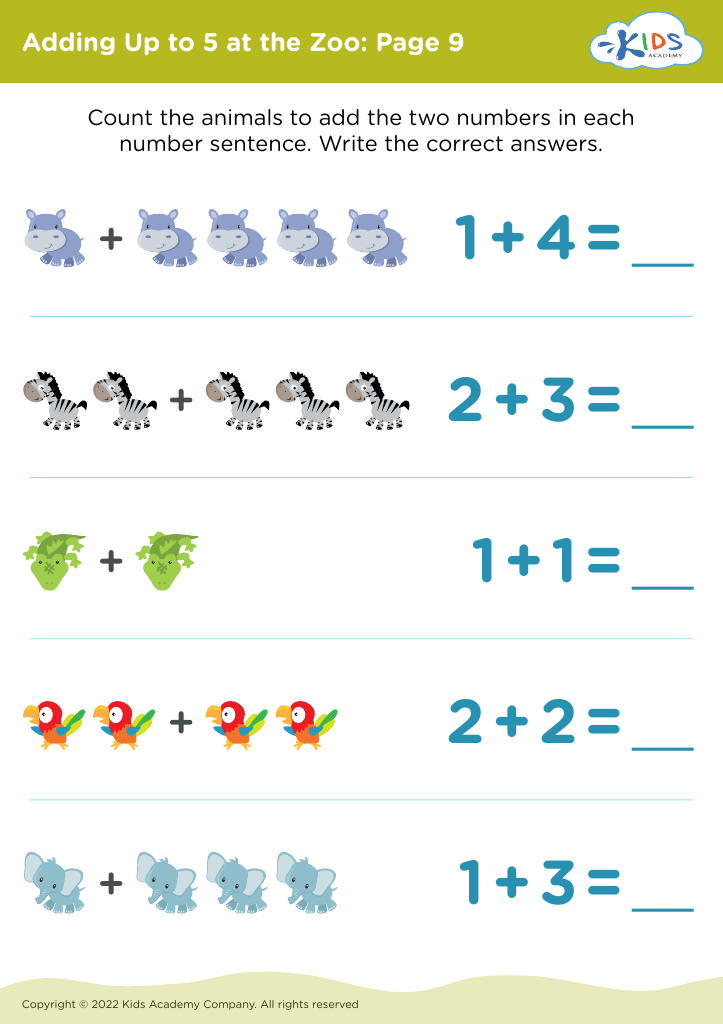
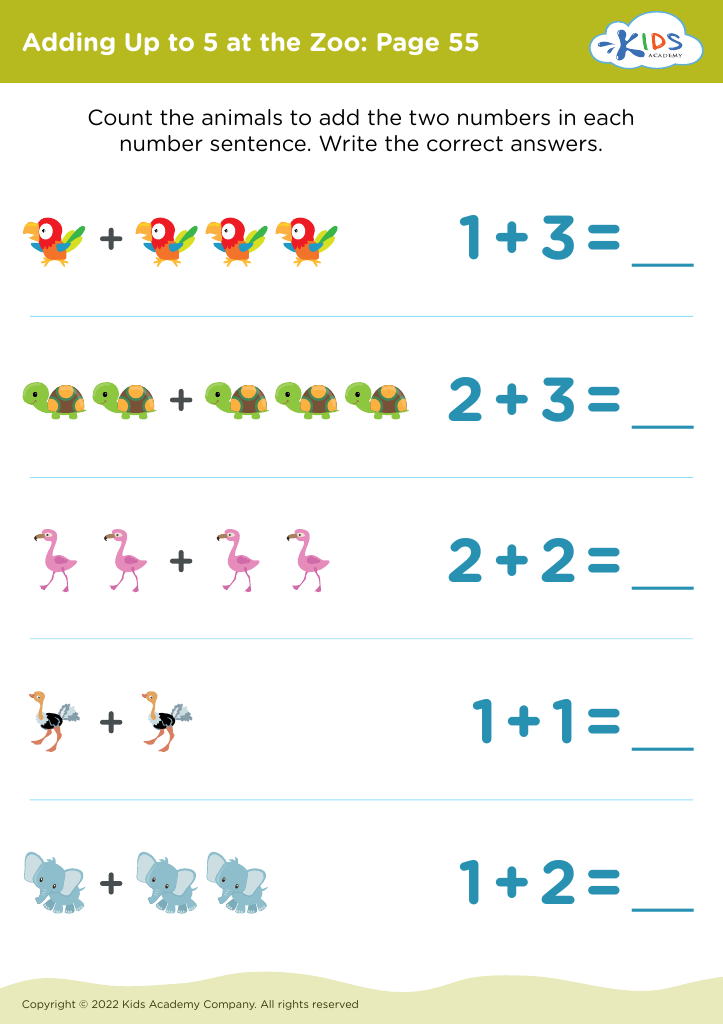
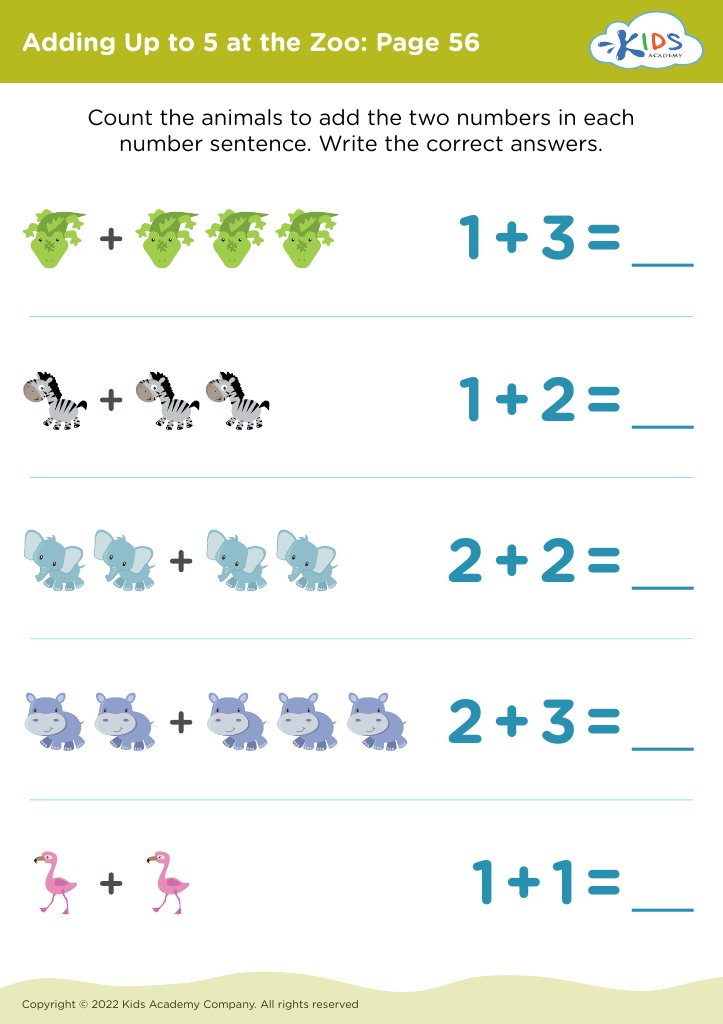
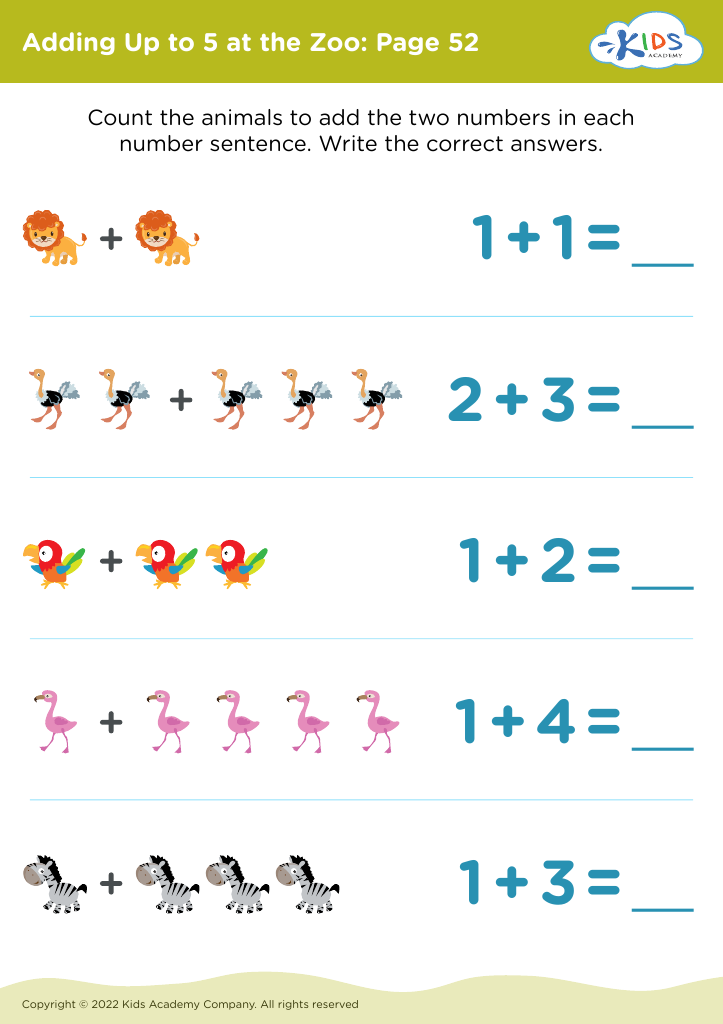
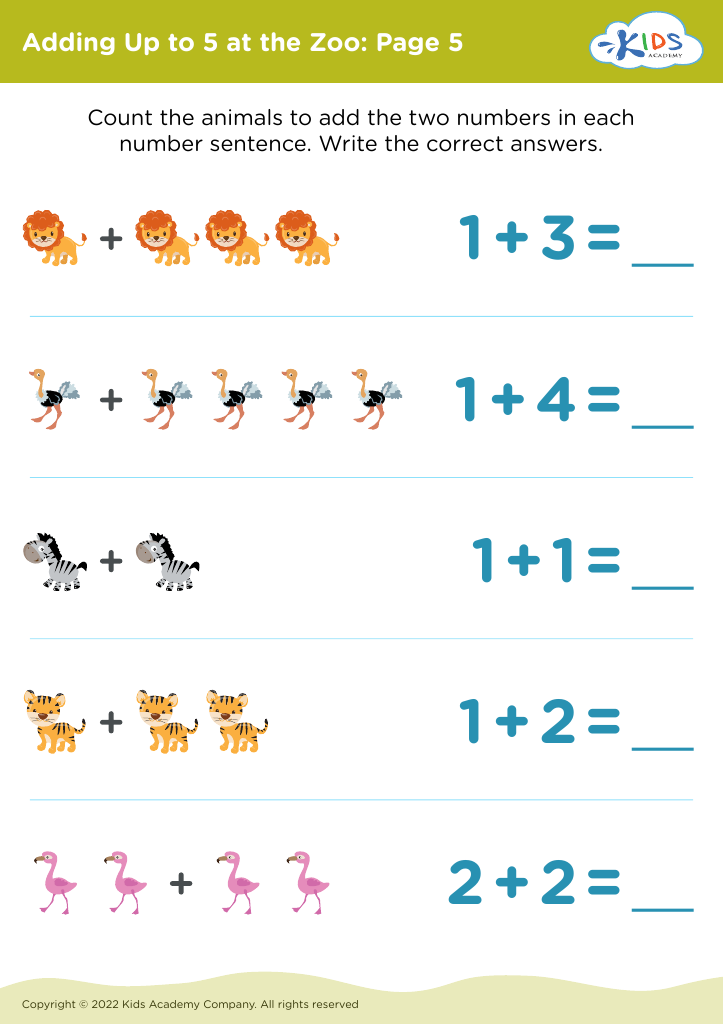
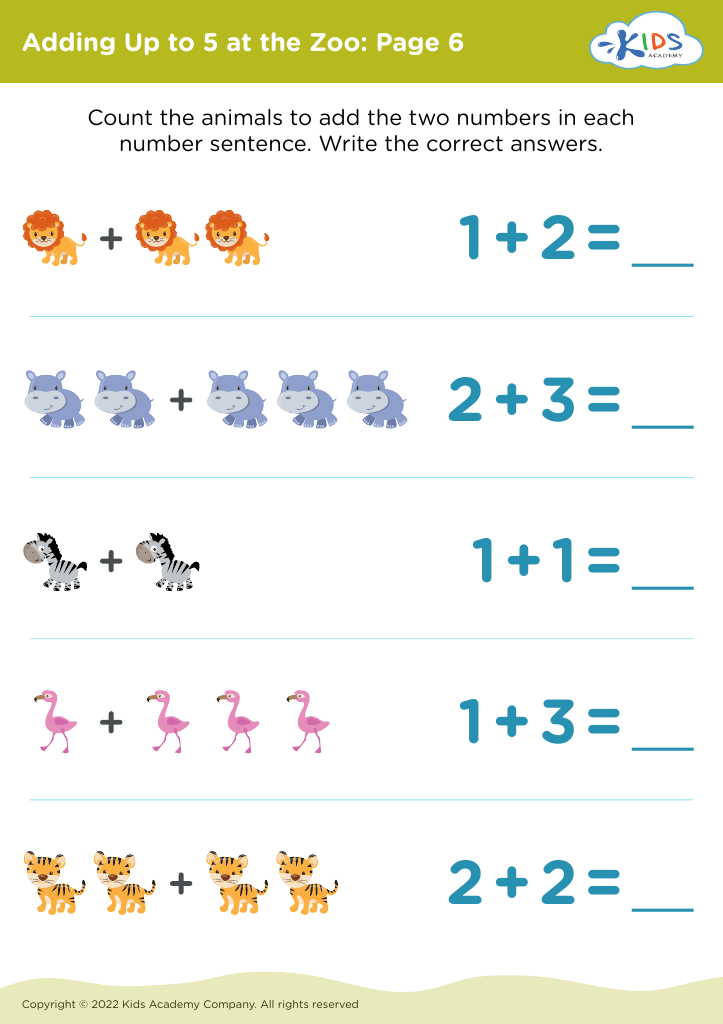
Discover the joy of learning with our "Animal Recognition Adding at the Zoo" worksheets, designed specifically for children aged 3-5. These engaging activities combine the excitement of the zoo with essential math skills, helping young learners recognize various animals while practicing addition. Each worksheet encourages interactive learning, featuring colorful illustrations and simple equations that make math fun and relatable. As kids identify animals and solve addition problems, they enhance their cognitive skills and develop a love for numbers. Perfect for homeschooling or classroom activities, these worksheets provide a delightful way to combine education and play while fostering a passion for wildlife!



Animal recognition at the zoo is an enriching educational experience for children ages 3-5, and it holds significant value for both parents and teachers. At this age, children are naturally curious about the world around them. Introducing them to various animals encourages observation skills, instills a sense of wonder about nature, and fosters empathy towards living beings.
Recognizing animals helps boost vocabulary and language development as children learn to associate names with visuals. Teachers and parents can use this opportunity to implement creative activities, fostering learning through play. Simple lessons—like matching animals with their habitats (e.g., lions in savannahs, penguins in ice)—enhance cognitive skills and promote critical thinking.
Additionally, visits to the zoo provide a context for social interaction, promoting sharing, turn-taking, and teamwork among peers. These experiences not only build social-emotional skills but also create lasting memories, forging a deeper connection to wildlife conservation from an early age. By caring about programs focused on animal recognition at the zoo, parents and teachers enhance early childhood education and instill lifelong appreciation for nature and its inhabitants. Ultimately, this foundational knowledge lays the groundwork for future learning and responsible citizenship, vital skills for young learners.