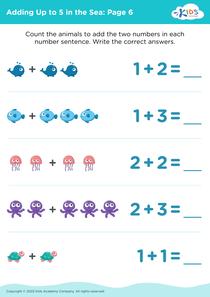
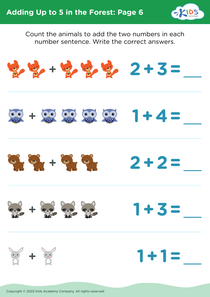
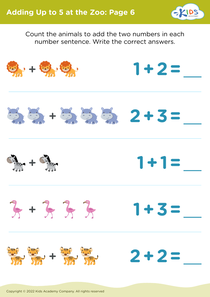
Understanding quantity Adding on the Farm Worksheets for Ages 3-5
8 filtered results
-
From - To
Unlock the joy of learning with our "Understanding Quantity Adding on the Farm" worksheets designed for children ages 3-5. These engaging worksheets introduce young learners to the basics of addition through delightful farm imagery, helping them grasp the concept of quantity in a fun and interactive way. Each activity encourages counting objects, such as animals and vegetables, promoting visual recognition and number skills. With vibrant illustrations and simple tasks, your little ones will enjoy exploring the relationship between numbers and quantities. Perfect for parents and educators, these worksheets make foundational math concepts enjoyable and accessible, setting the stage for future learning success.
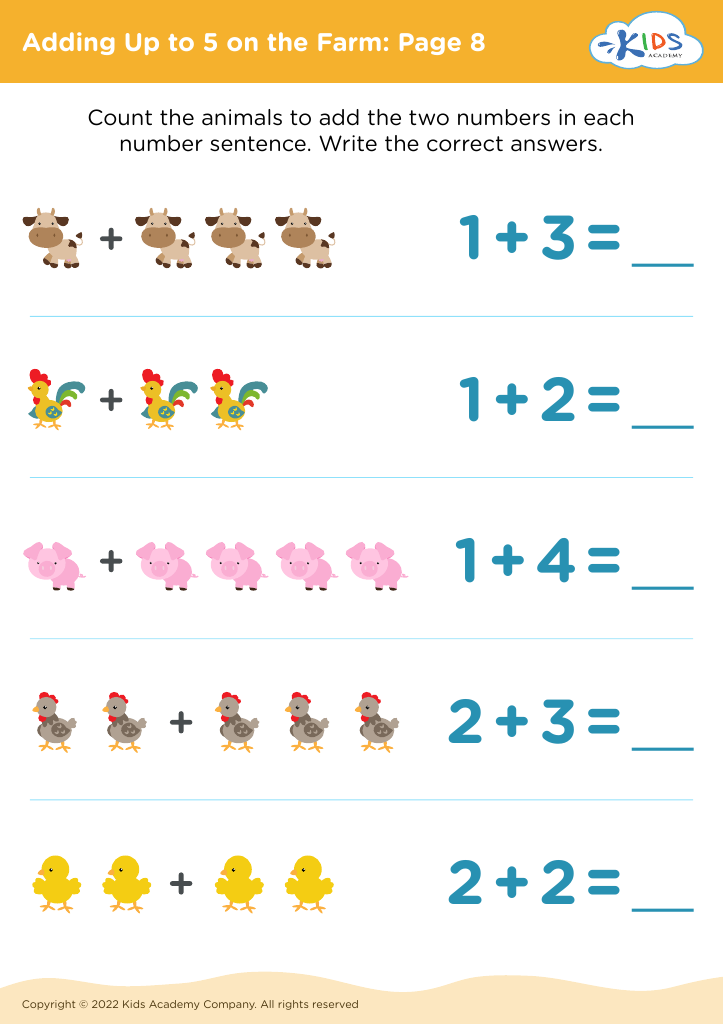
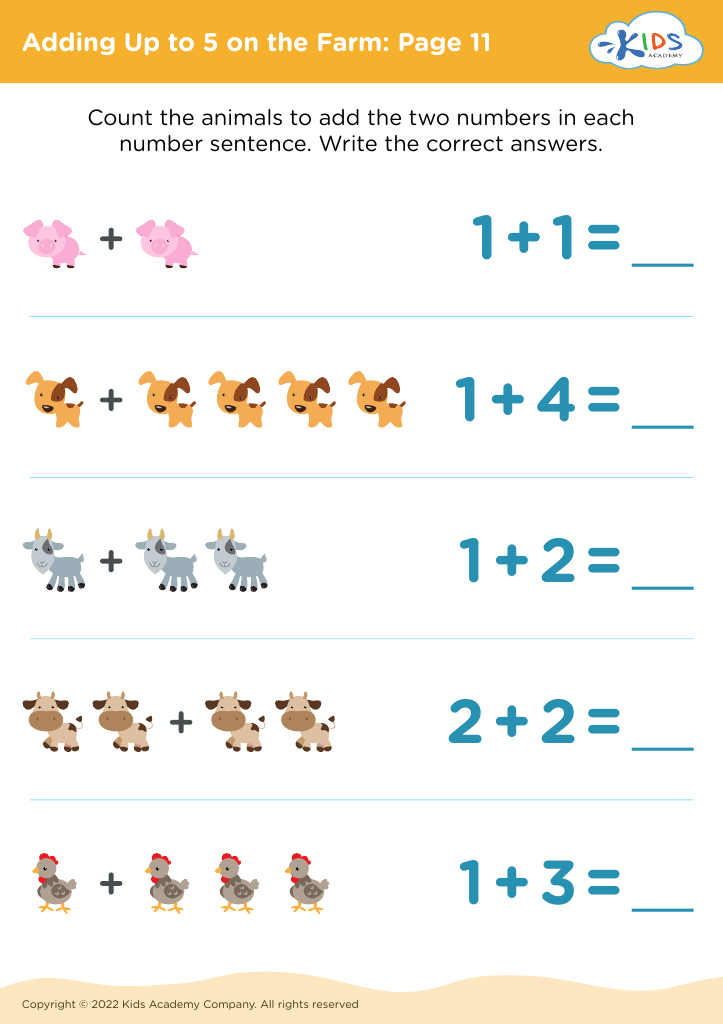
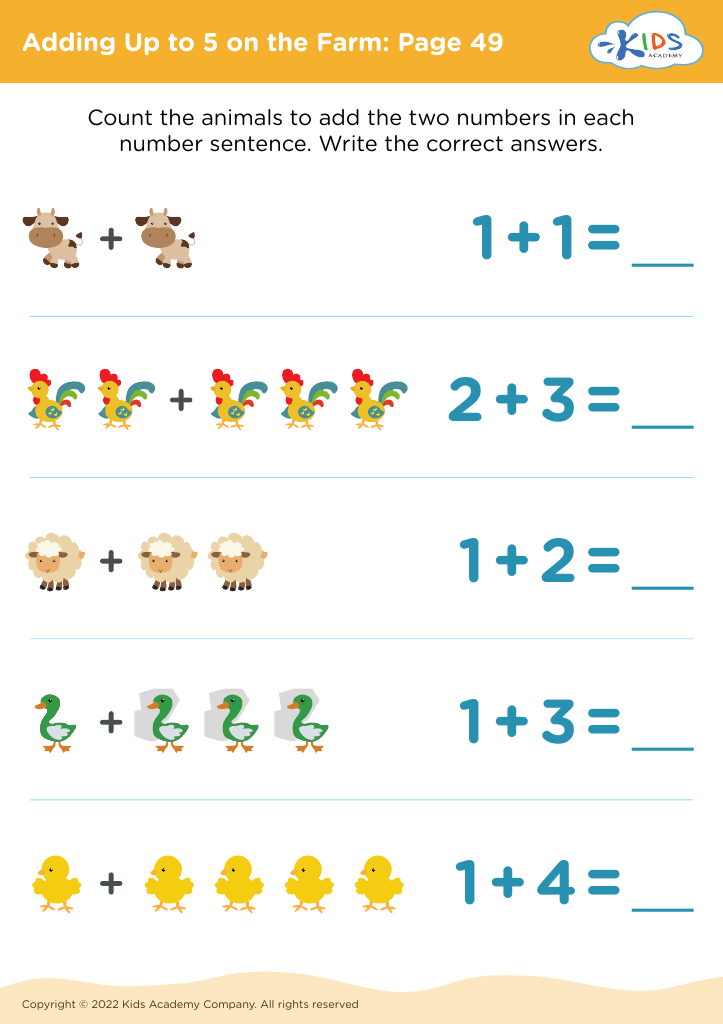
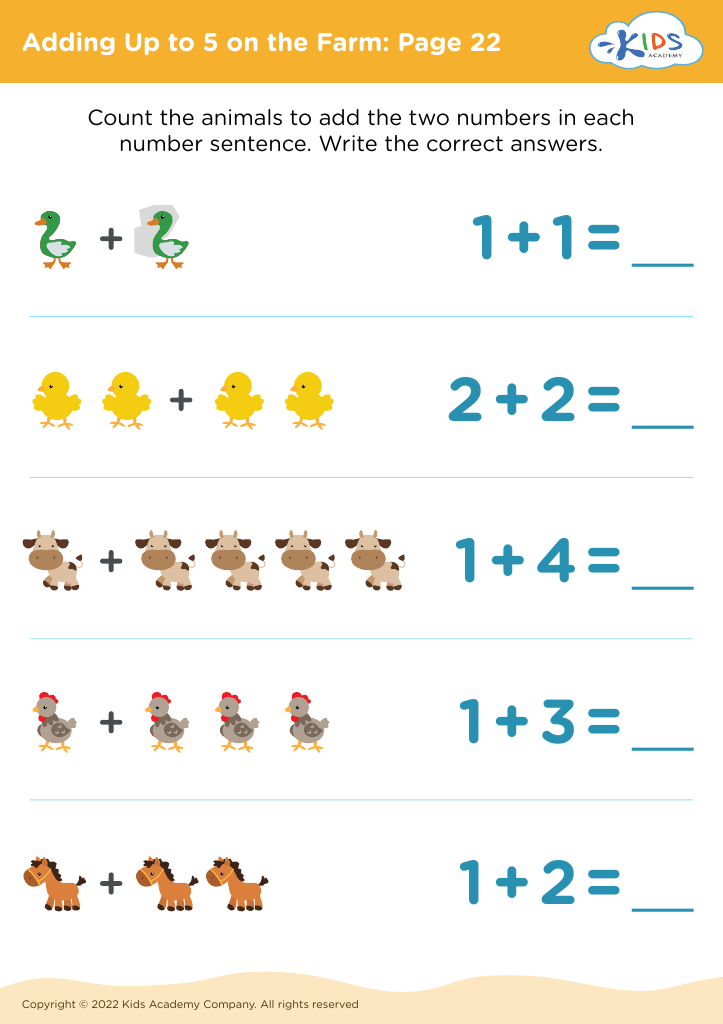
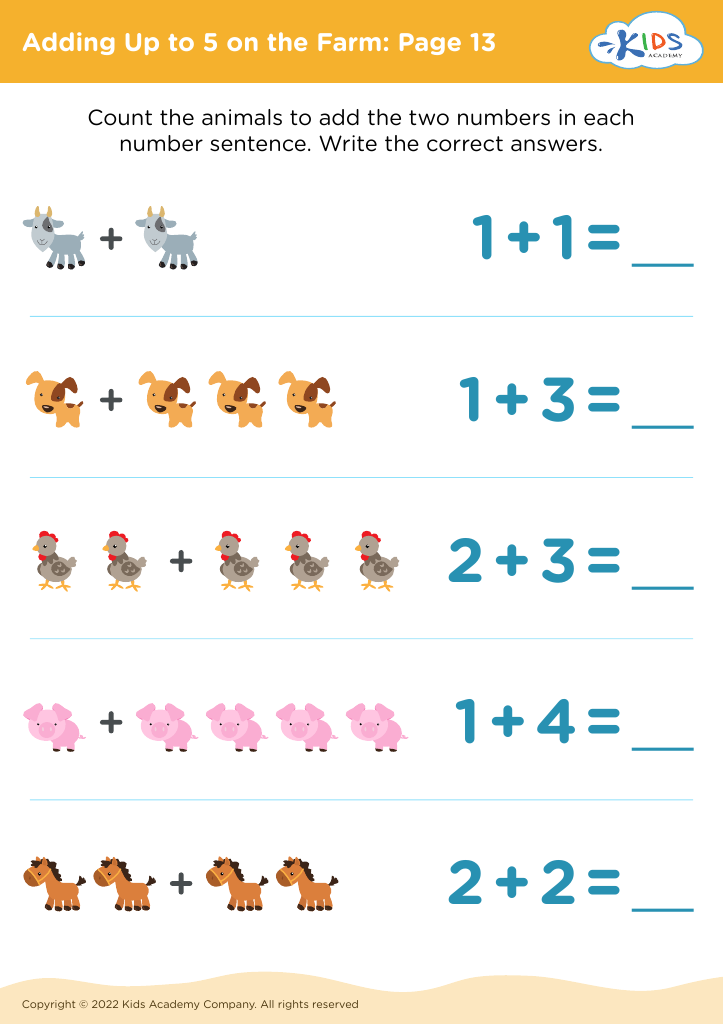
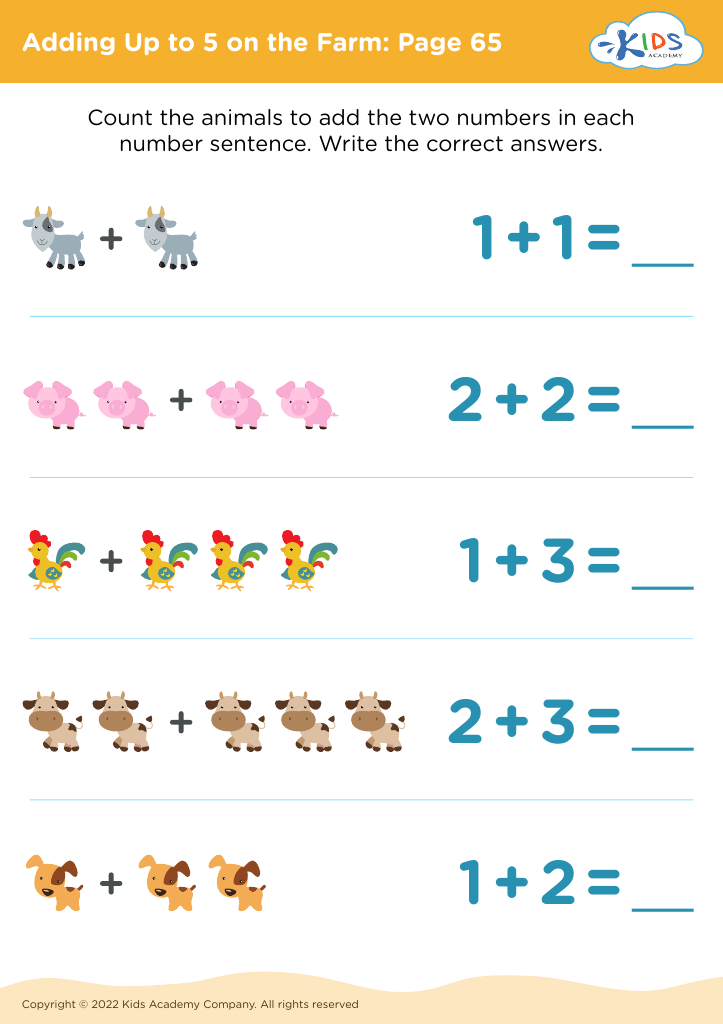
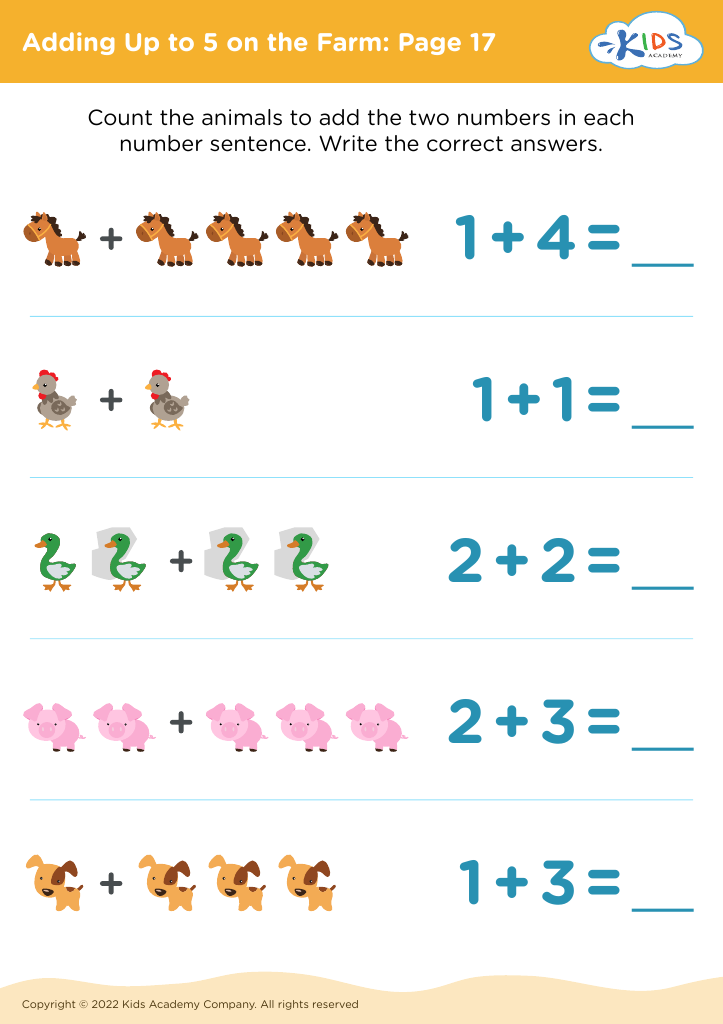
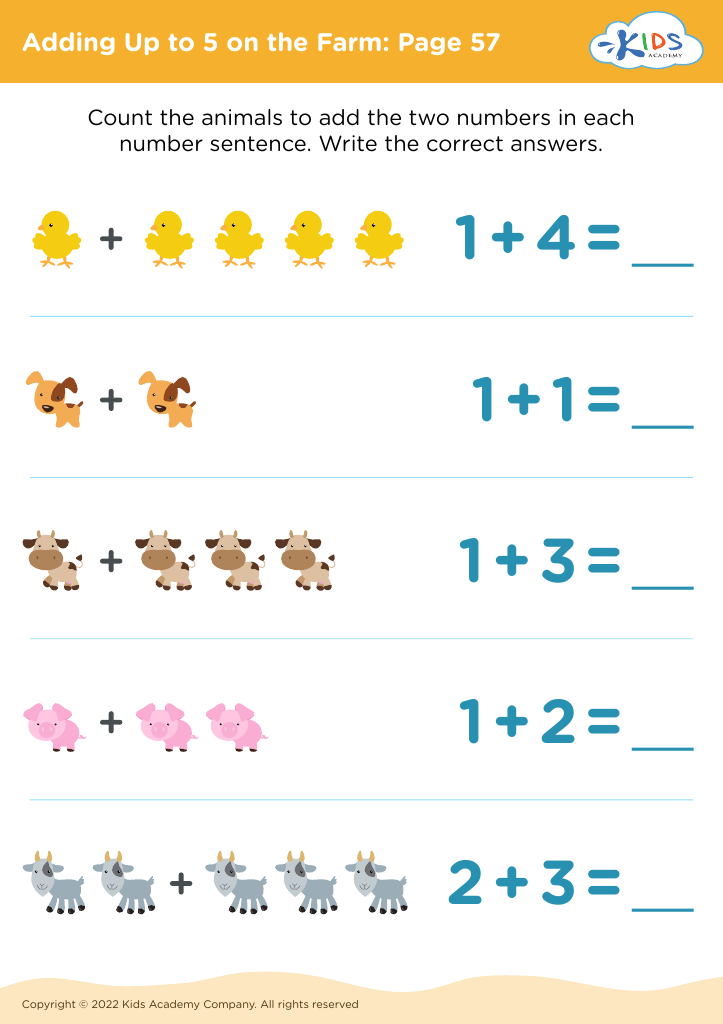



Understanding quantity, especially through activities like "Adding on the Farm," is crucial for children aged 3-5, as it lays the foundational skills necessary for early mathematics and problem-solving. Children at this developmental stage are naturally curious and learn best through play and hands-on experiences. Engaging them in a farm-themed context makes abstract concepts like quantity more tangible and relatable.
Farm settings often feature animals, crops, and tools, all of which can be counted and compared, making quantity comprehension enjoyable and interactive. When children practice adding animals or crops, they enhance their understanding of numbers, building essential math skills in a real-world context. This approach helps to foster cognitive skills such as critical thinking and spatial awareness.
Moreover, such activities promote social skills, as children often work in pairs or small groups, encouraging communication and teamwork. Additionally, incorporating themes of farms can also introduce lessons about nature and responsibility. For parents and teachers, nurturing these skills is vital, as strong early math foundations contribute to future academic success, boost confidence, and develop a love for learning. Understanding quantity through playful methods ensures children are engaged, promoting holistic development in these formative years.