Problem-Solving Skills Adding Up to 5 Worksheets for Ages 3-5 - Page 2
37 filtered results
-
From - To


%20(1).jpg)
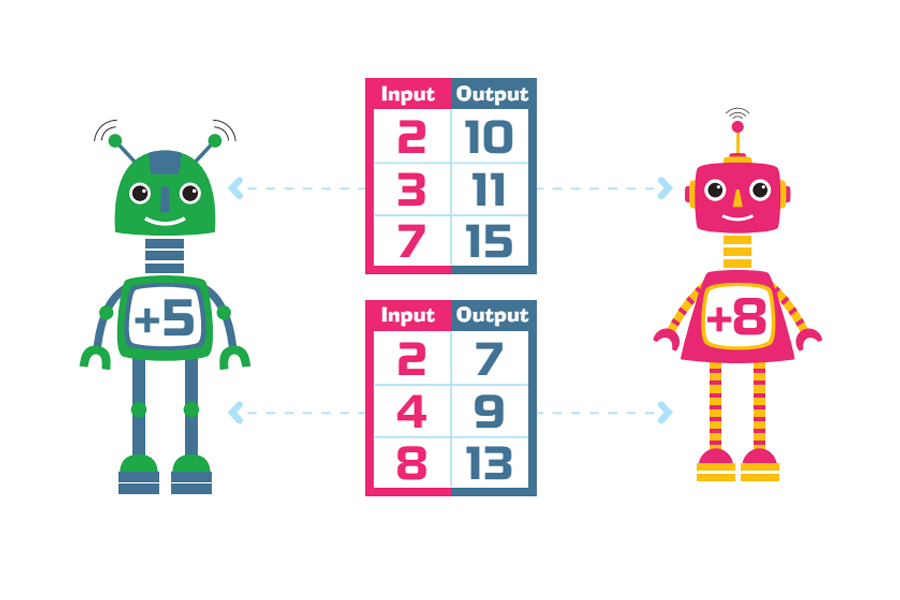




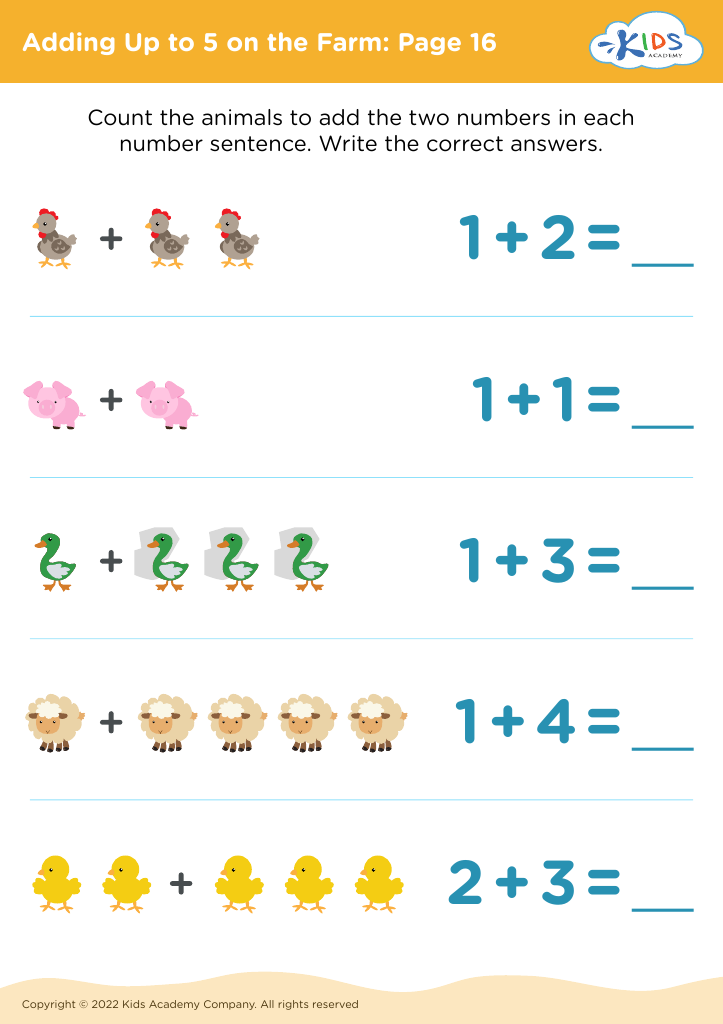
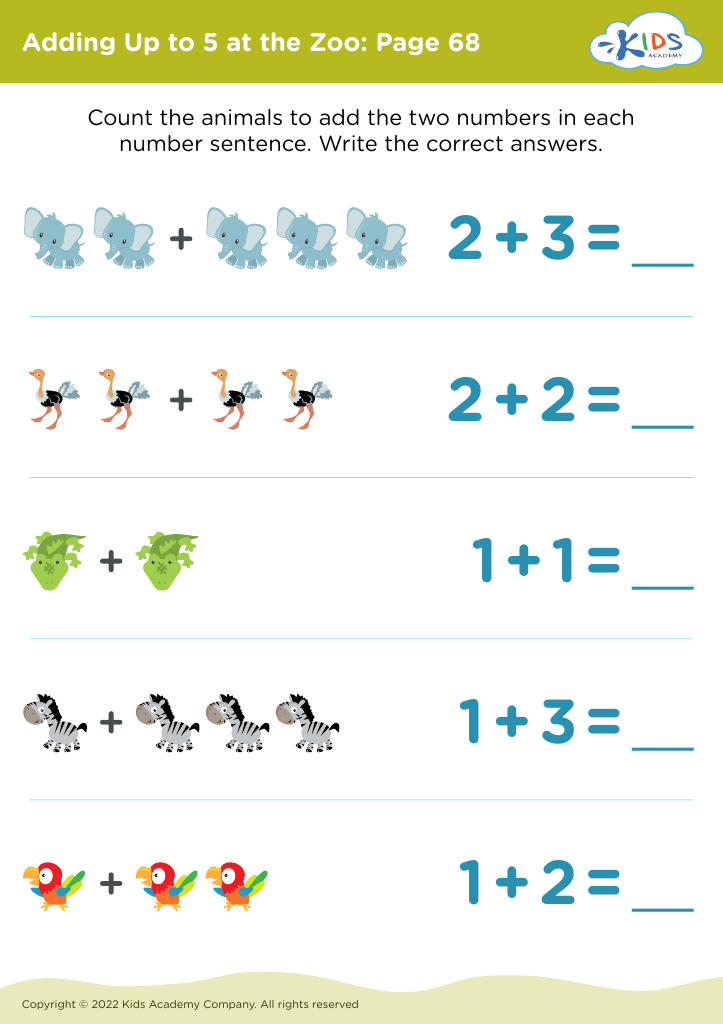
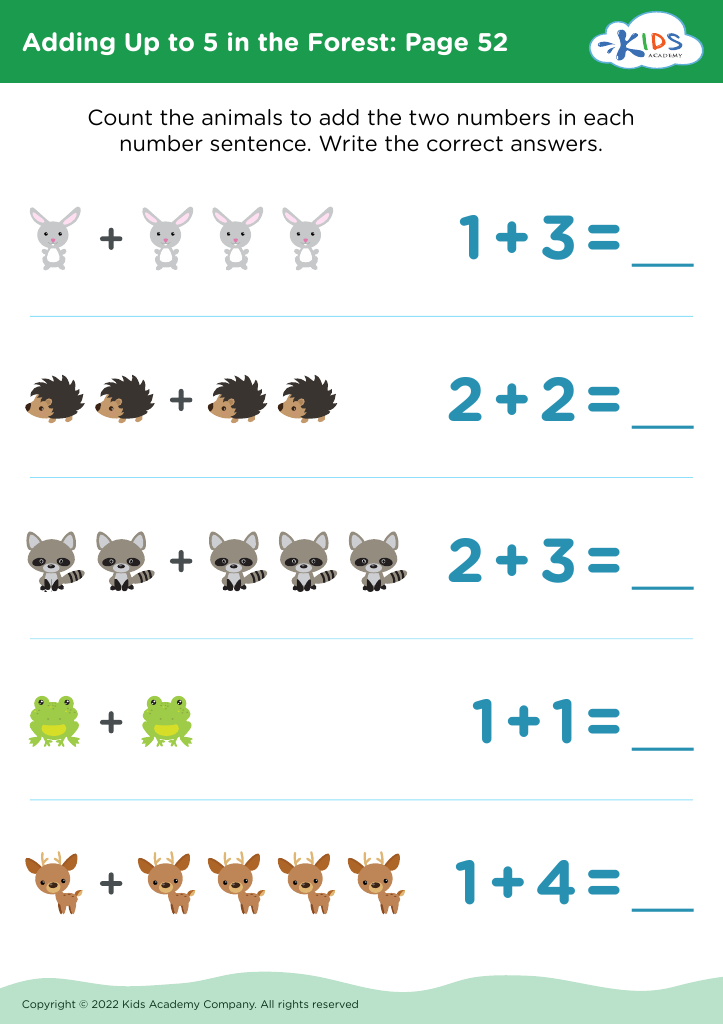
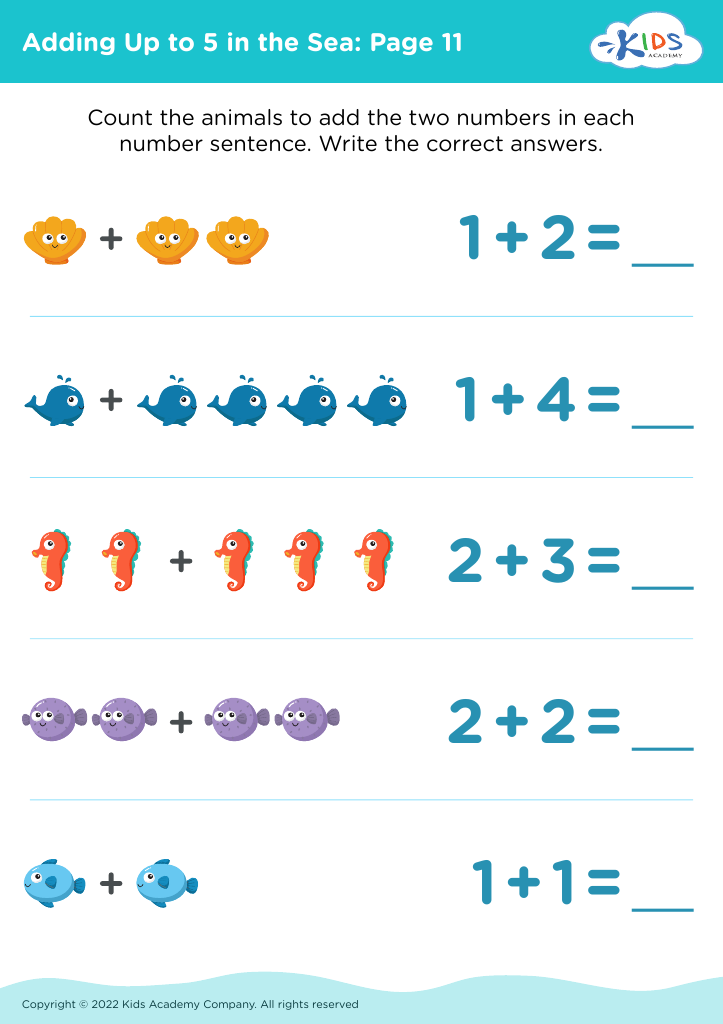
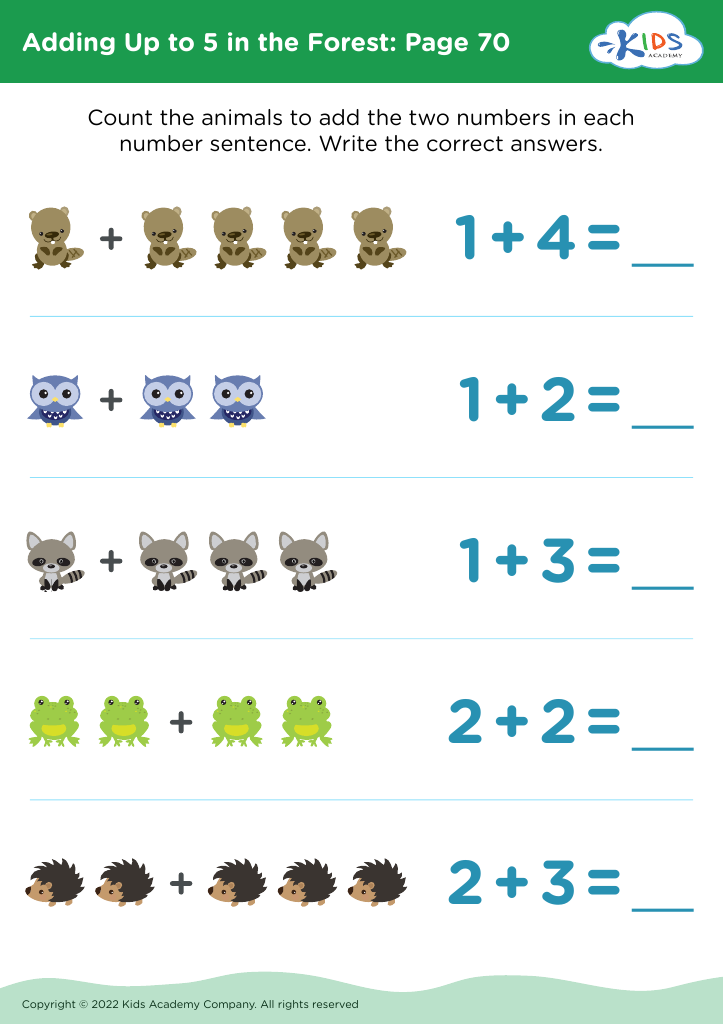
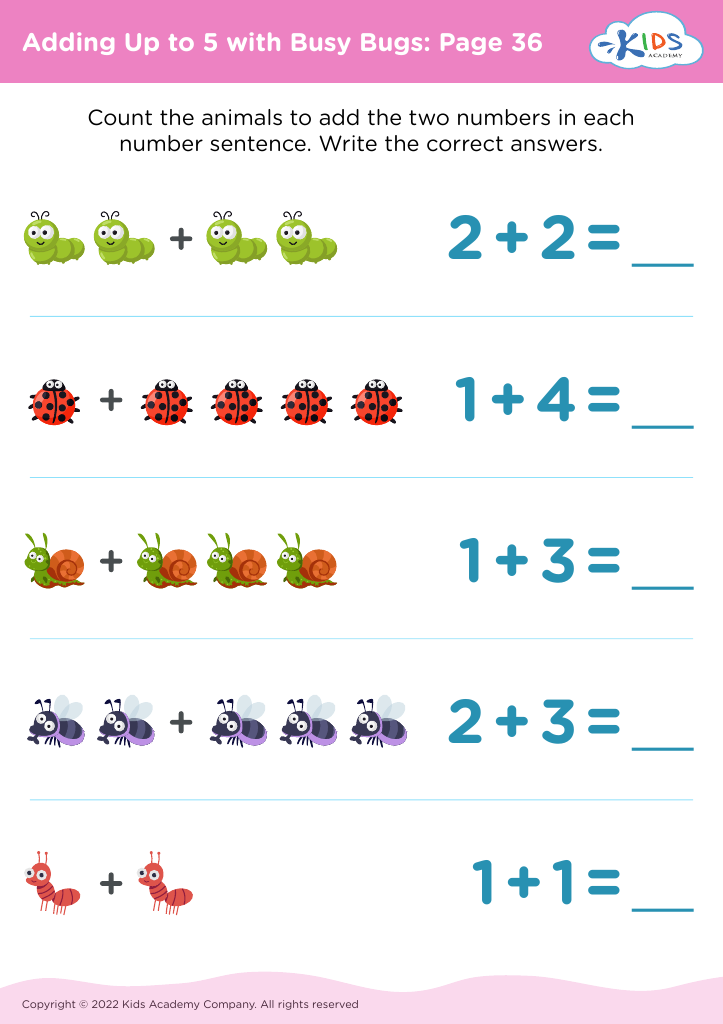
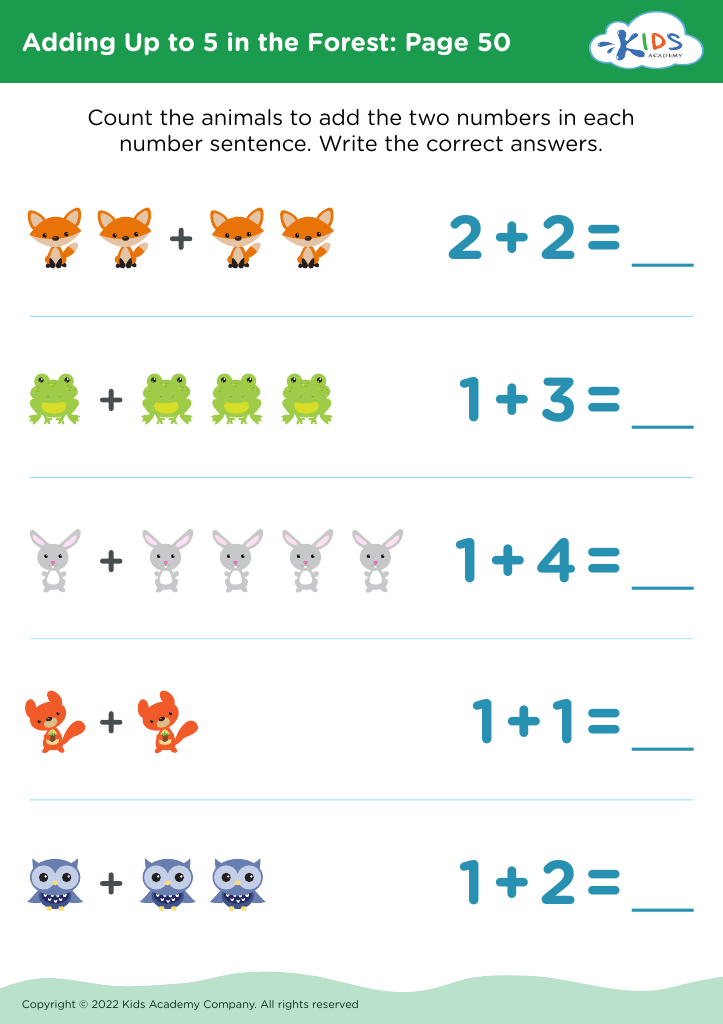
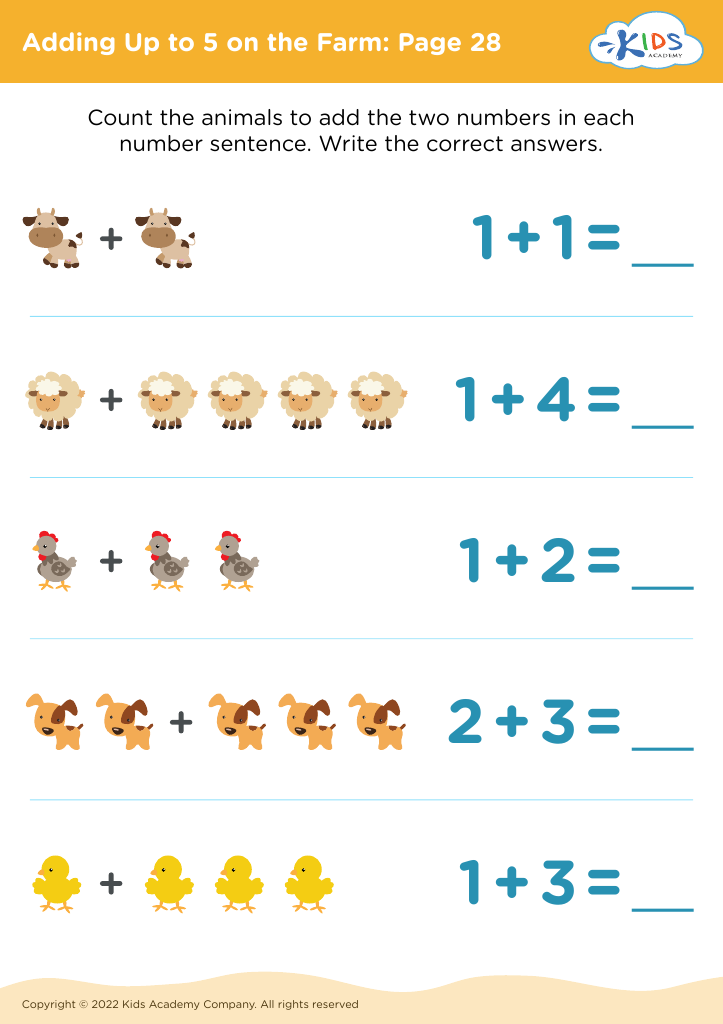
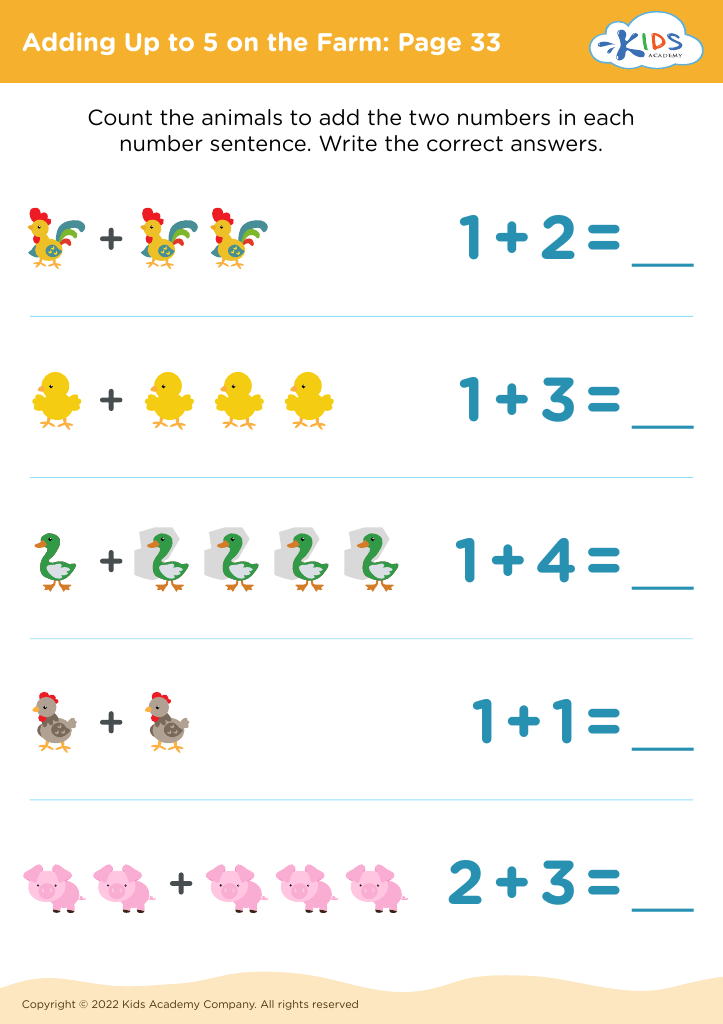
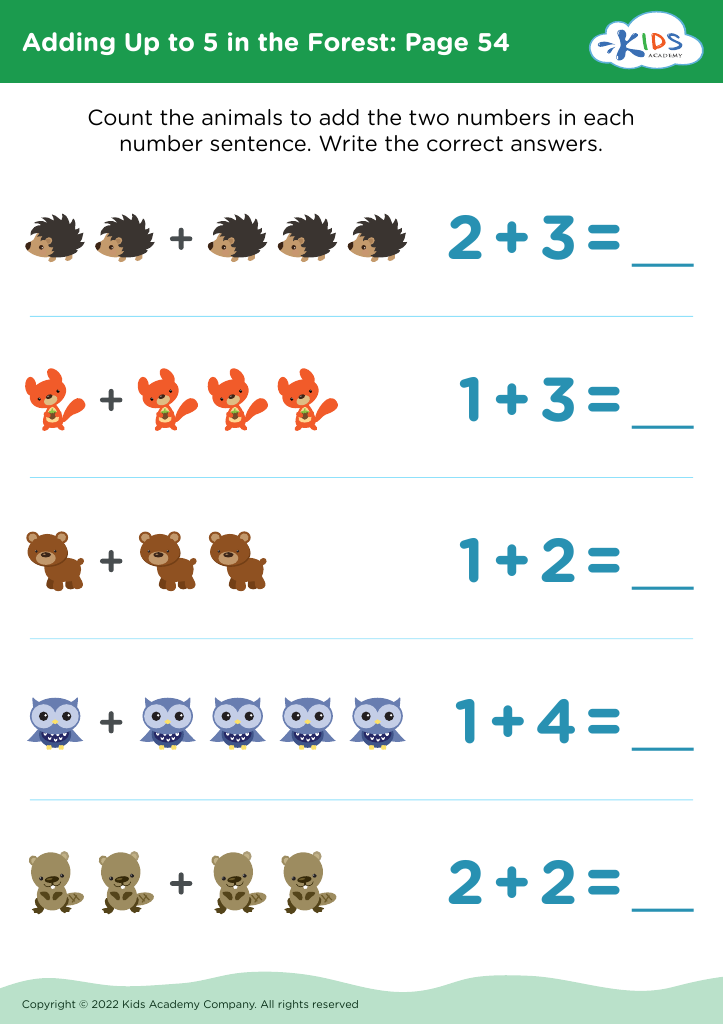
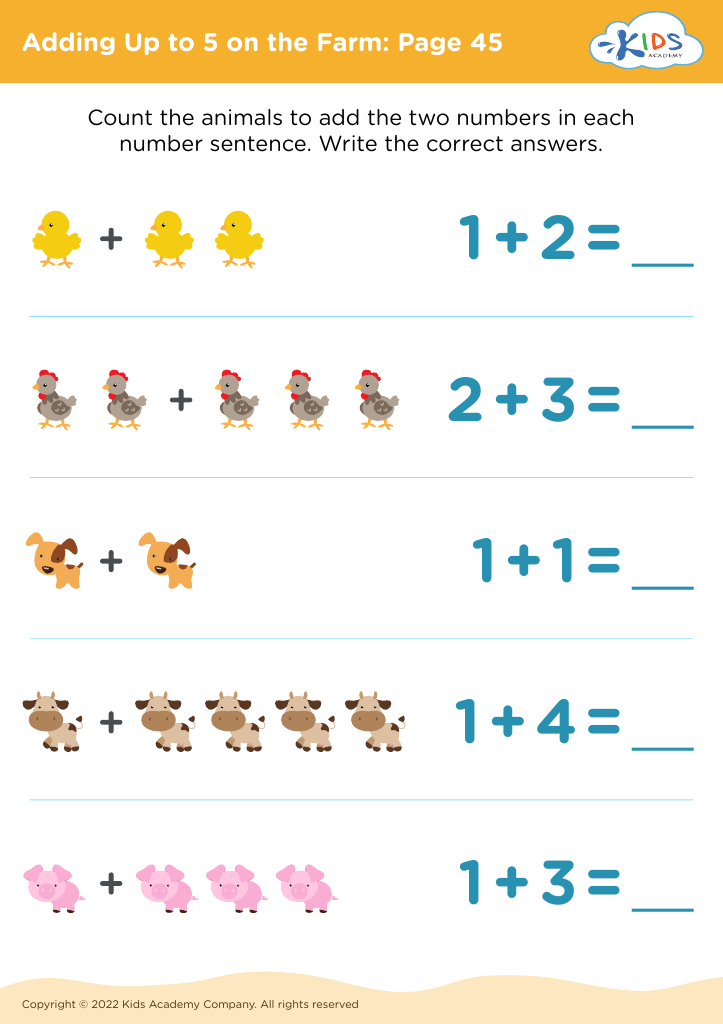
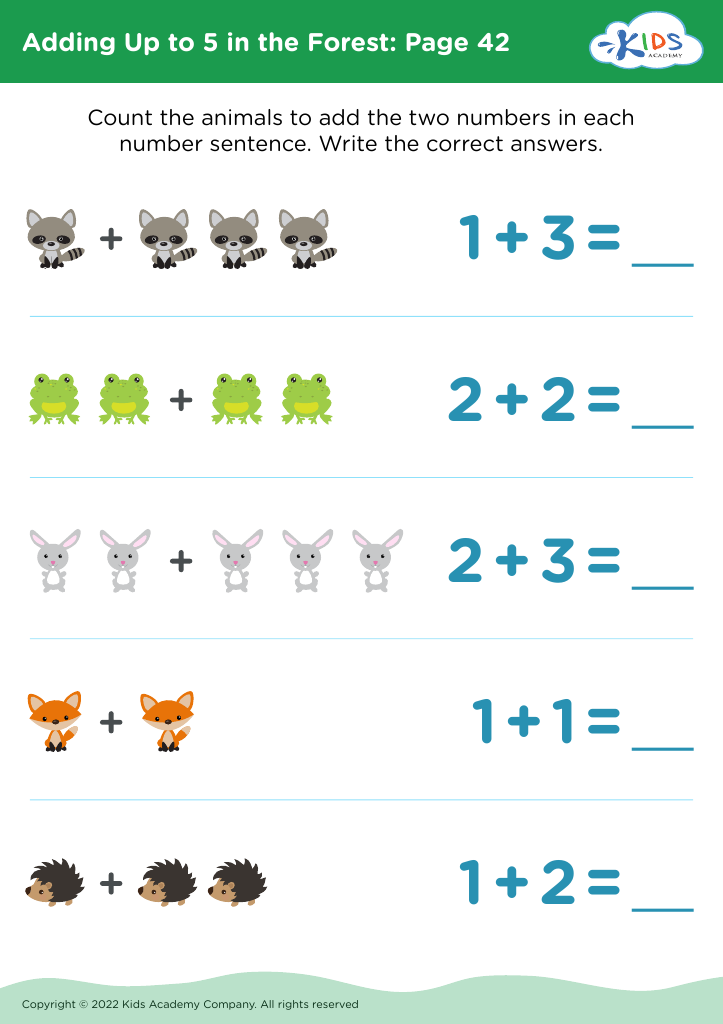
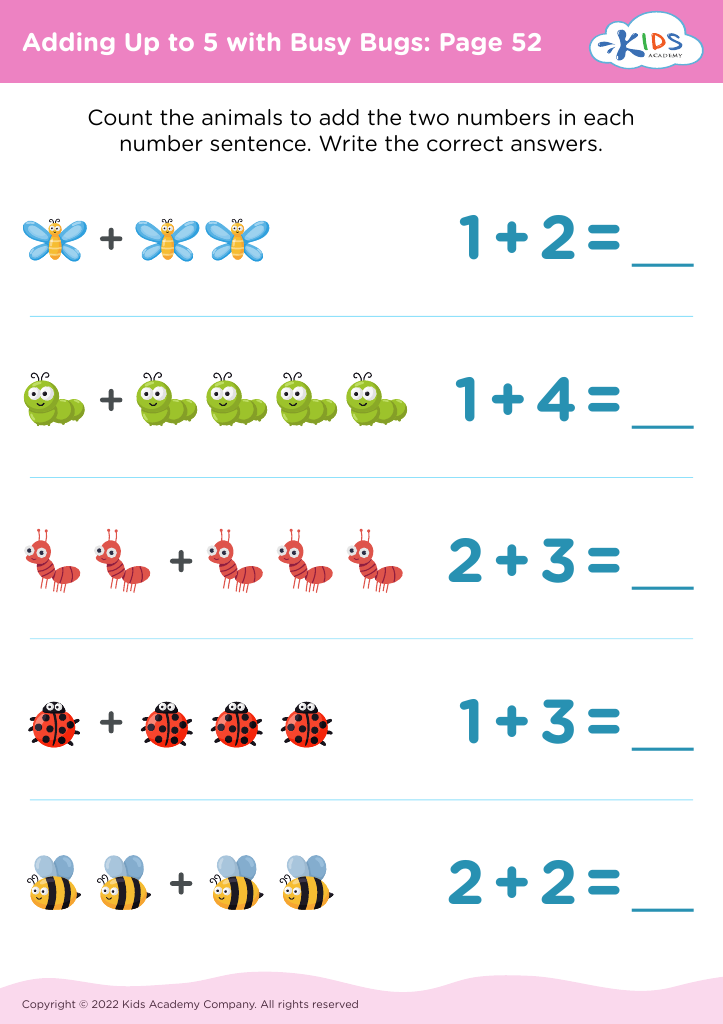
Parents and teachers should prioritize problem-solving skills, particularly for adding numbers up to 5, for children aged 3-5 because these foundational skills set the stage for future learning and critical thinking. During this developmental stage, children are naturally curious and eager to explore concepts related to numbers and relationships. Problem-solving helps them understand how numbers work together, fostering a sense of mathematical thinking that is crucial for later academic success.
Moreover, mastering addition skills helps children develop perseverance when facing challenges. As they learn to approach and solve simple problems, they also build confidence in their abilities. This has a ripple effect, empowering them to tackle more complex tasks as they progress through their education.
Additionally, early children’s attention to these skills can lead to improved reasoning, logic, and decision-making as they learn to analyze situations and find solutions. Engaging them in enjoyable, hands-on activities that involve these concepts creates a positive learning environment, making math an enjoyable experience from a young age. Ultimately, fostering strong problem-solving skills can greatly enhance a child’s academic journey, influencing their enjoyment and success in the ever-evolving world of math and beyond.








