Fine motor skills (drawing lines) Addition & Subtraction Worksheets for Ages 3-5
3 filtered results
-
From - To
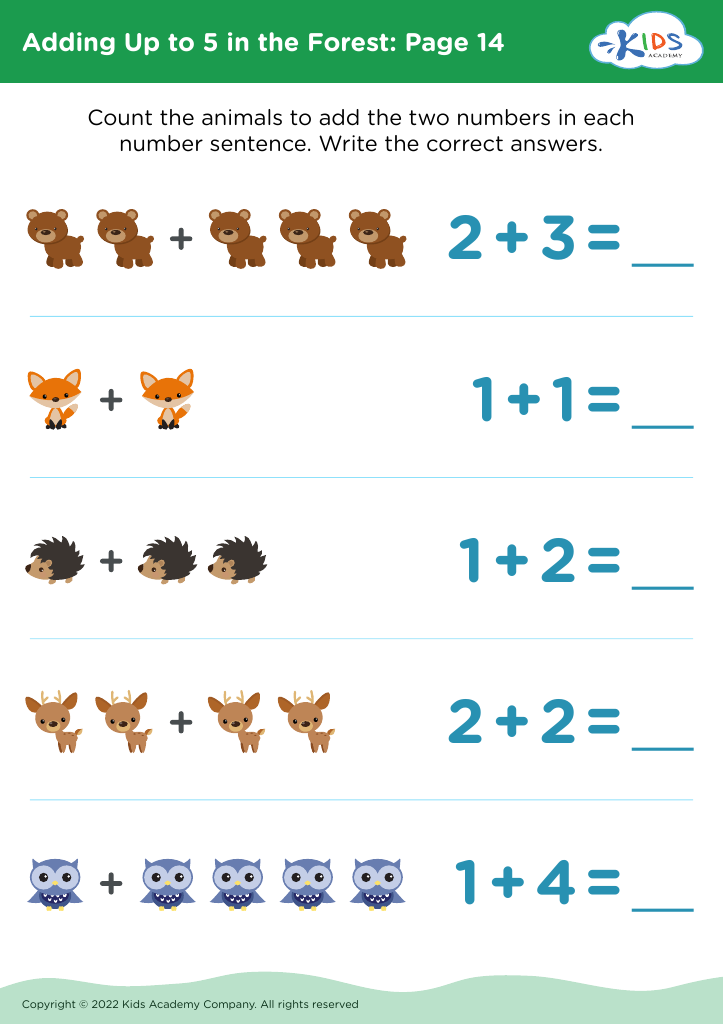
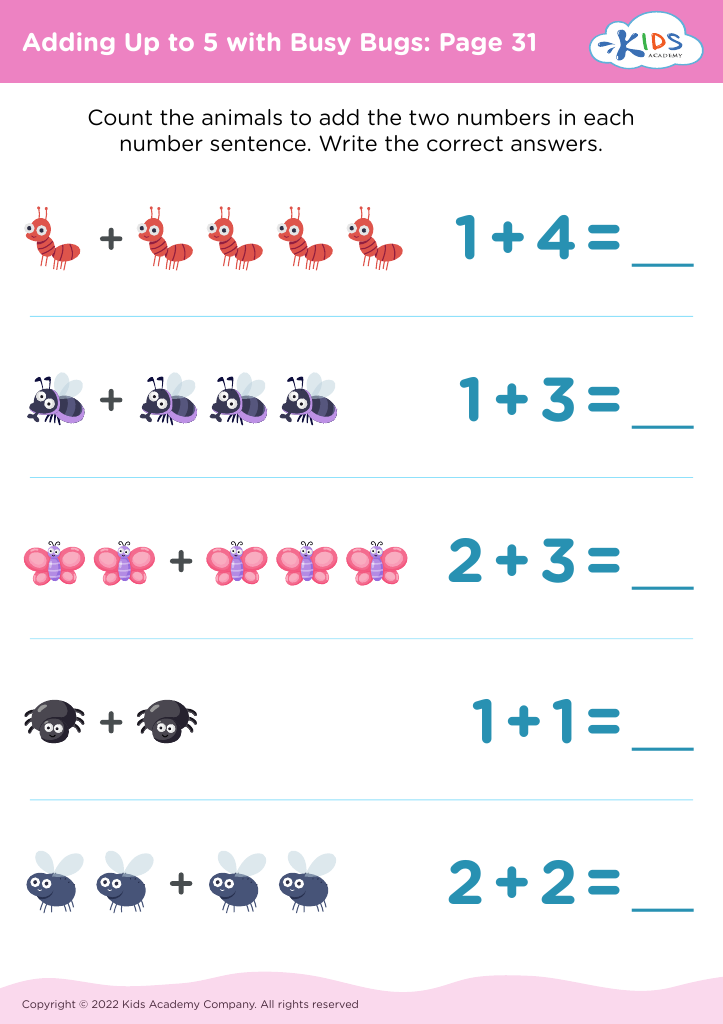
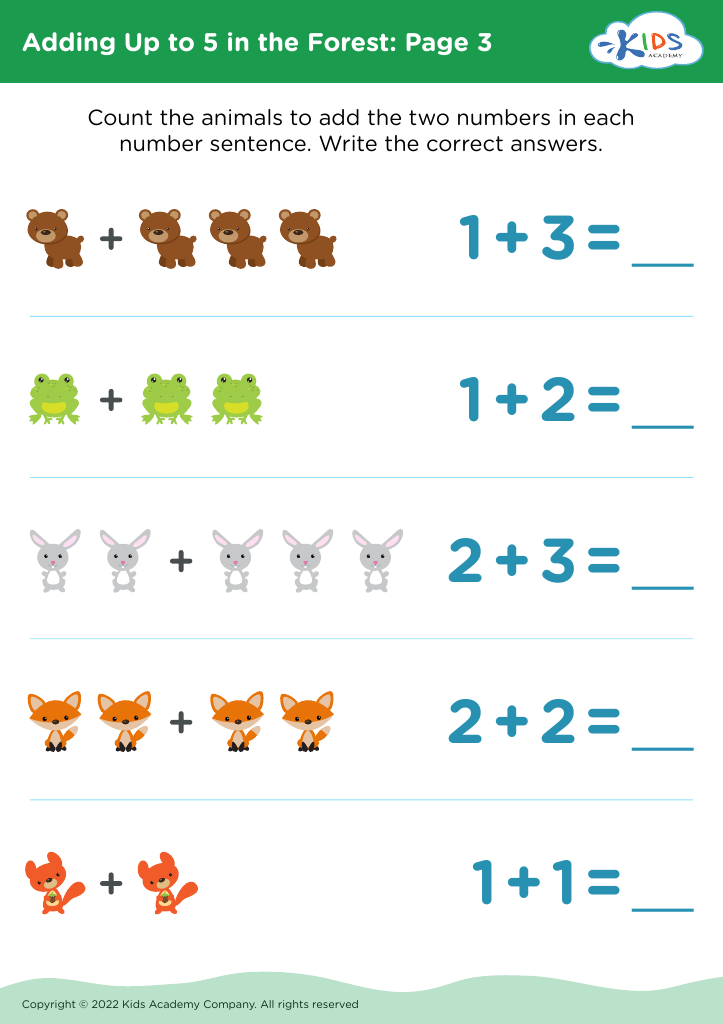
Unlock your child's potential with our Fine Motor Skills (Drawing Lines) Addition & Subtraction Worksheets designed for ages 3-5! These engaging worksheets foster essential fine motor skills while introducing early math concepts like addition and subtraction. Each activity focuses on drawing lines, helping young learners improve hand-eye coordination and pencil control. Kids will enjoy tracing, connecting, and completing fun, themed illustrations while cultivating their math abilities in a playful manner. Perfect for parents and educators, these worksheets make learning enjoyable and effective, preparing children for future academic success. Explore our collection and watch your little ones thrive in math and motor skill development!








Fine motor skills, particularly the ability to draw lines, are crucial for children aged 3 to 5 as they form the foundation for later academic success and daily life activities. When children practice drawing lines, they enhance their hand-eye coordination, dexterity, and control over writing tools. These skills are essential for tasks such as holding a pencil, cutting with scissors, and ultimately writing letters and numbers.
Moreover, addition and subtraction are foundational math skills that often emerge in preschool years through hands-on activities. When children learn these concepts, it not only aids in their cognitive development but also boosts their confidence and problem-solving abilities. Engaging in activities that blend fine motor skill development with basic math—such as counting straws or using drawn lines to represent addition and subtraction problems—makes learning dynamic and interactive.
Both parents and teachers play crucial roles in nurturing these skills. Through play-based learning and encouragement, they can foster a child's interest in writing and mathematics. Ignoring the importance of fine motor skills and early math concepts might hinder a child's readiness for kindergarten and their future academic journey. Thus, investing effort in these areas is key to helping children thrive in a structured learning environment.








