Understanding quantity Addition & Subtraction Worksheets for Ages 3-5
21 filtered results
-
From - To
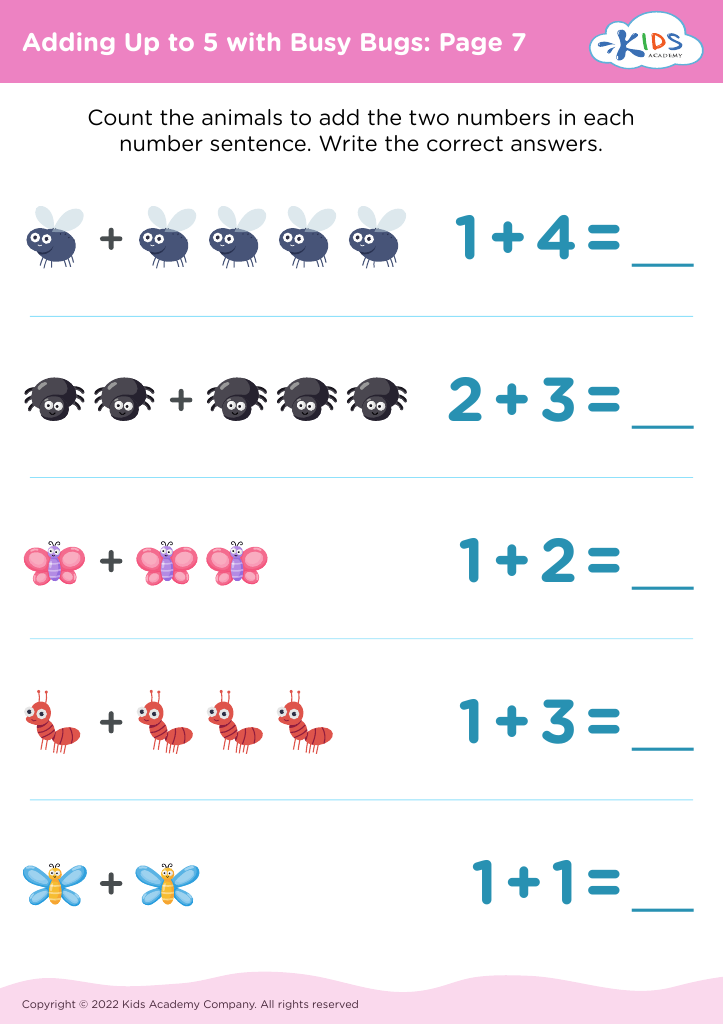
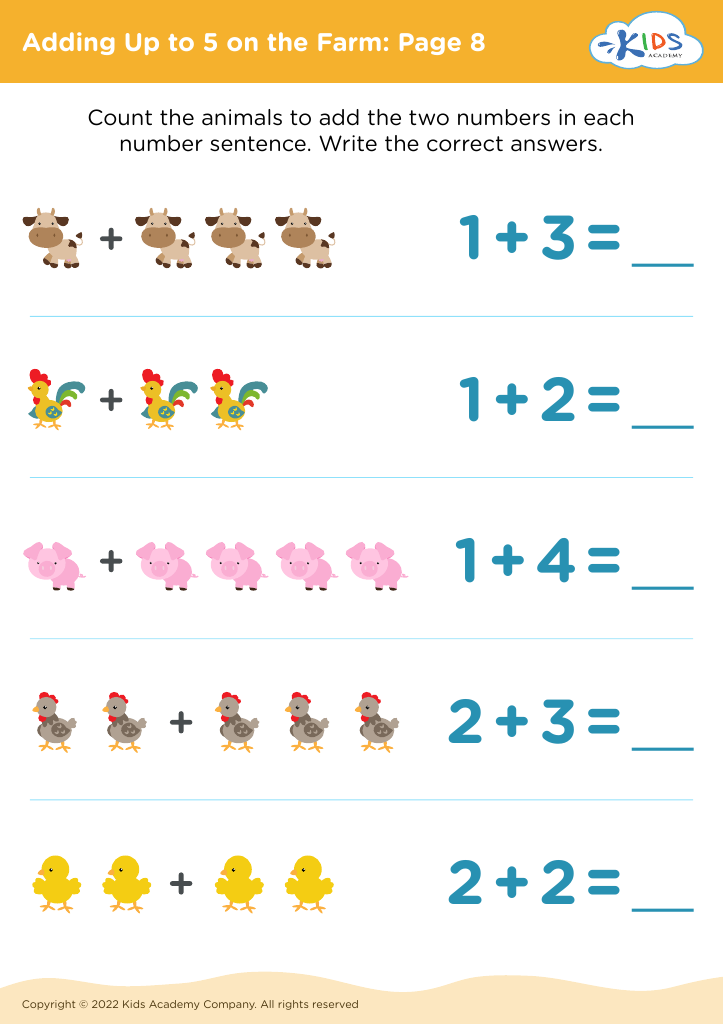
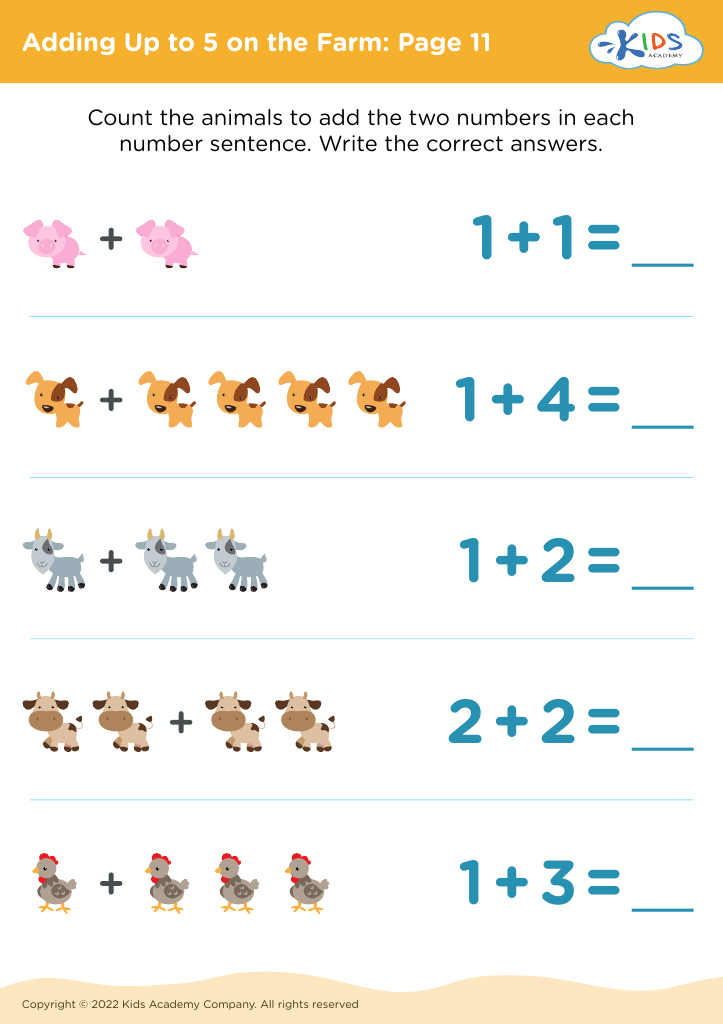
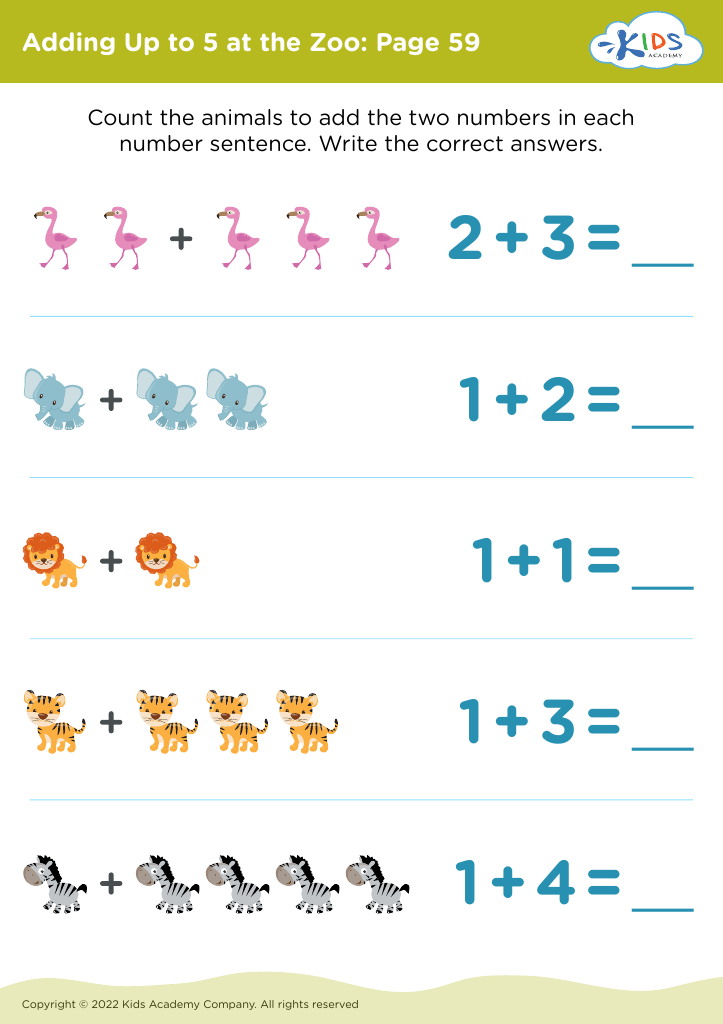
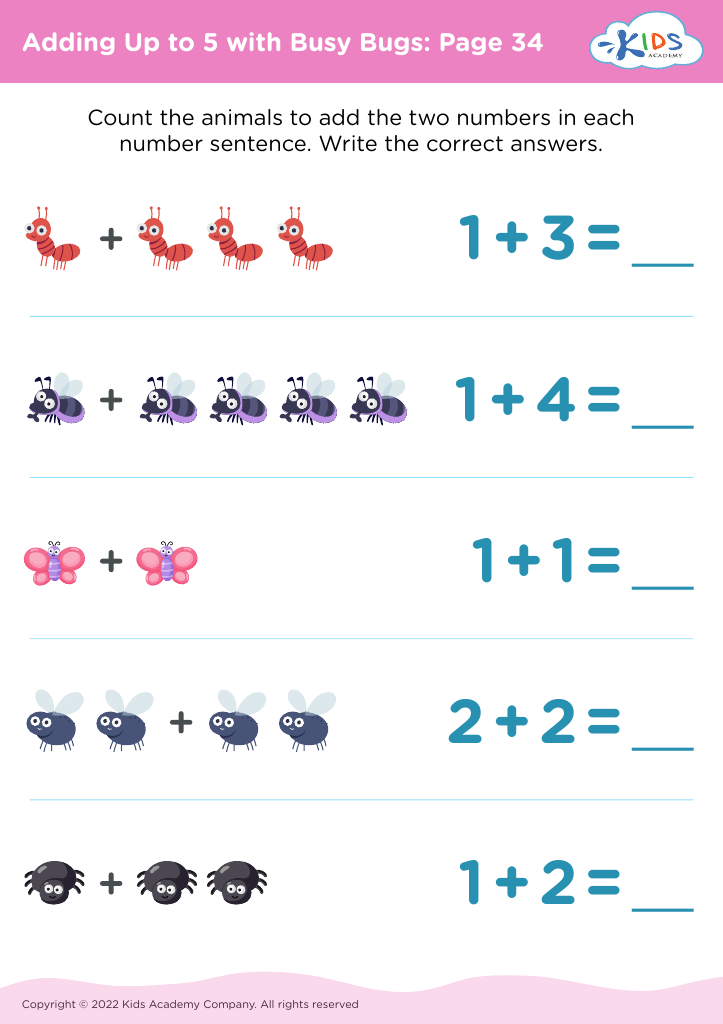
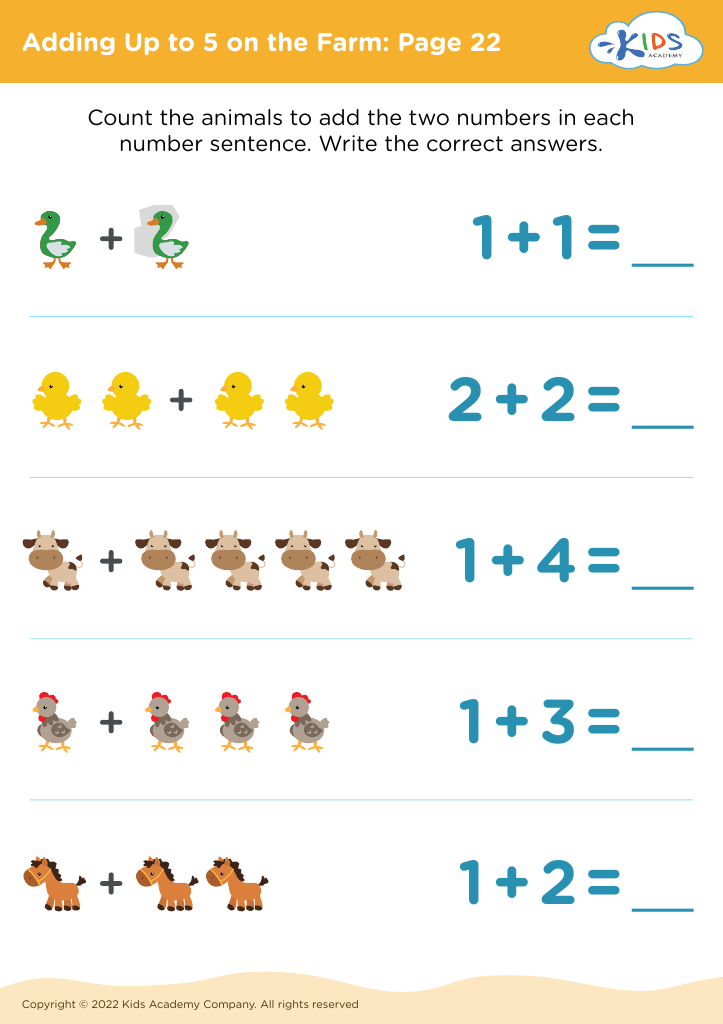
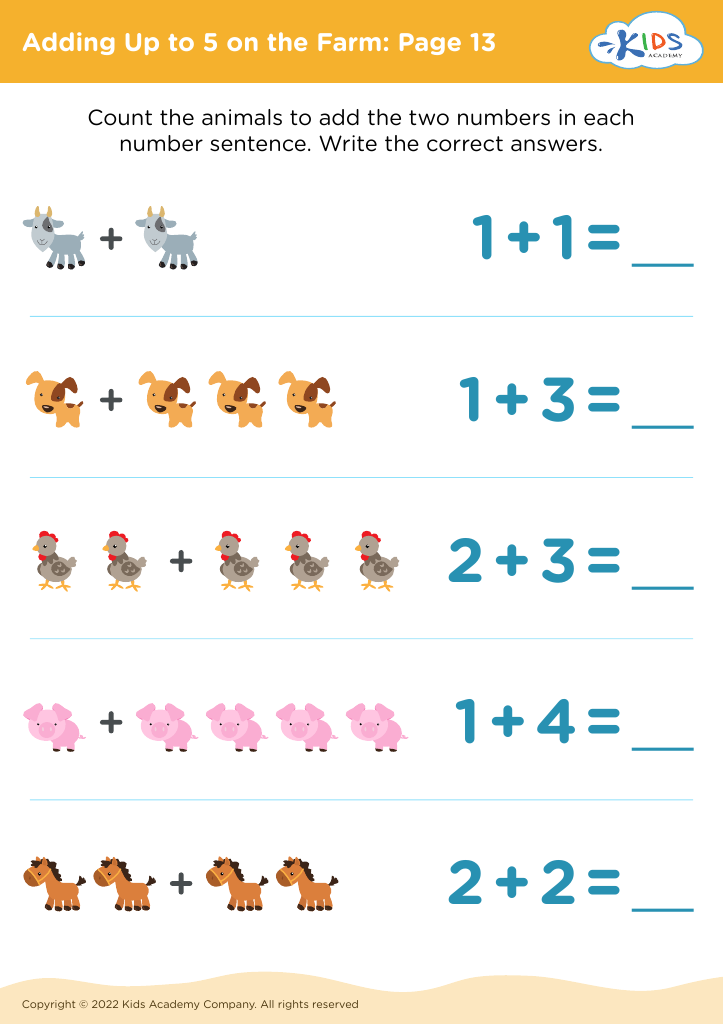
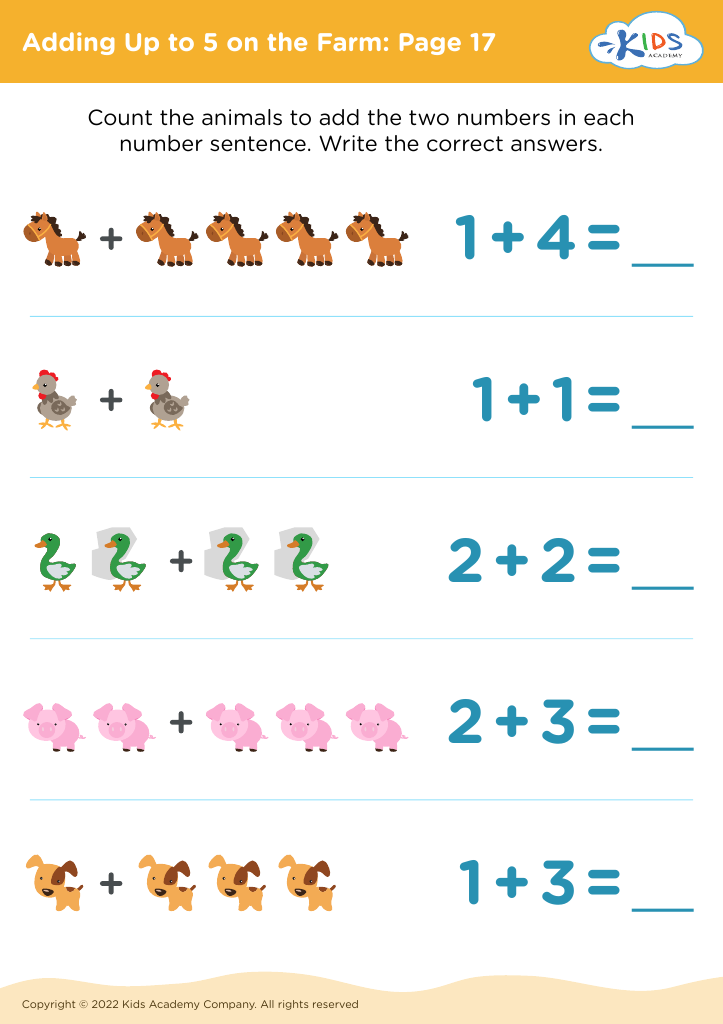
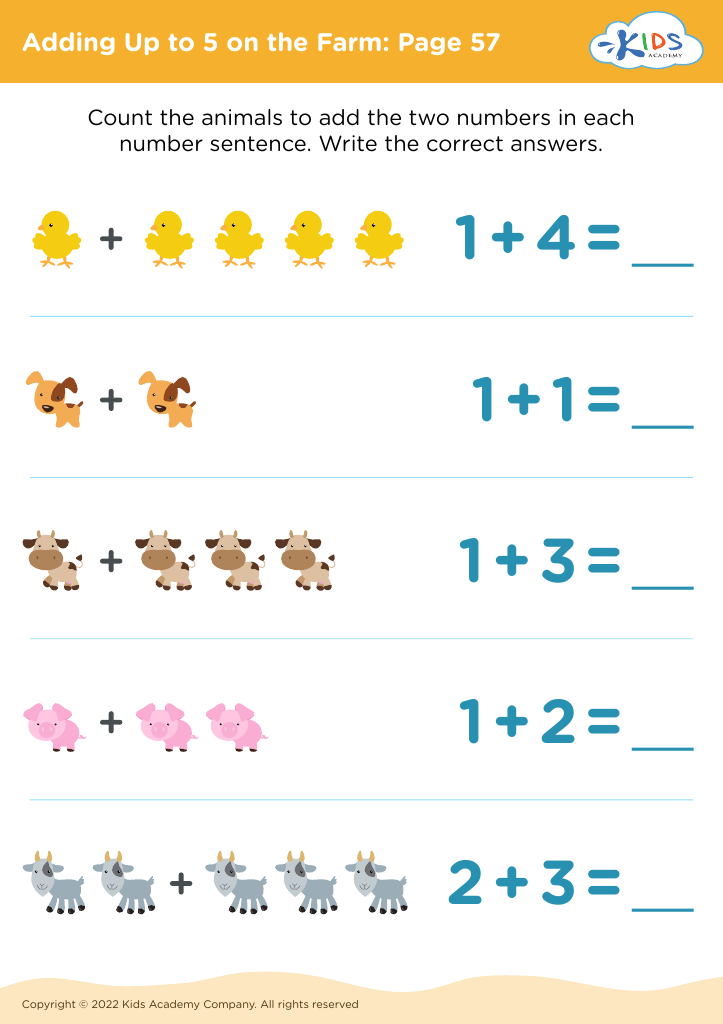
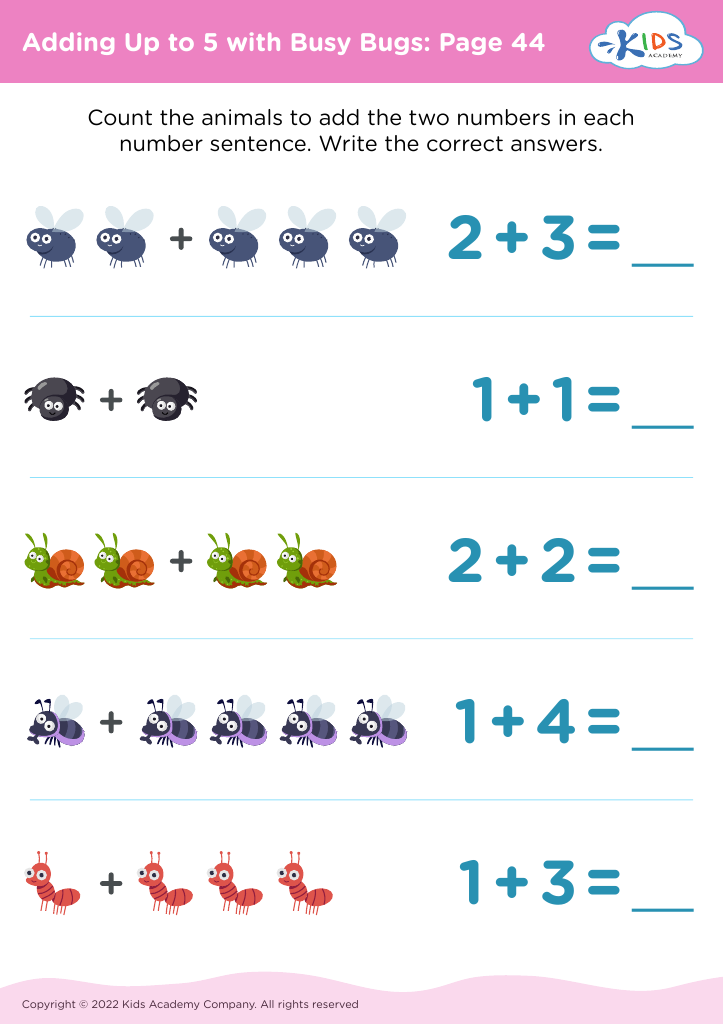
Introduce your little ones to the fun world of numbers with our "Understanding Quantity Addition & Subtraction Worksheets" designed specifically for ages 3-5. These engaging printables help young learners grasp the basics of addition and subtraction through colorful illustrations and simple exercises. Each worksheet fosters counting skills, number recognition, and an understanding of quantity, making early math concepts accessible and enjoyable. Perfect for preschoolers and kindergarteners, these resources lay a strong foundation for future math success, ensuring your child builds confidence while enjoying the learning process. Download now to start your child's math adventure!
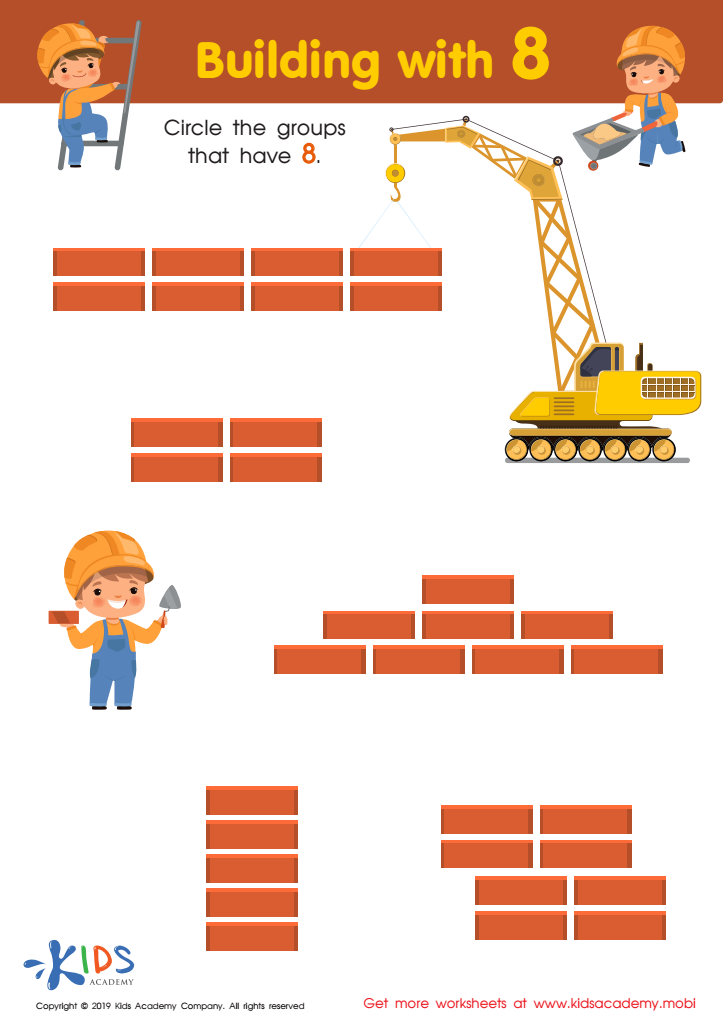
Building with 8 Worksheet
 Assign to My Students
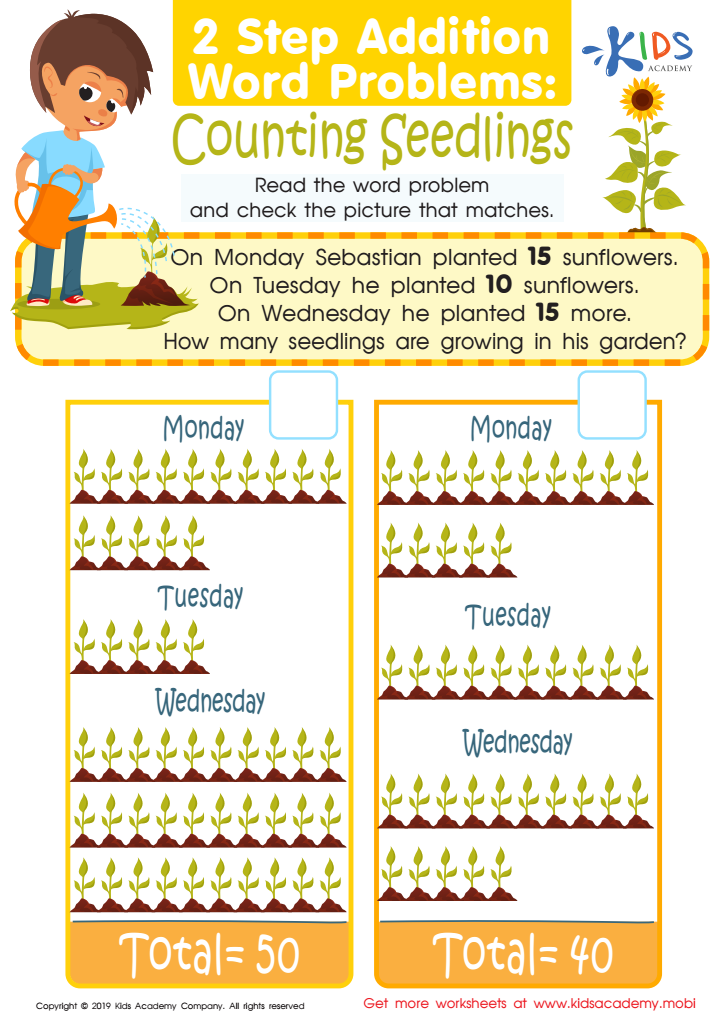
Counting Seedlings Worksheet
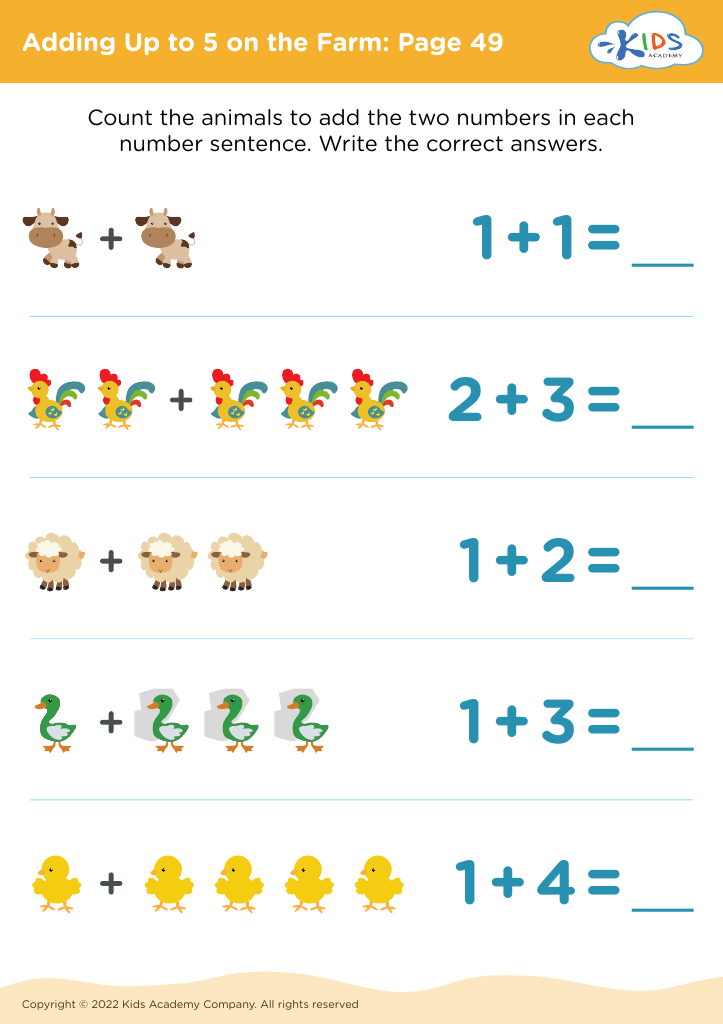
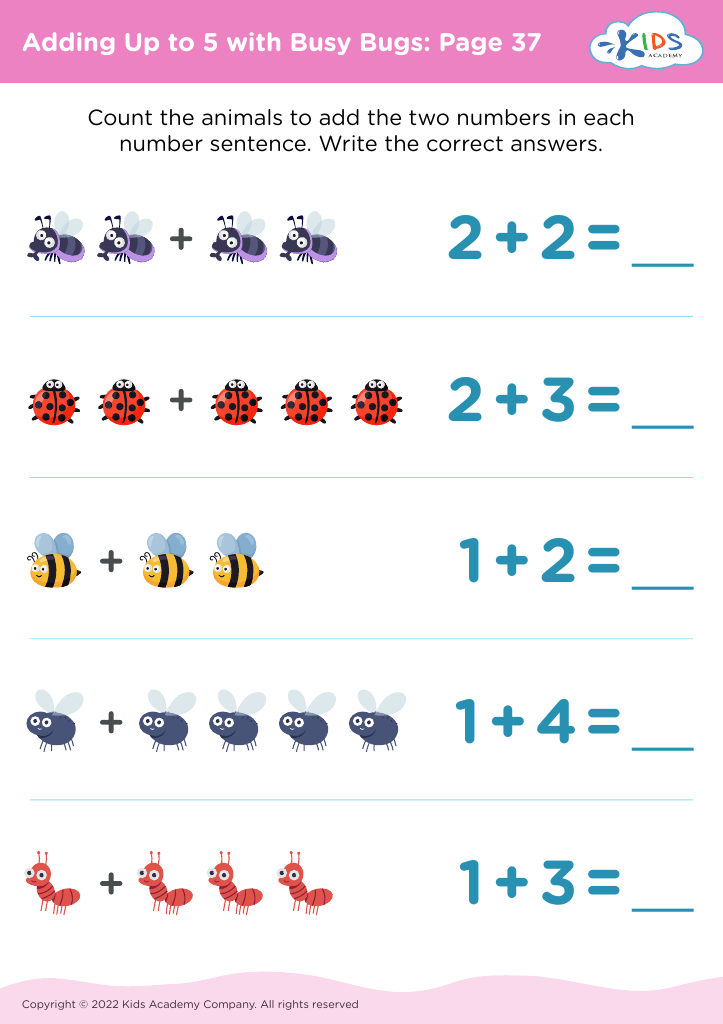
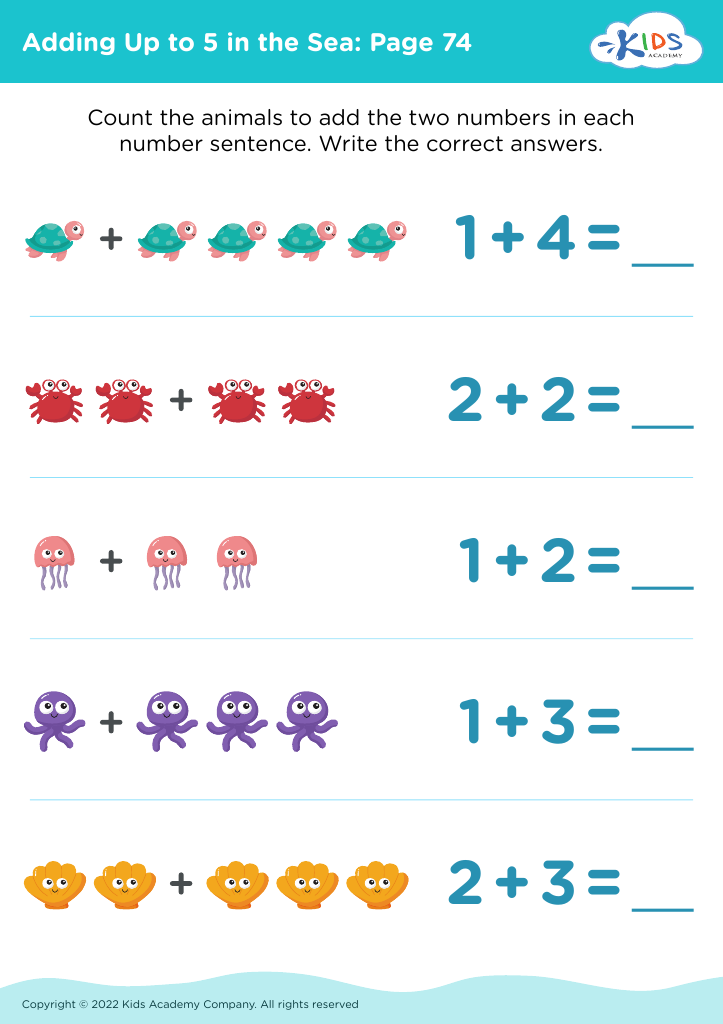
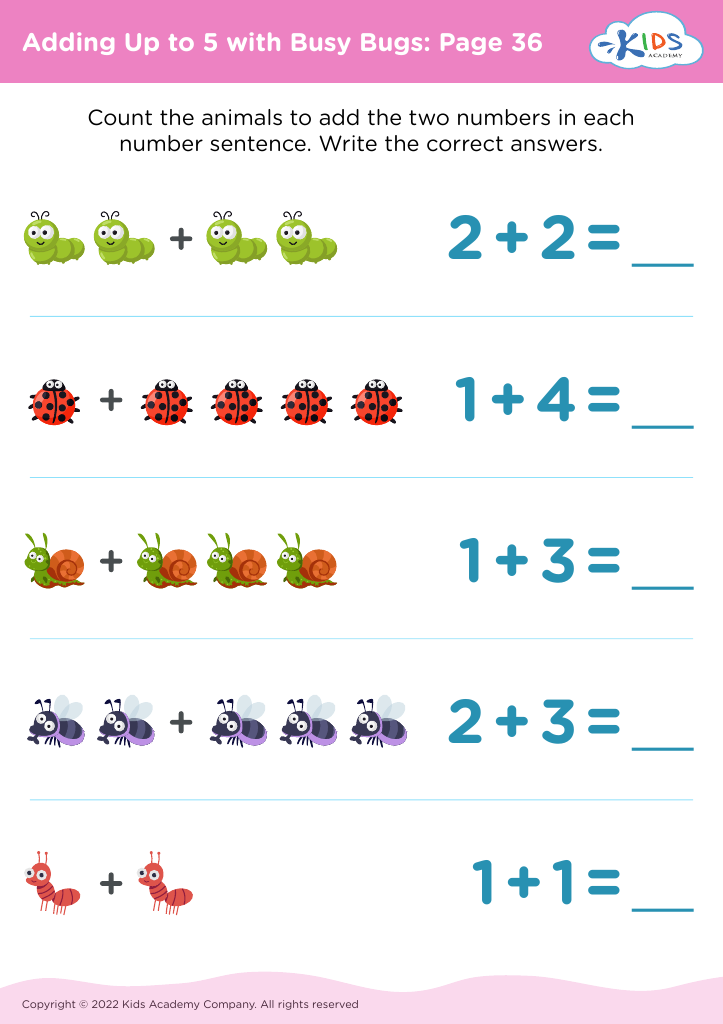
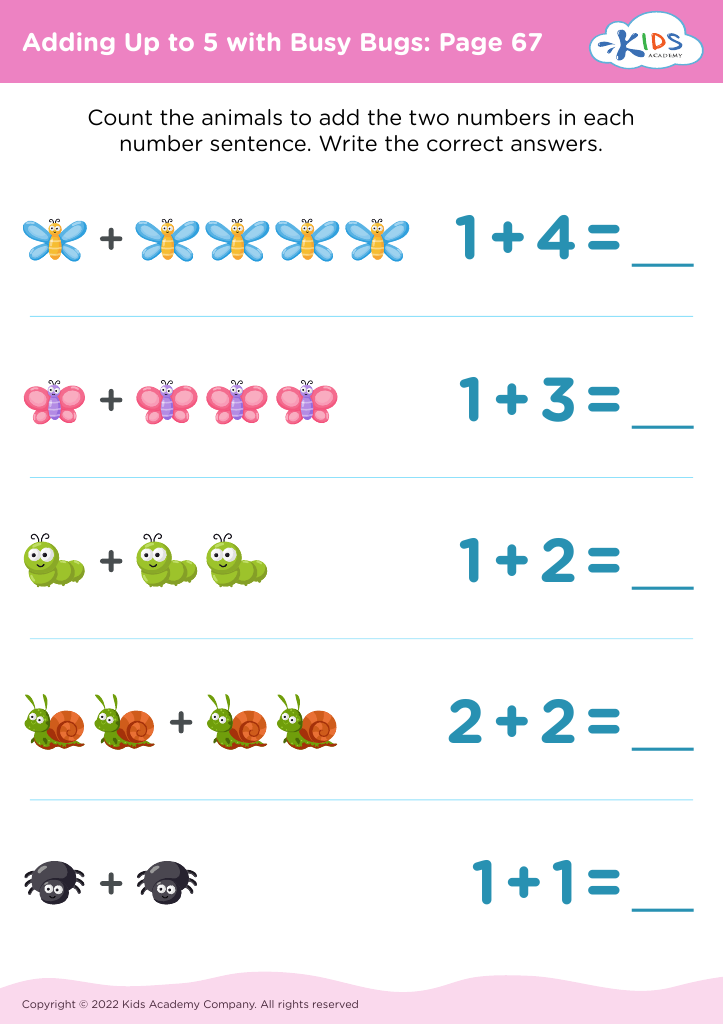
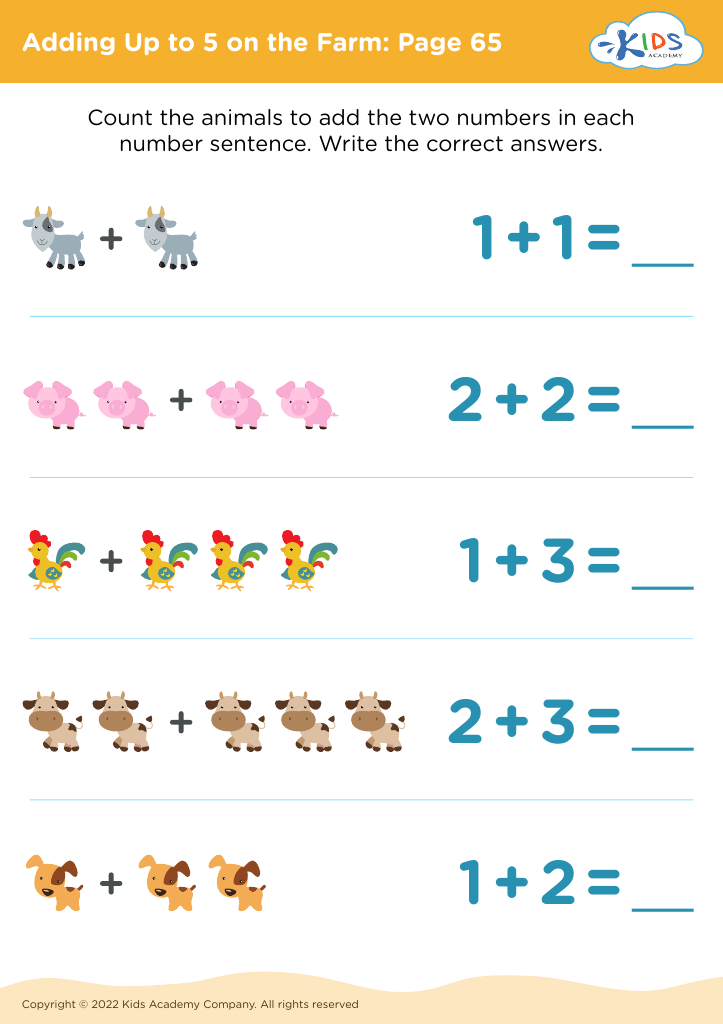
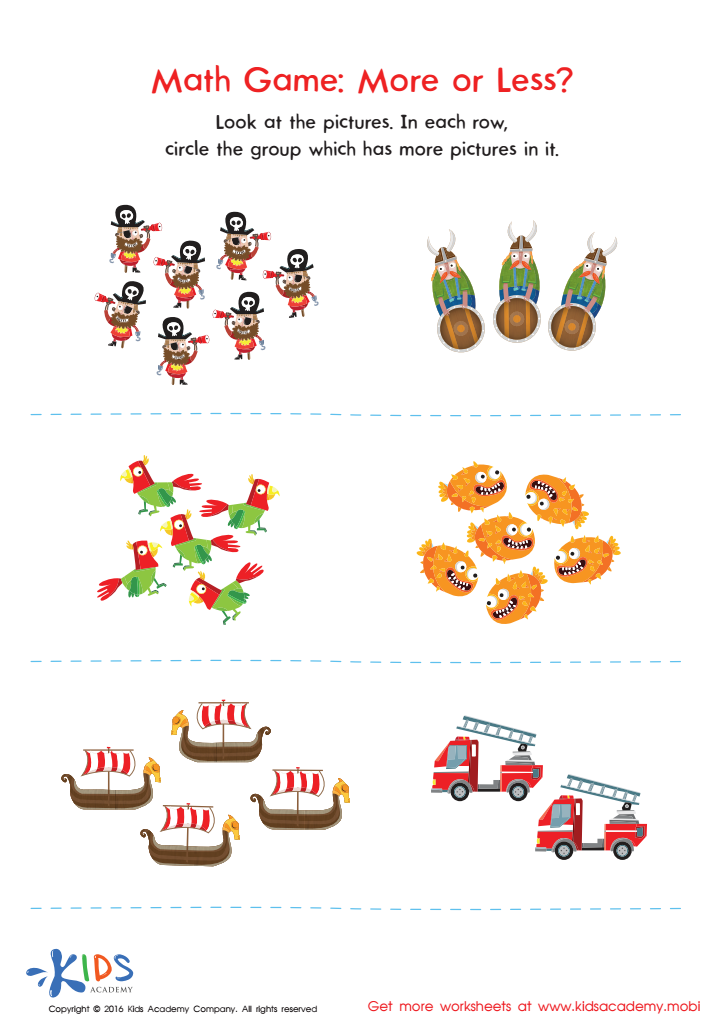
More or Less Worksheet
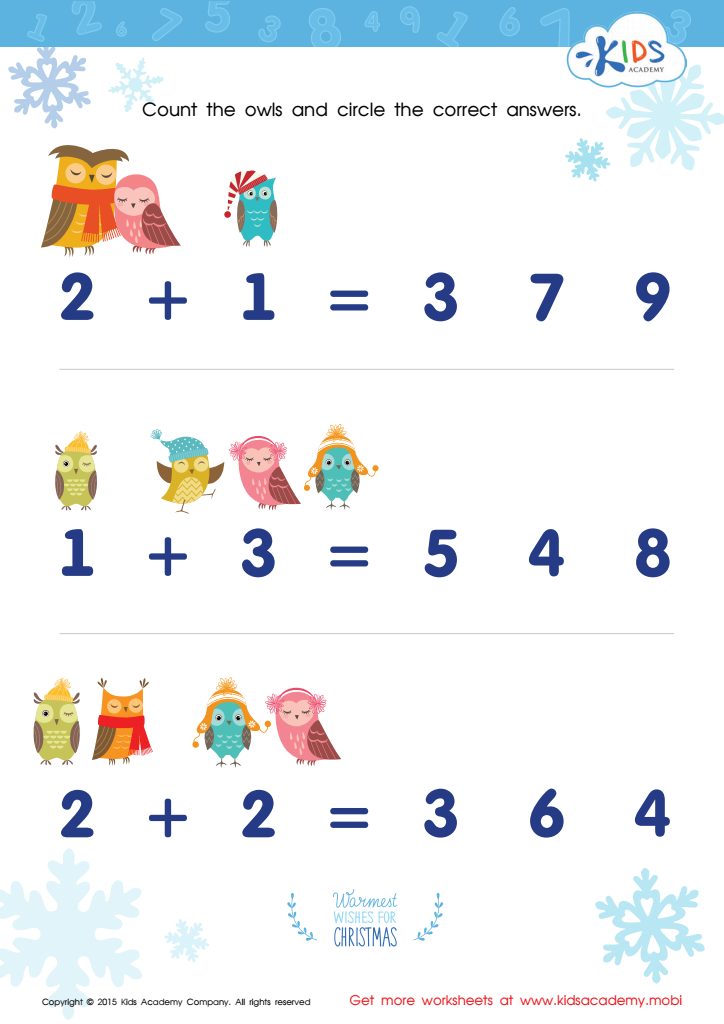
Count Little Owls Worksheet
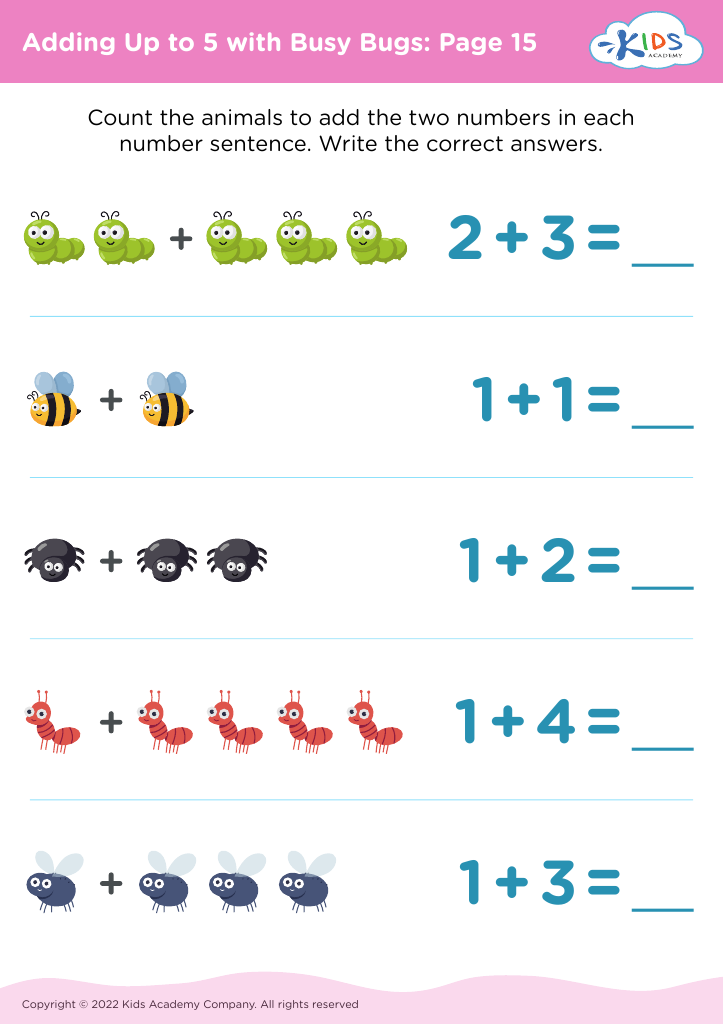








Understanding quantity, addition, and subtraction at ages 3-5 is crucial for young children as it forms the foundation for all future math learning and cognitive development. At this stage, children’s brains are highly receptive to new information and concepts, making it an ideal time to introduce basic numeracy skills.
Firstly, knowing quantities helps children grasp the idea of numbers and their relevance in everyday life. It assists in discerning which groups have more, fewer, or the same amount of items, enhancing their ability to compare and contrast, critical thinking, and decision-making skills. Besides these cognitive benefits, addition and subtraction are fundamental operations that underpin almost every aspect of mathematics they will encounter later.
For parents, engaging with children in these concepts means supporting their understanding of the world. It helps transform everyday activities, like shopping or cooking, into learning opportunities—naturally integrating math into their lives and making it enjoyable. For teachers, fostering this understanding equips students with the necessary skills to succeed academically, setting a strong mathematical foundation that can be built upon in subsequent school years.
In summary, understanding quantity, addition, and subtraction is essential as it initiates children’s logical and analytical thinking abilities, prepares them for more complex mathematical concepts, and supports their holistic cognitive development.








